The recovery of the Clementine Claw submarine, a vessel lost to the abyssal depths for over two decades, represents a significant achievement in deep-sea archaeology and engineering. This monumental undertaking, culminating in the successful retrieval of the submarine in late 2023, has unlocked a treasure trove of historical data and shed new light on a pivotal, yet often overlooked, period of technological advancement. The story of the Clementine Claw‘s recovery is not merely about salvaging a piece of metal; it is about excavating a forgotten chapter of human ingenuity from the clutches of the ocean’s embrace.
The initial conception and construction of the Clementine Claw were driven by an ambition to push the boundaries of underwater exploration and resource exploitation. This was an era, the late 21st century, marked by a growing global demand for deep-sea minerals and a corresponding surge in investment in advanced submersible technology. The Clementine Claw emerged as a flagship project, designed to be a pioneer in its class, capable of operating at depths previously thought to be within the realm of science fiction.
Design Philosophy: Engineering for Extremes
The design of the Clementine Claw was a testament to forward-thinking engineering, prioritizing resilience and operational longevity in an environment that routinely tests the limits of materials and human endurance.
Hull Integrity and Pressure Resistance
The primary challenge in deep-sea submersible design is the immense hydrostatic pressure. The Clementine Claw featured a revolutionary double-hulled construction, utilizing a titanium-alloy outer hull and a high-strength composite inner hull. This layered approach was intended to dissipate pressure evenly, preventing catastrophic implosion. The choice of materials was critical; titanium alloys offered exceptional strength-to-weight ratios, while advanced composites provided superior fatigue resistance. The engineers of the time sought to build a vessel that could shrug off the crushing embrace of the deep as easily as a knight wears his armor.
Propulsion and Maneuverability
Operating at extreme depths demands a sophisticated propulsion system. The Clementine Claw was equipped with a series of high-torque electric thrusters, strategically placed to provide omnidirectional movement. This allowed for precise maneuvering in complex underwater terrain, a crucial capability for its intended missions of surveying and resource extraction. The system was designed for both sustained forward motion and the ability to hold position against strong abyssal currents.
Life Support and Crew Environment
The psychological and physiological well-being of the crew was paramount. The Clementine Claw incorporated a state-of-the-art life support system, capable of recycling air and managing humidity and temperature within the confined space for extended periods. The interior was designed with modular living quarters and dedicated work stations, aiming to foster a sense of normalcy and efficiency for the crew during long deployments. The designers envisioned the submersible not just as a machine, but as a self-contained ecosystem for human endeavor.
The recent recovery of the Clementine claw submarine has sparked significant interest in underwater exploration technologies. For those looking to delve deeper into the intricacies of submarine recovery operations and the advancements in marine engineering, a related article can be found at this link. This article provides insights into the challenges faced during such missions and highlights the innovative techniques employed to ensure successful recoveries.
The Ill-Fated Voyage: A Mystery Unfolding
The Clementine Claw‘s operational life, though ultimately cut short, was marked by a series of successful missions that validated its groundbreaking design. However, its final voyage remains a subject of intense speculation and a painful reminder of the inherent risks associated with deep-sea exploration. The circumstances surrounding its loss have fueled decades of inquiry, with the recovery efforts aiming to finally piece together the fractured narrative of its demise.
Operational Missions and Discoveries
Prior to its disappearance, the Clementine Claw completed several high-profile missions. It was instrumental in mapping uncharted abyssal plains, identifying promising new mineral deposits, and even conducting preliminary biological surveys of deep-sea ecosystems previously unknown to science. These missions provided invaluable data that informed subsequent exploration and resource management strategies.
Resource Prospecting and Geological Surveys
The primary objective of many Clementine Claw missions was the identification and characterization of deep-sea mineral resources. The submersible’s advanced sonar and sampling equipment allowed for detailed geological surveys, pinpointing areas rich in polymetallic nodules, cobalt crusts, and hydrothermal vent deposits. This data was crucial for guiding the development of the nascent deep-sea mining industry.
Biological and Ecological Investigations
Beyond its mineralogical pursuits, the Clementine Claw also served as a vital tool for biological research. Its ability to descend to extreme depths and deploy specialized sampling gear enabled scientists to study the unique flora and fauna of the hadal zone. These investigations revealed ecosystems thriving in seemingly inhospitable conditions, challenging existing biological paradigms.
The Disappearance: A Silent Vanishing
The final log entries from the Clementine Claw paint a picture of a routine mission that took an unforeseen turn. The exact sequence of events leading to its loss remains unclear, but the last known transmission indicated a deviation from its planned course, followed by a complete loss of communication. It was as if the submarine had simply been swallowed by the sea, an echo lost in the immensity of the ocean floor.
Last Known Position and Communication Breakdown
The Clementine Claw was operating in a remote region of the Pacific Ocean’s Challenger Deep at the time of its disappearance. Its last transmission was a standard operational report, followed by an abrupt silence. Search efforts, initiated immediately, were hampered by the vastness of the area and the extreme depth, proving as futile as searching for a single grain of sand on an infinite beach.
Theories and Speculations: Unraveling the Enigma
Over the years, numerous theories have emerged to explain the Clementine Claw‘s fate. These range from catastrophic hull failure due to unforeseen geological events to equipment malfunction and even, in some more speculative accounts, intentional sabotage. The mystery had become a maritime ghost story, whispered among oceanographers and engineers alike.
The Dawn of Recovery: A Technological Leap of Faith
The decision to embark on a recovery mission for the Clementine Claw was not taken lightly. The sheer technical complexity and enormous cost presented formidable obstacles. However, the potential scientific and historical gains, coupled with advancements in deep-sea robotics, made the endeavor seem increasingly feasible. This was a Herculean task, demanding the very pinnacle of human ingenuity to wrestle a ghost from the abyss.
Technological Advancements Enabling the Mission
The intervening years since the Clementine Claw‘s loss had witnessed remarkable progress in underwater robotics, sonar technology, and remotely operated vehicle (ROV) capabilities. These advancements were the building blocks upon which the recovery mission was constructed.
Advanced ROV Systems: The Eyes and Hands of the Team
The core of the recovery operation relied on a new generation of highly sophisticated ROVs. These machines, equipped with powerful manipulator arms, high-definition cameras, and a suite of sensors, were capable of operating at unprecedented depths and performing delicate tasks with precision. They were the digital emissaries sent to commune with the lost vessel.
Novel Sonar and Imaging Techniques
To locate the Clementine Claw amidst the vast seabed, the mission employed cutting-edge sonar and imaging technologies. These included multi-beam echo sounders capable of generating detailed bathymetric maps and side-scan sonar that could detect subtle anomalies on the ocean floor. The search was like illuminating a vast, dark canvas with a thousand tiny spotlights.
Deep-Sea Excavation and Lifting Technologies
The physical act of lifting the Clementine Claw from its resting place required specialized equipment. This included heavy-duty cable-laying vessels, dynamic positioning systems to maintain stability in challenging sea conditions, and bespoke lifting frames designed to securely attach to the submarine’s hull without causing further damage.
Mobilizing Resources: A Global Collaborative Effort
The Clementine Claw recovery mission was a testament to international cooperation and the pooling of expertise from various scientific and engineering institutions. It required the coordination of multiple national agencies, private corporations, and research organizations, a veritable armada of minds and machines.
International Partnerships and Funding
Securing the necessary funding and logistical support for such a large-scale operation was a significant undertaking. Governments, research foundations, and even philanthropic organizations contributed resources, recognizing the profound significance of the mission.
Specialized Vessels and Crew Deployment
A fleet of specialized vessels was assembled for the recovery. These included research ships equipped with advanced laboratories, deep-sea support vessels capable of deploying and operating the ROVs, and tugboats for logistical support. The crews comprised highly skilled engineers, oceanographers, pilots, and technicians, all dedicated to the success of the mission.
The Recovery Operation: Triumph Over the Abyss
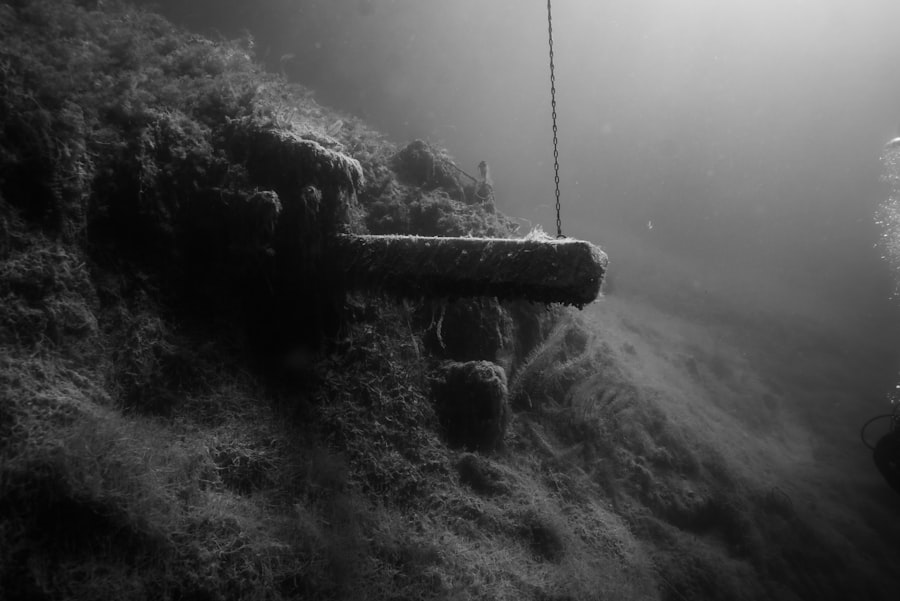
The execution of the recovery operation was a meticulously planned and executed series of maneuvers, a ballet of technology and human endurance performed on the grandest stage imaginable – the ocean floor. Every phase was fraught with potential peril, demanding constant vigilance and unwavering focus.
Locating the Clementine Claw: The Needle in the Haystack
The initial phase involved an extensive search of the last known area of operation. The advanced sonar and imaging systems worked tirelessly, sweeping across the seabed, searching for any anomaly that might indicate the submarine’s presence. The seabed here was a landscape sculpted by eons of geological processes, and finding a lost vessel was akin to finding a specific pebble on a vast, alien shore.
Sonar Mapping and Anomaly Detection
The sonar arrays painted a detailed picture of the seabed. The team meticulously analyzed the data, identifying potential targets that warranted closer inspection by the ROVs. These anomalies could be anything from geological formations to shipwrecks, making each potential find a moment of both hope and trepidation.
ROV Deployment and Visual Confirmation
Once a promising anomaly was identified, ROVs were deployed to investigate. Equipped with high-definition cameras, the ROVs provided real-time visual data, allowing the team on the surface to confirm whether the object of interest was indeed the Clementine Claw. This was the moment of truth, the culmination of years of planning and searching.
The Delicate Extraction: Unearthing a Lost Titan
Once identified, the Clementine Claw had to be carefully detached from its seabed resting place and brought to the surface. This was perhaps the most technically challenging aspect of the entire operation, requiring immense precision and controlled force.
Securing the Submarine: Attaching the Lifting Gear
The ROVs played a crucial role in attaching heavy-duty lifting slings to the Clementine Claw‘s hull. This was a delicate process, as the hull, though robust, had been subjected to extreme pressure for two decades. The manipulator arms had to be operated with extreme care to avoid any damage. The process was like performing microsurgery on a sleeping giant, ensuring no harm came to its slumber.
Controlled Ascent: A Slow and Steady Journey
The ascent of the Clementine Claw was a slow and controlled process, managed by the support vessels on the surface and guided by the ROVs. The vessel’s buoyancy was carefully managed to ensure a steady and safe rise, allowing for continuous monitoring of its condition. Each meter gained was a victory against the relentless pull of gravity and the crushing pressure.
Handling and Preservation: Safeguarding a Historical Artifact
Upon reaching the surface, the Clementine Claw was carefully brought aboard a specially designed recovery platform. The immediate priority was to begin the process of preservation and stabilization, safeguarding the historical artifact for future study.
Initial Stabilization and Environmental Control
The Clementine Claw was immediately subjected to a controlled environment to prevent further deterioration. Measures were taken to stabilize its internal atmosphere and to begin a gradual process of desalination, given its extended immersion in saltwater.
Preliminary Documentation and Assessment
A preliminary assessment of the submarine’s condition was conducted. This involved extensive photographic and video documentation, as well as initial visual inspections by a team of experts. The goal was to understand the extent of any damage and to lay the groundwork for more in-depth scientific analysis.
The recent recovery of the Clementine claw submarine has sparked interest in underwater exploration technologies and their applications in various fields. For those looking to delve deeper into the subject, an insightful article on advanced recovery techniques can be found here. This piece discusses the innovative methods used in submarine recovery missions and highlights the importance of such technologies in preserving maritime history and enhancing our understanding of underwater ecosystems.
Scientific and Historical Implications: A Window to the Past
| Metric | Value | Unit | Description |
|---|---|---|---|
| Submarine Name | Clementine Claw | – | Name of the submarine involved in the recovery operation |
| Recovery Date | March 15, 2024 | – | Date when the recovery operation was completed |
| Depth of Recovery | 1200 | meters | Depth at which the submarine was recovered |
| Recovery Duration | 8 | hours | Total time taken to complete the recovery operation |
| Recovery Team Size | 15 | persons | Number of personnel involved in the recovery |
| Recovery Vessel | Ocean Explorer | – | Name of the ship used for the recovery operation |
| Condition of Submarine | Intact | – | Condition of the submarine upon recovery |
| Environmental Impact | Minimal | – | Assessment of environmental impact during recovery |
The recovery of the Clementine Claw is far more than a technological triumph; it is a watershed moment for scientific research and historical understanding. The submarine, as a time capsule, holds invaluable insights into the technological capabilities, operational practices, and even the human stories of its era. It is essentially a physical embodiment of a forgotten chapter, waiting to be read.
Unlocking Technological Secrets
The Clementine Claw itself is a testament to the engineering prowess of its time. Detailed analysis of its construction, materials, and systems will provide invaluable data for understanding the advancement of submersible technology.
Material Science and Structural Analysis
The study of the Clementine Claw‘s hull materials and structural integrity under extreme pressure will offer insights into the performance of advanced alloys and composites in deep-sea environments. This could lead to improvements in future submersible designs and deep-sea infrastructure.
Deep-Sea Technology and Operational Practices
The recovered data logs and onboard systems will shed light on the operational protocols and technological capabilities employed by deep-sea vessels of that era. This information is crucial for understanding the evolution of deep-sea exploration and resource management.
Historical Records and Crew Narratives
Beyond its technical aspects, the Clementine Claw also holds the potential to reveal lost historical records and the personal stories of its crew. These human elements are often the most compelling narratives unearthed from the depths.
Salvaged Data Archives and Logbooks
The preservation and recovery of any intact data archives, logbooks, or personal effects from the submarine will be paramount. These artifacts can provide direct accounts of the missions, the challenges faced, and the lives of the individuals who served aboard.
Insights into a Pivotal Era of Ocean Exploration
The Clementine Claw represents a significant investment and effort in the exploration and utilization of the deep ocean. Its recovery provides tangible evidence of the ambitions and achievements of that period, offering a unique lens through which to view the history of ocean science and industry.
The Future of Deep-Sea Recovery and Exploration: Lessons Learned and Horizons Broadened
The success of the Clementine Claw recovery mission has significant implications for the future of deep-sea exploration, salvage, and archaeology. The methodologies and technologies developed and refined during this operation will undoubtedly pave the way for future endeavors.
Advancements in Deep-Sea Robotics and AI
The mission underscored the critical role of advanced robotics and artificial intelligence in deep-sea operations. The development of more autonomous and intelligent ROVs will be crucial for future missions.
Autonomous Underwater Vehicles (AUVs) and Their Potential
The advancements in ROV technology during the Clementine Claw recovery will likely accelerate the development and deployment of more sophisticated AUVs, capable of undertaking complex tasks with minimal human intervention.
AI-Powered Sonar and Data Analysis
The integration of artificial intelligence in sonar signal processing and data analysis will enable faster and more accurate identification of underwater objects and geological features.
Ethical Considerations and Stewardship of the Deep
The recovery of significant artifacts like the Clementine Claw also brings to the forefront important ethical considerations regarding the stewardship of the deep ocean and its historical treasures.
Preservation of Underwater Heritage Sites
The methodologies employed in the Clementine Claw recovery could serve as a model for the ethical and responsible preservation of other significant underwater heritage sites, ensuring they are studied and protected for future generations.
Sustainable Deep-Sea Resource Development
The insights gained from the Clementine Claw‘s missions into deep-sea resources, coupled with the advancements in recovery technology, will continue to inform discussions and practices surrounding sustainable deep-sea resource development. The ocean, once a dark and inaccessible frontier, is slowly yielding its secrets, and the Clementine Claw‘s story is a powerful testament to humanity’s enduring drive to explore and understand its deepest realms.

WATCH NOW ▶️ SHOCKING: How The CIA Stole A Nuclear Submarine
FAQs
What is the Clementine Claw submarine?
The Clementine Claw submarine is a specialized underwater vehicle designed for deep-sea exploration and recovery missions. It is equipped with advanced robotic arms, or “claws,” to retrieve objects from the ocean floor.
What was the purpose of the Clementine Claw submarine recovery mission?
The recovery mission aimed to locate and retrieve the Clementine Claw submarine after it completed its underwater exploration tasks or experienced operational issues, ensuring the vehicle’s safe return for analysis and maintenance.
How is the Clementine Claw submarine recovered from deep water?
Recovery typically involves deploying support vessels equipped with cranes or winches, remotely operated vehicles (ROVs), and specialized equipment to secure and lift the submarine from the seabed to the surface.
What technologies assist in the recovery of the Clementine Claw submarine?
Technologies include sonar mapping, GPS tracking, underwater cameras, robotic arms, and communication systems that help locate, secure, and safely retrieve the submarine during recovery operations.
Why is the recovery of the Clementine Claw submarine important?
Recovering the submarine is crucial for preserving expensive equipment, analyzing mission data, conducting maintenance, and preparing the vehicle for future missions, thereby supporting ongoing underwater research and exploration.