The Leningrad Shipyards, a sprawling industrial complex on the Neva River, had long been a cornerstone of Soviet shipbuilding. By the 1980s, however, the shipyard, like many of its brethren across the USSR, found itself at a crossroads. Decades of technological advancement in the West had created a growing chasm, and the shipyard, once a titan of its industry, faced the stark reality of obsolescence. The decade of the 1980s, under the shadow of perestroika and glasnost, became a period of intense scrutiny and nascent efforts to revitalize this vital industrial heart. This article delves into the complex challenges and the tentative steps taken to breathe new life into the Leningrad Shipyards during this transformative era.
The Leningrad Shipyards, comprising multiple specialized facilities, had historically played a pivotal role in the Soviet Union’s naval and civilian maritime ambitions. Its output was crucial for both defense and economic development, serving as a vital artery for the nation’s maritime power and international trade.
A Legacy of Naval Prowess
For decades, the shipyards had been instrumental in the construction of a formidable Soviet Navy. From cruisers and destroyers to submarines and aircraft carriers, its berths had birthed vessels that projected Soviet power across the globe. This legacy was a source of national pride, but also a heavy burden as the technological landscape shifted.
Civilian Contributions and Economic Backbone
Beyond military applications, the shipyards were also responsible for constructing a significant portion of the Soviet civilian merchant fleet. Cargo ships, tankers, and specialized vessels were essential for the USSR’s internal and external trade, underpinning its complex economic network. The efficiency and modernity of these vessels directly impacted the nation’s economic well-being.
The Dawning of Technological Disparity
By the early 1980s, it was becoming increasingly evident that Soviet shipbuilding technology was falling behind its Western counterparts. Advanced digital control systems, more efficient hull designs, and the use of lighter, stronger materials were becoming standard in the West. The Leningrad Shipyards, relying on established, albeit aging, methodologies, began to feel the sting of this technological divergence.
The Weight of Bureaucracy and Central Planning
The inherent inefficiencies of the Soviet command economy also cast a long shadow. Centralized planning, while aiming for strategic direction, often resulted in rigid production schedules, supply chain disruptions, and a lack of responsiveness to emerging technological trends or market demands. This bureaucratic inertia acted as a powerful anchor, hindering swift adaptation.
In the 1980s, the modernization of the Leningrad shipyard played a crucial role in enhancing the Soviet Union’s naval capabilities during a period of significant geopolitical tension. This transformation not only improved the efficiency of shipbuilding processes but also allowed for the incorporation of advanced technologies that were essential for maintaining a competitive edge in maritime defense. For a deeper understanding of the strategic implications of such modernization efforts, you can read more in the article available at In the War Room.
The Winds of Perestroika and Early Reform Efforts
The ascendance of Mikhail Gorbachev and the initiation of perestroika (restructuring) and glasnost (openness) in the mid-1980s brought a new, albeit often tumultuous, atmosphere to Soviet industry. For the Leningrad Shipyards, this meant a shift in focus, with a growing, albeit often hesitant, embrace of market-oriented principles and a greater willingness to acknowledge existing problems.
Reassessing Production Priorities
Perestroika encouraged a re-evaluation of traditional production targets. While defense remained paramount, there was an increased emphasis on producing civilian vessels that could generate hard currency through international sales. This meant a need for shipbuilding that was competitive on the global stage, a daunting prospect given the existing technological gap.
Towards Greater Autonomy
A key tenet of perestroika was the granting of greater autonomy to state enterprises. This meant that the Leningrad Shipyards began to experience a degree of decision-making power regarding production, investment, and personnel, a stark contrast to the tight control historically exercised by ministries in Moscow. However, this autonomy was often piecemeal and subject to the lingering influence of the old guard.
The Struggle for Material Incentives
Efforts were made to introduce more direct links between enterprise performance and employee compensation. This was a departure from the relatively uniform wage structures of the past, aiming to incentivize increased productivity. However, the implementation of such schemes was complex, often encountering resistance from established labor practices and a shortage of genuine market competition to drive performance.
Limited Scope for Innovation
While perestroika theoretically encouraged innovation, the practical realities faced by the shipyard were significant. Access to advanced foreign technology remained restricted, and domestic research and development struggled to bridge the gap. The shipyard was often left trying to adapt existing, older designs rather than developing entirely new ones.
The Dawn of Foreign Collaboration
As glasnost opened doors, the possibility of engaging with Western companies began to emerge, albeit cautiously. This was not a wholesale embrace of capitalism, but rather a pragmatic recognition that collaboration could provide access to needed technology, expertise, and even capital.
Initial Exploratory Ventures
Early interactions with foreign firms were often limited to technical consultations, feasibility studies, or the purchase of specific components. However, these were crucial first steps, akin to dipping a toe into uncharted waters, to gauge the potential benefits and navigate the complexities of international business.
Challenges in Partnership Negotiation
Negotiating with Western entities presented a steep learning curve for Soviet enterprise managers. Differences in legal frameworks, business practices, and intellectual property rights created significant hurdles. The rigidities of Soviet bureaucracy also often slowed down the negotiation process, frustrating potential partners.
Technological Upgrades and Modernization Efforts
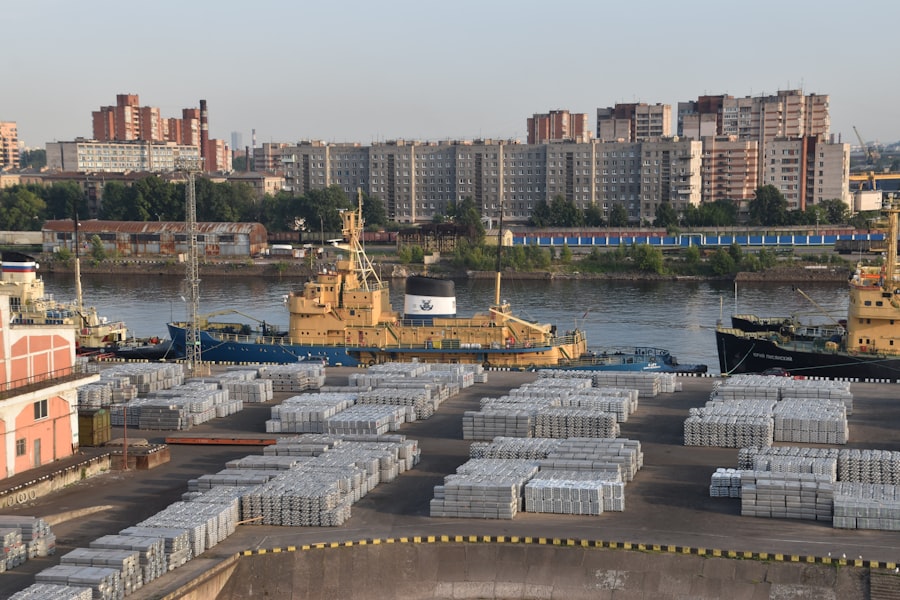
The core of revitalizing the Leningrad Shipyards lay in addressing its technological shortcomings. The 1980s saw a series of initiatives, some more impactful than others, aimed at bringing its facilities and processes into the modern era.
Investing in New Machinery and Equipment
A fundamental aspect of modernization involved the acquisition of new machinery. This included advanced welding equipment, precision cutting tools, and more sophisticated assembly line technologies. The aim was to improve efficiency, reduce labor intensity, and enhance the quality of the finished product.
The Import Dependence Dilemma
Many of the most advanced pieces of equipment had to be imported, creating a dependence on foreign currency reserves and further highlighting the economic vulnerabilities of the Soviet system. The availability of these imports was often subject to geopolitical factors and the overall state of the Soviet economy.
Domestic Manufacturing Gaps
While some domestic machine-building industries existed, they often struggled to produce equipment that matched the quality and sophistication of Western counterparts. This created a cycle where the shipyard relied on imports for its most critical upgrades, while domestic suppliers lagged further behind.
Implementing Computerized Design and Production
The revolution in computer-aided design (CAD) and computer-aided manufacturing (CAM) was transforming shipbuilding globally. The Leningrad Shipyards recognized the necessity of adopting these technologies to improve design accuracy, reduce lead times, and optimize production workflows.
Gradual Introduction of CAD Systems
The implementation of CAD systems was a gradual process, often beginning with the adoption of less sophisticated versions. Training personnel to operate and effectively utilize these new tools presented a significant challenge, requiring a shift in skillsets and a willingness to move away from traditional drafting methods.
The Promise of Automation
The aspiration was to move towards greater automation in production processes. This included the use of numerically controlled machines and eventually, robotic systems. However, the widespread adoption of such advanced automation was often hampered by the cost of technology, the lack of skilled maintenance personnel, and the inherent conservatism within existing work practices.
Improving Hull Design and Construction Techniques
The shape of a ship’s hull and the methods used to construct it are critical for its performance and efficiency. The 1980s saw a renewed focus on optimizing these aspects.
Advanced Hydrodynamics
Efforts were made to incorporate more advanced hydrodynamic principles into hull designs, aiming to reduce drag and improve fuel efficiency. This involved closer collaboration with research institutes and a greater reliance on computational fluid dynamics (CFD) modeling, where available.
New Welding and Assembly Methods
The adoption of more efficient welding techniques, such as automated submerged arc welding, and improved assembly methodologies were crucial for reducing construction times and increasing structural integrity. This often involved training workers in new techniques and investing in specialized welding equipment.
Adapting to Shifting Market Demands
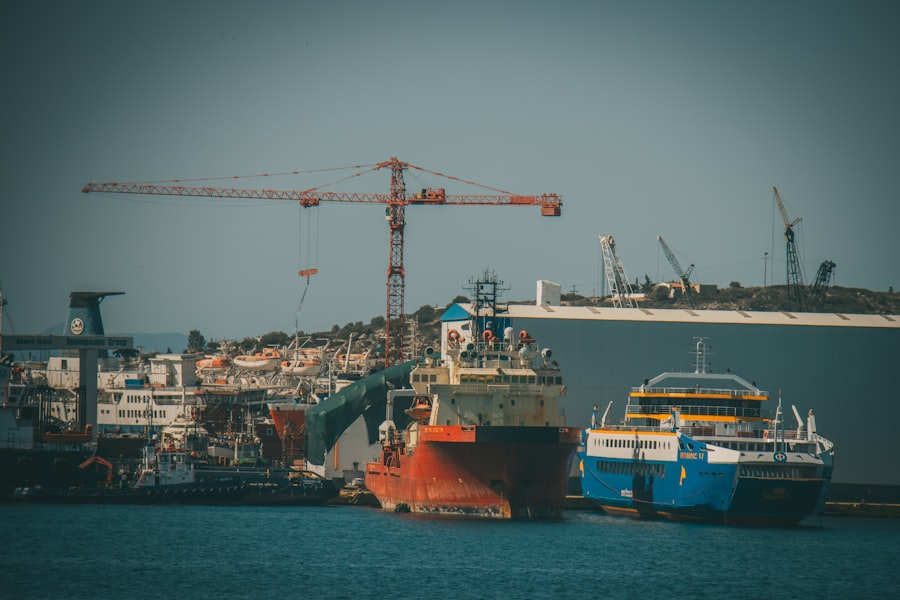
Beyond internal capabilities, the Leningrad Shipyards also had to contend with the evolving global maritime market. The demand for certain types of vessels shifted, and the shipyard needed to adapt its production to remain relevant.
The Growing Demand for Container Ships
The rise of containerized shipping fundamentally reshaped global trade. The demand for specialized container vessels, capable of carrying standardized containers efficiently, surged. The shipyard faced the challenge of retooling to produce these modern, high-volume carriers.
Challenges in Reconfiguration
Producing large container ships required different infrastructure and expertise compared to the naval vessels that had historically dominated the shipyard’s output. The re-allocation of resources and the retraining of workforces were significant undertakings.
The Niche of Specialized Vessels
The global market also saw a growing demand for specialized vessels, such as icebreakers, research vessels, and offshore support ships. These complex and often technologically advanced vessels offered opportunities for differentiation and potentially higher profit margins.
Leveraging Existing Expertise
The shipyard’s experience in building robust and durable vessels for harsh environments, particularly its naval history, provided a foundation for developing specialized ships. However, bringing these vessels up to the cutting edge of international standards required significant research and development investment.
The Competition from Asian Shipyards
By the 1980s, shipyards in South Korea and Japan were increasingly dominating the global market, often offering competitive prices and advanced technology. The Leningrad Shipyards found itself in direct competition with these increasingly efficient and cost-effective rivals.
Price Sensitivity and Production Costs
The cost of production was a critical factor. The inefficiencies inherent in the Soviet economic system, coupled with the cost of importing advanced technology, often made Soviet-built ships less competitive on price.
Quality and Reliability Perceptions
While Soviet vessels were often built to be robust, perceptions of technological sophistication and build quality could be a disadvantage when competing against established global leaders. Building trust in the international market was a long and arduous process.
In the 1980s, the modernization of the Leningrad shipyard played a crucial role in enhancing the Soviet Union’s naval capabilities, as detailed in a related article that explores the technological advancements and strategic implications of this initiative. The shipyard underwent significant upgrades, which not only improved production efficiency but also allowed for the construction of more advanced vessels. For further insights into this transformative period, you can read the full article here.
The Human Element: Workforce and Training
| Year | Shipyard | Modernization Aspect | Investment (million rubles) | New Equipment Installed | Production Capacity Increase (%) | Number of Ships Built Annually |
|---|---|---|---|---|---|---|
| 1982 | Severnaya Verf | Installation of automated welding systems | 120 | Automated welding machines (15 units) | 20 | 18 |
| 1984 | Baltiysky Zavod | Upgrade of dry docks and cranes | 150 | New gantry cranes (5 units), dry dock expansion | 25 | 22 |
| 1986 | Admiralty Shipyard | Introduction of computer-aided design (CAD) systems | 80 | CAD workstations (10 units) | 15 | 20 |
| 1988 | Severnaya Verf | Modernization of painting and coating facilities | 60 | Automated painting booths (8 units) | 10 | 21 |
| 1989 | Baltiysky Zavod | Implementation of quality control systems | 50 | Non-destructive testing equipment | 5 | 23 |
Revitalization was not solely about machinery and blueprints; it was also about the people who operated and managed the shipyard. The 1980s brought a focus on workforce development and adapting to new skill requirements.
The Need for New Skills
The introduction of new technologies, from CAD systems to automated welding, necessitated a significant upskilling of the workforce. Welders, engineers, designers, and technicians needed to acquire new competencies to operate and maintain the modernized facilities.
Training Programs and Their Effectiveness
The shipyard, often in conjunction with vocational institutions and universities, initiated various training programs. The effectiveness of these programs varied, depending on the resources allocated, the quality of instruction, and the willingness of workers to adapt.
Bridging the Knowledge Gap
A significant challenge was bridging the knowledge gap between experienced, traditional workers and the demands of modern shipbuilding. This required not just technical training but also a shift in mindset towards embracing new methodologies.
The Impact of Labor Relations Reforms
Perestroika’s emphasis on enterprise autonomy also touched upon labor relations. While not a complete overhaul, there were attempts to tie wages more directly to performance and to give workers a greater say in workplace decisions.
The Role of Trade Unions
Trade unions, a long-standing feature of Soviet industrial life, continued to play a role, though their influence and function began to adapt under the new political climate. Their capacity to advocate for both workers’ rights and necessary modernization efforts was tested.
Resistance to Change and Inertia
As with any large industrial enterprise, there was inherent inertia and resistance to change within the workforce. Long-established practices and a fear of job displacement in the face of automation could act as significant impediments to progress.
The Challenge of Retaining Skilled Personnel
In a period of flux and economic uncertainty, retaining skilled personnel became a challenge. The allure of opportunities elsewhere, coupled with the demanding nature of specialized industrial work, meant that the shipyard constantly battled to keep its most valuable assets.
Brain Drain Within the System
Even within the broader Soviet system, there were instances of skilled workers and engineers seeking opportunities in emerging sectors or industries perceived to be more modern and offering better prospects.
External Opportunities and Their Impact
As a semblance of an open economy began to emerge, the possibility of employment outside the rigid structures of state enterprises, even if in nascent private ventures, could also draw away talent.
Looking Towards a Changing Future
The 1980s at the Leningrad Shipyards were a decade of transition, a period where the old guard wrestled with the inevitable winds of change. The Soviet Union itself was on the precipice of fundamental transformation, and the shipyard was a microcosm of this larger upheaval. While many of the deep-seated issues of the Soviet economic system remained, the decade laid some of the groundwork for future developments, however uncertain they might have been.
The Legacy of Past Endeavors
The shipyards carried the heavy legacy of its past achievements, a reputation built on decades of robust construction. This legacy, while a source of pride, also meant a reluctance to abandon proven, albeit aging, methodologies.
The Seeds of Future Restructuring
The tentative steps towards greater autonomy, the initial engagement with foreign partners, and the nascent recognition of technological obsolescence planted seeds that would continue to grow in the tumultuous years that followed. The collapse of the Soviet Union in 1991 would fundamentally alter the landscape, but the challenges and attempted solutions of the 1980s provided a critical prelude.
The Enduring Significance of Maritime Power
Despite the internal struggles, the strategic importance of shipbuilding for any nation, particularly one with extensive coastlines and maritime ambitions, remained undeniable. The Leningrad Shipyards, in its 1980s incarnation, represented a vital, albeit beleaguered, effort to maintain that crucial capability in an increasingly competitive world. The decade served as a poignant reminder that even the most formidable industrial giants cannot stand still; they must adapt, or risk becoming relics of a bygone era. The story of the Leningrad Shipyards in the 1980s is thus a narrative of a titan grappling with its own momentum, seeking to find new footing on shifting sands.
FAQs
What was the main goal of the Leningrad shipyard modernization in the 1980s?
The main goal of the Leningrad shipyard modernization in the 1980s was to upgrade the shipbuilding facilities and technology to increase production efficiency and improve the quality of naval and commercial vessels.
Which technologies were introduced during the modernization of the Leningrad shipyard in the 1980s?
During the 1980s modernization, the Leningrad shipyard incorporated advanced welding techniques, automated assembly lines, computer-aided design (CAD) systems, and improved metalworking machinery.
How did the modernization impact the shipyard’s production capacity?
The modernization significantly increased the shipyard’s production capacity by streamlining construction processes, reducing build times, and enabling the production of more complex and larger ships.
What types of ships were primarily built or upgraded at the Leningrad shipyard after the 1980s modernization?
After the modernization, the Leningrad shipyard focused on building and upgrading military vessels such as submarines and surface warships, as well as commercial ships including cargo vessels and tankers.
Did the modernization of the Leningrad shipyard in the 1980s have any strategic importance?
Yes, the modernization had strategic importance as it enhanced the Soviet Union’s naval capabilities during the Cold War by enabling the production of more advanced and reliable military ships.