
The chilling tendrils of Soviet espionage stretched far and wide, often unseen, operating beneath the placid surface of everyday life. For decades, the KGB, the Soviet Union’s principal security agency, meticulously cultivated a clandestine network of spies and informants across the globe. This intricate web, designed to pilfer state secrets, sow discord, and influence policy, remained largely shrouded in secrecy. However, periodically, these shadowy operations were brought into the stark light of day, exposing the audacious breadth and insidious depth of Soviet penetration.
The cold war was a conflict fought as much with whispers and shadows as with bombs and bullets. The KGB’s modus operandi relied heavily on deception and patient cultivation. Its agents were rarely the caricature of trench-coated villains; they were often highly educated professionals, diplomats, journalists, or even unassuming citizens.
The Venona Project: A Cryptographic Awakening
One of the earliest and most significant breakthroughs in exposing the Soviet spy network came not from a dramatic defection, but from the painstaking work of cryptanalysts. The Venona Project, a top-secret counterintelligence program initiated during World War II and continuing into the Cold War, involved the decryption of coded Soviet diplomatic and intelligence messages.
- Initial Discovery: American and British intelligence agencies, unbeknownst to the Soviets, managed to intercept and begin decrypting a vast trove of messages. Many of these messages, initially dismissed as mundane diplomatic chatter, gradually revealed something far more sinister.
- The “Tradecraft” of Treachery: The decrypted messages provided irrefutable evidence of a widespread Soviet espionage operation within the United States and other Allied nations. They detailed the recruitment of American citizens, the transmission of highly sensitive information, and the systematic efforts to infiltrate government agencies.
- A Slow Reveal: The full implications of Venona were not immediately apparent. The project itself remained classified for decades, and its revelations were meticulously analyzed and cross-referenced with other intelligence sources before any public accusations were made. This cautious approach was vital to protect intelligence methods and avoid tipping off the Soviets prematurely.
Defections and Their Domino Effect
While cryptography offered a systematic view of the network, individual defections often provided invaluable ground-level intelligence, a direct window into the minds and methods of the KGB.
- Igor Gouzenko’s Whistleblower Moment: In 1945, Igor Gouzenko, a cipher clerk for the Soviet embassy in Ottawa, Canada, defected with over 100 documents exposing a Soviet spy ring operating within Canada and targeting atomic secrets. His defection sent shockwaves through Western intelligence communities, serving as an early, unmistakable alarm bell regarding the extent of Soviet espionage.
- The “Magnificent Five” and Their Betrayal: Perhaps the most infamous group of defectors (though they were technically moles who were eventually uncovered, rather than traditional defectors) were the “Cambridge Five” – Kim Philby, Donald Maclean, Guy Burgess, Anthony Blunt, and John Cairncross. These British intelligence officers, recruited while at Cambridge University, rose to high positions within the British establishment, providing the Soviets with unparalleled access to top-secret information for decades.
- Kim Philby’s Double Life: Philby, in particular, a high-ranking SIS (Secret Intelligence Service) officer, played a crucial role in shaping British intelligence operations while simultaneously betraying them to the KGB. His eventual exposure and defection to Moscow in 1963 was a devastating blow to Western intelligence and a stark reminder of the long game played by Soviet handlers.
- Impact on Anglo-American Relations: The revelations surrounding the Cambridge Five caused immense damage to the trust between British and American intelligence agencies, highlighting the profound risks of ideological subversion.
The recent revelations about the Soviet KGB spy network have shed light on the extensive operations that infiltrated various levels of government and society during the Cold War. For a deeper understanding of the implications and historical context of these espionage activities, you can read the related article titled “Unmasking the Shadows: The KGB’s Influence on Global Politics” available at this link. This article explores the strategies employed by the KGB and the lasting effects of their clandestine operations on international relations.
The Cold War Chessboard: Targeting Strategic Assets
As the Cold War intensified, the KGB’s focus sharpened on strategic assets, particularly those relating to military technology, nuclear secrets, and political influence. The network wasn’t simply about stealing documents; it was about understanding the very fabric of Western power.
Nuclear Secrets: The Ultimate Prize
The race for nuclear supremacy was a defining feature of the Cold War. For the Soviets, gaining access to atomic secrets was paramount, and their spy network was instrumental in achieving this goal.
- The Rosenbergs and the Manhattan Project: Julius and Ethel Rosenberg, American citizens, were convicted and executed in 1953 for conspiring to commit espionage by passing atomic bomb secrets to the Soviet Union. While the extent of Ethel’s involvement remains a subject of debate, Julius’s role in a network that facilitated the transfer of classified information from the Manhattan Project is widely accepted by historians.
- Klaus Fuchs: A Physicist’s Betrayal: Klaus Fuchs, a German theoretical physicist who worked on the British atomic bomb project and later at Los Alamos in the United States, was a highly valuable Soviet mole. His detailed knowledge of nuclear fission and bomb design proved immensely useful to the Soviet nuclear program, significantly accelerating its development.
Infiltrating Government and Defense Establishments
The KGB understood that controlling the flow of information at its source was far more effective than merely reacting to it. Therefore, systematic infiltration of government agencies and defense industries was a cornerstone of their strategy.
- Aldrich Ames: The Mole in the CIA: One of the most damaging moles in American history, Aldrich Ames, a CIA counterintelligence officer, began spying for the Soviet Union in 1985. He betrayed at least a dozen American agents working for the CIA and FBI, many of whom were subsequently executed by the Soviets. His actions severely crippled U.S. intelligence operations against the Soviet Union during a critical period.
- Robert Hanssen: A Deep Cover in the FBI: Robert Hanssen, an FBI agent, spied for Soviet and later Russian intelligence agencies from 1979 to 2001. He provided an enormous volume of highly classified information, including details about FBI counterintelligence methods, double agents, and even the existence of a secret tunnel beneath the Soviet embassy in Washington D.C. His betrayal was described as “catastrophic” by the FBI.
The Global Reach: Beyond the Iron Curtain
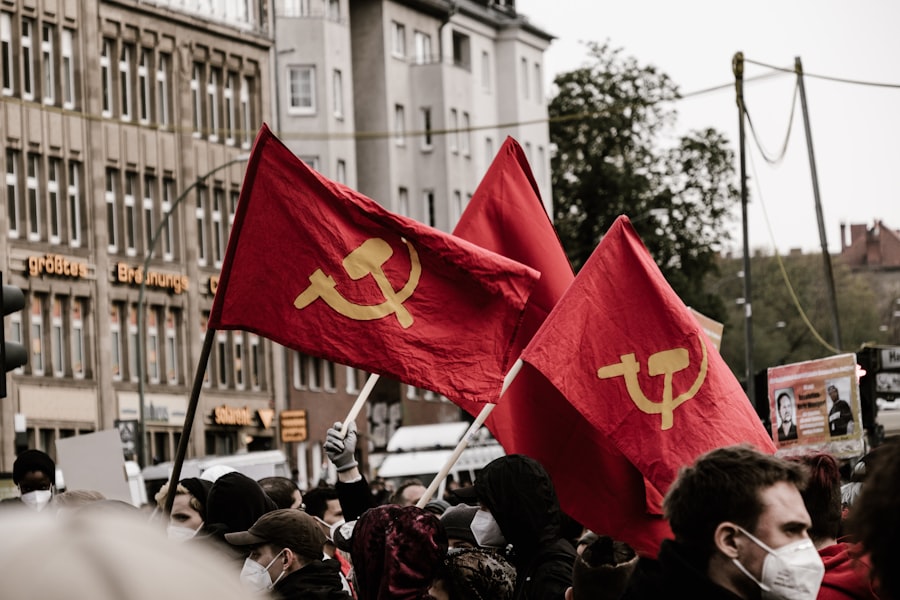
The Soviet spy network was not confined to Western Europe and North America. Its tendrils reached into every continent, seeking to exploit political instabilities, garner intelligence from developing nations, and project Soviet influence.
Agents of Influence and Disinformation Campaigns
Beyond outright espionage, a significant part of the KGB’s strategy involved cultivating “agents of influence” – individuals who, often unknowingly or wittingly for ideological or financial reasons, helped shape public opinion or policy in favor of Soviet interests.
- Propaganda as a Weapon: The KGB actively engaged in disinformation campaigns, spreading false narratives and sowing discord to weaken Western democracies. This involved forging documents, planting fabricated stories in foreign media, and subtly manipulating political discourse.
- Exploiting Ideological Sympathies: In many cases, individuals were drawn into the Soviet orbit not by money or blackmail, but by genuine ideological belief in communism or a perception of Soviet moral superiority. These individuals, often academics, journalists, or artists, provided a fertile ground for KGB recruitment.
Africa, Asia, and Latin America: New Fronts
The Cold War was a global struggle, and the KGB’s operations reflected this reality. They sought to exploit decolonization movements, anti-Western sentiments, and local conflicts to establish Soviet footholds.
- Support for Proxy Wars: Soviet intelligence played a role in supporting various proxy wars and revolutionary movements, often providing intelligence, training, and logistical support to groups aligned with their strategic objectives.
- Recruitment in Developing Nations: KGB officers, operating under diplomatic cover, would frequently seek to recruit individuals from newly independent nations, offering education, financial incentives, or political patronage in exchange for cooperation.
Exposure and Consequences: The Price of Espionage
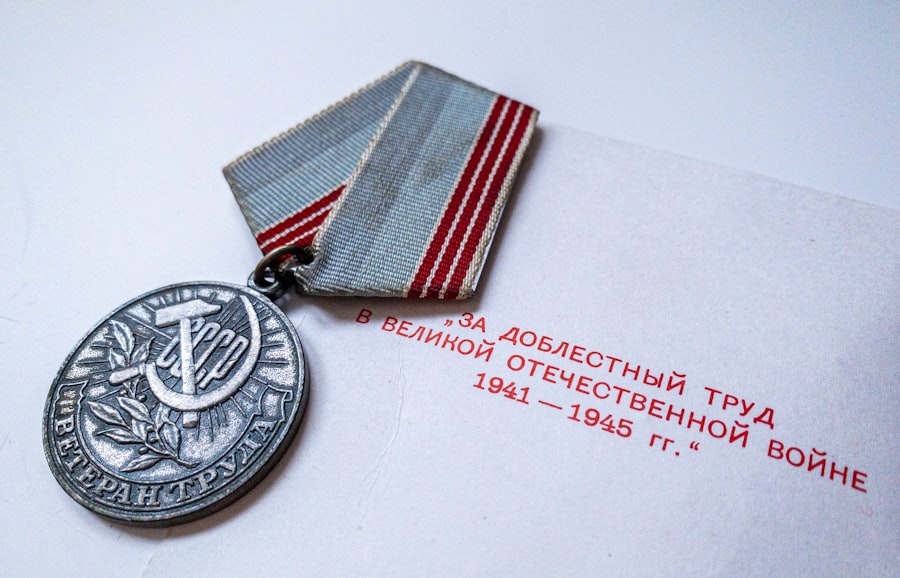
The exposure of Soviet spy networks invariably led to severe consequences, both for the individuals involved and for international relations. The arrests, trials, and public revelations served as stark warnings.
Trials and Executions: A Tangible Cost
For those caught in the web of espionage, the legal ramifications were often dire. The severity of punishment varied depending on the country and the nature of the betrayal, but imprisonment and even execution were not uncommon.
- The Legacy of Julius and Ethel Rosenberg: The execution of the Rosenbergs remains a highly controversial event, sparking debates about the fairness of their trial and the severity of their sentence. Regardless of individual interpretations, it undeniably demonstrated the serious consequences of espionage during a period of heightened national security concerns.
- Long-Term Imprisonment for Moles: Many exposed spies, such as Aldrich Ames and Robert Hanssen, received lengthy prison sentences, spending the rest of their lives behind bars. Their cases serve as powerful reminders of the ultimate price paid for betraying one’s country.
Diplomatic Fallout and Expulsions
Beyond individual arrests, the exposure of espionage often triggered significant diplomatic crises, leading to expulsions of diplomats, heightened tensions, and a deterioration of international relations.
- Tit-for-Tat Expulsions: It was common for the exposure of a spy in one country to lead to retaliatory expulsions of diplomats from the accused nation, creating a cyclical pattern of diplomatic friction.
- Damaged Trust: Each revelation of a spy network chipped away at the fragile trust between nations, making cooperation on other international issues more difficult and reinforcing an atmosphere of suspicion.
The recent revelations about the Soviet KGB spy network have shed light on the intricate web of espionage that operated during the Cold War, highlighting the lengths to which intelligence agencies went to gather information. For those interested in exploring this topic further, a related article discusses the impact of these espionage activities on international relations and security strategies. You can read more about it in this insightful piece on the subject at In the War Room.
The Enduring Legacy: Lessons from the Shadows
| Metric | Details |
|---|---|
| Number of Agents | Over 10,000 identified worldwide |
| Countries Infiltrated | More than 50 countries |
| Years Active | 1947 – 1991 |
| Primary Targets | Government officials, military, scientists, diplomats |
| Notable Operations | Cambridge Five, Operation RYAN, Illegals Program |
| Number of Double Agents Exposed | Approximately 200 |
| Impact on Cold War | Significant intelligence advantage for USSR |
| Declassified Documents | Thousands released post-1991 |
While the Soviet Union has dissolved, the legacy of its extensive spy network continues to resonate. The methods, the vulnerabilities exposed, and the enduring human element of espionage offer timeless lessons.
The Human Factor: Ideology, Greed, and Compromise
The motivations behind individuals becoming spies are complex and varied, a testament to the intricacies of human psychology.
- Ideological Conviction: For some, an unwavering belief in communism fueled their willingness to betray their own country, particularly during the early Cold War. They saw themselves as agents of historical progress.
- Financial Inducement: For others, particularly as the Soviet Union’s ideology waned, financial gain became the primary motivator. Debt, extravagant lifestyles, or a simple desire for more money drove their espionage.
- Blackmail and Compromise: In some instances, individuals were blackmailed or compromised, forced into espionage due to indiscretions or vulnerabilities exploited by KGB handlers. This “kompromat” (compromising material) was a powerful tool in recruitment and control.
Evolution of Espionage: From Dead Drops to Cyber Warfare
While the specific tools and tactics have evolved, the fundamental principles of espionage remain constant. The shift from physical dead drops and coded messages to sophisticated cyber operations highlights the ever-adapting nature of intelligence gathering.
- Information as the Battlefield: In the digital age, information itself has become the battleground. Cyber espionage, intellectual property theft, and the manipulation of digital infrastructure have replaced many of the traditional methods of clandestine operations.
- The Persistent Threat: The exposure of the Soviet spy network serves as a historical precedent, reminding current generations that state-sponsored espionage remains a persistent and evolving threat, requiring constant vigilance and robust counterintelligence efforts.
The unveiling of the Soviet KGB spy network was not a single event but a gradual, painstaking process, akin to peeling back the layers of an onion. Each exposure, whether through a decrypted message, a dramatic defection, or a meticulously planned counterintelligence operation, revealed a piece of a truly gargantuan puzzle. These revelations served as a stark demonstration of the lengths to which nations will go to gain an advantage in the geopolitical arena and a chilling testament to the ingenuity and ruthlessness of intelligence agencies operating in the shadows. The lessons gleaned from these exposures continue to inform our understanding of espionage and its profound impact on international relations.
FAQs
What was the Soviet KGB spy network?
The Soviet KGB spy network was an extensive intelligence and espionage organization operated by the Soviet Union’s Committee for State Security (KGB). It was responsible for gathering intelligence, conducting covert operations, and counterintelligence activities both domestically and internationally during the Cold War.
How was the Soviet KGB spy network structured?
The KGB was organized into various directorates and departments, each specializing in different aspects of intelligence work, such as foreign espionage, counterintelligence, surveillance, and internal security. It operated through a network of agents, informants, and operatives embedded in various countries and institutions.
When was the Soviet KGB spy network revealed to the public?
Details about the Soviet KGB spy network became widely known after the dissolution of the Soviet Union in 1991, when classified documents were declassified and former agents and defectors shared information. High-profile espionage cases and revelations in the media also contributed to public awareness.
What impact did the Soviet KGB spy network have during the Cold War?
The KGB played a significant role in the Cold War by gathering intelligence on Western governments, military capabilities, and technological developments. It influenced political events, conducted disinformation campaigns, and sought to undermine adversaries, shaping the geopolitical landscape of the era.
Are there any notable cases associated with the Soviet KGB spy network?
Yes, several notable espionage cases are linked to the KGB, including the activities of spies like Aldrich Ames and Robert Hanssen, who compromised U.S. intelligence. Other famous cases involve the Cambridge Five in the UK and the infiltration of Western governments and organizations by KGB operatives.