The Cold War, a period of geopolitical tension between the Soviet Union and the United States and their respective allies, cast a long shadow over global affairs from the mid-20th century. Within this simmering conflict, the undersea domain emerged as a critical theatre, a silent battlefield where technological prowess and strategic thinking were constantly tested. This article explores the imperative to revamp undersea strategy during this era, analyzing the catalysts for change, the innovations that followed, and the enduring legacy of these developments.
Initially, naval strategy in the years immediately following World War II remained heavily reliant on surface fleets, a legacy of centuries of maritime warfare. Battleships and aircraft carriers, symbols of national power, dominated naval thinking. However, the burgeoning nuclear age and the rapid evolution of submarine technology began to dismantle this traditional paradigm. The ability of submarines to operate undetected, carrying ever more destructive payloads, transformed the undersea into a strategic frontier of unparalleled importance. You can learn more about John Walker by watching this informative video.
The Dawn of Nuclear Submarines
The launch of USS Nautilus in 1954, the world’s first nuclear-powered submarine, marked a watershed moment. This vessel, unburdened by the need to surface for air, possessed unprecedented endurance and speed, rendering traditional anti-submarine warfare (ASW) methods largely obsolete. The Nautilus was not merely an incremental improvement; it was a revolution, a silent harbinger of a new era.
The Threat of Nuclear Retaliation
As intercontinental ballistic missiles (ICBMs) became a reality, the notion of “mutually assured destruction” (MAD) began to define nuclear deterrence. However, land-based missile silos were static targets, vulnerable to a first strike. This vulnerability highlighted the strategic advantage of ballistic missile submarines (SSBNs), which could disappear into the ocean’s depths, offering a second-strike capability that would survive an initial attack. This underwater sanctuary became the ultimate insurance policy against nuclear annihilation, a hidden hand ready to deliver retribution.
The Cold War era was marked by intense competition not only on land and in the air but also beneath the waves, where undersea strategies played a crucial role in naval dominance. A recent article discusses the redesign of these strategies in light of modern technological advancements and geopolitical tensions. For more insights on this topic, you can read the article here: Cold War Undersea Strategy Redesign.
Adapting to the Silent War: Strategic Imperatives and Technological Responses
The transition to a submarine-centric strategic environment demanded profound shifts in naval doctrine, technological investment, and operational methodologies. Nations found themselves in a silent arms race, where secrecy was paramount and advantage often measured in decibels.
Redefining Anti-Submarine Warfare (ASW)
With the advent of the nuclear submarine, traditional ASW tactics, which largely relied on visual sightings and active sonar, proved inadequate. The vastness of the ocean, coupled with the improved stealth of submarines, necessitated a comprehensive overhaul of ASW capabilities.
- Passive Sonar Development: The focus shifted from actively pinging the ocean – an act akin to shining a flashlight in the dark, revealing both the hunter and the hunted – to passively listening for the faint sounds of enemy submarines. Hydrophone arrays, both towed and fixed, became crucial for detecting and tracking these elusive targets.
- Acoustic Signatures and Quieting Technologies: Both sides invested heavily in reducing their own submarines’ acoustic signatures. This involved meticulous engineering to minimize machinery noise, hull cavitation, and propeller hum. The war, in essence, became a contest of who could whisper most effectively. Every decibel reduction was a strategic victory.
- ASW Aircraft and Surface Platforms: Specialized aircraft, equipped with sonobuoys and magnetic anomaly detectors (MAD), and surface warships, armed with advanced sonar systems and torpedoes, were designed and deployed to hunt submarines. These platforms, often operating in concert, formed a complex web of detection and engagement capabilities.
The Rise of Ballistic Missile Submarines (SSBNs)
The strategic imperative to maintain a credible second-strike capability fueled the rapid development and deployment of SSBNs. These vessels became the linchpin of nuclear deterrence, an underwater leviathan carrying the ultimate argument.
- Submarine Launched Ballistic Missiles (SLBMs): The evolution of SLBMs, from early, relatively short-range missiles to intercontinental-range weapons, dramatically enhanced the credibility of SSBNs. Polaris, Poseidon, and Trident missiles for the U.S. and their Soviet counterparts represented a continuous technological leap.
- Patrol Areas and Survivability: Determining optimal patrol areas, vast oceanic regions where SSBNs could remain undetected for extended periods, became a critical aspect of strategic planning. These areas were carefully chosen, often exploiting hydrographic features and acoustic anomalies to enhance survivability.
- Command and Control (C2) during Nuclear War: Ensuring reliable communication with SSBNs, even in the event of a devastating first strike, was a complex challenge. VLF (Very Low Frequency) and ELF (Extremely Low Frequency) communication systems were developed to penetrate seawater, allowing crucial orders to reach the submerged fleet.
The Technological Arms Race: Innovation and Espionage
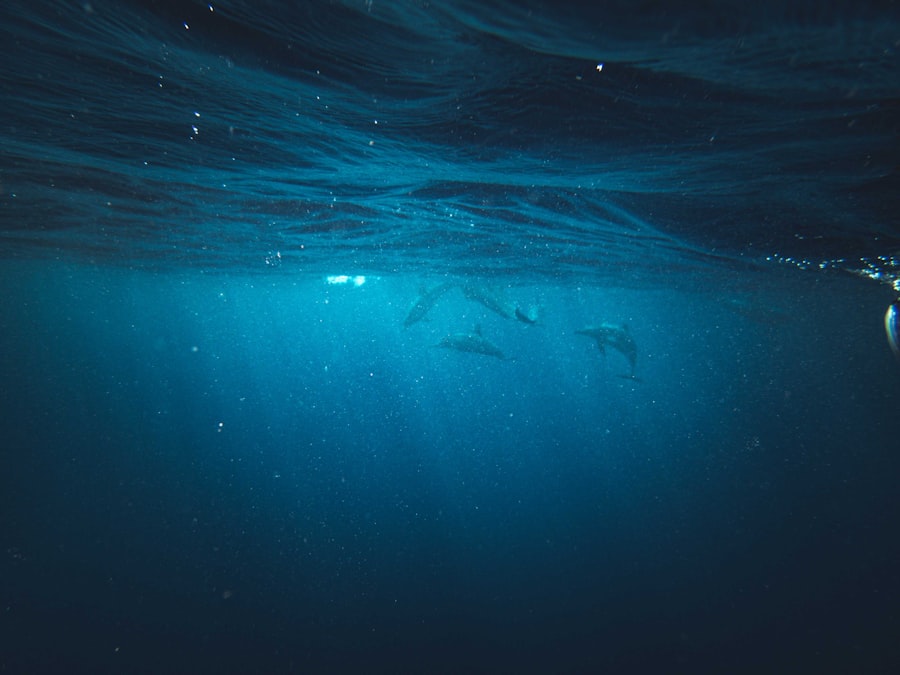
The Cold War undersea environment was a crucible of innovation, driven by an relentless technological arms race. Both superpowers poured vast resources into research and development, often with intelligence agencies playing a crucial role in acquiring enemy secrets.
Sonar Evolution: From Active Pings to Passive Listening
Early sonar systems were predominantly active, emitting sound pulses and listening for echoes. However, the limitation of active sonar, particularly its tendency to betray the submarine’s own position, led to a rapid shift towards passive sonar.
- Hydrophone Arrays and Signal Processing: The development of sophisticated hydrophone arrays, capable of detecting faint acoustic signals from a distance, and advanced signal processing techniques to filter out ambient ocean noise, were paramount. These innovations transformed the ocean from a silent void into a rich tapestry of sound, albeit one that required careful interpretation.
- Non-Acoustic Detection Systems: While sonar dominated, efforts were also made to explore non-acoustic detection methods, such as magnetic anomaly detection (MAD) for close-range detection and even rudimentary wake-detection technologies, although these were often less effective than sonar.
Submarine Quieting and Stealth Technologies
The ability to operate silently became the holy grail of submarine design. Every effort was made to reduce noise across the entire spectrum.
- Anechoic Coatings: The application of anechoic tiles to submarine hulls, designed to absorb sonar pulses rather than reflect them, became a significant technological advance. These “rubber tiles” acted as a cloak, making submarines harder to detect with active sonar.
- Vibration Control and Advanced Propulsion: Isolating machinery from the hull with resilient mounts, developing quieter pumps and valves, and designing advanced propeller configurations to minimize cavitation noise were all critical aspects of submarine quieting. The pursuit of perfect silence was a continuous and iterative process.
Weaponry and Countermeasures
The development of advanced torpedoes, mines, and anti-submarine missiles kept pace with improvements in submarine stealth.
- Wire-Guided Torpedoes: The introduction of wire-guided torpedoes allowed submarines to adjust a torpedo’s trajectory after launch, increasing accuracy and enabling engagement with evasive targets.
- Sophisticated Mines: Both sides deployed advanced mines, capable of lying dormant for extended periods and activated by the acoustic, magnetic, or pressure signatures of enemy vessels. These underwater sentinels posed a constant threat to naval movements.
- Decoys and Countermeasures: Submarines were equipped with various countermeasures, including noisemakers and acoustic decoys, to confuse enemy sonar and torpedoes, allowing the submarine to escape detection or evade an attack.
The Human Element: Training, Doctrine, and Espionage

Beyond the technological marvels, the human element remained crucial. The Cold War undersea arena demanded highly skilled personnel, robust operational doctrines, and often, the silent gathering of intelligence.
Elite Submarine Crews
Operating a Cold War submarine, particularly a nuclear-powered vessel carrying ballistic missiles, required exceptional training, discipline, and psychological resilience. Crews faced extended periods of isolation, high-stakes decisions, and the constant threat of detection or mechanical failure. These individuals, often operating in cramped and dangerous conditions, were the true guardians of the silent war.
Strategic Doctrine and Naval Diplomacy
The development of naval doctrine for submarine operations, including patrol patterns, communication protocols, and engagement rules, was a continuous process. These doctrines aimed to optimize the deployment of assets, minimize the risk of accidental conflict, and ensure effective deterrence. During periods of heightened tension, adherence to these doctrines was paramount. Naval diplomacy, often conducted through quiet channels, also played a role in de-escalating potential confrontations at sea.
The Role of Intelligence Gathering
Intelligence gathering was a critical component of the undersea strategy. Spy submarines, often disguised as research vessels, were deployed to monitor enemy naval activities, map ocean floor topography, and collect acoustic intelligence. The infamous “Pueblo Incident” and “Scorpion” disaster underscore the risks and importance of these clandestine operations, where the stakes were often life and death. The quest for “acoustic intelligence” – the detailed sounds of enemy submarines – was a relentless pursuit, akin to attempting to learn the language of an unseen adversary.
The Cold War era was marked by intense competition not only on land and in the air but also beneath the waves, leading to a significant focus on undersea strategies. As nations reassess their maritime capabilities in light of modern threats, a redesign of these strategies is becoming increasingly critical. For a deeper understanding of how these historical tactics are evolving, you can explore a related article that discusses contemporary undersea warfare and its implications for national security. This insightful piece can be found here.
The Enduring Legacy: A Blueprint for Modern Undersea Warfare
| Metric | Description | Cold War Context | Impact on Undersea Strategy |
|---|---|---|---|
| Submarine Fleet Size | Number of operational submarines | US and USSR expanded fleets to hundreds of subs | Increased emphasis on stealth and detection technologies |
| Detection Range (Sonar) | Maximum effective sonar detection distance (km) | Improved from ~5 km to over 20 km by late Cold War | Enhanced anti-submarine warfare (ASW) capabilities |
| Submarine Speed (knots) | Maximum submerged speed of attack submarines | Increased from ~20 knots to 30+ knots | Allowed rapid repositioning and evasion |
| Ballistic Missile Range (km) | Range of submarine-launched ballistic missiles (SLBMs) | Extended from ~1,500 km to over 8,000 km | Enabled second-strike nuclear deterrence |
| Undersea Communication Range | Distance for secure communication with submerged subs | Limited to tens of km, improved with VLF and ELF signals | Improved command and control of submerged forces |
| ASW Aircraft Deployment | Number of dedicated anti-submarine warfare aircraft | Increased deployment of P-3 Orion and similar aircraft | Expanded detection and tracking of enemy submarines |
| Undersea Sensor Networks | Number of fixed sonar arrays and listening posts | Development of SOSUS and other underwater sensor systems | Improved early warning and tracking of submarine movements |
The Cold War ended, but its legacy in undersea strategy continues to shape modern naval operations. Many of the fundamental principles and technological advancements developed during this intense period remain relevant today.
Continued Emphasis on Stealth and ASW
The cat-and-mouse game of stealth and detection persists. Modern submarines are even quieter and more capable, while ASW technologies continue to evolve, incorporating advanced sensors, artificial intelligence, and unmanned underwater vehicles (UUVs). The basic challenge, however, remains the same: how to find an object that actively tries not to be found.
The Enduring Role of Nuclear Deterrence
SSBNs continue to form a critical pillar of nuclear deterrence for several nations. The concept of an invulnerable second-strike capability, refined during the Cold War, still underpins global strategic stability. These underwater leviathans, now even more sophisticated, remain the silent arbiters of peace.
Lessons in Technical Innovation and Strategic Foresight
The Cold War era demonstrated the power of sustained investment in military research and development. The rapid advancements in submarine technology, sonar, and weaponry serve as a testament to human ingenuity under pressure. Furthermore, the strategic foresight shown in recognizing the transformative potential of the undersea domain offers valuable lessons for confronting contemporary and future strategic challenges. The Cold War’s undersea battles were fought not with cannon fire but with acoustic signatures, not with visible fleets but with hidden shadows, a testament to the profound shift in naval warfare that continues to this day. The lessons learned in those silent depths continue to guide the navies of the world, reminding us that sometimes, the most powerful forces are those that remain unseen.
WATCH THIS 🔐 The Submarine That Broke The Cold War | Naval Intelligence Espionage | SOSUS Compromise
FAQs
What was the Cold War undersea strategy?
The Cold War undersea strategy referred to the military tactics and operations involving submarines, underwater surveillance, and naval forces beneath the ocean surface, primarily between the United States and the Soviet Union. It focused on deterrence, intelligence gathering, and securing strategic advantages in underwater warfare.
Why was undersea strategy important during the Cold War?
Undersea strategy was crucial because submarines could operate stealthily, launch nuclear missiles, and gather intelligence without detection. Control of the seas and underwater domains was vital for maintaining a balance of power and ensuring second-strike capabilities in the event of nuclear conflict.
What does “redesign” of Cold War undersea strategy mean?
Redesign refers to the process of updating or changing the tactics, technologies, and operational doctrines related to undersea warfare. This could involve incorporating new submarine technologies, improving sonar and detection systems, or adapting to new geopolitical realities and threats.
Which technologies were central to Cold War undersea strategy?
Key technologies included nuclear-powered submarines, ballistic missile submarines (SSBNs), advanced sonar systems, underwater communication networks, and anti-submarine warfare (ASW) tools such as depth charges and torpedoes.
How did undersea strategy impact Cold War naval forces?
Undersea strategy led to significant investments in submarine fleets and ASW capabilities. Navies developed specialized vessels and tactics to detect and counter enemy submarines, ensuring strategic deterrence and protecting maritime routes.
What role did intelligence play in Cold War undersea strategy?
Intelligence gathering was a major component, with submarines conducting covert surveillance missions to monitor enemy movements, test defenses, and collect data on naval capabilities. This information was critical for strategic planning and maintaining an advantage.
How has Cold War undersea strategy influenced modern naval operations?
Many principles and technologies developed during the Cold War continue to shape modern undersea warfare. Current naval forces build upon Cold War innovations in stealth, detection, and missile technology to maintain underwater dominance and deterrence.
Were there any major incidents related to undersea strategy during the Cold War?
Yes, notable incidents include submarine collisions, espionage missions, and the detection of enemy submarines near territorial waters. These events sometimes heightened tensions and underscored the risks of underwater operations during the Cold War.