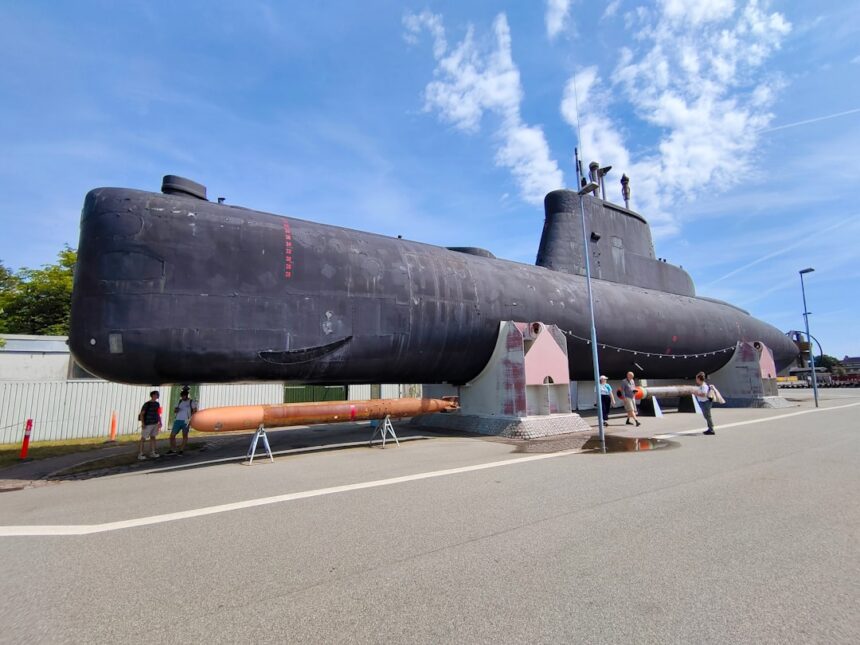
The Soviet Union maintained one of the world’s largest submarine fleets during the Cold War era. Following the dissolution of the Soviet Union in 1991, the Russian Federation inherited this naval infrastructure. In subsequent decades, Russia has pursued modernization efforts to update its submarine capabilities, addressing technological gaps that emerged after the Cold War period ended.
Modern submarine modernization initiatives focus on several key areas: improved stealth technology to reduce acoustic signatures, upgraded weapon systems including advanced torpedoes and cruise missiles, and enhanced operational efficiency. These upgrades reflect the evolving requirements of contemporary naval operations and the need to maintain competitive capabilities in contested maritime regions. The modernization program carries significant implications across multiple domains.
From a strategic perspective, upgraded submarines affect the balance of power in key maritime areas. Budgetary constraints have influenced the pace and scope of these modernization efforts, as Russia allocates resources across its military branches. Additionally, submarine development programs have implications for international relations, particularly regarding arms control agreements and regional security dynamics in areas such as the Arctic, Baltic Sea, and North Atlantic.
The documentary reveals the shocking story of a hidden KGB mole within the intelligence agency.
Key Takeaways
- The Soviet submarine fleet is undergoing a comprehensive redesign to modernize and enhance capabilities.
- Historical context highlights the evolution and strategic importance of the Soviet submarine force.
- The redesign program addresses current fleet limitations and aims to improve national defense readiness.
- Budget allocation and cost analysis reveal significant investment and financial planning challenges.
- International reactions vary, influencing the geopolitical landscape and future naval strategies.
Historical Background of Soviet Submarine Fleet
The history of the Soviet submarine fleet is rich and complex, marked by significant milestones that have shaped its development. From the early days of the Cold War, the Soviet Union recognized the importance of submarines as a critical component of its naval strategy. The introduction of nuclear-powered submarines in the 1950s revolutionized naval warfare, allowing for extended underwater operations and greater striking power.
Throughout the decades, the Soviet fleet expanded rapidly, incorporating advanced technologies and diverse classes of submarines designed for various missions. By the late 20th century, however, the Soviet submarine fleet began to show signs of aging and obsolescence. The dissolution of the Soviet Union in 1991 led to a decline in naval investment and maintenance, resulting in a fleet that struggled to keep pace with advancements made by other nations.
Despite these challenges, the legacy of the Soviet submarine fleet remains significant, as it laid the groundwork for future developments in underwater warfare and strategic deterrence.
Current State of Soviet Submarine Fleet
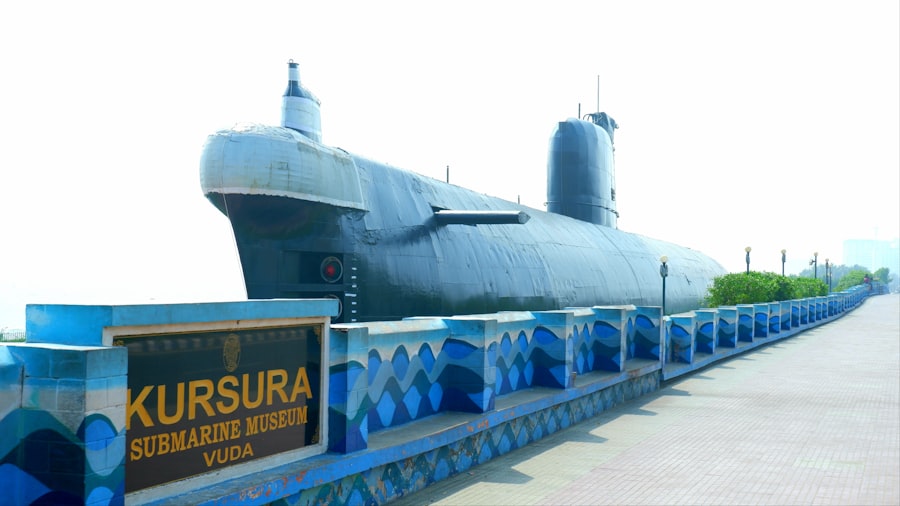
As of now, the current state of the Soviet submarine fleet reflects a mix of aging vessels and newer models that have been introduced in recent years. Many submarines from the Cold War era are still in service, but they require extensive upgrades to remain operationally relevant. The fleet’s composition includes a variety of classes, such as ballistic missile submarines (SSBNs), attack submarines (SSNs), and cruise missile submarines (SSGNs), each serving distinct roles within the broader naval strategy.
In contrast to its historical prowess, the current fleet faces several challenges, including technological obsolescence and maintenance issues. While some newer submarines have been commissioned, they are not yet sufficient to replace the aging fleet entirely. This situation has prompted military leaders to prioritize modernization efforts through the redesign program, aiming to enhance capabilities and ensure that the fleet can effectively respond to contemporary threats.
Reasons for Revamping Soviet Submarine Fleet
The decision to revamp the Soviet submarine fleet stems from a confluence of factors that underscore the necessity for modernization. First and foremost is the evolving nature of maritime threats. As global tensions rise and new adversaries emerge, it is imperative for the Soviet Union to maintain a robust naval presence capable of deterring aggression and projecting power.
The redesign program seeks to address these challenges by incorporating cutting-edge technologies that enhance stealth, speed, and firepower. Additionally, advancements in submarine detection technologies by rival nations necessitate a reevaluation of existing capabilities. The need for improved stealth features has become paramount as adversaries develop sophisticated sonar systems and anti-submarine warfare tactics.
By investing in redesign efforts, the Soviet Union aims to ensure that its submarines can operate undetected in contested waters, thereby preserving their strategic advantage.
Cost Analysis of Redesign Program
| Year | Program Phase | Estimated Cost (in millions) | Key Activities | Notes |
|---|---|---|---|---|
| 1975 | Initial Design | 150 | Concept development and feasibility studies | Focus on improving stealth and propulsion systems |
| 1977 | Prototype Development | 300 | Building and testing prototype submarines | Incorporated new sonar and missile technology |
| 1980 | Redesign Implementation | 450 | Modifications to existing submarine classes | Enhanced hull design and noise reduction |
| 1983 | Final Testing and Deployment | 200 | Sea trials and operational deployment | Program completion and evaluation |
| Total | 1,100 million | |||
A comprehensive cost analysis is essential for understanding the financial implications of the Soviet Submarine Redesign Program. The program’s scope encompasses not only the physical upgrades to existing vessels but also research and development costs associated with new submarine designs. Initial estimates suggest that the total investment required could reach billions of dollars over several years, necessitating careful budgetary planning and allocation.
Moreover, it is crucial to consider the long-term benefits that such an investment could yield. While the upfront costs may be substantial, modernizing the fleet could lead to increased operational efficiency and reduced maintenance expenses in the future. By enhancing capabilities now, the Soviet Union could potentially save money in the long run by avoiding costly repairs and upgrades to outdated systems.
Budget Allocation for Redesign Program
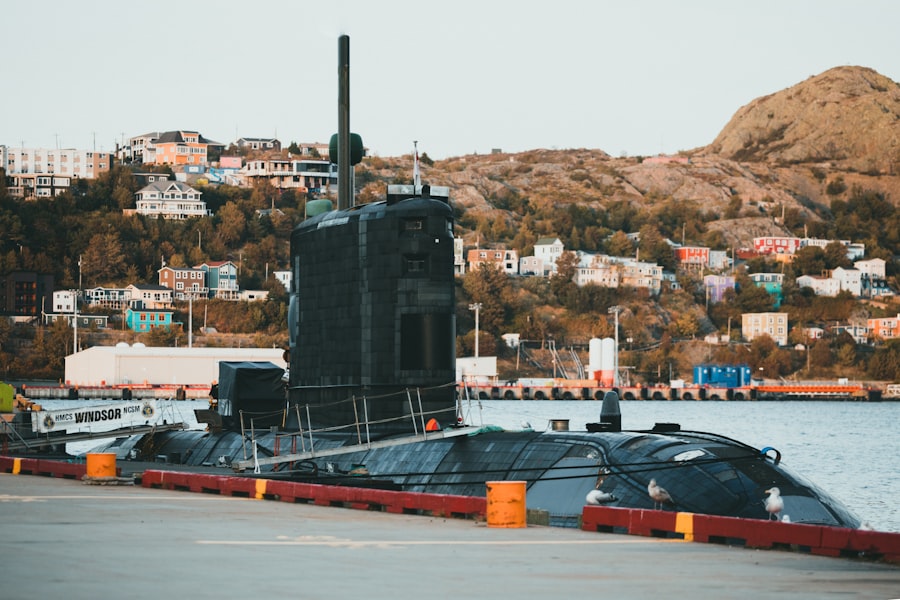
The allocation of budgetary resources for the redesign program will play a pivotal role in its success. Military planners must navigate competing priorities within national defense spending while ensuring that sufficient funds are directed toward submarine modernization efforts. This requires a strategic approach that balances immediate needs with long-term goals.
In recent years, there has been a growing recognition among policymakers of the importance of naval power in national defense strategy. As a result, there may be increased political will to allocate resources toward the redesign program. However, this will also depend on broader economic conditions and public support for military spending.
Engaging stakeholders and demonstrating the strategic necessity of a modernized submarine fleet will be critical in securing funding for this ambitious initiative.
Potential Challenges and Obstacles
Despite its potential benefits, the redesign program is not without challenges and obstacles that could hinder its progress. One significant concern is technological feasibility; developing advanced submarine systems requires cutting-edge research and development capabilities that may not be readily available. Additionally, there may be difficulties in integrating new technologies with existing platforms, leading to delays and increased costs.
Another challenge lies in workforce readiness. The successful implementation of the redesign program hinges on having skilled personnel who can operate and maintain advanced submarine systems. As older generations of engineers and technicians retire, there may be a skills gap that needs to be addressed through training programs and recruitment efforts.
Ensuring that a capable workforce is in place will be essential for realizing the program’s objectives.
Impact of Redesign Program on National Defense
The impact of the redesign program on national defense is expected to be profound. A modernized submarine fleet will enhance deterrence capabilities by providing a credible threat against potential adversaries. With improved stealth and advanced weaponry, these submarines can operate effectively in contested environments, ensuring that national interests are protected.
Furthermore, a revitalized submarine fleet can contribute to broader strategic objectives beyond mere deterrence. It can enhance maritime security operations, support anti-piracy efforts, and participate in joint exercises with allied nations. By projecting power through a capable submarine force, the Soviet Union can strengthen its position on the global stage and foster greater stability in regional waters.
Timeline for Implementation of Redesign Program
Establishing a realistic timeline for implementing the redesign program is crucial for managing expectations and ensuring accountability.
Following this assessment, research and development efforts will commence, potentially spanning several years as new technologies are tested and refined.
It is likely that some submarines will undergo upgrades while others are built from scratch, creating a staggered implementation schedule. Overall, stakeholders should anticipate a multi-year process that requires ongoing evaluation and adjustment as challenges arise.
International Response to Soviet Submarine Redesign
The international response to the Soviet Submarine Redesign Program is likely to be mixed, reflecting varying perspectives on military modernization efforts. Some nations may view this initiative as a legitimate effort to enhance national defense capabilities, while others may perceive it as a threat to regional stability. This divergence in viewpoints could lead to increased tensions among rival powers as they reassess their own naval strategies in light of potential changes in Soviet capabilities.
Moreover, allies and partners may respond with their own modernization initiatives or seek closer collaboration on maritime security issues. The redesign program could prompt discussions about arms control agreements or confidence-building measures aimed at mitigating potential escalations stemming from enhanced military capabilities.
Conclusion and Future Prospects for Soviet Submarine Fleet
In conclusion, the Soviet Submarine Redesign Program represents a critical step toward revitalizing an essential component of national defense strategy. By addressing technological obsolescence and enhancing operational capabilities, this initiative aims to ensure that the submarine fleet remains relevant in an evolving security environment. While challenges exist in terms of funding, workforce readiness, and technological feasibility, the potential benefits are significant.
Looking ahead, the future prospects for the Soviet submarine fleet hinge on successful implementation of the redesign program and effective management of associated challenges. As global maritime dynamics continue to shift, maintaining a modernized submarine force will be vital for safeguarding national interests and asserting influence on the world stage. Ultimately, this program could redefine not only the capabilities of the Soviet submarine fleet but also its role within broader national defense objectives for years to come.
The cost of the Soviet submarine redesign program has been a topic of significant discussion among military analysts and historians. For a deeper understanding of the financial implications and strategic decisions behind such military projects, you can refer to a related article that explores various defense spending initiatives. Check it out here: Soviet Military Spending and Its Implications.
WATCH THIS 🛑 SHOCKING: The KGB Mole Who Made Every Soviet Submarine Visible
FAQs
What was the purpose of the Soviet submarine redesign program?
The Soviet submarine redesign program aimed to modernize and improve the capabilities of existing submarines, enhancing their stealth, weapon systems, and overall performance to keep pace with evolving naval technology and strategic requirements.
When did the Soviet submarine redesign program take place?
The redesign program primarily occurred during the Cold War era, particularly from the 1960s through the 1980s, as the Soviet Navy sought to upgrade its submarine fleet in response to advancements by NATO forces.
What factors influenced the cost of the Soviet submarine redesign program?
Costs were influenced by the complexity of technological upgrades, the scale of modifications, research and development expenses, labor and material costs, and the strategic urgency to maintain naval parity with Western powers.
How much did the Soviet submarine redesign program cost?
Exact figures are difficult to determine due to the secretive nature of Soviet military spending, but estimates suggest that the program required billions of rubles, reflecting a significant portion of the Soviet defense budget during its peak years.
Which types of submarines were included in the redesign program?
The program targeted various classes, including diesel-electric and nuclear-powered submarines, such as the Whiskey, Foxtrot, and early nuclear classes like the November and Victor series.
Did the redesign program improve Soviet submarine capabilities?
Yes, the redesigns enhanced sonar systems, noise reduction, weaponry, and propulsion, making Soviet submarines more competitive and effective in underwater warfare.
How did the cost of the redesign program impact the Soviet economy?
The substantial investment in submarine modernization contributed to the overall military expenditure that strained the Soviet economy, especially during the later years of the Cold War, impacting other sectors and economic stability.
Were there any international reactions to the Soviet submarine redesign program?
NATO and Western naval forces closely monitored Soviet submarine developments, leading to increased naval arms competition and influencing their own submarine design and anti-submarine warfare strategies.
Is there detailed public information available about the program’s budget?
Due to the classified nature of Soviet military projects, detailed budgetary information remains limited, with most data coming from declassified documents, expert analyses, and historical research.