
The following article is written in the third person, without a title, and uses a factual Wikipedia-like style. It addresses the reader directly and incorporates metaphors where appropriate, while maintaining a word count of at least 1,500 words.
The operational effectiveness of any organization, particularly one as complex and vital as the military, hinges not only on its technological prowess and strategic acumen but also on the underlying currents of its administrative culture. This culture, often unseen and underestimated, acts as the bedrock upon which decisions are made, resources are allocated, and directives are executed. In the realm of military efficiency, a stagnant or inefficient administrative culture can act as a brake, slowing progress and diminishing readiness. Therefore, enacting reforms to this ingrained way of working is not an option but a strategic imperative. The following explores the multifaceted nature of reforming administrative culture, focusing on the implementation of filing plans as a critical mechanism for achieving enhanced military efficiency.
To properly address the need for administrative reform, it is essential to first diagnose the persistent challenges that plague many military organizations. These are not abstract problems but manifest in tangible delays, duplicated efforts, and a pervasive sense of inefficiency that can erode morale and compromise operational readiness.
The Legacy of Tradition and Hierarchy
Military structures are, by their very nature, hierarchical and steeped in tradition. While these elements provide order and discipline, they can also foster a resistance to change. The weight of past practices can be considerable, acting as an anchor that holds back the adoption of new methodologies. This is akin to a craftsman meticulously honing a tool that has served its purpose for generations, perhaps overlooking more modern, efficient instruments that could achieve the same, or better, results with less effort.
The “We’ve Always Done It This Way” Syndrome
A common symptom of this inertia is the pervasive “we’ve always done it this way” mentality. This phrase, while often uttered without malice, represents a significant barrier to innovation. It suggests a lack of critical evaluation of existing processes and a disinclination to explore potentially superior alternatives. This adherence to historical precedent can be a formidable obstacle when introducing new administrative systems.
The Comfort of the Familiar
The comfort found in familiar processes, even if suboptimal, can be a powerful deterrent to reform. Employees may have developed routines and ingrained habits that, while perhaps inefficient, require little cognitive effort. Introducing new systems necessitates learning, adaptation, and a potential disruption to established workflows. This can be perceived as an unwelcome burden.
Information Overload and Disorganization
The sheer volume of information generated and processed within military organizations is immense. From operational reports and logistical data to personnel records and strategic planning documents, the constant flow of information can be overwhelming. Without effective systems for organization and retrieval, this data can become a chaotic mess, hindering effective decision-making.
The “Paper Chase” Phenomenon
Despite the increasing digitalization of many processes, the “paper chase” phenomenon still exists in various forms. Important documents can become lost, misfiled, or difficult to locate when needed, leading to significant time delays and potential operational risks. This is like searching for a single grain of sand on a vast beach, a task that is both time-consuming and ultimately frustrating.
Fragmented Digital Archives
Even in digitally driven environments, the lack of standardized filing plans can lead to fragmented and inaccessible digital archives. Documents might be stored in disparate locations, under inconsistent naming conventions, or with insufficient metadata, rendering them difficult to search and utilize effectively. This creates digital “attics” where valuable information gathers dust, inaccessible to those who need it.
The Cost of Inefficiency
The cumulative effect of these administrative shortcomings is a tangible cost in terms of wasted time, lost productivity, and compromised operational effectiveness. These are not merely inconvenimental glitches; they represent a drain on resources that could otherwise be directed towards core military objectives.
In exploring the intricacies of administrative culture within military organizations, a relevant article can be found on the website “In the War Room.” This resource delves into the significance of effective filing plans and their impact on operational efficiency and decision-making processes in military settings. For further insights, you can read the article here: In the War Room.
Implementing Filing Plans: A Blueprint for Order
The introduction of standardized filing plans is a direct and effective method for addressing the organizational chaos that often plagues administrative processes. These plans provide a systematic framework for organizing, storing, and retrieving information, thereby streamlining operations and enhancing efficiency.
Defining the Scope and Purpose
Before any filing plan can be successfully implemented, a clear understanding of its scope and purpose is paramount. This involves identifying the types of documents and information that will be managed, the intended users of the system, and the specific goals that the plan aims to achieve.
Identifying Key Information Categories
The first step involves a comprehensive inventory of the information generated and utilized within the administrative domain. This means categorizing documents based on their function, subject matter, or operational relevance. For example, categories might include “Operations Orders,” “Personnel Records,” “Logistics Manifests,” or “Maintenance Logs.”
Establishing Clear Naming Conventions
Consistent and logical naming conventions are the backbone of an effective filing system. This ensures that documents are easily identifiable and retrievable, regardless of who created them. These conventions should be simple, intuitive, and applicable across all relevant categories. For instance, a naming convention might include the date, document type, and a brief descriptive title.
Defining Retention and Archival Policies
A critical component of any filing plan is the establishment of clear policies regarding document retention and archival. This ensures that information is kept for the appropriate duration to meet legal, operational, and historical requirements, while also facilitating the timely disposal of obsolete or redundant documents.
Developing a Hierarchical Structure
A well-designed filing plan typically employs a hierarchical structure, organizing information from broad categories down to specific subfolders. This layered approach allows for intuitive navigation and efficient retrieval.
Top-Level Folders: Broad Functional Areas
The highest level of the hierarchy should reflect the overarching functional areas of the military organization. These might include departments, directorates, or major operational units. This provides an immediate sense of context for any document found within these areas.
Subfolders: Detailed Subject or Project Organization
Within the top-level folders, subfolders are created to further refine the organization. These can be based on specific projects, ongoing operations, or detailed subject matters. This granular organization ensures that related documents are grouped together, facilitating comprehensive review and analysis.
The Role of Metadata and Tagging
In digital filing systems, metadata and tagging play a crucial role in enhancing searchability and organization. Metadata, such as creation date, author, and keywords, provides additional information about a document, while tags act as descriptive labels that can be applied across different categories. This is akin to adding searchable index cards to a library’s catalog, allowing for multifaceted searches beyond simple folder structures.
Case Studies and Best Practices
Learning from the experiences of others can significantly reduce the trial-and-error associated with implementing new administrative systems. Examining successful implementations of filing plans, both within and outside the military, can provide valuable insights.
Examples of Successful Military Implementations
Researching instances where military branches or units have successfully reformed their filing and information management systems can offer tangible models. This might include studies on how digital document management systems were integrated, or how standardized procedures for physical record-keeping were established and maintained.
Adapting Civilian Best Practices
Many civilian organizations have developed sophisticated information management strategies. Adapting these best practices, with necessary modifications for the military context, can provide a strong foundation for reform. This includes principles of knowledge management, enterprise content management, and data governance.
Overcoming Resistance: Fostering a Culture of Adoption
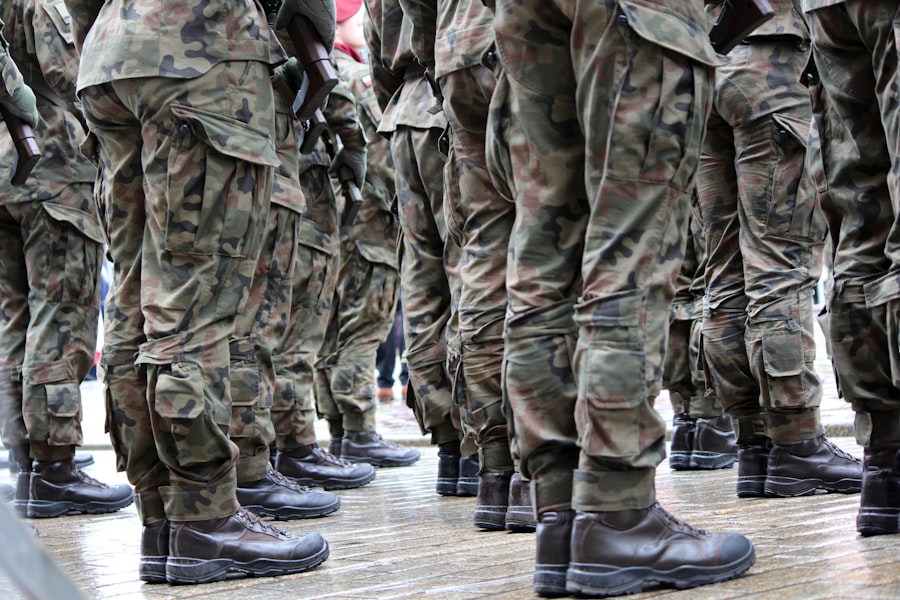
The technical aspects of creating a filing plan are only part of the equation. The success of any reform hinges on the willingness of individuals to adopt and consistently utilize the new system. Overcoming resistance to change is therefore a critical, and often overlooked, element.
Leadership Buy-In and Communication
Effective leadership is the linchpin of any successful organizational change. When leaders champion the reform and actively participate in its implementation, it sends a clear message to the wider organization.
Demonstrating Strategic Importance
Leaders must clearly articulate why these reforms are not merely an administrative exercise but a vital component of enhancing military efficiency and operational readiness. This involves explaining the strategic implications of disorganization and the tangible benefits of an improved filing system.
Visible Support and Participation
Leaders should not only advocate for the reform but also demonstrate their commitment through visible support and active participation in the new system. This could involve conducting training sessions, actively using the filing plan in their own work, and addressing concerns raised by their teams.
Comprehensive Training and Support
A well-designed filing plan is only effective if individuals understand how to use it correctly and consistently. Comprehensive training and ongoing support are therefore essential.
Tailored Training Programs
Training programs should be tailored to the specific needs and roles of different personnel. This could range from introductory sessions for new recruits to more advanced training for administrative staff responsible for managing larger datasets. The training should be practical and hands-on, allowing participants to practice using the system.
Accessibility of Resources and Assistance
Information and assistance should be readily accessible to all users. This could include online tutorials, frequently asked questions (FAQs), dedicated support channels, and designated points of contact for technical issues or procedural clarifications. This acts as a safety net, ensuring that no one is left behind.
Gradual Implementation and Feedback Loops
Introducing radical change all at once can be overwhelming. A phased approach, coupled with mechanisms for collecting and acting on feedback, can foster a smoother transition.
Pilot Programs and Phased Rollout
Implementing the filing plan in pilot programs or through a phased rollout allows for testing and refinement before widespread deployment. This minimizes disruption and allows for the identification of unforeseen challenges.
Establishing Feedback Channels
Creating clear and accessible channels for feedback is crucial. This allows users to voice concerns, report issues, and suggest improvements. A responsive approach to feedback demonstrates a commitment to ongoing refinement and user satisfaction.
The Long-Term Vision: Beyond Filing to Knowledge Management

While filing plans are a cornerstone of administrative efficiency, they are not an end in themselves. The ultimate goal is to evolve towards a more sophisticated system of knowledge management, where information is not just stored but actively leveraged to improve decision-making and drive innovation.
Enhancing Decision-Making Capabilities
An organized and accessible information repository directly contributes to improved decision-making. When data is easily retrievable and well-structured, it allows for more informed analysis and faster responses to critical situations.
Real-Time Access to Critical Data
A properly implemented filing plan, especially in its digital manifestations, can provide real-time access to critical data. This allows commanders and strategists to base their decisions on the most current and accurate information available, rather than relying on outdated or incomplete reports. Imagine a pilot needing to make a rapid altitude adjustment; having immediate access to current flight data, rather than rummaging through old manuals, is a matter of survival.
Streamlining Research and Analysis
The ability to quickly locate relevant documents and data significantly streamlines research and analysis processes. This frees up personnel to focus on higher-level tasks rather than spending excessive time searching for information.
Fostering a Learning Organization
A robust information management system is fundamental to creating a “learning organization” – one that continuously improves by learning from its experiences, both successes and failures.
Documenting Lessons Learned
Effective filing plans facilitate the systematic documentation of lessons learned from operations, exercises, and even administrative processes. This ensures that valuable insights are not lost and can be applied to future endeavors.
Building Institutional Memory
By systematically organizing and preserving historical data and reports, organizations build a strong institutional memory. This allows for continuity and prevents the repetition of past mistakes.
The Role of Technology in Knowledge Management
Modern technology plays a pivotal role in transitioning from simple filing to advanced knowledge management. This includes the use of artificial intelligence, data analytics, and advanced search capabilities.
Utilizing Advanced Search and AI Tools
Embracing technologies like natural language processing (NLP) and machine learning can transform how information is accessed and utilized. These tools can enable more intuitive and context-aware searches, going beyond simple keyword matching.
Developing Integrated Knowledge Platforms
The ultimate aim is to develop integrated knowledge platforms that consolidate information from various sources, making it easily discoverable, shareable, and actionable. This moves beyond siloed databases to a unified ecosystem of information.
In exploring the intricacies of administrative culture within military organizations, one can gain valuable insights from a related article that discusses the significance of effective filing plans. These plans are essential for maintaining order and efficiency in military operations, ensuring that critical information is easily accessible. For a deeper understanding of how these elements interact, you can read more in this informative piece on military administrative practices found at this link.
Measuring Success and Ensuring Sustainability
| Data/Metric | Value |
|---|---|
| Administrative Culture | Efficiency and adherence to protocols |
| Filing Plans | Number of plans filed |
| Military | Defense budget allocation |
The effectiveness of administrative reforms, including the implementation of filing plans, must be quantifiable and sustainable to ensure long-term impact. Without a mechanism for evaluation and continuous improvement, even the best-laid plans can falter over time.
Establishing Key Performance Indicators (KPIs)
To objectively measure the success of filing plan implementation, specific Key Performance Indicators (KPIs) must be defined and tracked. These metrics will provide tangible evidence of improvement.
Time Saved in Document Retrieval
One of the most direct measures of efficiency is the reduction in time taken to retrieve specific documents. By benchmarking retrieval times before and after the implementation of the filing plan, the impact can be clearly demonstrated.
Reduction in Duplicate or Lost Documents
Tracking the incidence of duplicate or lost documents serves as another crucial indicator. A decrease in these occurrences signifies improved organizational control and information integrity.
User Satisfaction Surveys
Gathering feedback directly from users through satisfaction surveys can provide qualitative insights into the effectiveness and usability of the new filing system. This helps identify areas for improvement from the perspective of those who interact with the system daily.
Continuous Improvement and Adaptation
Administrative culture is not static. The need for adaptation and refinement arises as organizational needs evolve and technology advances.
Regular Audits and Reviews
Periodic audits and reviews of the filing system are essential to ensure its continued relevance and effectiveness. This allows for identification of outdated practices or areas where the system may be hindering rather than helping.
Embracing Technological Advancements
The landscape of information management is constantly evolving. Organizations must remain open to integrating new technologies and updating their filing plans and knowledge management systems accordingly. This ensures that they remain at the cutting edge of efficiency.
The Long-Term Impact on Military Readiness
Ultimately, the success of reforming administrative culture through the implementation of filing plans is measured by its impact on overall military readiness.
Enabling Agility and Responsiveness
An efficient administrative system, characterized by organized information and streamlined processes, directly contributes to the military’s agility and responsiveness. This allows for quicker adaptation to changing operational environments and emerging threats.
Optimizing Resource Allocation
By providing clear oversight of information and processes, improved administrative culture enables more accurate resource allocation. This ensures that resources are directed where they are most needed, minimizing waste and maximizing impact.
Strengthening Operational Effectiveness
In conclusion, the methodical implementation of filing plans represents a foundational step in reforming administrative culture. It is a tangible investment in order, clarity, and efficiency, moving the military away from the shadows of disorganization and towards the bright light of optimized operational effectiveness. This is not about mere bureaucratic tidiness; it is about forging a sharper, more capable, and ultimately more secure fighting force.
FAQs
What is administrative culture?
Administrative culture refers to the values, beliefs, and practices that shape the behavior and decision-making processes within an organization’s administrative functions.
What are filing plans in a military context?
Filing plans in a military context refer to the systematic organization and storage of documents, records, and information related to military operations, personnel, logistics, and administration.
How does administrative culture impact filing plans in the military?
The administrative culture within a military organization can influence the development, implementation, and maintenance of filing plans by shaping attitudes towards record-keeping, information management, and adherence to standard operating procedures.
What are the key components of an effective filing plan in the military?
An effective filing plan in the military typically includes clear categorization of documents, standardized naming conventions, secure storage protocols, access controls, and regular review and updates to ensure accuracy and relevance.
Why is it important for the military to have a well-defined administrative culture and filing plans?
A well-defined administrative culture and filing plans are crucial for the military to maintain operational efficiency, accountability, compliance with regulations, and the ability to retrieve and utilize critical information in a timely manner.