Red Flag exercises constitute a fundamental component of United States Air Force training programs, specifically developed to prepare aircrews for contemporary aerial warfare challenges. These training operations replicate actual combat conditions, offering pilots and support staff critical hands-on experience within a safe, monitored setting. The high-intensity, realistic nature of Red Flag exercises enables participants to refine their operational capabilities, evaluate tactical approaches, and gain comprehensive knowledge of air combat operations.
As military tactics and technology advance, these exercises maintain their essential role in ensuring aircrews achieve both technical proficiency and effective integration within broader military operations. Red Flag exercises occur at multiple military installations, with Nellis Air Force Base in Nevada serving as the primary training location.
The comprehensive structure of Red Flag exercises exposes participants to diverse operational scenarios, including air-to-air engagements and close air support missions. This extensive training methodology is crucial for preparing aircrews to handle the variable conditions of actual combat situations, where operational flexibility and rapid decision-making capabilities determine mission outcomes.
Key Takeaways
- Red Flag exercises provide realistic, high-intensity training to prepare Air Force personnel for combat scenarios.
- These exercises have a long history focused on improving combat readiness and operational effectiveness.
- Multiple Air Force units and international partners participate to enhance joint operations and communication skills.
- Realistic scenarios and integrated training help develop leadership, teamwork, and decision-making under pressure.
- Red Flag exercises significantly boost overall Air Force readiness and continue evolving to meet future challenges.
History and Purpose of Red Flag Exercises
The inception of Red Flag exercises dates back to 1975, when the United States Air Force recognized the need for a more effective training program that could better prepare pilots for the realities of combat. The program was developed in response to lessons learned from the Vietnam War, where many pilots faced challenges that were not adequately addressed in traditional training environments. The first Red Flag exercise took place at Nellis Air Force Base, and it quickly became a model for realistic combat training.
The primary purpose of these exercises is to provide aircrews with an opportunity to engage in high-stakes scenarios that closely mimic actual combat conditions. Over the years, Red Flag exercises have evolved significantly, incorporating advancements in technology and changes in warfare tactics. The exercises now include a variety of platforms, from fighter jets to unmanned aerial vehicles, reflecting the diverse capabilities of modern air forces.
The overarching goal remains the same: to enhance the readiness and effectiveness of aircrews by exposing them to challenging situations that require critical thinking, teamwork, and effective communication. By simulating the chaos of combat, Red Flag exercises aim to instill confidence in pilots and support personnel, ensuring they are prepared for any mission they may face.
The Role of Red Flag Exercises in Air Force Training
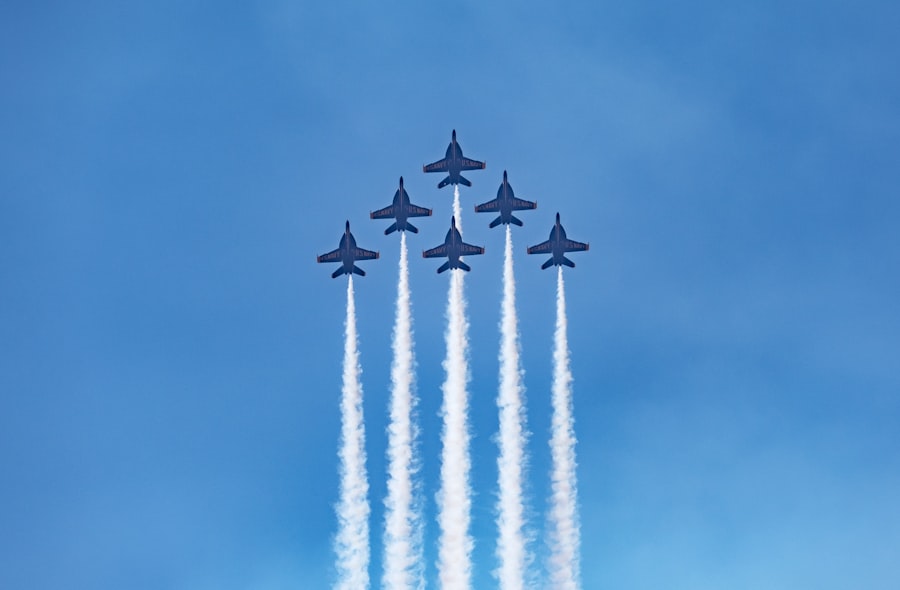
Red Flag exercises play a pivotal role in the overall training framework of the Air Force. They serve as a critical bridge between theoretical knowledge and practical application, allowing aircrews to put their training into action in a realistic setting. During these exercises, participants engage in complex missions that require them to apply their skills under pressure, fostering an environment where learning occurs through experience.
This hands-on approach is essential for developing the competencies needed for successful operations in high-stress situations. Moreover, Red Flag exercises emphasize the importance of teamwork and collaboration among various units. Pilots must work closely with ground support teams, intelligence analysts, and other personnel to execute missions effectively.
This collaborative aspect not only enhances individual skills but also strengthens the overall cohesion of the Air Force as a whole. By participating in these exercises, aircrews learn how to communicate effectively across different roles and responsibilities, which is crucial for success in real-world operations where coordination is key.
Participants and Locations of Red Flag Exercises
Red Flag exercises attract a diverse array of participants from various branches of the military and allied nations. While the primary focus is on U.S. Air Force personnel, other branches such as the Navy, Army, and Marine Corps often take part in these exercises to foster joint operational capabilities.
Additionally, international partners are frequently invited to participate, allowing for a broader exchange of tactics and strategies among allied forces. This multinational participation not only enhances interoperability but also strengthens relationships between allied nations. The primary location for Red Flag exercises is Nellis Air Force Base in Nevada, known for its expansive training ranges and advanced facilities.
However, other locations have also hosted Red Flag exercises over the years, including Eielson Air Force Base in Alaska and Joint Base Elmendorf-Richardson. Each location offers unique training environments that contribute to the overall effectiveness of the exercises. The varied terrains and climates encountered at these bases provide participants with opportunities to adapt their tactics to different operational contexts, further enhancing their readiness for deployment.
The Importance of Realistic Scenarios in Red Flag Exercises
| Exercise Name | Location | Duration | Participating Countries | Number of Aircraft | Primary Objectives | Frequency |
|---|---|---|---|---|---|---|
| Red Flag 21-1 | Nellis Air Force Base, Nevada, USA | 3 weeks | 10+ | 100+ | Air combat training, joint operations, electronic warfare | Biannual |
| Red Flag 22-2 | Nellis Air Force Base, Nevada, USA | 3 weeks | 12 | 120 | Multi-domain operations, interoperability, tactics development | Biannual |
| Red Flag Alaska 21-3 | Eielson Air Force Base, Alaska, USA | 2 weeks | 8 | 80 | Arctic environment training, air-to-air combat, joint exercises | Annual |
| Red Flag 23-1 | Nellis Air Force Base, Nevada, USA | 3 weeks | 15 | 130 | Advanced threat simulation, coalition integration, electronic warfare | Biannual |
One of the defining features of Red Flag exercises is their commitment to realism. The scenarios presented during these exercises are meticulously crafted to reflect potential real-world threats and challenges that aircrews may encounter during actual combat operations. This emphasis on realism is crucial for preparing pilots and support personnel for the unpredictability of warfare.
By engaging in scenarios that closely mirror potential conflicts, participants can develop strategies and responses that are applicable in real-life situations. The realistic nature of Red Flag exercises also serves to build confidence among aircrews. When pilots experience high-pressure situations in a controlled environment, they can learn how to manage stress and make critical decisions under duress.
This experience is invaluable when they eventually face similar circumstances in actual combat. Furthermore, realistic scenarios encourage participants to think creatively and adapt their tactics on the fly, fostering a mindset that is essential for success in dynamic operational environments.
The Integration of Multiple Air Force Units in Red Flag Exercises
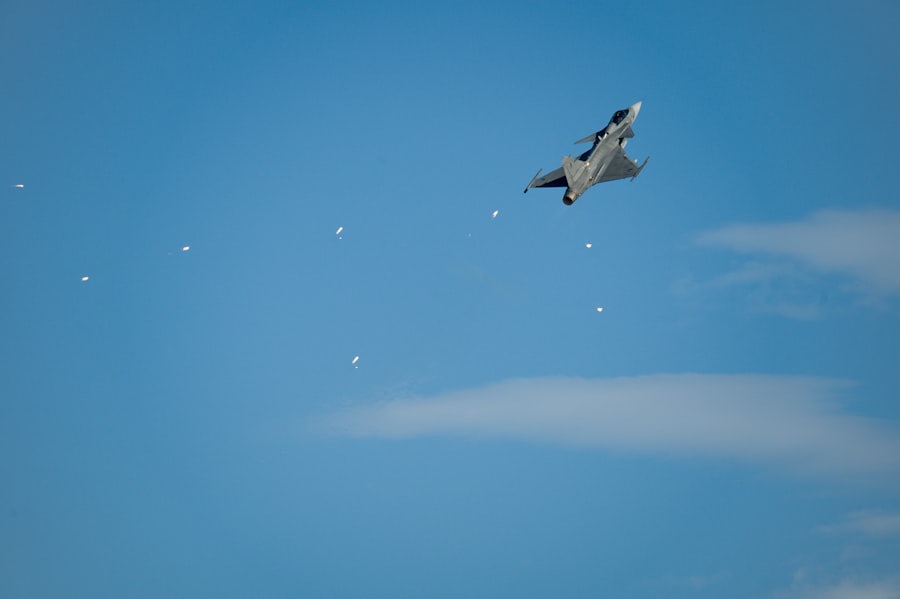
Red Flag exercises are characterized by their integration of multiple Air Force units, which enhances the training experience for all participants involved. By bringing together various squadrons and specialties, these exercises create an environment where aircrews can learn from one another and share best practices. This cross-pollination of ideas and techniques is vital for fostering innovation within the Air Force and ensuring that all units are operating at peak efficiency.
The integration of multiple units also reflects the collaborative nature of modern military operations. In real-world scenarios, aircrews must work alongside different branches and specialties to achieve mission objectives. Red Flag exercises simulate this collaborative environment by requiring participants to coordinate their efforts effectively.
The Role of Red Flag Exercises in Developing Leadership and Communication Skills
Leadership and communication are critical components of successful military operations, and Red Flag exercises provide an ideal platform for developing these essential skills. During these exercises, participants are often placed in leadership roles that require them to make quick decisions while managing their teams effectively. This hands-on experience allows individuals to refine their leadership styles and learn how to motivate others under pressure.
Effective communication is equally important during Red Flag exercises, as aircrews must relay information quickly and accurately to ensure mission success. Participants learn how to convey critical data regarding enemy positions, weather conditions, and tactical changes in real-time. This emphasis on communication fosters a culture of collaboration where team members feel empowered to share insights and feedback openly.
As a result, participants leave Red Flag exercises not only as better pilots but also as more effective leaders who can navigate complex operational challenges.
The Impact of Red Flag Exercises on Air Force Readiness and Capability
The impact of Red Flag exercises on Air Force readiness cannot be overstated. By providing realistic training opportunities that closely mimic actual combat scenarios, these exercises ensure that aircrews are well-prepared for deployment. The skills developed during Red Flag exercises translate directly into improved performance during real-world missions, enhancing overall operational capability.
Moreover, Red Flag exercises contribute to a culture of continuous improvement within the Air Force. After each exercise, participants engage in debriefings where they analyze performance outcomes and identify areas for growth. This reflective practice allows aircrews to learn from their experiences and implement changes that enhance future performance.
As a result, Red Flag exercises play a crucial role in maintaining a high state of readiness within the Air Force while fostering an environment where innovation and adaptation are encouraged.
Lessons Learned from Red Flag Exercises
The lessons learned from Red Flag exercises are invaluable for shaping future training programs and operational strategies within the Air Force. Each exercise generates a wealth of data regarding participant performance, mission outcomes, and areas for improvement. This information is meticulously analyzed by military leaders who use it to inform decision-making processes at all levels.
One key lesson often highlighted during debriefings is the importance of adaptability in dynamic environments. Participants frequently encounter unexpected challenges during Red Flag exercises that require them to adjust their tactics on the fly. This experience reinforces the need for flexibility in planning and execution—an essential trait for success in modern warfare where conditions can change rapidly.
The Future of Red Flag Exercises in Air Force Training
As military operations continue to evolve with advancements in technology and changes in global threats, the future of Red Flag exercises will likely see further innovations aimed at enhancing training effectiveness. The integration of virtual reality (VR) and simulation technologies may play a significant role in shaping future iterations of these exercises. By incorporating cutting-edge technology into training scenarios, aircrews can experience even more immersive environments that replicate real-world conditions.
Additionally, as geopolitical landscapes shift, Red Flag exercises may increasingly focus on joint operations with allied forces from around the world. This emphasis on multinational collaboration will not only enhance interoperability but also prepare aircrews for potential coalition operations in future conflicts. By adapting to emerging trends and challenges within warfare, Red Flag exercises will continue to serve as a vital component of Air Force training well into the future.
The Value of Red Flag Exercises in Preparing Air Force Personnel for Real-World Scenarios
In conclusion, Red Flag exercises hold immense value in preparing Air Force personnel for the complexities of modern warfare. Through realistic training scenarios that emphasize teamwork, leadership development, and effective communication, these exercises equip aircrews with the skills necessary for success in high-stakes environments. The integration of multiple units fosters collaboration while enhancing overall operational readiness within the Air Force.
As military operations evolve alongside advancements in technology and shifting geopolitical landscapes, Red Flag exercises will remain an essential component of Air Force training programs. By continuously adapting to new challenges and incorporating lessons learned from past experiences, these exercises will ensure that aircrews are well-prepared for any mission they may face in real-world scenarios. Ultimately, the commitment to excellence demonstrated through Red Flag exercises underscores the Air Force’s dedication to maintaining a highly capable force ready to respond effectively to any threat or challenge that arises.
The recent Red Flag Air Force exercises have garnered significant attention for their role in enhancing the readiness and capabilities of U.S. and allied forces. These exercises simulate realistic combat scenarios, allowing pilots and support crews to hone their skills in a controlled environment. For a deeper understanding of the strategic implications of such exercises, you can read more in this related article on In The War Room.
WATCH THIS! 🎬 The Day Speed Died: How One Jet Changed Air Combat Forever
FAQs
What is the Red Flag Air Force exercise?
Red Flag is a premier air combat training exercise hosted by the United States Air Force. It provides realistic combat training for pilots and aircrews from the U.S. and allied nations.
Where is Red Flag conducted?
Red Flag exercises are primarily conducted at Nellis Air Force Base in Nevada, USA.
Who participates in Red Flag exercises?
Participants include U.S. Air Force units, other branches of the U.S. military, and allied air forces from various countries around the world.
What is the purpose of Red Flag exercises?
The main goal is to improve combat readiness and survivability by simulating realistic air combat scenarios, allowing pilots to practice tactics, techniques, and procedures in a controlled environment.
How often are Red Flag exercises held?
Red Flag exercises are typically held two to three times per year.
What types of aircraft are involved in Red Flag?
A wide range of aircraft participate, including fighter jets, bombers, reconnaissance planes, and support aircraft from multiple nations.
Are Red Flag exercises open to the public?
Red Flag exercises are military training events and are generally not open to the public, though media coverage and official releases may provide information and imagery.
How long has Red Flag been conducted?
Red Flag exercises began in 1975 and have been held regularly since then to enhance air combat training.
What makes Red Flag different from other military exercises?
Red Flag is unique due to its scale, realism, and the integration of multinational forces, providing a comprehensive and challenging training environment.
Do Red Flag exercises include ground and naval forces?
While primarily focused on air combat, Red Flag exercises often incorporate joint operations with ground and naval forces to simulate integrated combat scenarios.