Here is an article about the recovery of the K-129 submarine’s nuclear torpedoes, written in the third person with a factual style and employing the requested formatting and word count.
The Cold War, a period of geopolitical tension and ideological struggle, cast a long shadow over global affairs for decades. Within this tense atmosphere, naval operations, particularly those involving submerged assets, became a critical component of power projection and intelligence gathering. Submarines, the silent hunters of the deep, played a pivotal role, and their loss, especially when carrying advanced weaponry, presented a unique and complex set of challenges. One such event, shrouded in the secrecy of the era, involved the Soviet submarine K-129 and the ultimate fate of its formidable cargo: nuclear torpedoes.
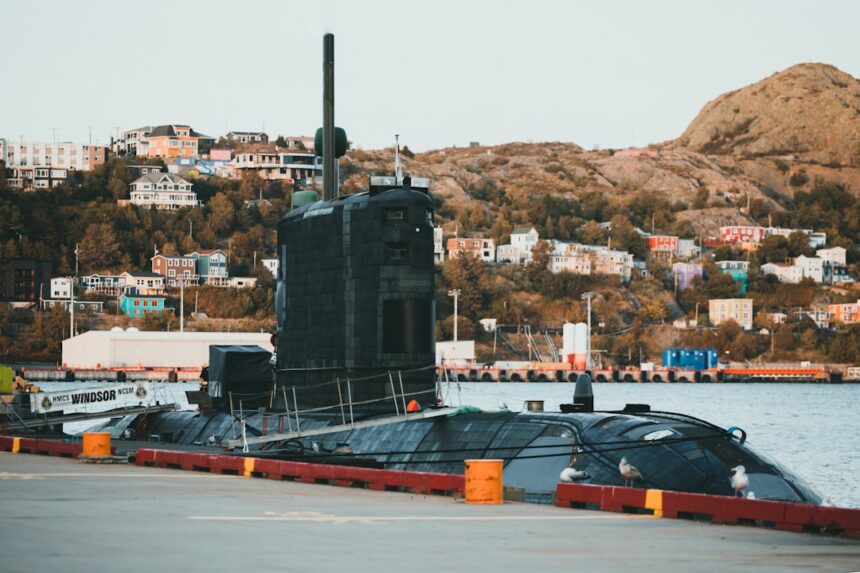
The Soviet Project 629 submarine (NATO reporting name Golf II) K-129 met its end under circumstances that remain somewhat elusive, a common characteristic of naval incidents during the Cold War. The vessel, a diesel-electric ballistic missile submarine, was on patrol in the Pacific Ocean when it vanished. Its last known position placed it in international waters, hundreds of miles northwest of Hawaii. The exact cause of its demise is a subject of speculation within naval historical circles, with theories ranging from structural failure due to a hull breach to a collision with an unknown object, or even an internal explosion. Whatever the catalyst, the K-129 sank to the ocean floor, taking its crew and its controversial payload with it.
A Silent Sentinel on the Seabed
The sinking of any warship is a tragic event, but the loss of a submarine like the K-129 carried additional weight due to its strategic implications. As part of the Soviet Union’s naval arsenal, the K-129 was armed with conventional torpedoes and, critically, three Submarine-Launched Ballistic Missiles (SLBMs) – though the focus of this discussion is on its secondary armament. More pertinent to the subsequent recovery effort were the two nuclear-tipped torpedoes it carried. These weapons, designed as a potent deterrent and a fearsome offensive capability, represented a significant technological and political concern if they were to fall into the wrong hands or, more immediately, if their radioactive components were to degrade and contaminate the ocean environment. The seabed, in this instance, became a silent, unyielding tomb for both the vessel and its volatile cargo.
The Strategic Context of the Loss
The Cold War was not merely a battle of ideologies; it was a relentless arms race. The development and deployment of nuclear weapons, including those that could be launched from beneath the waves, were paramount for both the United States and the Soviet Union. The loss of a submarine carrying such weaponry, even if it remained on the seabed, presented a significant intelligence windfall for any nation capable of accessing it. For the United States, a rival power, the prospect of the Soviets recovering their lost technology was a disturbing thought. Conversely, if the K-129’s nuclear torpedoes were to become compromised due to the immense pressure and corrosive environment of the deep ocean, the environmental implications would be dire, a silent, radioactive poison spreading through the marine ecosystem.
The Unseen Race Beneath the Waves
The discovery of the K-129’s resting place ignited a clandestine operation, a race against time and against a rival superpower. The United States, through its sophisticated intelligence gathering capabilities, was able to pinpoint the location of the sunken submarine. This discovery was not a matter of chance but the result of meticulous analysis of sonar data, satellite imagery, and other intelligence streams. The realization that the K-129 lay on the seafloor, carrying its nuclear payload, initiated a complex planning phase for a recovery mission that would push the boundaries of deep-sea engineering and subsea operations. The ocean floor, a vast and unforgiving frontier, was now the stage for a high-stakes, covert drama.
The recovery of the K-129 submarine and its nuclear torpedoes has been a subject of intrigue and speculation for decades, shedding light on Cold War naval operations. For a deeper understanding of the implications and historical context surrounding this event, you can read a related article that explores the complexities of underwater recovery missions and their geopolitical significance. Check it out here: In The War Room.
The Project Azorian Operation
The United States’ response to the discovery of the K-129 was the initiation of Project Azorian, one of the most audacious and expensive covert operations ever undertaken by the Central Intelligence Agency (CIA). The primary objective was twofold: to recover as much of the submarine as possible, especially the nuclear torpedoes, and to obtain intelligence from its sensitive equipment and documents. The complexity of the undertaking was immense, akin to performing surgery on a giant, sunken beast in the deepest, darkest part of the ocean. The sheer scale of the engineering challenge set this project apart from any previous deep-sea recovery attempt.
The Quest for a Gigantic Grappler
The immediate technical hurdle was the retrieval of a submarine from extreme depths. Conventional salvage methods were insufficient. The K-129 rested at a depth of approximately 16,000 feet (almost 5,000 meters), a pressure that would crush any standard submersible. This necessitated the development of a custom-built recovery vehicle. The centerpiece of Project Azorian was a massive, specially constructed vessel named the Glomar Explorer. This ship, disguised as a deep-sea mining research vessel, was equipped with an innovative lifting system designed to grapple and hoist the submarine. This system, a marvel of engineering for its time, was the key to unlocking the secrets held by the ocean’s depths.
The Role of the Glomar Explorer
The Glomar Explorer was not merely a ship; it was a mobile deep-sea work platform. Its unique design featured a large moon pool, an opening in the center of the hull through which the recovery equipment could be deployed and operated. This allowed for operations in rough seas, a crucial factor in the unpredictable Pacific Ocean. The ship’s stability systems and advanced positioning technology were essential for maintaining a steady platform above the wreck site, allowing the delicate maneuvers required for the recovery. It was the lifeline that connected the surface world to the sunken graveyard of the K-129.
Designing the Claw: The Capture Vehicle
The most critical piece of equipment for Project Azorian was the “capture vehicle,” a colossal grappling device. This massive structure, designed to resemble a giant claw, was lowered from the Glomar Explorer to grip and lift the K-129. The design and construction of this apparatus were paramount, as it needed to be strong enough to withstand the immense weight of the submarine and precise enough to secure its target without causing further damage or losing vital components. The engineering team faced the daunting task of creating a tool that could operate effectively in an environment where direct human intervention was impossible.
The Challenges of Remote Retrieval
Operating a device thousands of feet below the surface presented a multitude of challenges. All commands were transmitted remotely, requiring sophisticated sonar and communication systems. The immense distance between the surface and the seabed meant significant delays in feedback, demanding exceptional skill and patience from the operators. The slightest miscalculation could have catastrophic consequences, jeopardizing the entire mission. The success of the recovery hinged on the reliability of these remote systems and the expertise of the individuals controlling them, like skilled puppeteers manipulating a marionette in the abyss.
Recovering the Nuclear Torpedoes
The primary objective of Project Azorian, from a strategic perspective, was the retrieval of the K-129’s nuclear torpedoes. These weapons, if not properly secured, posed a significant environmental and security risk. The operation was meticulously planned to prioritize the recovery of these specific components. The immense pressure and corrosive nature of the deep ocean meant that the integrity of the torpedoes was a constant concern.
A delicate Extraction
The recovery of the nuclear torpedoes was a separate, though integrated, phase of the overall operation. While the initial goal was to lift a significant portion of the submarine, the focus soon shifted to carefully extricating the torpedoes from their launch tubes. This was an exceptionally delicate process, as any breach of their casings could have led to the dispersal of radioactive material. Specialized remotely operated vehicles (ROVs) were likely employed to assist in this meticulous task, working in tandem with the larger lifting mechanism. The process demanded surgeons’ precision applied with industrial-grade tools.
The Environmental Imperative
The potential for a nuclear accident, even on the seabed, was a driving force behind the recovery effort. The materials within a nuclear warhead, while designed for stability, could degrade over extremely long periods. The concern was that if the torpedoes were compromised, radioactive isotopes would leak into the surrounding ocean, creating a long-lasting environmental hazard. The recovery aimed to prevent such a scenario, acting as a preemptive strike against a potential ecological disaster. It was about cleaning up a potential mess before it could truly manifest.
Securing the Warheads
Once retrieved, the nuclear torpedoes would have required immediate and specialized handling. The nature of the radioactive materials necessitates strict containment protocols to prevent any exposure. The recovered warheads would have been transported to secure facilities for analysis and safe disposal, likely involving highly trained personnel and specialized equipment. The journey from the ocean floor to a secure onshore location was as critical as the retrieval itself.
The Limited Success and Continued Secrecy
Project Azorian was a remarkable feat of engineering and covert operations, but its complete success remains a subject of debate. While a portion of the K-129 was indeed recovered, the outcome was not as comprehensive as initially envisioned. The immense challenges of deep-sea recovery meant that not all of the submarine could be brought to the surface intact. The secrecy surrounding the operation, a hallmark of the Cold War, has also contributed to the lingering questions about its ultimate achievements.
A Partial Haul
Reports suggest that during the recovery attempt, the K-129 broke apart under the immense strain of the lifting process. While a significant section of the submarine, including some of its internal compartments, was successfully brought aboard the Glomar Explorer, the majority of the vessel, and crucially, the nuclear torpedoes, may not have been fully recovered. Some assessments indicate that the torpedoes remained on the seabed, a silent testament to the challenges of the operation. The ocean floor, in its vast immensity, retained a part of its secrets.
The “Moon Pool” Retrieval
The recovered section of the K-129 was lifted through the Glomar Explorer‘s moon pool. This allowed for a controlled ascent from the abyssal depths. The recovered material was then examined for intelligence and to assess the full extent of the loss. The information gleaned from this recovered section provided valuable insights into Soviet submarine technology and operational procedures of the era. It was a partial victory, a window into the enemy’s world, even if the entire prize remained elusive.
The Aftermath and Intelligence Gains
Despite the partial recovery, Project Azorian yielded significant intelligence dividends for the United States. The retrieved components of the K-129 provided invaluable data on Soviet naval technology, including its sonar systems, communication equipment, and engineering designs. This intelligence was crucial for the ongoing arms race, allowing the US to better understand and counter Soviet military capabilities. The insights gained were akin to deciphering a vital enemy code.
Secrecy as a Shield
The entire operation was conducted under extreme secrecy, with the public unaware of the colossal effort mounted on the high seas. The cover story of deep-sea mining provided a plausible explanation for the presence of the Glomar Explorer and its unusual activities. This secrecy was not merely for operational security but also to avoid any international incident or public outcry. The true nature of Project Azorian remained a closely guarded secret for decades.
The recovery of the K-129 submarine and its nuclear torpedoes has been a topic of intrigue and speculation for decades, shedding light on Cold War naval operations. For those interested in exploring this fascinating subject further, a related article provides an in-depth analysis of the recovery efforts and the implications for military strategy. You can read more about it in this insightful piece on naval history.
The Lingering Questions and Legacy
| Metric | Details |
|---|---|
| Submarine Name | K-129 |
| Type | Golf II-class ballistic missile submarine |
| Incident Date | March 1968 |
| Location of Sinking | North Pacific Ocean, approximately 1,560 nautical miles northwest of Hawaii |
| Depth of Wreck | Approximately 16,500 feet (5,000 meters) |
| Recovery Operation Name | Project Azorian (also known as Project Jennifer) |
| Recovery Vessel | Glomar Explorer |
| Recovery Year | 1974 |
| Recovered Items | Partial section of the submarine including two nuclear torpedoes and cryptographic materials |
| Recovery Depth Capability | Up to 20,000 feet (6,100 meters) |
| Significance | One of the deepest and most secretive salvage operations in history, aimed at recovering Soviet nuclear technology |
The story of the K-129 and Project Azorian is a compelling narrative of Cold War intrigue, technological ambition, and the inherent risks of deep-sea operations. The success of the mission in recovering the nuclear torpedoes, or the extent to which they remain on the seabed, continues to be a subject of discussion and speculation among historians and naval experts. The legacy of this operation is multifaceted, highlighting both the ingenuity of human endeavor and the enduring mysteries of the ocean.
The Unrecovered Payload
The most significant lingering question revolves around the ultimate fate of the K-129’s nuclear torpedoes. While the operation aimed to recover them, the partial success of the retrieval suggests that at least some, if not all, of these weapons may still lie on the ocean floor. The potential environmental impact of these unrecovered warheads, though likely minimal due to the stability of their components over the decades, remains a subtle concern. The sea, in its vastness, holds these silent, potentially dangerous, artifacts.
The Specter of Radioactive Contamination
While modern nuclear warheads are designed for extreme durability, the immense long-term stresses of deep-sea submersion and the corrosive effects of saltwater could theoretically lead to degradation over extended periods. However, it is generally accepted that the fissile material within the warheads would remain largely contained unless the casings were significantly breached. The probability of a widespread radioactive release from these relatively intact torpedoes on the seabed is considered low, but the theoretical possibility remains a point of discussion.
A Testament to Deep-Sea Capabilities
Regardless of the complete success in recovering the torpedoes, Project Azorian stands as a monumental achievement in the history of deep-sea exploration and salvage. It demonstrated that humanity possessed the capability to operate at unprecedented depths and to retrieve massive objects from the ocean floor. This operation pushed the boundaries of what was thought possible and paved the way for future advancements in subsea technology.
The Dawn of a New Era in Salvage
The techniques and technologies developed for Project Azorian, particularly the advanced lifting systems and remote operation capabilities, had a lasting impact on the field of deep-sea salvage. The lessons learned from this complex undertaking informed subsequent missions, making safer and more effective retrieval of sunken vessels and valuable cargo a more tangible prospect. It was a trial by fire that forged new pathways.
The Enduring Enigma of the Cold War
The story of the K-129 and Project Azorian is a microcosm of the clandestine nature of the Cold War. It encapsulates the tension, the technological race, and the covert operations that characterized this era. The operation’s enduring secrecy and the unresolved questions surrounding the full recovery of the nuclear torpedoes ensure that this chapter of history continues to captivate the imagination and serve as a reminder of the complex and often hidden dimensions of global power struggles. The ocean floor, a silent witness to history, holds secrets that even the most ambitious human endeavors cannot always fully unveil.
WARNING: The $800 Million Mechanical Failure That Almost Started WWIII
FAQs
What was the K-129 submarine?
The K-129 was a Soviet Golf II-class ballistic missile submarine that sank in the Pacific Ocean in 1968 under mysterious circumstances.
Why was the recovery of K-129’s nuclear torpedoes significant?
The recovery was significant because it involved retrieving sensitive Soviet nuclear weapons and technology during the Cold War, providing valuable intelligence to the United States.
Which operation was responsible for the recovery of the K-129 submarine’s torpedoes?
The recovery was part of a secret U.S. Navy and CIA operation called Project Azorian, conducted in 1974 using the specially designed ship Hughes Glomar Explorer.
What challenges were faced during the recovery operation?
The operation faced technical difficulties due to the extreme depth of the ocean floor (about 16,500 feet), the fragile condition of the submarine wreck, and the need for secrecy during the Cold War.
Was the entire K-129 submarine recovered?
No, only a portion of the submarine was recovered. The recovery attempt was only partially successful, with some parts of the submarine and its contents retrieved, while other sections remained on the ocean floor.