The news that a record $14 billion has been allocated to military history preservation and technological advancement has sparked considerable discussion. This unprecedented investment signals a significant shift in how nations are approaching the complex and multifaceted domain of their military past. The allocation is not a monolithic sum; rather, it is distributed across a broad spectrum of initiatives, from the meticulous restoration of historical artifacts to the cutting-edge development of simulation and artificial intelligence for military historical analysis.
This substantial financial commitment underscores a perceived need to better understand, preserve, and leverage the lessons of past conflicts. It acknowledges that military history is not merely a collection of dates and battles but a dynamic and evolving field of study with profound implications for present-day strategic thinking, technological development, and national identity. The sheer scale of the funding suggests a strategic imperative, moving beyond localized museum exhibits and academic pursuits to encompass a more comprehensive and integrated approach to military heritage.
The Scope of a Historic Investment
The $14 billion figure represents a convergence of factors, including an increased awareness of the fragility of historical records, the growing sophistication of digital preservation techniques, and a recognition of the potential for advanced computational tools to unlock new insights from historical data. This investment is poised to impact various sectors, from the tangible preservation of physical assets to the intangible benefits derived from sophisticated analysis.
Preservation of Physical Heritage
A significant portion of the funding is directed towards the physical preservation of military history. This encompasses a wide array of assets, from the smallest battlefield artifacts to the largest historical vessels and aircraft.
National Archives and Museums
Institutions responsible for safeguarding military records, documents, and artifacts are set to receive substantial boosts. This includes funding for climate-controlled storage, advanced cataloging systems, and conservation expertise. These efforts aim to protect materials from degradation and ensure their long-term accessibility for researchers and the public.
Digitization and Access Initiatives
A key component of physical preservation is digitization. Billions are earmarked for scanning documents, creating high-resolution imagery of artifacts, and developing robust digital archives. This process not only safeguards original materials but also democratizes access, allowing a global audience to engage with military history without the need for physical travel. The objective is to create searchable, interconnected databases that facilitate interdisciplinary research.
Restoration of Historical Sites and Structures
Battlefields, fortifications, and former military installations are significant tangible links to the past. This funding will support the preservation and, where appropriate, restoration of these sites, ensuring that they remain as historically accurate and accessible as possible. This includes structural repairs, landscape restoration to reflect historical conditions, and the development of visitor facilities that enhance educational experiences.
Archaeological Investigations
In areas with significant military historical importance, funding will also support archaeological investigations. These efforts aim to uncover new information about past events, understand the material culture of soldiers and civilians, and provide a more nuanced understanding of the human experience of conflict.
Conservation of Military Hardware
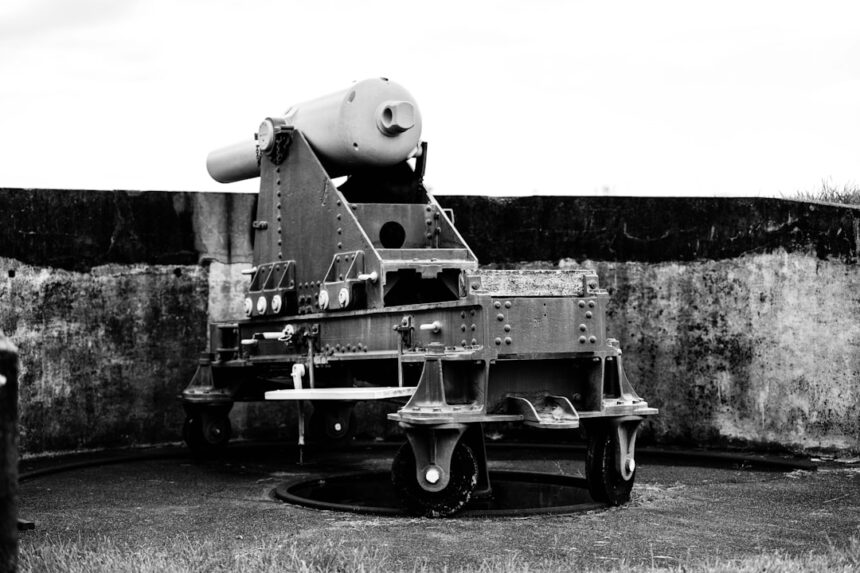
A substantial segment of the investment will focus on the conservation of historical military hardware. This includes aircraft, naval vessels, armored vehicles, and weaponry. The challenge lies not only in preventing further deterioration but also in maintaining the historical integrity of these complex machines, often requiring specialized engineering and material science expertise.
Restoration for Display and Research
Many pieces of military hardware will undergo restoration to a condition suitable for public display in museums or for use in historical reenactments. Equally important is the restoration of hardware for research purposes, allowing engineers and historians to study their design, performance, and operational history in detail.
Technological Advancement and Analysis
Beyond the preservation of physical artifacts, a substantial portion of the $14 billion is allocated to leveraging advanced technology for the study, analysis, and understanding of military history. This marks a significant departure from traditional methods, embracing the potential of the digital age.
Digital Archives and Databases
The development of expansive, interoperable digital archives is a priority. These platforms will house digitized documents, photographs, oral histories, and data from archaeological excavations. The aim is to create a comprehensive repository that allows for sophisticated data mining and analysis.
Semantic Search and Natural Language Processing
Sophisticated algorithms, including semantic search and natural language processing (NLP), are being developed to enable researchers to query these archives with unprecedented precision. NLP allows for the understanding of context and meaning within historical texts, uncovering connections and patterns that might be missed by human analysis alone.
Simulation and Virtual Reality
A significant investment is being made in simulation and virtual reality (VR) technologies. These tools are not intended for historical entertainment but for serious analytical purposes.
Reenacting Battles and Operations
Researchers can use advanced simulation to digitally reenact historical battles and military operations. By inputting detailed data on terrain, troop movements, weapon performance, and logistical constraints, these simulations can test historical hypotheses, explore alternative outcomes, and gain a deeper understanding of the factors that contributed to success or failure.
Immersive Historical Environments
Virtual reality offers the possibility of creating immersive historical environments. This allows researchers to experience historical settings in a way that goes beyond reading descriptions or viewing static images. It can aid in understanding the perception of soldiers in combat or the logistical challenges of operating in specific environments.
Artificial Intelligence and Machine Learning
The application of artificial intelligence (AI) and machine learning (ML) to military history is a transformative aspect of this funding. These technologies are being employed to identify patterns, predict trends, and extract insights from vast and complex historical datasets.
Trend Analysis and Predictive Modeling
AI can be used to analyze historical military spending, technological development cycles, and the outcomes of different strategic approaches. This can help in identifying recurring patterns and potentially inform future strategic decision-making by providing data-driven insights into the long-term consequences of certain military policies.
Sentiment Analysis of Historical Documents
Machine learning algorithms can be employed to perform sentiment analysis on historical documents, such as soldier diaries and contemporary news reports. This can provide insights into the morale, attitudes, and psychological impact of conflict on individuals and societies.
Identifying Weaknesses and Strengths
By analyzing the performance of different military units, technologies, and strategies over time, AI can help identify recurring weaknesses and strengths. This can offer valuable lessons for contemporary military planning and development.
The recent $14 billion signal military history highlights the significant investments made in defense technologies and capabilities, reflecting the evolving nature of warfare. For further insights into the implications of such funding and its impact on military strategy, you can read a related article on this topic at In the War Room. This article delves into the historical context and future prospects of military expenditures, providing a comprehensive overview of how these financial commitments shape global security dynamics.
Rationale Behind the Record Investment
The rationale behind such a substantial allocation to military history is multifaceted, encompassing strategic, educational, and societal imperatives. It reflects a growing understanding of the enduring relevance of past experiences to contemporary challenges.
Enhancing Strategic Decision-Making
One of the primary drivers for this investment is the belief that a deeper understanding of military history can significantly enhance contemporary strategic decision-making. Past conflicts offer a rich laboratory for testing theories of warfare, leadership, and international relations.
Lessons from Past Conflicts
The study of past campaigns, strategies, and tactical deployments provides invaluable case studies. By analyzing what worked and what did not in different historical contexts, modern strategists can gain a more informed perspective on current and future geopolitical challenges. This includes understanding the dynamics of deterrence, escalation, and conflict resolution.
Understanding the Evolution of Warfare
Military history allows for the tracing of the evolution of warfare, from ancient engagement to modern asymmetrical conflicts. This historical perspective is crucial for understanding how technological advancements, political ideologies, and societal changes have shaped the nature of combat over centuries.
Avoiding Past Mistakes
Perhaps the most pragmatic rationale is the desire to avoid repeating the costly mistakes of the past. By thoroughly analyzing the causes and consequences of historical military failures, policymakers and military leaders can strive to implement strategies that are more likely to achieve desired outcomes and minimize unnecessary loss of life and resources.
Case Studies in Strategic Blunders
Specific historical blunders, such as ill-conceived invasions, flawed intelligence assessments, or miscalculations in diplomacy, serve as potent cautionary tales. The detailed analysis of these events, made possible by enhanced historical resources, provides actionable insights into risk assessment and strategic planning.
Fostering National Identity and Memory
Military history is intrinsically linked to national identity and collective memory. The preservation and study of this heritage play a crucial role in shaping how nations understand their past, their roles in global events, and their enduring values.
Preserving National Narratives
The historical narrative of a nation’s military endeavors often forms a significant part of its identity. The investment ensures that these narratives are preserved accurately and are accessible to future generations, allowing them to understand the sacrifices made and the challenges overcome.
Memorialization and Commemoration
Funding for historical preservation also supports memorialization and commemoration initiatives. This allows for the remembrance of those who served, the acknowledgment of significant historical events, and the public recognition of the impact of military actions on society.
Education and Public Engagement
A robust understanding of military history is vital for civic education. This funding aims to create more engaging and accessible educational resources, enabling citizens to better understand the complexities of conflict and the role of the military in national and international affairs.
Museum Exhibits and Educational Programs
New and enhanced museum exhibits, interactive displays, and educational programs will emerge from this investment, making military history more relatable and understandable for a wider audience, including students and the general public.
The recent $14 billion signal in military history has sparked discussions about the evolving landscape of defense spending and its implications for global security. This significant investment highlights the increasing importance of advanced technologies and strategic capabilities in modern warfare. For those interested in a deeper analysis of military funding trends and their historical context, a related article can be found at In The War Room, which delves into the complexities of military expenditures and their impact on international relations.
Driving Technological Innovation and Research
The infusion of funds into military history is not solely about looking backward; it also serves as a catalyst for future technological innovation and research, particularly in leveraging advanced computational tools for historical analysis.
Development of Advanced Analytical Tools
The pursuit of deeper historical understanding necessitates the development of sophisticated analytical tools. This funding fosters research into AI, ML, data science, and simulation technologies, pushing the boundaries of what is possible in historical research.
Interdisciplinary Research Collaboration
The nature of military history necessitates an interdisciplinary approach. This investment is expected to foster collaboration between historians, computer scientists, engineers, archaeologists, and social scientists, leading to new methodologies and cross-pollination of ideas.
Understanding Long-Term Military Cycles
By analyzing historical data on weapon development, battlefield tactics, and geopolitical trends, researchers can identify long-term cycles in military innovation and conflict. This understanding can inform modern military planning and R&D efforts.
Historical Precedents for Modern Technologies
Examining the development trajectories of past military technologies can offer insights into the potential long-term impacts and evolution of current and emerging technologies, such as cyber warfare or autonomous systems.
Challenges and Considerations
Despite the promising potential of this record investment, several challenges and considerations must be addressed to ensure its effective and responsible utilization. The sheer scale of the funding necessitates careful planning and oversight.
Data Management and Security
The creation of vast digital archives and databases raises significant questions about data management, accessibility, and security. Ensuring the integrity of historical data and protecting it from unauthorized access or alteration is paramount.
Standardization of Data Formats
A critical challenge is the standardization of data formats across different institutions and projects. Without common standards, interoperability between databases will be difficult, hindering comprehensive analysis and access.
Long-Term Digital Preservation Strategies
The challenge of long-term digital preservation is considerable. Ensuring that digital records remain accessible and readable for centuries to come requires ongoing investment in infrastructure, technology, and expertise.
Ethical Implications of AI in Historical Analysis
The application of AI and ML to military history raises ethical questions regarding algorithm bias, interpretability, and the potential for misinterpretation. It is crucial to ensure that these tools are used responsibly and that their outputs are critically evaluated.
Mitigating Algorithmic Bias
AI algorithms can inadvertently reflect and perpetuate existing biases present in historical data. Efforts must be made to identify and mitigate these biases to ensure fair and accurate historical interpretations.
Transparency and Explainability
The “black box” nature of some AI models can be problematic in historical research. There is a need for transparency and explainability in AI-driven historical analysis, allowing researchers to understand how conclusions are reached.
The Danger of Glorification
While preserving military history is important, there is a risk that such a substantial investment could inadvertently lead to the glorification of war or a one-sided portrayal of historical events. A balanced and critical approach is essential.
Emphasis on Critical Analysis
The focus should remain on critical analysis, understanding the human cost of conflict, and examining the complex political, social, and economic factors that drive warfare, rather than simply celebrating military achievements.
Inclusion of Diverse Perspectives
It is vital to ensure that the historical narratives developed include diverse perspectives, including those of civilians, non-combatants, and marginalized groups, providing a more comprehensive and nuanced understanding of military events.
Future Outlook and Impact
The record $14 billion allocation to military history represents a significant inflection point. Its long-term impact will depend on the strategic implementation of the funds and the ongoing commitment to critical inquiry.
A New Era of Historical Research
This investment signals a potential new era for military history research, one that is more data-driven, computationally sophisticated, and interdisciplinary. It has the potential to unlock previously inaccessible insights and foster a deeper understanding of human conflict.
Cross-Disciplinary Synergies
The synergistic potential across disciplines – from history and archaeology to computer science and psychology – is immense. This funding can foster collaborations that lead to groundbreaking discoveries and new methodologies.
Enhanced Public Understanding
If managed effectively, this investment can lead to a more informed and engaged public, capable of grappling with the complexities of historical conflicts and their contemporary relevance.
Strategic Implications for National Security
The insights derived from this enhanced study of military history could have direct implications for national security. A better understanding of past strategic successes and failures, the evolution of warfare, and the human element of conflict can contribute to more effective defense policies and strategies.
Informed Policy and Planning
The historical data and analytical tools generated by these initiatives can provide policymakers and military planners with valuable context and insights for contemporary decision-making processes.
Proactive Risk Assessment
By studying historical patterns of conflict and societal upheaval, it is possible to develop more proactive approaches to risk assessment and the prevention of future conflicts.
This unprecedented financial commitment is a testament to the perceived enduring importance of military history. By embracing advanced technologies and fostering interdisciplinary collaboration, this investment holds the potential to reshape how we understand our past and navigate our future. However, success will hinge on a commitment to critical analysis, ethical considerations, and a balanced approach that acknowledges the full spectrum of human experience within the context of military endeavors.
FAQs
What is the $14 billion signal military history article about?
The article discusses the significant investment of $14 billion in the military’s signal capabilities and its impact on military history.
Why is the $14 billion investment in signal military history significant?
The investment in signal military history is significant because it represents a substantial commitment to modernizing and enhancing the military’s communication and information systems.
How will the $14 billion investment in signal military history impact the military’s capabilities?
The investment is expected to significantly improve the military’s ability to communicate and share information, enhancing its overall operational effectiveness and readiness.
What are some key developments in signal military history that have been enabled by this investment?
The investment has enabled the development of advanced communication technologies, improved cybersecurity measures, and enhanced information sharing capabilities within the military.
What are the potential implications of the $14 billion investment in signal military history for future military operations?
The investment is expected to have long-term implications for future military operations, including improved coordination, situational awareness, and overall effectiveness in a rapidly evolving and complex global security environment.