
Rebuilding Military Trust: Fixing Broken Bonds
The concept of trust within a military organization forms the bedrock of its operational effectiveness, unit cohesion, and overall morale. This trust is not a static entity; it is a dynamic force, constantly forged and tested through shared hardship, clear communication, decisive leadership, and consistent application of principles. When this foundation of trust erodes, the ripple effects can be profound, impacting everything from individual performance to the strategic capabilities of a nation’s defense. Understanding the mechanisms of trust breakdown and embarking on a deliberate process of rebuilding are crucial for any military seeking to uphold its mandate and foster a resilient fighting force. This article will explore the multifaceted nature of military trust, identify common sources of its degradation, and outline a strategic framework for its restoration.
Understanding the complex architecture of trust within a military context requires dissecting its various components. Military trust is not a monolithic entity but rather a tapestry woven from threads of individual belief and collective experience. It encompasses reciprocal expectations and a shared understanding of intent, competence, and integrity.
Individual-to-Individual Trust: The Human Connect
At its most fundamental level, military trust is built between individuals. This is the trust that ensures a squad mate will have your back in a firefight, that a subordinate will follow a lawful order, and that a superior will make decisions with your well-being in mind.
Competence and Reliability: The Foundation of Action
A primary pillar of individual trust is the perceived competence and reliability of one’s peers and leaders. Do they possess the necessary skills and knowledge to perform their duties effectively? Can they be counted on to act when action is required? A soldier observing a comrade consistently executing drills with precision, or a leader who demonstrates sound tactical judgment under pressure, builds confidence and fosters a sense of security. Conversely, repeated instances of incompetence or unreliability can erode this trust, leading to hesitation and suspicion.
Integrity and Honesty: The Moral Compass
Beyond technical proficiency, integrity and honesty are paramount. This involves a commitment to truthfulness, ethical conduct, and adherence to core values even when it is difficult. A leader who is perceived as being transparent and forthright, even when delivering unwelcome news, builds a stronger bond than one who obfuscates or misleads. Similarly, soldiers who witness their peers acting with honesty and fairness, upholding regulations and treating others with respect, contribute to an environment of mutual respect.
Loyalty and Commitment: The Unseen Bond
Loyalty, in the military sense, extends beyond blind obedience. It involves a commitment to the unit, its mission, and its members. This includes a willingness to sacrifice for the good of the collective and to stand by fellow service members. When individuals observe unwavering commitment in others, it reinforces their own sense of belonging and encourages them to reciprocate that dedication.
Unit-Level Trust: The Cohesive Force
Trust also operates at the unit level, forming the glue that binds individuals into a functioning team. This is the collective belief in the unit’s ability to accomplish its mission and the shared understanding of roles and responsibilities.
Shared Experiences and Camaraderie: The Forge of Unity
The crucible of shared training, deployments, and challenges is where unit-level trust is most powerfully forged. These shared experiences, whether positive or arduous, create a common narrative and foster a profound sense of camaraderie. Soldiers who have faced adversity together, supported each other through difficult times, and celebrated successes as a group develop a deep-seated trust in their unit’s collective strength and resilience.
Clear Communication and Information Flow: The Nervous System
Effective communication is the nervous system of any unit. Consistent, clear, and accurate information flow ensures that everyone understands the mission, their role within it, and any changes or updates. When information is withheld, distorted, or inconsistent, it breeds confusion, suspicion, and ultimately, a breakdown in trust. Units where communication channels are open and transparent are better equipped to adapt to changing circumstances and maintain cohesion.
Shared Purpose and Mission Clarity: The Guiding Star
A clear and compelling mission provides a unifying purpose. When every member of a unit understands and believes in the overarching objective, and how their individual contributions fit into the larger picture, it fosters a strong sense of shared commitment. This shared purpose acts as a guiding star, directing collective action and reinforcing the belief that the unit is working towards a meaningful goal.
Leadership-Subordinate Trust: The Chain of Command
The relationship between leaders and subordinates is a critical axis of military trust. It is a relationship built on authority, responsibility, and mutual respect.
Competent and Ethical Leadership: The Guiding Hand
The quality of leadership is perhaps the most significant determinant of trust in the military hierarchy. Leaders who demonstrate competence, make sound decisions, and act with integrity inspire confidence and loyalty in their subordinates. When leaders are perceived as fair, decisive, and supportive, subordinates are more likely to trust their guidance, follow their orders, and believe in their ability to lead them effectively.
Care for Subordinates: The Human Element
Effective military leaders understand that their subordinates are not mere cogs in a machine but individuals with needs and aspirations. Demonstrating genuine care for the well-being of those under their command – addressing their concerns, supporting their professional development, and advocating for their needs – builds a powerful bond of trust. This is not about favoritism but about recognizing and valuing the human element within the organization.
Accountability for Actions: The Standard Bearer
Accountability is a cornerstone of leadership trust. Leaders must be accountable for their decisions and actions, just as they hold their subordinates accountable. When leaders take responsibility for mistakes, address shortcomings openly, and learn from failures, it demonstrates a commitment to continuous improvement and reinforces the idea that no one is above the rules. This fosters a culture where fairness and justice are perceived to be paramount.
In addressing the critical issue of restoring broken military trust, it is essential to explore various strategies and insights that can guide this process. A related article that delves into effective methods for rebuilding trust within military ranks can be found at this link: How to Fix Broken Military Trust. This resource offers valuable perspectives on fostering transparency, enhancing communication, and implementing accountability measures, which are vital for re-establishing confidence among service members and their leadership.
The Erosion of Trust: Cracks in the Foundation
The intricate structure of military trust, once built, is not impervious to damage. Various factors can contribute to its slow but steady erosion, leaving behind a fractured and weakened organizational fabric. Understanding these fissures is the first step towards repair.
Inconsistent Leadership and Unpredictability: The Shifting Sands
When leadership decisions appear arbitrary, inconsistent, or driven by personal agendas, trust begins to crumble. Subordinates cannot build confidence in an environment where the rules of engagement change without clear rationale or where policies are applied unevenly. A leader who vacillates in their stance or makes pronouncements that are later contradicted creates an atmosphere of uncertainty, making it difficult for individuals to anticipate expectations and rely on established norms. This unpredictability acts like quicksand, perpetually shifting beneath the feet of those who depend on a stable foundation.
Lack of Transparency and Poor Communication: The Veiled Intentions
The deliberate withholding of information, or the dissemination of incomplete or misleading narratives, is a potentTrust killer. When soldiers and leaders are kept in the dark about critical decisions, operational objectives, or even personnel changes, they may begin to question the motives of those in command. This “fog of misinformation” breeds speculation and suspicion, akin to trying to navigate a dense fog with only a flickering candle. The absence of clear and honest communication creates fertile ground for rumors and distrust to flourish, poisoning the atmosphere within the unit and beyond.
Unfairness and Inequity: The Imbalance of Power
The perception of unfairness or inequity in the application of policies, rewards, or punishments can deeply wound military trust. When service members witness preferential treatment, discrimination, or a lack of impartiality in decision-making, it leads to resentment and a sense of betrayal. This is like a carefully balanced scale that has been deliberately tipped, suggesting that certain individuals or groups are held to a different standard. This imbalance not only damages individual morale but can fracture the cohesive fabric of the unit, creating divisions and undermining the principle of equal opportunity and treatment that is vital for a healthy military.
Incompetence and Lack of Professionalism: The Failing Engine
A sustained lack of competence or professionalism at any level of the organization can have a domino effect on trust. When leaders fail to demonstrate the necessary skills for their roles, or when units are consistently unprepared for their missions due to a lack of training or diligence, it erodes confidence in the organization’s ability to function. This is akin to a vital engine component failing repeatedly; eventually, the entire machine’s reliability is called into question. Subordinates cannot trust a system that consistently underperforms or appears incapable of meeting its obligations, leading to disengagement and a questioning of the entire enterprise.
Neglect of Welfare and Well-being: The Broken Promise
A military organization’s commitment to the welfare and well-being of its service members is a critical indicator of its trustworthiness. When individuals feel that their physical, mental, or emotional health is not adequately prioritized or supported, it signifies a broken promise. This could manifest as insufficient resources for healthcare, a disregard for work-life balance, or a failure to address systemic issues that contribute to burnout and stress. This neglect is like a sturdy bridge that begins to show significant structural weaknesses; the continued use of the bridge becomes a gamble, and reliance on its integrity diminishes.
Strategies for Rebuilding Trust: The Blueprint for Restoration
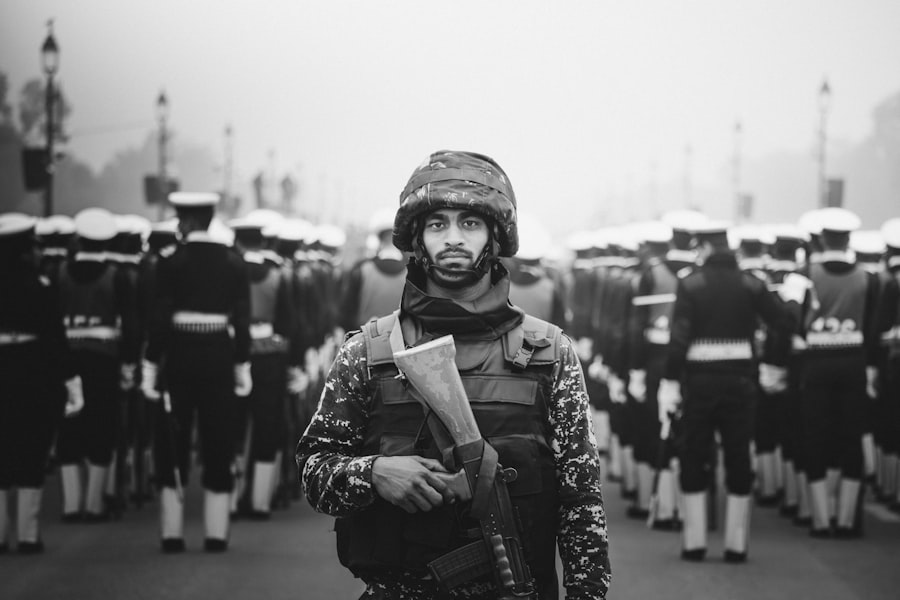
The task of rebuilding military trust is not a swift or simple one; it requires a sustained and strategic approach, akin to carefully reassembling a shattered mosaic, where each piece must be meticulously placed to restore the original image. This is not about superficial fixes but about a deep and systemic renewal of foundational principles.
Leadership Accountability and Integrity: The Unblemished Standard
The most potent instrument for rebuilding trust lies in the hands of leadership. Leaders at all echelons must embody unwavering accountability and integrity. This means taking ownership of mistakes, admitting when they are wrong, and demonstrating a commitment to ethical conduct regardless of the circumstances. It involves establishing clear ethical guidelines and ensuring that these are not just words on paper but principles actively practiced and enforced. When leaders consistently demonstrate honesty, fairness, and a willingness to be held to account, they set an unblemished standard that subordinates can respect and rally around.
Consistent Application of Policies: The Level Playing Field
A critical component of leadership accountability is the consistent and impartial application of policies and regulations. Trust is nurtured when individuals know that the rules apply equally to everyone, without favoritism or prejudice. Leaders must ensure that disciplinary actions are just and proportionate, and that recognition and advancement are based on merit and performance, not on personal connections. This creates a level playing field where service members can feel secure in the fairness of the system and believe that their efforts will be recognized and rewarded equitably.
Transparent Decision-Making Processes: Illuminating the Path Forward
Transparency in decision-making processes is a powerful trust-building tool. When leaders proactively communicate the rationale behind their decisions, even when those decisions are unpopular, it fosters understanding and reduces suspicion. This does not mean revealing every classified detail, but rather illuminating the thought processes, the constraints, and the objectives that guided the choices. This open communication acts as a beacon, guiding individuals through uncertainty and allowing them to understand the “why” behind actions, rather than feeling buffeted by arbitrary pronouncements.
Enhancing Communication Channels: The Open Dialogue
Effective and open communication is the lifeblood of a trusting military organization. This requires fostering an environment where dialogue flows freely in all directions, and where dissent can be voiced constructively without fear of retribution.
Active Listening and Feedback Mechanisms: The Responsive Ear
Leaders must cultivate the practice of active listening, demonstrating genuine interest in the concerns and perspectives of their subordinates. This involves creating accessible feedback mechanisms, such as regular town hall meetings, anonymous suggestion boxes, or structured debriefing sessions, and then acting upon that feedback in a visible and meaningful way. When individuals feel heard and see their input influencing decisions, it reinforces their sense of value and strengthens their belief in the organization’s responsiveness.
Clear and Timely Information Dissemination: The Steady Current
Ensuring clear, concise, and timely dissemination of information is paramount. This involves leveraging multiple communication platforms and tailoring messages to different audiences to ensure understanding. Avoiding jargon, clarifying ambiguities, and correcting misinformation promptly are crucial to maintaining a steady current of accurate information, preventing the stagnation that breeds rumor and distrust.
Fostering a Culture of Respect and Inclusivity: The Welcoming Hearth
A military environment built on respect and inclusivity is one where all service members feel valued and have a sense of belonging. This extends beyond mere tolerance to active embrace of diversity and the creation of a welcoming hearth for all.
Valuing Diverse Perspectives: The Rich Tapestry
Recognizing and valuing the diverse perspectives and experiences that individuals bring to the organization enriches its problem-solving capabilities and strengthens its adaptability. Leaders should actively solicit input from individuals across ranks, specialties, and backgrounds, creating an environment where different viewpoints are not only tolerated but actively sought out as valuable contributions to the collective wisdom of the unit. This creates a rich tapestry of thought and ensures that decisions are informed by a broader spectrum of experience.
zero-Tolerance for Harassment and Discrimination: The Unyielding Shield
A fundamental requirement for rebuilding trust is the establishment and unwavering enforcement of a zero-tolerance policy for harassment, discrimination, and bullying. Any instance of such behavior erodes the psychological safety of individuals and signals a deep-seated failure within the organization. Swift, fair, and visible disciplinary action against perpetrators, coupled with robust support for victims, sends an unequivocal message that such conduct will not be tolerated and that the organization is committed to protecting all its members. This acts as an unyielding shield, safeguarding the dignity and well-being of every service member.
Investing in Professional Development and Welfare: The Nourished Growth
Demonstrating a tangible commitment to the professional growth and holistic welfare of service members is a powerful way to rebuild trust. This investment signals that the organization values its people not just as instruments of war, but as individuals with careers and lives beyond their military service.
Robust Training and Skill Enhancement: The Sharpened Blade
Providing opportunities for continuous professional development, skill enhancement, and advanced training demonstrates that the organization is invested in the competence and future of its members. When service members see that their skills are being honed and their career paths are supported, it breeds confidence in their own abilities and in the organization’s commitment to their long-term success. This is akin to regularly sharpening a blade; it ensures readiness and efficacy.
Comprehensive Well-being Support Systems: The Caring Hand
Establishing and actively promoting comprehensive well-being support systems, including robust mental health services, accessible healthcare, and programs that address work-life balance, is crucial. This demonstrates a caring hand extended to its members, recognizing the inherent stresses of military service and providing the necessary resources to mitigate their impact. When individuals know that their physical and mental health are prioritized, it builds a profound sense of security and fosters a reciprocal loyalty.
Measuring and Sustaining Trust: The Continuous Audit
The rebuilding of military trust is not a single event but an ongoing process, much like tending a garden that requires constant attention and nourishment. Establishing mechanisms to measure and sustain this trust is essential for its long-term viability.
Regular Trust Assessments: The Pulse Check
Implementing regular and scientifically sound trust assessments is crucial for gauging the health of the organization’s trust barometer. These assessments, conducted through surveys, focus groups, and individual interviews, can identify trends, pinpoint areas of concern, and measure the impact of trust-building initiatives. This “pulse check” allows for early detection of any declining trust levels, enabling proactive intervention before cracks become chasms.
Actionable Insights and Follow-Through: The Responsive Action
The data gathered from trust assessments must be translated into actionable insights. It is not enough to simply collect information; leadership must demonstrate a commitment to act on the findings. This involves developing concrete plans to address identified issues, communicating these plans to the workforce, and diligently following through with their implementation. A failure to act on feedback can be more damaging to trust than not collecting it in the first place, signaling a lack of seriousness or a disregard for the concerns raised.
Reinforcing Trust-Building Behaviors: The Habitual Practice
Sustaining trust requires embedding trust-building behaviors into the organizational culture. This involves recognizing and rewarding individuals and units that consistently demonstrate integrity, transparency, competence, and respect. Leadership development programs should explicitly include modules on trust-building, and performance evaluations should incorporate metrics related to these behaviors. By making trust-building a habitual practice, it becomes woven into the very fabric of the military, ensuring its enduring strength.
The journey of rebuilding military trust is a marathon, not a sprint. It demands patience, persistence, and an unwavering commitment to the principles of ethical leadership, transparent communication, and genuine care for the well-being of those who serve. When these bonds are mended, the military is not only stronger operationally but also more resilient, more united, and ultimately, more effective in fulfilling its vital mission.
FAQs
What are common causes of broken military trust?
Broken military trust can result from issues such as leadership failures, lack of transparency, unethical behavior, poor communication, and unmet expectations between service members and their leaders or institutions.
How can military leaders work to rebuild trust with their personnel?
Leaders can rebuild trust by demonstrating integrity, maintaining open and honest communication, taking responsibility for mistakes, showing empathy, and consistently supporting the welfare and professional development of their personnel.
What role does communication play in fixing broken military trust?
Effective communication is crucial; it helps clarify expectations, address concerns promptly, foster transparency, and create an environment where service members feel heard and valued, all of which contribute to restoring trust.
Are there formal programs or initiatives to address trust issues in the military?
Yes, many military organizations implement leadership training, counseling services, ethics programs, and team-building exercises designed to improve relationships, enhance morale, and repair trust within units.
How long does it typically take to restore trust in a military context?
Restoring trust varies depending on the severity of the breach and the efforts made; it can take months or even years of consistent, trustworthy behavior and positive interactions to fully rebuild confidence among service members.