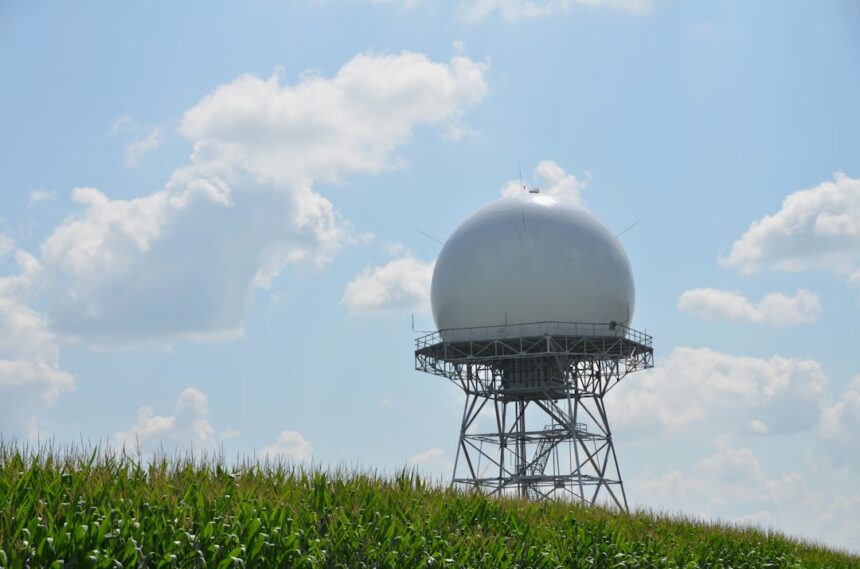
Radar technology’s roots extend to the early 20th century, but its development accelerated significantly during the Cold War period. As the United States and Soviet Union engaged in geopolitical competition, both superpowers invested heavily in detection systems to monitor potential threats. The strategic imperatives of the nuclear arms race catalyzed substantial funding for radar research, resulting in rapid technological advancement.
Initially, radar systems served primarily to detect enemy aircraft and naval vessels. Technical evolution progressed from basic systems with limited detection capabilities to advanced platforms that could simultaneously track multiple targets with high precision. This technological progression represented a fundamental transformation in military operations.
Real-time detection and tracking capabilities provided unprecedented strategic advantages, permanently altering military doctrine and tactical approaches during this period of international tension.
Key Takeaways
- Radar technology originated during the Cold War, primarily for military use and strategic defense.
- Post-Cold War advancements expanded radar applications into civilian sectors like aviation, weather forecasting, and maritime operations.
- Radar has significantly enhanced aviation safety, weather prediction accuracy, and maritime navigation and security.
- Emerging radar technologies are driving innovations in space exploration, law enforcement, and border security.
- Ethical and privacy concerns are increasingly important as radar technology becomes more pervasive and sophisticated.
The Role of Radar in Cold War Military Strategy
Radar technology became a cornerstone of military strategy during the Cold War, serving as a critical tool for both offensive and defensive operations. The ability to detect incoming threats allowed nations to develop comprehensive air defense systems, which were essential for protecting key installations and civilian populations. Early warning radar systems were deployed across various geographical locations, creating a network that could provide timely alerts about potential attacks.
This capability not only enhanced national security but also contributed to the deterrence strategy that characterized the era. Moreover, radar played a pivotal role in intelligence gathering and reconnaissance missions. Military planners utilized radar data to assess enemy capabilities and movements, enabling them to make informed decisions regarding troop deployments and resource allocation.
As a result, radar became an indispensable component of Cold War military strategy, shaping the way conflicts were approached and managed. Learn about the fascinating story of a Soviet radar engineer espionage Cold War operation that changed history.
Advancements in Radar Technology Post-Cold War
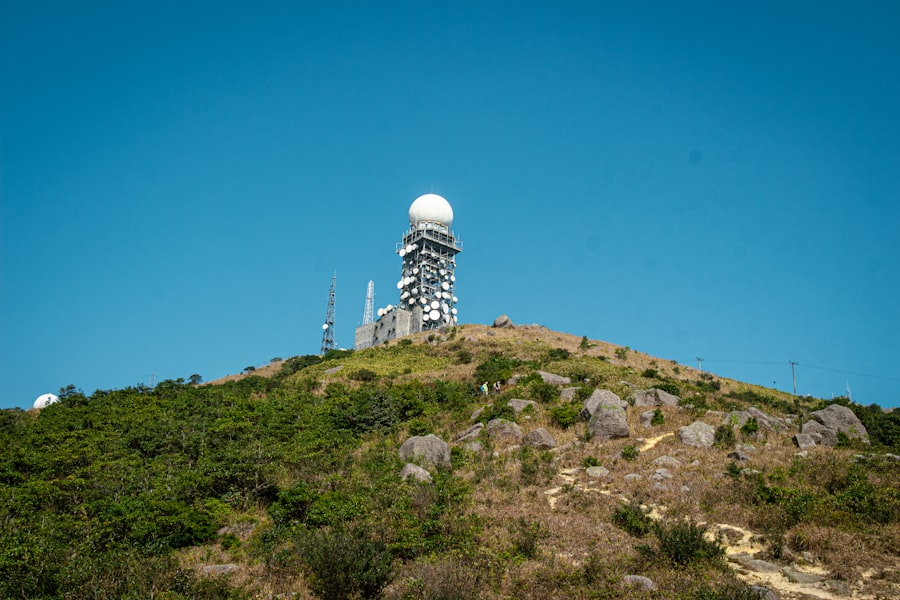
Following the end of the Cold War, radar technology continued to evolve, driven by advancements in electronics and computing power. The introduction of digital signal processing revolutionized radar systems, allowing for improved target detection and tracking capabilities. These advancements enabled military forces to develop more sophisticated radar systems that could operate in diverse environments, from urban landscapes to dense forests.
The post-Cold War era also saw the emergence of phased array radar technology, which allowed for rapid beam steering without moving parts, enhancing responsiveness and accuracy. In addition to military applications, the post-Cold War period witnessed a surge in research aimed at adapting radar technology for civilian use. This included innovations in air traffic control systems, where radar played a crucial role in ensuring the safety and efficiency of air travel.
The integration of radar with other technologies, such as GPS and automated systems, further enhanced its capabilities, leading to more reliable navigation and tracking solutions. As a result, radar technology became increasingly ubiquitous in various sectors, reflecting its versatility and importance in modern society.
Radar Technology in Civilian Applications
The versatility of radar technology has led to its widespread adoption in civilian applications beyond military use. One of the most prominent areas is air traffic management, where radar systems are essential for monitoring aircraft movements in busy airspace. Air traffic controllers rely on radar data to ensure safe distances between planes, manage takeoffs and landings, and coordinate flight paths.
This application not only enhances safety but also improves the efficiency of air travel, reducing delays and optimizing routes. In addition to aviation, radar technology has found applications in fields such as transportation and automotive safety. Modern vehicles are increasingly equipped with radar-based systems that assist drivers by providing features like adaptive cruise control and collision avoidance.
These advancements contribute to safer driving experiences and have the potential to reduce accidents on the road. Furthermore, radar is utilized in various industrial applications, including material detection and quality control processes, showcasing its adaptability across different sectors.
The Impact of Radar Technology on Aviation
| Year | Radar Technology | Key Developments | Cold War Impact |
|---|---|---|---|
| 1940 | Early Pulse Radar | Development of pulse radar for aircraft detection | Enabled early warning systems for air defense |
| 1947 | Ground-Controlled Interception (GCI) | Integration of radar with command centers for fighter control | Improved response to potential Soviet bomber threats |
| 1950 | Phased Array Radar | Introduction of electronically steered radar beams | Enhanced tracking and faster target acquisition |
| 1957 | Doppler Radar | Use of Doppler effect to measure target velocity | Improved missile guidance and aircraft tracking |
| 1960 | Over-the-Horizon Radar (OTH) | Radar capable of detecting targets beyond line of sight | Extended early warning range against missile launches |
| 1970 | 3D Radar Systems | Simultaneous measurement of range, azimuth, and elevation | Better target discrimination and airspace control |
| 1980 | Low Probability of Intercept Radar (LPIR) | Radar designed to avoid enemy detection | Increased survivability of radar installations |
| 1990 | Active Electronically Scanned Array (AESA) | Advanced phased array with multiple transmit/receive modules | Improved reliability, resolution, and resistance to jamming |
Radar technology has had a profound impact on aviation safety and efficiency since its inception. In the early days of commercial flight, pilots relied heavily on visual navigation methods, which were often limited by weather conditions and visibility. The introduction of radar revolutionized this aspect of aviation by providing real-time information about aircraft positions and movements.
This capability has significantly reduced the risk of mid-air collisions and improved overall safety standards within the industry. Moreover, advancements in radar technology have facilitated the development of sophisticated air traffic control systems that can manage increasing air traffic volumes. With the rise of global travel and commerce, efficient airspace management has become paramount.
Modern radar systems can track multiple aircraft simultaneously, allowing controllers to make informed decisions quickly. This efficiency not only enhances safety but also contributes to reduced flight times and fuel consumption, ultimately benefiting both airlines and passengers alike.
Radar Technology and Weather Forecasting
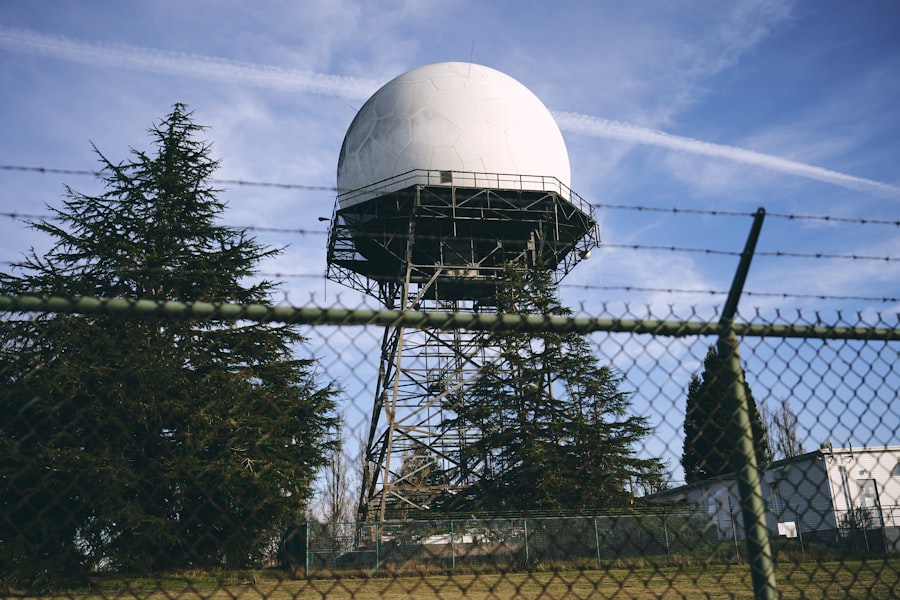
Radar technology has also transformed the field of meteorology, providing critical data for weather forecasting and severe weather monitoring. Doppler radar systems enable meteorologists to detect precipitation patterns, wind speeds, and storm movements with remarkable accuracy. This capability is essential for issuing timely warnings about severe weather events such as hurricanes, tornadoes, and thunderstorms, helping communities prepare for potential disasters.
The integration of radar data with computer modeling has further enhanced forecasting accuracy. Meteorologists can analyze real-time data alongside historical patterns to predict weather changes more effectively. This advancement has significant implications for public safety, agriculture, and disaster management.
By providing accurate forecasts and early warnings, radar technology plays a vital role in mitigating the impacts of severe weather events on society.
Radar Technology in Maritime and Coast Guard Operations
In maritime operations, radar technology is indispensable for navigation, safety, and security at sea. Ships equipped with radar systems can detect other vessels, obstacles, and navigational hazards even in poor visibility conditions such as fog or heavy rain. This capability is crucial for preventing collisions and ensuring safe passage through busy shipping lanes.
Coast Guard operations also heavily rely on radar technology for surveillance and search-and-rescue missions. Radar systems enable coast guard personnel to monitor vast stretches of coastline and open waters for illegal activities such as smuggling or piracy. Additionally, during emergencies at sea, radar assists in locating distressed vessels quickly, facilitating timely rescue efforts.
The integration of radar with other technologies like satellite imagery enhances situational awareness for maritime authorities, making it an essential tool for maintaining safety and security on the water.
The Evolution of Radar Technology in Space Exploration
The evolution of radar technology has extended beyond Earth’s atmosphere into space exploration. Space agencies have developed advanced radar systems capable of penetrating planetary surfaces to gather data about celestial bodies. For instance, NASA’s Mars Reconnaissance Orbiter employs synthetic aperture radar (SAR) to map the Martian surface with high resolution, revealing geological features that inform scientists about the planet’s history.
Moreover, radar technology plays a crucial role in tracking space debris and monitoring satellite positions in orbit. As space becomes increasingly crowded with satellites and debris from past missions, accurate tracking is essential for preventing collisions that could jeopardize operational spacecraft. The continued advancement of radar technology will be vital for future space exploration endeavors as humanity seeks to expand its presence beyond Earth.
Radar Technology in Law Enforcement and Border Security
In law enforcement and border security operations, radar technology serves as a valuable tool for surveillance and monitoring activities. Law enforcement agencies utilize ground-based radar systems to detect suspicious movements or activities in designated areas. This capability enhances situational awareness for officers on patrol and aids in crime prevention efforts.
Border security agencies also rely on radar technology to monitor vast stretches of land or coastlines for unauthorized crossings or smuggling activities. Advanced radar systems can detect small boats or individuals attempting to cross borders illegally, allowing authorities to respond swiftly to potential threats. The integration of radar with other surveillance technologies enhances overall security measures while ensuring that law enforcement operations are conducted effectively.
The Future of Radar Technology: Advancements and Innovations
As technology continues to advance at an unprecedented pace, the future of radar technology holds exciting possibilities. Innovations such as artificial intelligence (AI) are being integrated into radar systems to enhance target recognition capabilities further. AI algorithms can analyze vast amounts of data collected by radar sensors in real-time, improving decision-making processes across various applications.
Additionally, developments in miniaturization are leading to smaller yet more powerful radar systems that can be deployed in diverse environments—from urban settings to remote locations.
As research continues into new materials and signal processing techniques, the potential applications for radar technology are virtually limitless.
Ethical and Privacy Concerns Surrounding Radar Technology
Despite its numerous benefits, the proliferation of radar technology raises ethical and privacy concerns that warrant careful consideration. As surveillance capabilities expand through advanced radar systems, questions arise regarding individual privacy rights and government oversight. The potential for misuse or overreach by authorities poses significant challenges that must be addressed through appropriate regulations.
Moreover, as society becomes increasingly reliant on surveillance technologies for security purposes, there is a risk of normalizing invasive monitoring practices that could infringe upon civil liberties. Striking a balance between ensuring public safety and protecting individual rights will be crucial as advancements in radar technology continue to shape modern life. Engaging in open discussions about these ethical implications will be essential for fostering responsible innovation while safeguarding fundamental freedoms.
In conclusion, radar technology has undergone significant evolution since its inception during the Cold War era. Its impact spans military applications to civilian uses across various sectors such as aviation, weather forecasting, maritime operations, law enforcement, space exploration, and more. As advancements continue to unfold alongside ethical considerations surrounding privacy rights emerge as critical discussions within society today—highlighting both opportunities presented by this transformative technology along with challenges that must be navigated responsibly moving forward into an increasingly interconnected world.
The evolution of radar technology during the Cold War played a crucial role in shaping military strategies and defense systems. As nations raced to develop advanced radar capabilities, significant advancements were made in detection and tracking systems. For a deeper understanding of this topic, you can read more in the related article on the evolution of military technology during this period at this link.
WATCH THIS! 🕵️ HE CHOSE BETRAYAL—And His Wife Paid the Price | The Billion Dollar Spy
FAQs
What is radar technology?
Radar technology is a system that uses radio waves to detect and locate objects such as aircraft, ships, and vehicles. It works by transmitting radio waves and analyzing the echoes returned from objects to determine their distance, speed, and direction.
How did radar technology evolve during the Cold War?
During the Cold War, radar technology advanced significantly due to military needs. Innovations included improved detection range, better resolution, the development of phased array radars, and integration with missile defense systems. These advancements enhanced early warning capabilities and air defense.
Why was radar technology important during the Cold War?
Radar was crucial for national security during the Cold War as it provided early warning of potential air or missile attacks. It helped monitor enemy movements, guided interceptor aircraft, and supported missile defense systems, thereby playing a key role in deterrence and defense strategies.
What were some key radar systems developed in the Cold War era?
Notable radar systems from the Cold War include the U.S. DEW (Distant Early Warning) Line, the Soviet P-12 and P-18 radars, and the development of over-the-horizon radar systems. These systems extended detection ranges and improved tracking of high-speed targets.
How did radar technology impact military strategy during the Cold War?
Radar technology influenced military strategy by enabling continuous surveillance and rapid response to threats. It allowed for the development of integrated air defense networks and contributed to the balance of power by providing reliable intelligence and early warning capabilities.
Did radar technology have any civilian applications after the Cold War?
Yes, many radar technologies developed during the Cold War were adapted for civilian use, including air traffic control, weather forecasting, maritime navigation, and automotive safety systems. The advancements made during the Cold War laid the foundation for modern radar applications.
What technological innovations in radar occurred during the Cold War?
Innovations included the transition from analog to digital signal processing, the introduction of phased array antennas, Doppler radar for velocity measurement, and the use of computer systems for data analysis and target tracking.
How did radar technology contribute to nuclear deterrence during the Cold War?
Radar systems provided early detection of incoming ballistic missiles and strategic bombers, enabling timely alerts and responses. This capability was essential for maintaining a credible second-strike capability, which was a cornerstone of nuclear deterrence during the Cold War.