Underwater cables serve as the backbone of global communication, facilitating the transfer of data across vast distances. These cables, often referred to as submarine cables, are essential for connecting continents and enabling the internet, international phone calls, and various forms of digital communication. The sheer volume of data transmitted through these cables is staggering; they carry approximately 95% of international data traffic.
This reliance on underwater cables underscores their critical role in the modern world, where seamless connectivity is paramount for businesses, governments, and individuals alike. Moreover, the significance of underwater cables extends beyond mere connectivity. They are vital for economic growth and development, particularly in emerging markets that depend on reliable internet access to foster innovation and attract investment.
The presence of robust submarine cable networks can enhance a country’s digital infrastructure, leading to improved education, healthcare, and overall quality of life. As the world becomes increasingly interconnected, the importance of these cables will only continue to grow, making their protection and maintenance a priority for nations and organizations worldwide.
Key Takeaways
- Underwater cables are critical for global internet and communication connectivity.
- These cables face threats from natural disasters, human activities, and environmental factors.
- Protecting cables involves strategic routing, robust installation, and ongoing monitoring.
- Legal frameworks and international cooperation are essential for effective cable protection.
- Advances in technology and partnerships are shaping the future of underwater cable security.
Threats to Underwater Cables
Despite their importance, underwater cables face numerous threats that can compromise their integrity and functionality. One of the most significant risks comes from human activities, such as fishing, shipping, and construction. Anchors from large vessels can inadvertently damage cables lying on the seabed, while trawling nets can snag and sever them.
Additionally, the increasing number of offshore wind farms and other marine installations poses a growing risk to these vital infrastructures. Natural phenomena also pose a considerable threat to underwater cables.
Furthermore, extreme weather events, such as hurricanes and typhoons, can cause significant upheaval in oceanic environments, potentially impacting cable stability. As climate change continues to alter weather patterns and increase the frequency of such events, the vulnerability of underwater cables may escalate, necessitating enhanced protective measures.
Impact of Cable Damage on Connectivity
The consequences of underwater cable damage can be profound and far-reaching. When a cable is compromised, it can lead to significant disruptions in internet service and communication capabilities. Businesses that rely on stable connectivity may experience operational setbacks, resulting in financial losses and diminished productivity.
For individuals, especially those in remote areas where alternative connectivity options are limited, cable damage can lead to isolation from essential services and information. Moreover, the impact of cable damage extends beyond immediate connectivity issues. It can have cascading effects on global supply chains and international relations.
For instance, if a major cable connecting two continents is severed, it may disrupt not only internet services but also financial transactions and data exchanges critical for multinational corporations. This disruption can lead to a ripple effect that affects economies worldwide, highlighting the interconnected nature of modern communication systems.
Methods for Protecting Underwater Cables
To safeguard underwater cables from potential threats, various protective measures have been developed and implemented. One common method involves burying cables beneath the seabed to shield them from external forces. This technique minimizes the risk of accidental damage from fishing activities or shipping traffic.
In areas where burial is not feasible due to geological conditions or other factors, protective armoring may be employed to reinforce the cables against physical impacts. In addition to physical protection methods, technological advancements have also played a crucial role in enhancing cable security. For instance, some companies are now utilizing advanced monitoring systems that employ sensors to detect changes in pressure or temperature around the cables.
These systems can provide early warnings of potential threats or disturbances, allowing for timely interventions before significant damage occurs. By combining physical protection with innovative monitoring technologies, the resilience of underwater cables can be significantly improved.
Cable Routing and Installation Best Practices
| Metric | Description | Typical Value/Range | Unit |
|---|---|---|---|
| Cable Burial Depth | Depth at which the cable is buried beneath the seabed to protect from external damage | 0.5 – 3 | meters |
| Protective Armoring Thickness | Thickness of steel or other protective layers around the cable | 5 – 20 | millimeters |
| Minimum Bending Radius | Smallest radius the cable can be bent without damage | 10 – 20 | times cable diameter |
| Maximum Tensile Load | Maximum pulling force the cable can withstand during installation | 10,000 – 50,000 | Newtons |
| Impact Resistance | Resistance to external mechanical impacts such as fishing gear or anchors | High | Qualitative |
| Corrosion Resistance | Ability of cable materials to resist corrosion in seawater | Excellent | Qualitative |
| Installation Depth Range | Depth range in which the cable can be safely installed and protected | 0 – 3000 | meters |
| Protective Conduit Diameter | Diameter of protective conduit or casing used around the cable in high-risk areas | 50 – 150 | millimeters |
The routing and installation of underwater cables are critical components in ensuring their long-term viability and protection. Careful planning is essential to avoid areas with high risks of natural disturbances or human activities that could jeopardize cable integrity. Conducting thorough surveys of the seabed before installation helps identify potential hazards such as rocky terrains or shipping lanes that may pose risks to the cables.
Additionally, employing best practices during installation can further enhance cable protection. This includes using specialized vessels equipped with advanced technology for precise cable laying and ensuring that installation teams are well-trained in handling potential challenges that may arise during the process. By adhering to established guidelines and leveraging modern technology, organizations can minimize risks associated with cable installation and ensure that these vital infrastructures remain secure.
Monitoring and Maintenance of Underwater Cables
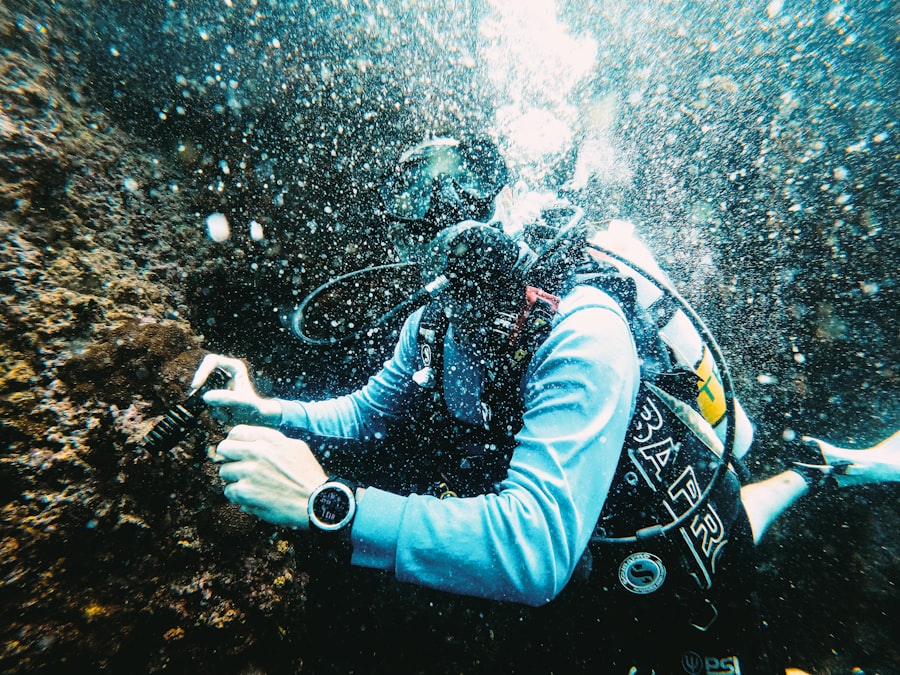
Ongoing monitoring and maintenance are essential for preserving the functionality of underwater cables over time. Regular inspections using remotely operated vehicles (ROVs) or autonomous underwater vehicles (AUVs) allow for real-time assessments of cable conditions and identification of any potential issues before they escalate into significant problems. These inspections can help detect signs of wear or damage caused by environmental factors or human activities.
In addition to inspections, proactive maintenance strategies are crucial for ensuring the longevity of underwater cables. This may involve periodic repairs or upgrades to address any vulnerabilities identified during monitoring efforts. By investing in regular maintenance and monitoring programs, organizations can extend the lifespan of their underwater cables and minimize the risk of unexpected outages that could disrupt global communication networks.
Environmental Considerations for Cable Protection
As awareness of environmental issues grows, it is increasingly important to consider the ecological impact of underwater cable installation and maintenance. The marine environment is delicate and home to diverse ecosystems that can be disrupted by human activities. Therefore, conducting environmental impact assessments before laying cables is essential to identify potential risks to marine life and habitats.
Moreover, adopting environmentally friendly practices during installation can help mitigate negative impacts on marine ecosystems. For example, using less invasive techniques for cable burial or employing biodegradable materials for protective coverings can reduce harm to marine organisms. By prioritizing environmental considerations in cable protection efforts, organizations can contribute to sustainable practices while ensuring the integrity of their communication networks.
Legal and Regulatory Framework for Cable Protection
The protection of underwater cables is governed by a complex legal and regulatory framework that varies by region and jurisdiction. International treaties and agreements play a significant role in establishing guidelines for cable protection on the high seas. The United Nations Convention on the Law of the Sea (UNCLOS) outlines principles regarding the rights and responsibilities of nations concerning marine resources and infrastructure.
At the national level, countries often have specific regulations governing the installation and maintenance of underwater cables within their territorial waters. These regulations may include permitting processes that require environmental assessments or consultations with local stakeholders. By adhering to these legal frameworks, organizations can ensure compliance while promoting responsible practices in cable protection.
Innovations in Cable Protection Technology
The field of underwater cable protection is continually evolving with advancements in technology. Innovations such as smart cables equipped with sensors are becoming increasingly common. These cables can monitor their own conditions in real-time, providing valuable data on temperature fluctuations, pressure changes, and potential threats from external sources.
This information allows operators to respond swiftly to any anomalies that may indicate damage or risk.
New composite materials offer enhanced durability while remaining lightweight, making installation easier without compromising strength.
As technology continues to advance, it holds great promise for improving the safety and reliability of underwater cables.
Collaboration and Partnerships for Cable Protection
Collaboration among various stakeholders is essential for effective underwater cable protection. Governments, private companies, environmental organizations, and local communities all have roles to play in safeguarding these critical infrastructures. By fostering partnerships between these groups, it becomes possible to share knowledge, resources, and best practices that enhance overall cable security.
International cooperation is particularly important given the global nature of underwater cable networks. Joint initiatives aimed at protecting cables from threats such as piracy or environmental degradation can lead to more comprehensive solutions that benefit all parties involved. By working together across borders and sectors, stakeholders can create a more resilient framework for protecting underwater cables.
The Future of Underwater Cable Protection
Looking ahead, the future of underwater cable protection will likely be shaped by ongoing technological advancements and increasing awareness of environmental issues. As demand for data continues to rise globally, ensuring the security and reliability of underwater cables will become even more critical. This will necessitate continued investment in innovative protection methods and monitoring technologies.
Furthermore, as climate change poses new challenges for marine environments, adaptive strategies will be essential for maintaining cable integrity in changing conditions. The integration of artificial intelligence and machine learning into monitoring systems may provide new insights into potential risks and enable proactive responses to emerging threats. Ultimately, a commitment to collaboration among stakeholders will be vital in navigating these challenges and ensuring the continued success of underwater cable networks in an increasingly interconnected world.
Underwater cable protection is a critical aspect of ensuring the integrity and functionality of global communication networks. For a deeper understanding of the challenges and solutions related to this topic, you can read the article on cable protection strategies available at this link. This resource provides valuable insights into the measures taken to safeguard underwater cables from environmental threats and human activities.
WATCH THIS! 🌊 The Invisible Army That Controls Global Shipping
FAQs
What is underwater cable protection?
Underwater cable protection refers to the methods and materials used to safeguard submarine communication and power cables from physical damage caused by environmental factors, marine activities, and human interference.
Why is underwater cable protection important?
Protecting underwater cables is crucial because these cables carry a significant portion of global telecommunications and power transmission. Damage to them can lead to communication outages, data loss, and costly repairs.
What are common threats to underwater cables?
Common threats include fishing activities, anchoring, natural hazards like underwater landslides, corrosion, marine life interference, and accidental damage from construction or dredging.
What materials are used for protecting underwater cables?
Protective materials include armoring with steel wires, polyethylene sheathing, concrete mattresses, and burial in seabed sediments to shield cables from mechanical damage and environmental exposure.
How are underwater cables installed to ensure protection?
Cables are often buried beneath the seabed using specialized plowing or jetting equipment, laid along carefully surveyed routes to avoid hazards, and sometimes covered with protective casings or concrete slabs.
Can underwater cables be repaired if damaged?
Yes, damaged underwater cables can be repaired using specialized vessels and equipment. The damaged section is located, retrieved, repaired or replaced, and then re-laid on the seabed.
Who is responsible for underwater cable protection?
Cable operators, marine authorities, and international regulatory bodies share responsibility for protecting underwater cables through regulations, monitoring, and maintenance practices.
Are there international regulations for underwater cable protection?
Yes, international agreements such as the United Nations Convention on the Law of the Sea (UNCLOS) provide guidelines for the protection and maintenance of submarine cables.
How long do underwater cables typically last?
Underwater cables are designed to last 25 years or more, depending on environmental conditions and maintenance, but their lifespan can be affected by damage or wear.
What technologies are used to monitor underwater cable integrity?
Technologies include remote sensing, acoustic monitoring, remotely operated vehicles (ROVs), and real-time data transmission systems to detect faults or threats to cable integrity.