Maritime security has emerged as a critical concern in an increasingly interconnected world. The vast expanses of oceans and seas that cover more than 70% of the Earth’s surface serve as vital arteries for global trade, transportation, and communication. With over 90% of international trade being conducted via maritime routes, the security of these waterways is paramount.
Piracy, smuggling, human trafficking, and environmental threats pose significant risks to maritime operations, necessitating robust security measures to safeguard vessels, cargo, and crew members. The implications of compromised maritime security extend beyond economic losses; they can destabilize regions, disrupt supply chains, and even lead to geopolitical tensions. In addition to the economic ramifications, maritime security plays a crucial role in protecting national interests and sovereignty.
Nations rely on their maritime domains for resources, including fisheries and oil reserves, making it essential to secure these areas from illegal exploitation.
As such, the need for effective strategies and specialized personnel to address these challenges has never been more pressing.
The role of Private Maritime Security Contractors (PMSC) has become increasingly significant in this context, providing tailored solutions to enhance safety and security on the high seas.
Key Takeaways
- Maritime security is crucial for safeguarding global trade and preventing piracy.
- PMSC maritime security contractors provide specialized protection services on vessels and offshore installations.
- These contractors undergo rigorous training and must adhere to strict legal and ethical standards.
- Collaboration between PMSCs, governments, and international bodies enhances maritime security effectiveness.
- The future of maritime security relies on advanced technology and increased cooperation with private contractors.
What are PMSC Maritime Security Contractors?
Private Maritime Security Contractors (PMSC) are specialized entities that provide security services to protect vessels and their cargo from various threats while navigating international waters. These contractors typically employ former military personnel or law enforcement officers who possess extensive training in security operations, risk assessment, and crisis management. The services offered by PMSCs can range from onboard security teams to comprehensive risk management strategies tailored to specific maritime operations.
Their presence has become a common sight on commercial vessels traversing high-risk areas, particularly in regions plagued by piracy and other criminal activities. The rise of PMSCs can be attributed to the increasing demand for enhanced maritime security in response to evolving threats. As piracy incidents surged in the early 2000s, particularly off the coast of Somalia, shipping companies began seeking alternative solutions to protect their assets.
PMSCs emerged as a viable option, offering a flexible and responsive approach to maritime security that traditional naval forces could not always provide. By leveraging their expertise and resources, PMSCs have become integral players in the maritime security landscape, working alongside shipping companies to ensure safe passage through perilous waters.
The Role of PMSC Maritime Security Contractors
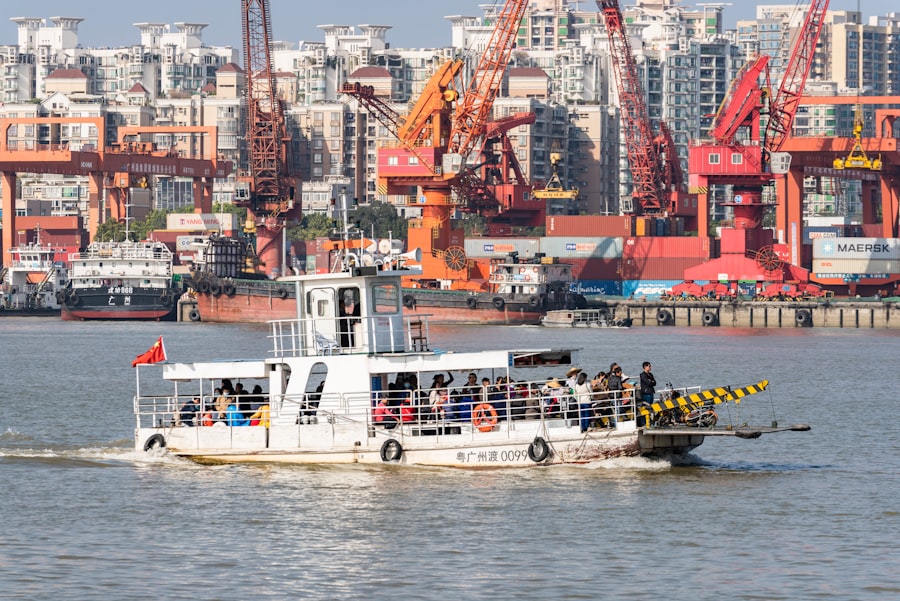
The role of PMSC Maritime Security Contractors extends beyond mere protection; they serve as a comprehensive solution to a myriad of maritime security challenges. Their primary responsibility is to assess potential threats and implement measures to mitigate risks associated with piracy, terrorism, and other criminal activities at sea. This involves conducting thorough risk assessments before voyages, identifying high-risk areas, and developing tailored security plans that align with the specific needs of each vessel and its crew.
In addition to proactive threat mitigation, PMSCs also play a crucial role in crisis response. In the event of an attack or emergency situation, these contractors are trained to act swiftly and decisively to protect the crew and cargo. Their experience in high-pressure environments allows them to manage crises effectively, coordinating with local authorities and naval forces when necessary.
Furthermore, PMSCs often provide training for crew members on security protocols and emergency procedures, empowering them to respond appropriately in challenging situations. This multifaceted approach ensures that vessels are not only protected but also prepared for any eventuality.
Training and Qualifications for PMSC Maritime Security Contractors
The training and qualifications required for PMSC Maritime Security Contractors are rigorous and comprehensive, reflecting the high-stakes nature of their work. Most contractors come from military or law enforcement backgrounds, bringing with them a wealth of experience in tactical operations, threat assessment, and crisis management. However, additional specialized training is often necessary to equip them with the skills needed for maritime environments.
This may include courses on maritime law, navigation, and specific tactics for counter-piracy operations. Moreover, many PMSCs require their personnel to undergo continuous training to stay updated on the latest developments in maritime security practices and technologies. This commitment to ongoing education ensures that contractors are well-prepared to address emerging threats effectively.
Additionally, certifications from recognized organizations can enhance a contractor’s credibility and demonstrate their adherence to industry standards. By investing in training and qualifications, PMSCs can maintain a highly skilled workforce capable of delivering top-notch security services in an ever-evolving maritime landscape.
Legal and Ethical Considerations for PMSC Maritime Security Contractors
| Company Name | Headquarters | Year Established | Number of Personnel | Primary Services | Regions of Operation | Notable Contracts |
|---|---|---|---|---|---|---|
| AdvanFort | United Arab Emirates | 2009 | 500+ | Armed security, risk assessment, vessel protection | Gulf of Aden, Indian Ocean, West Africa | Maritime security for commercial vessels in piracy-prone areas |
| GardaWorld | Canada | 1995 | 4000+ | Maritime security, crisis management, risk consulting | Global, including Gulf of Guinea and Southeast Asia | Security services for oil and gas tankers |
| Control Risks | United Kingdom | 1975 | 1500+ | Risk analysis, maritime security consulting, armed protection | Global | Security advisory for shipping companies in piracy hotspots |
| Seagull Maritime Security | United Kingdom | 2008 | 300+ | Armed guards, vessel hardening, security training | Horn of Africa, Gulf of Guinea | Protection of commercial vessels against piracy attacks |
| Ambrey | United Kingdom | 2003 | 1000+ | Maritime security, risk management, crisis response | Global | Security services for maritime logistics and offshore platforms |
The operations of PMSC Maritime Security Contractors are governed by a complex web of legal and ethical considerations that vary across jurisdictions. One of the primary legal frameworks guiding their activities is international maritime law, which outlines the rights and responsibilities of states and private entities operating at sea. PMSCs must navigate these legal waters carefully to ensure compliance with regulations regarding the use of force, rules of engagement, and the treatment of individuals encountered during operations.
Ethical considerations also play a significant role in the operations of PMSCs. The use of armed security personnel on commercial vessels raises questions about accountability and the potential for human rights violations. PMSCs must adhere to strict ethical guidelines that prioritize the safety and dignity of all individuals involved while ensuring that their actions do not escalate conflicts or contribute to instability in regions where they operate.
By fostering a culture of accountability and transparency, PMSCs can build trust with clients and stakeholders while upholding their commitment to ethical conduct in maritime security.
The Challenges of Protecting the Seas
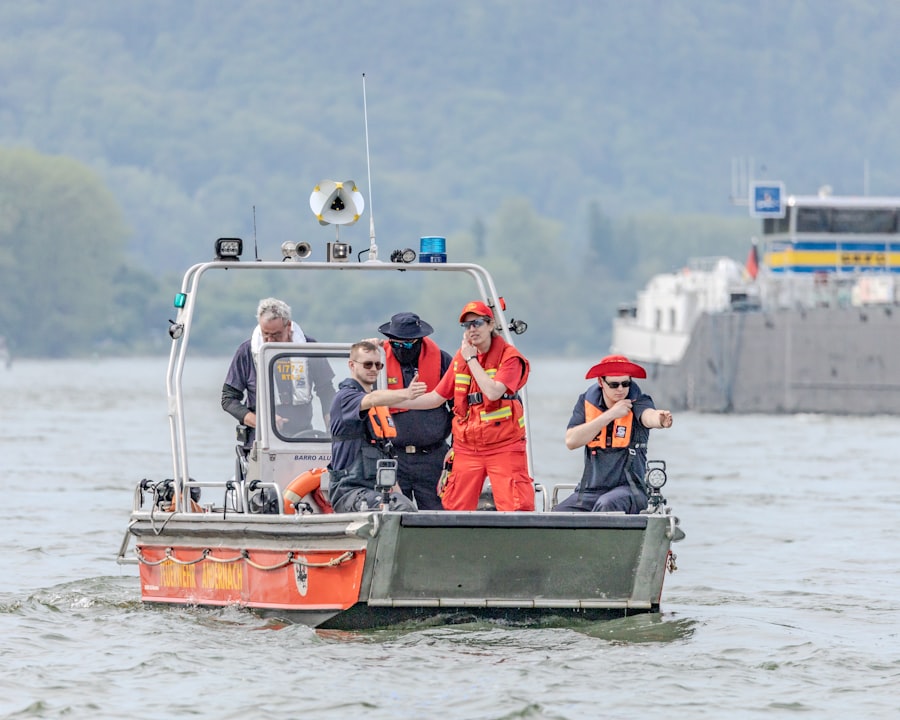
Protecting the seas presents a myriad of challenges that require innovative solutions and collaborative efforts among various stakeholders. One of the most pressing issues is the sheer vastness of maritime domains, which makes it difficult for authorities to monitor activities effectively. The oceans are often referred to as “the last frontier,” where law enforcement capabilities are limited due to resource constraints and jurisdictional complexities.
This creates opportunities for criminal enterprises to operate with relative impunity. Additionally, the evolving nature of maritime threats poses significant challenges for PMSCs and other security providers. As technology advances, so do the tactics employed by criminals at sea.
Cybersecurity threats targeting shipping systems have become increasingly prevalent, necessitating a shift in focus from traditional physical security measures to include cyber defense strategies. Furthermore, environmental concerns such as illegal fishing and pollution add another layer of complexity to maritime security efforts. Addressing these multifaceted challenges requires collaboration among governments, international organizations, and private entities to develop comprehensive strategies that ensure the safety and sustainability of maritime operations.
The Benefits of Hiring PMSC Maritime Security Contractors
Hiring PMSC Maritime Security Contractors offers numerous benefits for shipping companies seeking to enhance their security measures. One of the most significant advantages is the ability to access specialized expertise tailored to specific maritime challenges.
Moreover, engaging PMSCs allows shipping companies to maintain flexibility in their security arrangements. Unlike traditional naval forces that may have limited availability or jurisdictional constraints, PMSCs can be deployed quickly and efficiently based on the unique needs of each voyage. This adaptability enables companies to respond proactively to emerging threats while ensuring that their vessels remain secure throughout their journeys.
Additionally, by outsourcing security functions to PMSCs, shipping companies can focus on their core operations while leaving the complexities of maritime security in capable hands.
Case Studies of Successful Maritime Security Operations
Numerous case studies highlight the effectiveness of PMSC Maritime Security Contractors in successfully mitigating threats at sea. One notable example occurred off the coast of Somalia during the height of piracy incidents in the early 2010s. A shipping company engaged a PMSC to provide onboard security for its vessels transiting through high-risk waters.
The contractor implemented a comprehensive security plan that included armed guards onboard as well as pre-voyage risk assessments. During one particular voyage, a vessel came under attack from pirates while navigating through the Gulf of Aden. Thanks to the presence of trained PMSC personnel onboard, the crew was able to follow established protocols for responding to piracy attempts.
The armed guards successfully deterred the attackers without any injuries or damage to the vessel or crew members. This incident not only underscored the effectiveness of PMSCs in protecting commercial interests but also demonstrated how proactive measures could lead to successful outcomes even in high-stress situations.
The Future of Maritime Security and PMSC Contractors
The future of maritime security is poised for transformation as new technologies emerge and global dynamics shift. As threats evolve, so too must the strategies employed by PMSC Maritime Security Contractors. The integration of advanced technologies such as drones for surveillance, artificial intelligence for threat analysis, and cybersecurity measures will play an increasingly vital role in enhancing maritime security operations.
Moreover, as environmental concerns gain prominence on the global stage, PMSCs may find themselves tasked with addressing issues related to illegal fishing practices or pollution control alongside traditional security functions. This evolution will require contractors to adapt their skill sets and expand their service offerings to meet changing demands effectively. By embracing innovation and collaboration with other stakeholders in the maritime domain, PMSCs can position themselves as key players in shaping the future landscape of maritime security.
Collaboration with Government and International Organizations
Collaboration between PMSC Maritime Security Contractors and government agencies or international organizations is essential for effective maritime security operations. Governments play a crucial role in establishing legal frameworks that govern private security activities at sea while also providing support through naval patrols or intelligence sharing initiatives. By working together with PMSCs, governments can enhance their capabilities to address emerging threats more comprehensively.
International organizations such as the International Maritime Organization (IMO) also contribute significantly by setting standards for maritime safety and security practices globally. Collaborative efforts between PMSCs and these organizations can lead to improved guidelines for best practices in maritime security operations while fostering greater accountability within the industry. Such partnerships not only strengthen individual efforts but also create a unified approach toward safeguarding global maritime interests.
The Role of PMSC Maritime Security Contractors in Protecting the Seas
In conclusion, Private Maritime Security Contractors play an indispensable role in safeguarding the seas against an array of threats that jeopardize global trade and safety at sea. Their specialized expertise, adaptability, and proactive approach enable them to address complex challenges effectively while ensuring compliance with legal and ethical standards. As maritime threats continue to evolve alongside technological advancements, PMSCs will remain vital partners for shipping companies seeking reliable solutions for securing their vessels.
The future landscape of maritime security will undoubtedly require collaboration among various stakeholders—governments, international organizations, shipping companies—and PMSCs must be at the forefront of these efforts. By embracing innovation while upholding ethical practices within their operations, PMSCs can contribute significantly toward creating safer seas for all who navigate them. Ultimately, their commitment to protecting maritime interests will help ensure that oceans remain secure avenues for commerce and communication in an ever-changing world.
In the realm of maritime security, the role of Private Maritime Security Contractors (PMSC) has become increasingly significant, especially in high-risk areas. For a deeper understanding of the challenges and strategies involved in maritime security operations, you can refer to a related article that discusses the evolving landscape of maritime threats and the effectiveness of PMSCs. For more insights, check out this article on maritime security contractors.
WATCH THIS! 🌊 The Invisible Army That Controls Global Shipping
FAQs
What does PMSC stand for in maritime security?
PMSC stands for Private Maritime Security Company. These companies provide security services to vessels and offshore installations to protect against threats such as piracy and armed robbery.
What services do PMSC maritime security contractors offer?
PMSC maritime security contractors offer services including armed and unarmed security personnel on board ships, risk assessments, security training, and the implementation of security protocols to safeguard vessels and crew.
Why are PMSCs important in maritime security?
PMSCs play a crucial role in protecting commercial shipping from piracy, hijacking, and other maritime threats, ensuring the safety of crew, cargo, and vessels, and maintaining the flow of global trade.
Are PMSC maritime security contractors legally allowed to carry weapons?
The legality of carrying weapons by PMSCs depends on the laws of the flag state of the vessel, the countries the ship visits, and international regulations. PMSCs must comply with all applicable laws and obtain necessary permits.
How do PMSCs select their security personnel?
PMSCs typically recruit experienced former military or law enforcement personnel who have undergone specialized maritime security training to handle the unique challenges of protecting vessels at sea.
What regions are most commonly served by PMSC maritime security contractors?
PMSCs are most active in high-risk areas such as the Gulf of Aden, the Horn of Africa, the Gulf of Guinea, Southeast Asia, and parts of the Caribbean where piracy and maritime crime are prevalent.
How do PMSCs coordinate with naval forces and authorities?
PMSCs often coordinate with naval forces, port authorities, and international maritime organizations to share intelligence, report incidents, and ensure compliance with maritime security protocols.
What are the challenges faced by PMSC maritime security contractors?
Challenges include navigating complex legal frameworks, ensuring the safety of personnel, managing the risks of armed confrontations, and maintaining effective communication in remote maritime environments.
How can ship owners hire a reputable PMSC?
Ship owners should conduct thorough due diligence by verifying the company’s credentials, experience, compliance with international regulations, and client references before hiring a PMSC.
Are there international regulations governing PMSCs?
Yes, PMSCs are subject to international maritime laws, including the International Maritime Organization (IMO) guidelines, the United Nations Convention on the Law of the Sea (UNCLOS), and regional agreements aimed at combating piracy and maritime crime.