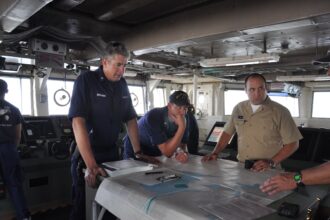
Naval counterintelligence constitutes an essential element of national defense, specifically designed to protect maritime operations and naval assets. This specialized discipline concentrates on detecting, preventing, and neutralizing threats from espionage, sabotage, and intelligence collection activities that could undermine naval operations.
As maritime competition intensifies globally, counterintelligence operations become increasingly important for maintaining the security and operational effectiveness of naval forces. Naval counterintelligence operates through systematic threat identification and risk reduction measures. The field encompasses diverse activities including adversary surveillance, intelligence analysis, and investigation of potentially hostile activities.
Naval counterintelligence personnel utilize human intelligence collection, signals intelligence monitoring, and open-source intelligence analysis to safeguard classified information and preserve operational security. This comprehensive methodology strengthens threat awareness capabilities and establishes security protocols throughout naval operations.
Key Takeaways
- Naval counterintelligence is crucial for safeguarding naval operations against espionage and sabotage threats.
- It involves identifying, assessing, and neutralizing threats to protect naval assets and personnel.
- Collaboration with other intelligence agencies and allied forces enhances the effectiveness of counterintelligence efforts.
- Advanced technology and cybersecurity play a vital role in modern naval counterintelligence methods.
- Continuous training and adapting to emerging challenges are essential for maintaining naval security and operational integrity.
Understanding the Threats to Naval Operations
The threats to naval operations are diverse and continually evolving, reflecting the dynamic nature of global geopolitics. Traditional threats such as piracy and terrorism remain significant concerns, but the rise of cyber warfare and state-sponsored espionage has introduced new challenges. Adversaries may seek to exploit vulnerabilities in naval systems or gather intelligence on fleet movements and capabilities.
The proliferation of advanced technologies, including unmanned systems and artificial intelligence, further complicates the threat landscape, requiring naval forces to adapt their counterintelligence strategies accordingly. Moreover, the maritime domain is characterized by its vastness and complexity, making it difficult to monitor all potential threats effectively. The presence of non-state actors, such as insurgent groups or criminal organizations, adds another layer of unpredictability.
These entities may employ unconventional tactics to disrupt naval operations or gather intelligence. As such, understanding the full spectrum of threats is essential for naval counterintelligence personnel, who must remain vigilant and responsive to emerging risks while ensuring that their operations are not compromised.
The Importance of Counterintelligence in Protecting Naval Assets
Counterintelligence plays a pivotal role in safeguarding naval assets, which include ships, submarines, aircraft, and critical infrastructure. The loss or compromise of these assets can have dire consequences for national security and operational readiness. By implementing effective counterintelligence measures, naval forces can deter adversaries from attempting espionage or sabotage while simultaneously enhancing their own operational capabilities.
This protective layer is essential for maintaining the trust of allied nations and ensuring that naval forces can operate effectively in contested environments. Furthermore, counterintelligence contributes to the overall resilience of naval operations. In an era where information is power, protecting sensitive data from adversaries is paramount.
Counterintelligence efforts help to identify vulnerabilities within naval systems and processes, allowing for timely remediation before adversaries can exploit them. This proactive stance not only fortifies naval assets but also instills confidence among personnel, who can focus on their missions without the looming threat of compromised security.
The Role of Naval Counterintelligence in Identifying and Neutralizing Threats
Naval counterintelligence units are tasked with a multifaceted role that encompasses both threat identification and neutralization. Through rigorous analysis of intelligence data, these units can detect patterns indicative of hostile activities or intentions. This involves monitoring communications, assessing the behavior of personnel, and scrutinizing the activities of foreign entities in proximity to naval operations.
By employing a combination of analytical tools and human expertise, counterintelligence personnel can develop actionable insights that inform decision-making at all levels. Once threats are identified, the next step involves neutralizing them through a variety of means. This may include conducting covert operations to disrupt adversarial activities or implementing security measures to protect sensitive information.
Additionally, counterintelligence personnel often collaborate with other military branches and intelligence agencies to share information and coordinate responses to emerging threats. This collaborative approach enhances the effectiveness of counterintelligence efforts and ensures that naval forces remain one step ahead of potential adversaries.
Methods and Techniques Used in Naval Counterintelligence
| Metric | Description | Example Data | Unit |
|---|---|---|---|
| Number of Counterintelligence Operations | Total naval counterintelligence missions conducted annually | 45 | Operations per year |
| Successful Intelligence Interceptions | Number of intercepted communications or espionage attempts | 120 | Incidents per year |
| Personnel Trained in Naval CI | Number of naval personnel trained in counterintelligence techniques | 350 | Individuals |
| Security Breaches Detected | Number of security breaches identified and mitigated | 8 | Incidents per year |
| Counterintelligence Budget Allocation | Annual budget dedicated to naval counterintelligence activities | 75 | Million USD |
| Time to Detect Threat | Average time taken to detect a counterintelligence threat | 3 | Days |
| Number of Double Agents Identified | Number of double agents or moles uncovered within naval ranks | 2 | Individuals per year |
The methods and techniques employed in naval counterintelligence are diverse and tailored to address specific threats. One fundamental approach is the use of surveillance and reconnaissance to monitor potential adversaries’ activities. This may involve deploying specialized teams to gather intelligence on foreign vessels or conducting aerial surveillance to track movements in contested waters.
Additionally, counterintelligence personnel utilize advanced analytical tools to process vast amounts of data, identifying anomalies that may indicate espionage or sabotage attempts. Another critical technique is the implementation of security protocols designed to protect sensitive information from unauthorized access. This includes conducting background checks on personnel with access to classified data and employing cybersecurity measures to safeguard digital communications.
Training programs are also integral to these efforts, as they equip naval personnel with the knowledge and skills necessary to recognize potential threats and respond effectively. By fostering a culture of awareness and vigilance, naval counterintelligence can significantly enhance the overall security posture of naval operations.
Collaboration with Other Intelligence Agencies and Allied Forces
Collaboration is a cornerstone of effective naval counterintelligence operations. Given the interconnected nature of modern threats, it is essential for naval forces to work closely with other intelligence agencies and allied nations. This collaboration facilitates information sharing, enabling naval counterintelligence units to access a broader range of intelligence sources and insights.
By pooling resources and expertise, these entities can develop a more comprehensive understanding of potential threats and devise coordinated responses. Joint exercises and training programs further strengthen these collaborative efforts. By engaging in simulated scenarios with allied forces, naval counterintelligence personnel can refine their skills while fostering relationships built on trust and mutual understanding.
These partnerships not only enhance operational effectiveness but also contribute to a unified approach to maritime security challenges. In an increasingly complex global landscape, such collaboration is vital for ensuring that naval forces remain prepared to address emerging threats.
Training and Education for Naval Counterintelligence Personnel
Training and education are fundamental components of a successful naval counterintelligence program. Personnel must be equipped with the knowledge and skills necessary to navigate the complexities of modern threats effectively. This includes understanding various intelligence disciplines, mastering analytical techniques, and developing proficiency in surveillance methods.
Comprehensive training programs ensure that counterintelligence personnel are well-prepared to identify potential risks and respond appropriately. Moreover, ongoing education is essential in keeping pace with evolving threats and technologies. As adversaries adopt new tactics and tools, naval counterintelligence personnel must remain adaptable and informed about the latest developments in the field.
This may involve attending specialized courses, participating in workshops, or engaging with experts from other intelligence agencies. By fostering a culture of continuous learning, naval forces can enhance their counterintelligence capabilities and maintain a competitive edge in an ever-changing security environment.
The Use of Technology and Cybersecurity in Naval Counterintelligence
In today’s digital age, technology plays an increasingly vital role in naval counterintelligence operations. Advanced tools such as artificial intelligence (AI) and machine learning are being leveraged to analyze vast amounts of data quickly and accurately. These technologies enable counterintelligence personnel to identify patterns and anomalies that may indicate potential threats more efficiently than traditional methods would allow.
Additionally, cybersecurity measures are paramount in protecting sensitive information from cyberattacks that could compromise naval operations. The integration of technology into counterintelligence efforts also extends to communication systems used by naval forces. Secure communication channels are essential for sharing sensitive information without risking interception by adversaries.
By employing encryption techniques and robust cybersecurity protocols, naval forces can safeguard their operational integrity while maintaining effective lines of communication among personnel. As technology continues to evolve, so too will the methods employed by naval counterintelligence units in their quest to protect national security.
Case Studies of Successful Naval Counterintelligence Operations
Examining case studies of successful naval counterintelligence operations provides valuable insights into effective strategies and practices within this field. One notable example involves the detection and neutralization of espionage activities conducted by foreign agents targeting sensitive naval technologies. Through meticulous surveillance and analysis of communications patterns, counterintelligence personnel were able to identify individuals attempting to gather classified information on advanced weapon systems.
This proactive approach not only thwarted potential breaches but also reinforced the importance of vigilance within the naval community. Another case study highlights the role of collaboration in successful counterintelligence efforts. During joint exercises with allied forces, intelligence-sharing initiatives led to the identification of a coordinated effort by non-state actors attempting to disrupt maritime operations in a strategic region.
By pooling resources and expertise, participating nations were able to develop a comprehensive response plan that effectively neutralized the threat before it could materialize. These examples underscore the significance of adaptability, collaboration, and proactive measures in ensuring the success of naval counterintelligence operations.
Challenges and Future Trends in Naval Counterintelligence
Despite its critical importance, naval counterintelligence faces several challenges that must be addressed to maintain effectiveness in an evolving threat landscape. One significant challenge is the rapid pace of technological advancement among adversaries. As new tools emerge for gathering intelligence or conducting cyberattacks, naval forces must continuously adapt their strategies to stay ahead.
This requires ongoing investment in training, technology upgrades, and research into emerging threats. Looking ahead, future trends in naval counterintelligence will likely emphasize increased collaboration with private sector entities specializing in cybersecurity and technology development.
Additionally, as geopolitical tensions continue to rise globally, there will be an increased focus on developing robust frameworks for international cooperation among allied nations in addressing shared maritime security challenges.
The Ongoing Importance of Naval Counterintelligence in Protecting the Fleet
In conclusion, naval counterintelligence remains an indispensable element in safeguarding maritime operations against an array of evolving threats. Its proactive approach to identifying and neutralizing risks ensures that naval forces can operate effectively while protecting sensitive information from adversaries seeking to exploit vulnerabilities. As technology advances and geopolitical dynamics shift, the importance of robust counterintelligence measures will only grow.
The future landscape will demand greater collaboration among military branches, intelligence agencies, allied nations, and private sector partners as they work together to address complex security challenges in the maritime domain. By investing in training, technology, and strategic partnerships, naval forces can enhance their counterintelligence capabilities while ensuring that they remain prepared for whatever challenges lie ahead on the high seas. Ultimately, the ongoing commitment to effective naval counterintelligence will be crucial for maintaining national security interests and preserving operational integrity within an increasingly contested global environment.
Naval counterintelligence plays a crucial role in safeguarding national security by preventing espionage and protecting sensitive information within naval operations. For a deeper understanding of the strategies and challenges faced in this field, you can read the article on naval intelligence operations at this link. This resource provides valuable insights into the methods employed by naval counterintelligence to counter threats and ensure the integrity of maritime security.
FAQs
What is naval counterintelligence?
Naval counterintelligence refers to the activities and measures taken by naval forces to detect, prevent, and neutralize espionage, sabotage, and other intelligence threats posed by adversaries. It aims to protect naval operations, personnel, and classified information from hostile intelligence services.
Why is naval counterintelligence important?
Naval counterintelligence is crucial for maintaining the security and effectiveness of naval operations. It helps safeguard sensitive information, prevent infiltration by enemy agents, and ensure the integrity of naval missions, thereby contributing to national security.
What are common methods used in naval counterintelligence?
Common methods include surveillance, background checks, security clearances, monitoring communications, conducting investigations, and employing deception techniques. These methods help identify and mitigate threats posed by spies, saboteurs, and insider threats.
Who conducts naval counterintelligence?
Naval counterintelligence is typically conducted by specialized units within a country’s navy or defense intelligence agencies. These units work closely with other military and civilian intelligence organizations to coordinate efforts and share information.
How does naval counterintelligence differ from general military counterintelligence?
While both focus on protecting military information and operations, naval counterintelligence specifically addresses threats related to naval forces, including ships, submarines, naval bases, and maritime operations. It often involves unique challenges related to the maritime environment.
What role does technology play in naval counterintelligence?
Technology plays a significant role by enabling advanced surveillance, signal interception, cyber defense, and data analysis. It helps detect unauthorized access, monitor communications, and protect naval networks from cyber threats.
Can naval counterintelligence prevent cyber attacks?
Yes, naval counterintelligence includes cyber defense measures aimed at preventing, detecting, and responding to cyber attacks targeting naval systems, networks, and classified information.
How does naval counterintelligence handle insider threats?
Naval counterintelligence employs rigorous vetting, continuous monitoring, and behavioral analysis to identify and mitigate risks posed by insiders who may leak information or sabotage operations.
Is naval counterintelligence only defensive?
While primarily defensive, naval counterintelligence can also involve offensive measures such as deception operations and counterespionage activities designed to mislead or disrupt adversary intelligence efforts.
How can individuals support naval counterintelligence efforts?
Individuals can support naval counterintelligence by adhering to security protocols, reporting suspicious activities, safeguarding classified information, and maintaining awareness of potential threats within their environment.