Project Azorian, a clandestine Central Intelligence Agency operation initiated in the early 1970s, stands as a monumental, and indeed unique, undertaking in the annals of espionage and engineering. Its audacious goal: to secretly raise a sunken Soviet submarine, the K-129, from the crushing depths of the Pacific Ocean. As we stand in 2026, the echoes of Project Azorian are not mere historical footnotes; they continue to reverberate, shaping our understanding of Cold War dynamics, technological boundaries, and the very nature of intelligence gathering. This article aims to explore the multifaceted legacy of Project Azorian as it is perceived and understood in the current year, examining its enduring impact on various fields.
The genesis of Project Azorian was rooted in the intense geopolitical rivalry of the Cold War. The K-129, a Golf-class ballistic missile submarine, met its demise in 1968, taking with it sensitive Soviet technology and potentially irreplaceable intelligence. The prospect of the Soviet Union recovering its own lost asset, or worse, a rival power gaining access to its secrets, was a strategic nightmare for the United States. This dire possibility acted as the coiled serpent, driving the CIA to embark on a mission that, at the time, seemed almost fantastical.
The Prize Beneath the Waves: What Secrets Did the K-129 Hold?
The K-129 was more than just a sunken vessel; it was a potential treasure trove of intelligence. Its cargo included nuclear ballistic missiles, which, if recovered, could reveal critical details about Soviet missile capabilities, guidance systems, and warhead designs. Furthermore, the submarine’s advanced acoustic and electronic intelligence equipment represented a significant technological prize. The potential implications of the Soviets retaining these secrets, or of them falling into the wrong hands, were profound, fueling the urgency of the Azorian endeavor.
The Cold War Chessboard: A High-Stakes Gambit
In the grand chessboard of the Cold War, Project Azorian was a daring gambit. The United States was not merely playing defense; it was actively seeking to gain a strategic advantage by denying the Soviets valuable intelligence. The operation was a testament to the lengths to which intelligence agencies would go to maintain an edge in the complex and often perilous game of global power projection. The risks were immense, both in terms of operational failure and the political fallout should the mission be exposed.
The “Glomar Explorer”: A Monument to Ingenuity and Deception
The centerpiece of Project Azorian was the Glomar Explorer. This massive, purpose-built ship was a marvel of engineering, designed to be the ultimate tool for deep-sea salvage. Its most striking feature was the enormous C-shaped structure that allowed it to precisely position a specialized lifting platform beneath a submerged object. This vessel, cloaked under the guise of a deep-sea mining operation by the Summa Corporation (a front company established by Howard Hughes), was the silent, steel heart of the Azorian operation.
The Scale of the Undertaking: A Technological Everest
The sheer scale of Project Azorian was unprecedented. The K-129 lay at a depth of approximately 16,000 feet (nearly 5 kilometers). The pressure at such depths is immense, capable of crushing an unprotected human in an instant. The Glomar Explorer and its accompanying technologies represented a colossal effort to conquer the crushing dominion of the deep. The design and construction of the Glomar Explorer itself were a testament to American industrial and technological prowess, a feat akin to scaling a technological Everest.
The Deception as a Shield: A Masterclass in Misdirection
The elaborate cover story surrounding the Glomar Explorer was a critical component of Project Azorian’s success, or at least its initial operational phase. By presenting the operation as a legitimate deep-sea mining venture, the CIA aimed to deflect any suspicion from Soviet intelligence. This multilayered deception served as a vital shield, allowing the intricate salvage operations to proceed without immediate detection. It exemplifies how misinformation can be employed as a strategic weapon in intelligence operations.
In 2026, discussions surrounding the legacy of CIA Project Azorian gained renewed interest, particularly in light of new revelations about its impact on modern intelligence operations. An insightful article titled “The Echoes of Azorian: How Cold War Secrets Shape Today’s Espionage” explores the long-term effects of this ambitious underwater recovery mission. For those interested in delving deeper into this fascinating topic, the article can be found at this link.
The Shadow of the Deep: The Submarine’s Dramatic Recovery
The recovery of the K-129 was a saga of meticulous planning, groundbreaking engineering, and sheer willpower, punctuated by frustrating setbacks. The operation, spanning years of extensive preparation and culminating in a tense recovery attempt, remains one of the most ambitious underwater salvage missions ever conceived.
The Mechanical Behemoth: The Lifting Process
The Glomar Explorer’s unique design facilitated a process that, in its complexity, beggars belief. A massive mechanical claw, known as the “capture vehicle,” was lowered to the ocean floor. This enormous device was designed to engulf the submarine. Once secured, the claw, along with the submarine, was painstakingly hoisted to the surface by the Glomar Explorer’s colossal lifting equipment. This mechanical ballet, performed in the unforgiving darkness of the abyss, was a breathtaking spectacle of human ingenuity.
The “C” Clamp of Fate: Securing the Target
The precise maneuvering of the Glomar Explorer and the careful deployment of the capture vehicle were crucial. The ship had to maintain a stable position over the wreck, a monumental task considering the vastness of the ocean and potential weather interference. The capture vehicle itself was a complex piece of machinery, designed to grip the submarine without further damaging it. The “C” clamp of fate, as it might be metaphorically called, was precisely and painstakingly brought to bear upon its silent, watery target.
The Grueling Ascent: Battling the Crushing Depths
The journey from the ocean floor to the surface was not a swift one. The immense weight of the submarine and the capture vehicle, combined with the resistance of the water, meant a slow, arduous ascent. This process could take days, during which the Glomar Explorer and its crew remained under immense pressure, both literal and figurative, to maintain the integrity of the salvage. Every shudder of the ship, every creak of the machinery, was a reminder of the unforgiving environment they were navigating.
The Day of Revelation: The Moment of Truth
The ultimate success of Project Azorian hinged on the successful retrieval of the K-129. While the operation did not entirely recover the submarine in one piece, a significant portion of it was brought to the surface. The fragmented nature of the recovery, while perhaps a disappointment to some, did not diminish the accomplishment of reaching and retrieving such a massive object from such extreme depths.
A Glimpse of the Sunken Past: The Recovered Artifacts
The recovery yielded invaluable intelligence. While the exact nature and extent of the recovered materials remain largely classified, it is understood that the US gained significant insights into Soviet naval technology, including missile components and cryptographic materials. The fragmented nature of the recovery is akin to finding pieces of a shattered mirror; while not the whole picture, each shard offers a unique perspective and valuable information.
The Unfinished Symphony: The Tragedy of the Lost Sections
Tragically, a substantial portion of the K-129, including its forward section which likely contained the majority of the missile armament and sensitive electronic equipment, was lost during the recovery process. This element of incompletion casts a somber shadow over the operation, a reminder of the inherent risks and unpredictable nature of such ambitious endeavors. It is a testament to the fact that even the most meticulous plans can be subject to the whims of fate and physics.
The Lingering Specter of Secrecy: Classification and Controlled Disclosure
The legacy of Project Azorian is inextricably linked to the pervasive secrecy that enveloped it. For decades, even after its partial unveiling, the operation remained largely shrouded in classified documents and hushed whispers. This controlled disclosure has shaped public perception and academic discourse, leaving certain aspects open to speculation.
The Veil of Classification: Protecting the Crown Jewels
The primary justification for the intense secrecy surrounding Project Azorian was national security. The revelations about its existence and execution could have provided significant intelligence to adversaries and potentially compromised future intelligence operations. The CIA, like a seasoned conjurer, kept its most intricate tricks hidden beneath a thick veil of classification.
The Snowden Effect and Evolving Transparency: A New Era?
In 2026, the landscape of government transparency has been irrevocably altered by events like the Snowden revelations. While Project Azorian predates these watershed moments, the ongoing debate about the balance between national security and public right-to-know inevitably casts a new light on its prolonged secrecy. The question remains: how much of the Azorian story could, or should, be shared in today’s more transparent, albeit still vigilant, information environment?
The Echoes of Disclosure: When the Truth Emerged
While the full story of Project Azorian was not officially acknowledged until the 1990s, hints and rumors had circulated for years. The eventual declassification of certain documents and the publication of books and articles by former participants began to pull back the curtain, revealing the astonishing scope of the operation.
From Whispers to Headlines: The Gradual Unveiling
The transition from hushed rumors to acknowledged fact represents a significant shift in the narrative of Azorian. It’s a process akin to a slowly developing photograph, where initially blurry images gradually sharpen into clear, discernible forms. The gradual unveiling allowed for a more nuanced understanding, preventing the shockwave that a complete, unannounced revelation might have caused.
The Role of Former Insiders: Architects of Revelation
Individuals who were directly involved in Project Azorian played a crucial role in its declassification. Their memoirs and interviews provided much-needed firsthand accounts, adding personal dimensions to the technical and strategic narratives. These former insiders, once guardians of secrets, became the architects of their revelation, carefully choosing what to share and when.
The Technological Tide Pools: Azorian’s Engineering Legacy
Beyond its strategic implications, Project Azorian represents a remarkable leap in engineering capabilities, particularly in the realm of deep-sea technology. The challenges overcome in the design and deployment of the Glomar Explorer have left an indelible mark on maritime engineering.
The Deep-Sea Frontier: Pushing the Boundaries of the Possible
Project Azorian essentially opened up a new frontier in deep-sea operations. The ability to successfully salvage a massive object from 16,000 feet was a feat previously confined to the realm of science fiction. It proved that the crushing pressures and immense distances of the ocean depths were not insurmountable barriers to human ingenuity.
The Architecture of the Abyss: Ship Design Innovations
The Glomar Explorer itself was a testament to innovation. Its dynamic positioning system, allowing it to hold its position with remarkable accuracy, was revolutionary. The sheer scale and complexity of its lifting mechanism, designed to handle extraordinary loads in extreme conditions, set new benchmarks in naval architecture. It was the blueprint for a new generation of deep-sea vessels.
The Materials Science Crucible: Forging the Tools for the Deep
The extreme environments of the deep ocean demand specialized materials. Project Azorian likely spurred advancements in metallurgy and material science, requiring components that could withstand immense pressure, corrosive saltwater, and extreme temperature fluctuations. These advancements, forged in the crucible of Azorian, likely found applications far beyond their initial purpose.
The Spin-Offs and Echoes: Unforeseen Applications
While the primary objective of Azorian was intelligence, the technologies developed for it inevitably had unforeseen applications. The expertise gained in heavy-lift operations, dynamic positioning, and deep-sea exploration undoubtedly contributed to subsequent advancements in offshore drilling, deep-sea mining, and oceanographic research. The ripples of Azorian’s technological innovations spread far and wide.
Offshore Energy and Exploration: Drilling Deeper and Safer
The technologies refined through Project Azorian likely played a role in the development of more sophisticated offshore oil and gas exploration platforms. The ability to operate complex machinery at extreme depths and maintain precise positioning became invaluable in accessing previously unreachable reserves of energy.
Scientific Exploration: Unlocking the Ocean’s Mysteries
The scientific community has undoubtedly benefited from the advancements in deep-sea technology that Project Azorian helped to accelerate. The ability to deploy and operate complex research equipment at crushing depths has opened new avenues for understanding marine life, geological processes, and the ocean’s role in climate change. The Glomar Explorer’s descendants are now instruments of discovery.
In 2026, the legacy of CIA Project Azorian continues to captivate historians and intelligence analysts alike, shedding light on the complexities of Cold War espionage. A recent article delves into the project’s implications for modern intelligence operations and the ethical considerations surrounding covert missions. For those interested in exploring this fascinating topic further, you can read more about it in the insightful piece available at In The War Room, which discusses how the lessons learned from Azorian are still relevant today.
Azorian’s Enduring Enigma: Lessons for the Future of Intelligence
| Metric | Value | Notes |
|---|---|---|
| Project Name | Azorian | Also known as “Jennifer” |
| Year Initiated | 1974 | Cold War era CIA operation |
| Objective | Recovery of Soviet submarine K-129 | Deep-sea salvage operation |
| Depth of Recovery | 16,500 feet (5,000 meters) | One of the deepest salvage operations ever attempted |
| Vessel Used | Hughes Glomar Explorer | Custom-built for the mission |
| Success Rate | Partial | Recovered part of the submarine |
| Declassified | 2010 | Details released to the public |
| Legacy in 2026 | Significant | Influences modern deep-sea recovery and intelligence operations |
| Technological Impact | High | Advanced deep-sea engineering and covert operations techniques |
| Historical Importance | High | Cold War intelligence milestone |
In 2026, Project Azorian offers a rich tapestry of lessons for the present and future of intelligence gathering and covert operations. Its successes and failures serve as potent case studies, informing strategies and reminding us of the inherent complexities and ethical considerations involved.
The Art of the Possible: Pushing the Envelope of Covert Operations
Project Azorian stands as a stark reminder of the immense resources and dedication that can be mobilized for a high-priority intelligence objective. It demonstrates that the seemingly impossible can be achieved through meticulous planning, technological innovation, and unwavering resolve. This audacity, however, must always be weighed against the potential consequences.
The Balancing Act: Risk vs. Reward in Intelligence
The Azorian operation exemplifies the perpetual balancing act between risk and reward in intelligence. The potential gains in strategic intelligence were immense, justifying the astronomical costs and inherent dangers. However, the partial failure of the recovery and the subsequent secrecy also highlight the risks of overreach and the potential for public distrust when transparency is lacking.
The Human Element: The Cost of Secrecy and Sacrifice
It is crucial to remember the human element behind such complex operations. The individuals who conceived, planned, and executed Project Azorian likely faced immense personal pressure and made significant sacrifices. The prolonged secrecy, while strategically necessary, also meant that many involved could not share their experiences or the pride of their achievements with their loved ones.
The Evolving Landscape of Espionage: From Submarines to Cyberspace
The world of intelligence has dramatically evolved since Project Azorian. While the physical retrieval of a sunken submarine was a monumental feat, today’s intelligence landscape is increasingly dominated by cyber warfare, digital espionage, and the manipulation of information. The principles, however, remain the same: the pursuit of critical knowledge, the strategic denial of that knowledge to adversaries, and the constant race to stay ahead.
From Ocean Depths to Digital Frontiers: The Shifting Battlefield
Project Azorian played out in the literal depths of the ocean. Today, the battlefield has largely shifted to the invisible realm of cyberspace. The tools and techniques of espionage have transformed, but the fundamental drive to gather intelligence and secure national interests persists. The lessons learned in Azorian about strategic planning and technological deployment are transferable, even if the medium has changed.
The Ethical Compass: Navigating the Moral Minefield
As intelligence operations become more sophisticated and pervasive, the ethical considerations become ever more critical. Project Azorian, with its immense scale and inherent secrecy, raises questions about the moral boundaries of covert action. In 2026, the ongoing debate about surveillance, data privacy, and the use of artificial intelligence in intelligence gathering means that the ethical compass guiding these operations is more important than ever. The legacy of Azorian reminds us that even the most technologically advanced endeavors must be grounded in a clear understanding of their ethical implications.
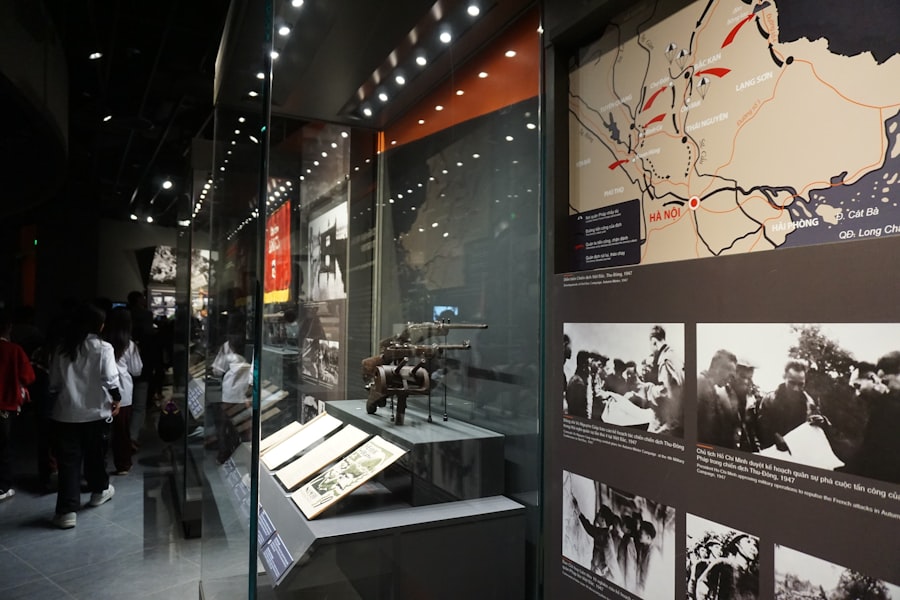
WARNING: The $800 Million Mechanical Failure That Almost Started WWIII
FAQs
What was CIA Project Azorian?
CIA Project Azorian was a secret Cold War operation conducted by the United States in the early 1970s to recover a sunken Soviet submarine, K-129, from the Pacific Ocean floor. The project involved the use of a specially designed ship, the Hughes Glomar Explorer, to covertly raise the submarine for intelligence purposes.
What is the legacy of Project Azorian as of 2026?
As of 2026, the legacy of Project Azorian includes advancements in deep-sea recovery technology and intelligence-gathering techniques. The project remains a significant example of Cold War espionage and engineering ingenuity, influencing modern underwater salvage operations and covert intelligence missions.
How successful was Project Azorian in recovering the submarine?
Project Azorian partially succeeded in recovering a section of the Soviet submarine K-129, but the operation faced technical difficulties, and much of the submarine was not retrieved. Despite these challenges, the mission provided valuable intelligence and demonstrated the feasibility of deep-sea recovery.
What technological innovations resulted from Project Azorian?
Project Azorian led to innovations in deep-sea lifting technology, including the development of the massive mechanical claw used to grasp the submarine. It also advanced underwater navigation, remote operation systems, and covert maritime engineering techniques that have influenced subsequent oceanographic and military projects.
Is information about Project Azorian still classified?
While many details about Project Azorian have been declassified over the years, some aspects of the operation remain classified or partially redacted to protect intelligence sources and methods. Researchers and historians continue to uncover new information as additional documents are released.