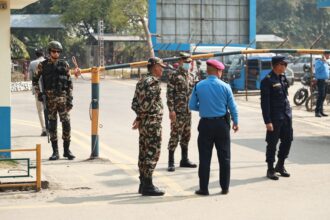
Military readiness is a multifaceted construct, encompassing not only the availability of personnel, equipment, and doctrine, but also the efficacy of the processes that govern their integration and deployment. While often discussed in terms of hardware or training exercises, the underlying procedural architecture of a military organization plays a critical role in maintaining and enhancing its operational capacity. When these procedural pathways become degraded or fail, the consequences can be far-reaching, impacting everything from unit cohesion to strategic deterrence. Understanding these procedural failure points is paramount for any defense establishment seeking to sustain a credible level of readiness in an increasingly complex global environment.
Materiel readiness, the ability of an organization to field and sustain the necessary equipment to accomplish its missions, is heavily reliant on robust and efficient logistical and maintenance procedures. When these foundational processes falter, the impact on the availability and serviceability of combat power can be profound.
Inadequate Supply Chain Management
The modern military operates within a globalized and intricate supply chain. Disruptions or inefficiencies at any point within this chain can have cascading effects on operational readiness.
Poor Inventory Control and Forecasting
A significant failure point lies in the inability to accurately forecast demand and maintain appropriate inventory levels. Overstocking leads to wasted resources and storage issues, while understocking results in critical shortages.
- Obsolete or Inappropriate Stock Levels: Failure to regularly update stocking lists based on evolving threat assessments and technological advancements can lead to substantial quantities of irrelevant materiel.
- Lack of Real-time Visibility: Ineffective digital systems or manual tracking methods prevent commanders from having an accurate, up-to-the-minute understanding of available stocks and their locations.
- Inefficient Procurement Processes: Bureaucratic hurdles, lengthy approval chains, and a lack of agility in procurement can result in delays in acquiring essential parts, consumables, and even major end-items. This can leave units with non-mission-capable equipment for extended periods.
Ineffective Transportation and Distribution Networks
Even if materiel is available, its timely delivery to the point of need is crucial. Deficiencies in transportation and distribution procedures can paralyze operational capabilities.
- Bottlenecks in Port Operations and Rail/Road Networks: Insufficient capacity, outdated infrastructure, or poor coordination can create significant delays in moving supplies from manufacturers or depots to operational units.
- Lack of Redundancy in Distribution Channels: Over-reliance on single transportation routes or modes of delivery creates vulnerability to disruption from natural disasters, political instability, or enemy action.
- Inadequate Cold Chain or Specialized Handling Procedures: For sensitive equipment, medical supplies, or munitions, failure to implement and adhere to specific environmental or handling protocols can lead to spoilage, damage, or degradation of effectiveness.
Substandard Maintenance and Repair Procedures
The operational life and reliability of military equipment depend on meticulous and timely maintenance. Procedural breakdowns in this area directly impact readiness.
Inconsistent Application of Maintenance Standards
A common failure point is the inconsistent or incomplete application of established maintenance protocols. This can stem from a variety of factors, all impacting equipment longevity and performance.
- Lack of Standardized Training for Technicians: If maintenance personnel are not adequately trained on the latest procedures or if training is delivered inconsistently across different units, errors and omissions are likely to occur.
- Insufficient Tools and Technical Data: Unavailability of specialized tools, diagnostic equipment, or up-to-date technical manuals can force technicians to improvise or postpone critical repairs, leading to further degradation.
- Pressure to meet unrealistic operational tempo: A culture that prioritizes immediate deployment over proper maintenance can lead to shortcuts, deferral of critical tasks, and increased risk of equipment failure in the field.
Inadequate Quality Control and Assurance
Failing to systematically verify the quality of maintenance work can mask underlying systemic issues and allow faulty repairs to persist.
- Absence of Independent Inspection Regimes: If maintenance procedures are solely supervised by the individuals performing the work, opportunities for oversight and correction are diminished.
- Poor Feedback Loops from the Field: When units report equipment failures that are a direct result of faulty maintenance, but this information is not effectively relayed back to the maintenance and training apparatus, the root cause will not be addressed.
- Reliance on Anecdotal Evidence: Decisions regarding maintenance procedures or technician training should be data-driven, not based on anecdotal reports of success or failure.
In examining the critical aspects of military readiness, it is essential to address the procedural failure points that can significantly impact operational effectiveness. A related article that delves deeper into this topic is available at In the War Room, where it discusses various factors contributing to procedural failures and their implications for military preparedness. Understanding these failure points is vital for developing strategies to enhance readiness and ensure mission success.
Degradation of Personnel Readiness through Procedural Deficiencies
Personnel readiness encompasses not just the number of qualified individuals but also their morale, discipline, and adaptability, all of which can be undermined by procedural failings.
Inefficient and Demoralizing Personnel Management Systems
The systems governing the assignment, training, and welfare of military personnel are critical to maintaining a motivated and effective force. When these systems are opaque, unfair, or inefficient, they can erode readiness at its foundation.
Flawed Assignment and Rotation Policies
The process by which personnel are assigned to units and deployed for operations can have significant consequences for both individual well-being and unit cohesion.
- Inequitable Distribution of Deployments: If certain units or specialties are consistently over-deployed while others remain underutilized, it can lead to burnout, resentment, and reduced willingness to serve.
- Lack of Consideration for Individual Skills and Career Development: Assignment policies that do not adequately consider an individual’s skills, aspirations, or the need for specialized training can result in misallocation of talent and a demotivated workforce.
- Insufficient Reintegration Support Post-Deployment: A lack of standardized procedures for helping personnel transition back to garrison life, reconnect with families, and address the psychological impacts of deployment can lead to long-term personnel issues.
Ineffective Training and Professional Development Pathways
The continuous development of skills and knowledge is essential in a dynamic military environment. Procedural failures in training can lead to a skills gap and diminished operational capacity.
- Outdated or Irrelevant Curricula: If training programs are not regularly updated to reflect current threats, technologies, and operational doctrines, personnel may be ill-equipped for their roles.
- Lack of Performance-Based Assessment: Focusing on rote memorization rather than assessing operational competency can result in individuals who can pass tests but struggle in real-world scenarios.
- Inconsistent Access to Training Opportunities: Disparities in access to advanced training, simulations, or professional military education across different units or branches can create an uneven playing field in terms of readiness.
Breakdown in Command and Control Structures
The ability of a military organization to effectively communicate, direct, and coordinate its forces during operations is paramount. Procedural failures in command and control (C2) can lead to chaos and mission failure.
Communication Interoperability Issues
While much focus is placed on technological solutions, the underlying procedural challenges of ensuring seamless communication between disparate systems and units can be a significant failure point.
- Lack of Interoperability Standards and Enforcement: Different branches or even different units within a branch may employ their own communication systems and protocols, creating silos that hinder information flow.
- Inadequate Procedural Protocols for Cross-Component Communication: Even with compatible technology, the lack of clear, rehearsed procedures for how different services or allied forces will communicate and share information can lead to confusion and delays.
- Over-reliance on Single Communication Channels: Similar to distribution networks, a lack of redundancy in communication pathways makes the C2 structure vulnerable to disruption.
Ambiguous Lines of Authority and Responsibility
Unclear command structures or overlapping responsibilities can lead to indecision, conflicting orders, and a general paralysis of action.
- Fuzzy Jurisdictional Boundaries in Joint Operations: In complex joint or coalition environments, the absence of clearly defined command relationships and operational mandates can lead to disputes and inefficiencies.
- Lack of Clear Delegation of Authority at Lower Echelons: If commanders are not empowered to delegate effectively, operational decision-making can become bottlenecked at higher levels, slowing response times.
- Weak Accountability Mechanisms: When individuals or units fail to execute their assigned tasks due to procedural confusion, a lack of clear accountability can perpetuate the problem.
The Impact of Doctrinal Inertia on Readiness
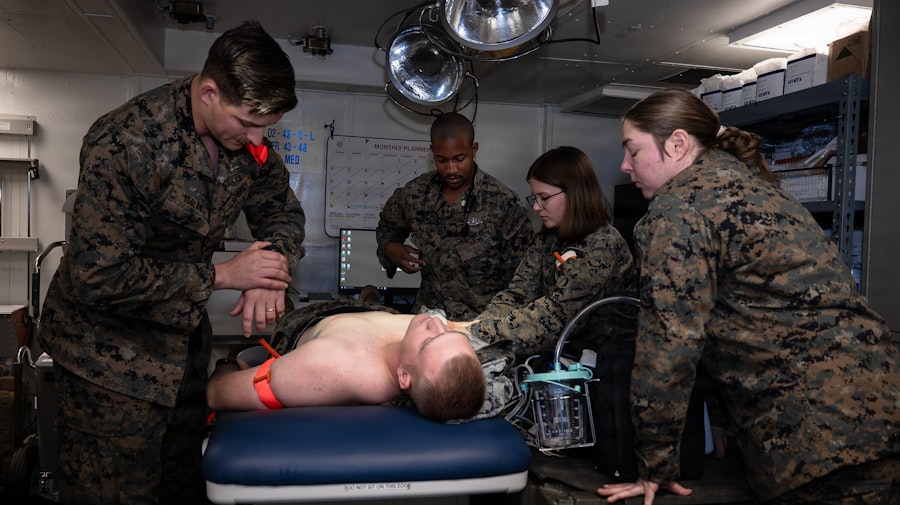
Doctrine, the codified body of fundamental principles by which military forces guide their actions, provides the framework for operations. When doctrinal development and implementation become stagnant or disconnected from reality, it represents a significant procedural failure point.
Resistance to Doctrinal Evolution
Military organizations are inherently conservative, and this can manifest as a resistance to changing established doctrines, even when faced with new threats or methodologies.
Bureaucratic Inertia in Doctrine Revision
The process of developing, validating, and disseminating new doctrine can be lengthy and complex, often involving multiple committees, approvals, and stakeholder consultations. This can slow down the pace of change considerably.
- Overemphasis on Consensus-Building at the Expense of Timeliness: While consensus is important, an insistence on unanimous agreement can prevent the timely adoption of necessary doctrinal adjustments.
- Lack of Expertise in Emerging Domains: If the individuals responsible for doctrinal development lack sufficient expertise in new areas such as cyber warfare, information operations, or advanced autonomous systems, the doctrine will quickly become obsolete.
- Insufficient Integration of Lessons Learned: The failure to systematically collect, analyze, and incorporate lessons learned from exercises and actual operations into doctrinal updates is a critical procedural weakness.
Disconnect Between Doctrine and Practice
Even if doctrine is updated, its effective implementation at the operational level is not guaranteed. A disconnect between theoretical doctrine and practical application represents a significant failure.
- Lack of Practical Training on New Doctrinal Concepts: If new doctrines are promulgated without corresponding practical training exercises that allow personnel to internalize and apply the concepts, their impact will be minimal.
- Doctrine That Does Not Align with Available Resources or Capabilities: Issuing doctrine that assumes resources or capabilities that are not readily available can lead to frustration and a perception of impracticality.
- Failure to Adapt Doctrine to Specific Operational Contexts: Rigidly applying a universal doctrine across all operational scenarios without allowing for necessary adaptation to the specific geographic, political, and cultural contexts can lead to suboptimal outcomes.
Inadequate Doctrine for Emerging Threats
The pace of technological and geopolitical change often outstrips the ability of traditional military organizations to develop and disseminate doctrine that addresses new and evolving threats.
Slow Response to Technological Advancement
The rapid development of technologies such as artificial intelligence, hypersonic weapons, and advanced cyber capabilities requires a corresponding evolution in military thinking and operational procedures.
- Lack of Foresight and Proactive Research and Development Integration: Failure to actively invest in and integrate research and development efforts into doctrinal planning processes can leave a military behind.
- Difficulty Adapting Existing Frameworks to New Paradigms: Existing doctrinal frameworks may not be readily adaptable to fundamentally new ways of warfare, requiring a more radical rethinking.
Insufficient Attention to Hybrid and Grey-Zone Warfare
Modern conflicts increasingly involve a combination of conventional, irregular, and information warfare tactics, often in the “grey zone” below the threshold of overt armed conflict.
- Doctrinal Gaps in Non-Kinetic Warfare: Many traditional doctrines are heavily focused on kinetic engagements, leaving gaps in how to effectively counter influence operations, cyber attacks, or economic coercion.
- Lack of Integration Between Different Services for Multi-Domain Operations: Effectively addressing hybrid threats requires seamless coordination and integration across multiple domains – land, sea, air, space, and cyber – which may not be adequately addressed by service-specific doctrines.
Procedural Failures in Intelligence Gathering and Analysis
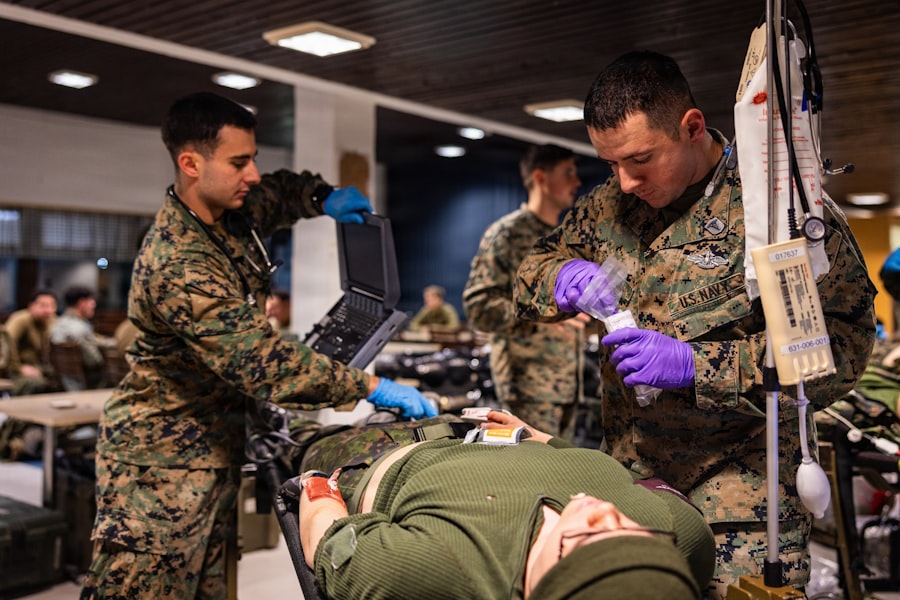
The ability to understand the operating environment, identify threats, and inform decision-making is critically dependent on effective intelligence processes. Procedural lapses here can lead to strategic miscalculation and operational paralysis.
Inefficient Intelligence Collection Methodologies
The collection of intelligence is a complex undertaking requiring the coordination of various assets and methodologies. Procedural issues can hinder the acquisition of timely and relevant data.
Lack of Inter-Agency and Inter-Service Coordination
Intelligence gathering often involves multiple agencies and services, each with their own methodologies and priorities. A lack of procedural interoperability can lead to duplication of effort or critical intelligence gaps.
- Siloed Collection Efforts: Agencies may operate independently, failing to share raw data or coordinate their collection priorities, leading to missed opportunities.
- Incompatible Reporting Formats and Classification Levels: Differences in how information is reported and classified can create barriers to seamless intelligence sharing.
- Insufficient Procedural Mechanisms for Joint Intelligence Requirements Definition: A lack of clear processes for jointly defining intelligence needs can result in collection activities that are not aligned with commander’s requirements.
Over-reliance on Specific Collection Platforms
A procedural failure can occur when an organization relies too heavily on a particular type of intelligence collection, making it vulnerable if that platform is compromised or unavailable.
- Neglect of Human Intelligence (HUMINT) or Open-Source Intelligence (OSINT) in Favor of Technical Means: While expensive technical assets are valuable, a reduction in investing in and training personnel for HUMINT or OSINT can prove detrimental.
- Lack of Agility in Shifting Collection Priorities: Resistance to reallocating resources or changing collection methodologies in response to evolving threats can lead to overlooking critical information.
Inadequate Intelligence Analysis and Dissemination
Intelligence is only valuable if it is accurately analyzed and disseminated to those who need it in a timely and understandable manner. Procedural breakdowns in these areas are critical failure points.
Analysis Paralysis and Bias
The process of analyzing vast amounts of collected data can be subject to procedural flaws that lead to inaccurate assessments or delays in providing actionable intelligence.
- Lack of Standardized Analytical Frameworks: Inconsistent analytical approaches can lead to differing conclusions from the same data sets, creating confusion for decision-makers.
- Confirmation Bias in the Analysis Process: A procedural failure to actively challenge assumptions and seek disconfirming evidence can lead analysts to prematurely conclude what they expect to find.
- Insufficient Peer Review and Red Teaming: The absence of robust peer review processes or dedicated “red teams” to challenge analytical findings can allow biases and errors to persist.
Poor Dissemination and Fusion of Intelligence
Even with good analysis, the failure to get the right information to the right people at the right time is a critical procedural weakness.
- Information Overload and Filtering Failures: Decision-makers can be overwhelmed by excessive or irrelevant intelligence if proper filtering and prioritization procedures are not in place.
- Lack of Secure and Efficient Dissemination Channels: The failure to establish reliable and secure channels for disseminating intelligence can lead to delays, information compromise, or denial of access to critical data.
- Insufficient Intelligence Fusion Centers: The inability to effectively fuse intelligence from various sources and domains into a coherent picture can lead to fragmented understanding and ineffective decision-making.
In examining the critical aspects of military readiness, it is essential to consider the implications of procedural failure points that can hinder operational effectiveness. A related article discusses how these failures can impact overall mission success and highlights the importance of rigorous training and adherence to protocols. For more insights on this topic, you can read the article at In the War Room, which delves into the challenges faced by military organizations in maintaining readiness amidst complex operational environments.
Weaknesses in Strategic Planning and Decision-Making Processes
| Procedural Failure Points | Military Readiness |
|---|---|
| Lack of training | Decreased operational readiness |
| Equipment malfunction | Impact on mission effectiveness |
| Communication breakdown | Compromised coordination and response time |
| Logistical errors | Delayed deployment and supply shortages |
The ability of a military to project power and achieve national objectives is directly linked to the robustness of its strategic planning and decision-making mechanisms. Procedural flaws in these areas can lead to ineffective resource allocation, misaligned strategies, and ultimately, strategic failure.
Flawed Strategic Planning Methodologies
The process by which long-term defense objectives are formulated and resourced is a complex undertaking. Procedural weaknesses can lead to plans that are unrealistic, unsustainable, or misaligned with national interests.
Lack of Long-Term Foresight and Scenario Planning
A common failure point is the inability to adequately anticipate future threats and opportunities, leading to reactive rather than proactive strategic planning.
- Focus on Short-Term Budgetary Cycles Over Long-Term Strategic Needs: The pressure to meet immediate budgetary constraints can overshadow the need for sustained investment in long-term strategic capabilities.
- Insufficient Integration of Geopolitical and Economic Factors: Strategic planning often remains within the confines of military considerations, neglecting the broader geopolitical and economic factors that influence conflict and stability.
- Limited Use of Advanced Modeling and Simulation Techniques: The failure to invest in and utilize sophisticated tools for scenario planning and war-gaming can limit the exploration of potential outcomes and risks.
Inadequate Stakeholder Consultation and Coordination
Strategic planning requires input and buy-in from a wide range of stakeholders, including different government agencies, allies, and industry partners. Procedural failures in consultation can lead to ill-conceived plans.
- Insufficient Engagement with Civilian Leadership and Policymakers: A disconnect between military strategic planning and civilian oversight can result in plans that are not politically feasible or strategically aligned with national policy.
- Limited Consultation with Allies and Partners: Precluding input from key allies can lead to plans that are difficult to implement in coalition environments or that alienate important international relationships.
- Lack of Robust Industry Engagement: Failure to effectively consult with defense industries can lead to unrealistic expectations regarding technological development timelines or the feasibility of acquiring new capabilities.
Inefficient Decision-Making Cycles
The speed and effectiveness with which decisions are made at the strategic level can be a critical determinant of success or failure. Procedural bottlenecks can significantly hamper operational effectiveness.
Overly Centralized or Bureaucratic Decision-Making Processes
A tendency to concentrate decision-making at the highest levels, or to subject routine decisions to excessive bureaucratic review, can lead to delays and indecision.
- Lengthy Approval Chains for Minor Strategic Adjustments: The need for multiple layers of approval for even minor shifts in strategic direction can create inertia and prevent timely adaptation.
- Lack of Empowered Decision-Making Bodies at Appropriate Levels: If decision-making authority is not delegated to the most appropriate level, opportunities for rapid response may be missed.
- Insufficient Investment in Decision Support Tools: The absence of advanced analytical tools and information systems to support strategic decision-making can lead to decisions based on incomplete or outdated information.
Lack of Feedback Loops and Post-Decision Evaluation
The learning cycle is crucial for improving strategic planning and decision-making. Procedural failures in evaluating the effectiveness of decisions and incorporating lessons learned can perpetuate errors.
- Absence of Formalized Post-Action Reviews for Strategic Initiatives: A lack of systematic evaluation of the outcomes of major strategic decisions or initiatives prevents the identification of what worked and what did not.
- Failure to Incorporate Lessons Learned into Future Planning: If the findings from performance evaluations are not effectively integrated into future strategic planning processes, the organization is likely to repeat past mistakes.
- Resistance to Admitting Strategic Errors and Adjusting Course: A culture that punishes perceived failure can discourage honest evaluation and the necessary adjustments to strategic direction.
In conclusion, procedural failure points represent a pervasive and often overlooked threat to military readiness. While attention is rightly given to technological advancements and material superiority, the underlying organizational processes that govern their employment and sustainment are equally critical. Addressing these procedural vulnerabilities requires a sustained commitment to systemic analysis, continuous improvement, and a willingness to adapt to the evolving demands of the global security landscape. Ignoring these foundational elements risks creating an organization that is technologically advanced but procedurally fragile, ultimately undermining its capacity to meet its fundamental responsibilities.
FAQs
What are some common procedural failure points that can impact military readiness?
Some common procedural failure points that can impact military readiness include inadequate training, poor communication, equipment malfunctions, and lack of standardized procedures.
How does inadequate training affect military readiness?
Inadequate training can affect military readiness by leading to a lack of preparedness for various scenarios, decreased proficiency in using equipment and weapons, and an increased risk of errors during operations.
What role does poor communication play in impacting military readiness?
Poor communication can impact military readiness by leading to misunderstandings, delays in decision-making, and ineffective coordination among units, which can ultimately hinder the success of military operations.
How do equipment malfunctions impact military readiness?
Equipment malfunctions can impact military readiness by reducing the effectiveness of military assets, causing delays in operations, and posing safety risks to personnel. It can also lead to increased maintenance and repair costs.
Why is the lack of standardized procedures a potential procedural failure point for military readiness?
The lack of standardized procedures can be a potential procedural failure point for military readiness because it can lead to inconsistencies in operations, confusion among personnel, and an increased risk of errors or accidents. Standardized procedures help ensure that everyone is on the same page and can perform tasks efficiently and effectively.