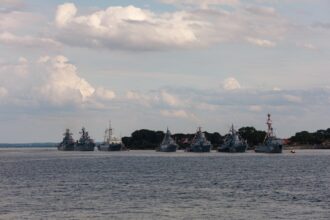
The maritime security sector has undergone substantial changes in recent decades due to the expanded role of private military contractors (PMCs). Several factors have driven this development, including increased incidents of maritime piracy, terrorist activities, and organized crime at sea.
Private contractors have emerged to address these gaps by offering specialized security services with greater operational flexibility and faster deployment capabilities compared to traditional military forces. This trend represents part of a broader shift toward privatized security services, where commercial entities increasingly provide protection in high-risk maritime environments. The expansion of PMCs in maritime operations has been accelerated by global trade growth and the corresponding increase in commercial shipping activity.
The development of new shipping routes and higher volumes of international cargo transport have created greater demand for maritime security services. Commercial shipping companies have increasingly contracted PMCs to protect their vessels, cargo, and crew members during transit through potentially dangerous waters. This privatization of maritime security functions has transformed industry practices while generating debate about the strategic implications of transferring such responsibilities from state to private actors.
The growing presence of PMCs in maritime operations continues to influence international security arrangements and regulatory frameworks governing commercial shipping.
Key Takeaways
- Private military contractors (PMCs) are increasingly prominent in maritime security operations worldwide.
- PMCs offer specialized training, rapid deployment, and cost-effective solutions for protecting vessels and maritime assets.
- Regulatory challenges and legal ambiguities complicate the oversight and accountability of PMCs in maritime contexts.
- Collaboration between PMCs and government navies enhances overall maritime security but raises ethical and operational concerns.
- The future of maritime security relies on balancing the benefits of PMCs with robust legal frameworks and international cooperation.
The Role of Private Military Contractors in Maritime Security
Private military contractors play a multifaceted role in enhancing maritime security, providing a range of services that include armed protection for vessels, risk assessments, and crisis management. Their primary function is to deter potential threats, such as piracy and armed robbery at sea, by deploying trained personnel equipped with advanced technology and weaponry. This proactive approach not only protects shipping interests but also contributes to the overall stability of maritime trade routes, which are vital for the global economy.
Moreover, PMCs often engage in intelligence gathering and analysis, offering valuable insights into emerging threats and vulnerabilities within specific regions. By leveraging their expertise and resources, these contractors can assist shipping companies in developing comprehensive security strategies tailored to their unique operational environments. In many cases, PMCs collaborate with local authorities and international organizations to enhance maritime security frameworks, fostering a cooperative approach that benefits all stakeholders involved.
This collaborative effort underscores the importance of PMCs as integral components of a broader maritime security ecosystem.
The Advantages of Hiring Private Military Contractors for Maritime Security

One of the primary advantages of hiring private military contractors for maritime security is their ability to provide rapid response capabilities. Unlike traditional naval forces, which may be constrained by bureaucratic processes and deployment timelines, PMCs can mobilize quickly to address emerging threats. This agility is particularly crucial in high-risk areas where time is of the essence, allowing shipping companies to mitigate risks effectively and ensure the safety of their assets.
Additionally, PMCs often bring specialized expertise and experience that may not be readily available within government forces. Many contractors are composed of former military personnel with extensive backgrounds in security operations, intelligence analysis, and crisis management. This wealth of knowledge enables them to implement best practices and innovative solutions tailored to the unique challenges posed by maritime environments.
Furthermore, the competitive nature of the private sector encourages PMCs to continuously improve their services and adapt to evolving threats, ensuring that clients receive cutting-edge security solutions.
The Challenges of Regulating Private Military Contractors in Maritime Security
Despite their advantages, the rise of private military contractors in maritime security presents significant regulatory challenges. The lack of a comprehensive legal framework governing PMCs at sea raises concerns about accountability and oversight. Unlike national militaries, which operate under strict legal and ethical guidelines, PMCs often operate in a gray area where jurisdictional issues complicate enforcement actions.
This ambiguity can lead to instances of misconduct or abuse, undermining the legitimacy of private security operations. Moreover, the diverse nature of PMCs—ranging from small firms to large multinational corporations—complicates efforts to establish uniform standards for training, conduct, and operational protocols. Without consistent regulations, there is a risk that some contractors may prioritize profit over ethical considerations, potentially jeopardizing the safety and rights of individuals involved in maritime operations.
As the reliance on PMCs continues to grow, addressing these regulatory challenges will be essential to ensure that maritime security remains effective and accountable.
The Training and Qualifications of Private Military Contractors for Maritime Security
| Metric | Description | Estimated Value | Notes |
|---|---|---|---|
| Number of Private Military Contractors (PMCs) at Sea | Estimated total personnel employed by PMCs operating in maritime environments | Approximately 5,000 – 7,000 | Includes security teams on commercial vessels and offshore platforms |
| Types of Operations | Common maritime security roles performed by PMCs | Anti-piracy, vessel protection, offshore platform security, intelligence gathering | Focus on high-risk areas such as Gulf of Aden and West Africa |
| Regions of Operation | Primary geographic areas where PMCs operate at sea | Horn of Africa, Gulf of Guinea, Southeast Asia, Caribbean | Regions with high piracy or maritime crime rates |
| Average Contract Duration | Typical length of deployment contracts for maritime PMC personnel | 3 to 6 months | Varies based on mission and client requirements |
| Number of Vessels Protected | Estimated number of commercial vessels employing PMC security teams annually | 1,000 – 1,500 vessels | Includes cargo ships, tankers, and offshore support vessels |
| Incidents Prevented | Reported maritime piracy or hijacking attempts thwarted by PMC presence | Over 200 incidents per year | Data based on industry reports and maritime security organizations |
| Training Hours per Contractor | Average annual training hours for PMC personnel operating at sea | 120 – 160 hours | Includes weapons handling, maritime law, and emergency response |
The training and qualifications of private military contractors are critical factors that determine their effectiveness in maritime security operations. Most reputable PMCs require their personnel to undergo rigorous training programs that encompass a wide range of skills necessary for operating in complex maritime environments. This training often includes firearms proficiency, tactical maneuvers, crisis response simulations, and legal compliance regarding the use of force.
In addition to physical training, many PMCs emphasize the importance of cultural awareness and language skills, particularly when operating in regions with distinct socio-political dynamics. Understanding local customs and norms can significantly enhance a contractor’s ability to navigate sensitive situations and build rapport with local stakeholders. Furthermore, ongoing professional development is essential for PMCs to stay abreast of emerging threats and technological advancements in maritime security.
By investing in comprehensive training programs, PMCs can ensure that their personnel are well-equipped to handle the challenges posed by modern maritime threats.
The Legal and Ethical Considerations of Using Private Military Contractors for Maritime Security
The use of private military contractors in maritime security raises important legal and ethical considerations that must be carefully navigated. One major concern is the potential for human rights violations during security operations. Given that PMCs operate in high-stakes environments where tensions can escalate rapidly, there is a risk that contractors may resort to excessive force or engage in unlawful practices.
Ensuring that PMCs adhere to international human rights standards is crucial for maintaining accountability and protecting vulnerable populations. Additionally, the legal status of PMCs operating at sea remains ambiguous under international law. While some countries have established regulations governing the activities of PMCs within their territorial waters, there is no comprehensive framework addressing their operations on the high seas.
This lack of clarity can lead to jurisdictional disputes and complicate efforts to hold contractors accountable for misconduct. As such, it is imperative for policymakers to develop clear legal guidelines that define the roles and responsibilities of PMCs in maritime security while safeguarding human rights and promoting ethical conduct.
Case Studies of Successful Private Military Contractor Operations in Maritime Security
Several case studies illustrate the successful application of private military contractors in enhancing maritime security. One notable example occurred off the coast of Somalia during the height of piracy incidents in the early 2000s. Shipping companies began hiring PMCs to provide armed escorts for vessels transiting through high-risk waters.
These contractors implemented effective deterrence strategies that significantly reduced piracy attacks on protected ships. The presence of armed security personnel not only safeguarded individual vessels but also contributed to a broader decline in piracy incidents in the region. Another successful operation involved a PMC providing security for oil tankers navigating through the Strait of Hormuz amid rising tensions between regional powers.
By deploying highly trained personnel equipped with advanced surveillance technology, the contractor was able to monitor potential threats and respond swiftly to any incidents. This proactive approach not only ensured the safety of critical energy supplies but also reassured stakeholders about the reliability of maritime transport routes in a volatile geopolitical landscape.
The Future of Private Military Contractors in Securing the Seas
As global trade continues to expand and maritime threats evolve, the future of private military contractors in securing the seas appears promising yet complex. The increasing reliance on PMCs reflects a broader trend toward privatization in security services across various sectors. However, this trend also necessitates ongoing discussions about regulation, accountability, and ethical considerations surrounding their operations.
Looking ahead, it is likely that technological advancements will play a pivotal role in shaping the future landscape of maritime security provided by PMCs. Innovations such as unmanned aerial vehicles (UAVs), advanced surveillance systems, and artificial intelligence could enhance situational awareness and response capabilities for contractors operating at sea. As these technologies become more integrated into maritime security strategies, PMCs will need to adapt their training programs and operational protocols accordingly.
The Cost of Hiring Private Military Contractors for Maritime Security
While hiring private military contractors can offer significant advantages in terms of rapid response and specialized expertise, it is essential for shipping companies to consider the associated costs carefully. The financial implications of contracting PMCs can vary widely depending on factors such as the level of risk involved, the duration of services required, and the specific capabilities needed for each operation. In many cases, companies may find that investing in PMC services ultimately proves cost-effective when weighed against potential losses from piracy or other maritime threats.
The costs associated with a successful hijacking or cargo theft can far exceed those incurred by hiring professional security personnel. However, it is crucial for companies to conduct thorough due diligence when selecting a PMC partner to ensure they receive quality services that align with their budgetary constraints while maintaining high standards for safety and effectiveness.
The Relationship between Private Military Contractors and Government Navies in Maritime Security
The relationship between private military contractors and government navies is complex and multifaceted. While both entities share a common goal of ensuring maritime security, their approaches often differ significantly due to varying mandates, resources, and operational frameworks. In many cases, government navies may view PMCs as valuable partners that can augment their capabilities during times of heightened threat or resource constraints.
However, this partnership is not without its challenges. Government navies must navigate concerns about accountability and oversight when collaborating with private contractors.
As such, fostering open communication channels between government navies and PMCs will be essential for developing effective collaborative strategies that enhance overall maritime security.
The Impact of Private Military Contractors on Global Maritime Security Efforts
The increasing presence of private military contractors in maritime security has had a profound impact on global efforts to combat piracy, terrorism, and other threats at sea. By providing specialized services tailored to specific risks faced by shipping companies, PMCs have contributed significantly to enhancing safety along critical trade routes. Their ability to respond quickly to emerging threats has proven invaluable in an era where traditional naval forces may be stretched thin due to budgetary constraints or operational commitments elsewhere.
Moreover, PMCs have played a crucial role in fostering international cooperation among various stakeholders involved in maritime security efforts. By collaborating with local authorities, international organizations, and government navies, these contractors have helped create comprehensive security frameworks that address both immediate threats and long-term stability concerns within affected regions. As global trade continues to expand and new challenges emerge on the horizon, the role of private military contractors will likely remain central to ensuring safe passage across the world’s oceans while navigating complex geopolitical landscapes.
Private military contractors (PMCs) have increasingly found their roles extending beyond traditional battlefields, with operations at sea becoming a focal point for maritime security. The complexities of modern piracy and the protection of shipping lanes have led to a rise in the use of PMCs in naval operations. For a deeper understanding of the implications and dynamics of this trend, you can read more in the article available at In the War Room.
WATCH THIS! 🌊 The Invisible Army That Controls Global Shipping
FAQs
What are private military contractors at sea?
Private military contractors at sea are private companies or individuals hired to provide security, military, or defense services on maritime vessels or in maritime environments. They often protect ships from piracy, secure offshore installations, or support naval operations.
What roles do private military contractors perform at sea?
They typically perform roles such as armed security for commercial vessels, anti-piracy operations, maritime surveillance, escort services, and protection of offshore oil rigs or other critical infrastructure.
Are private military contractors at sea legally allowed to carry weapons?
Yes, private military contractors can carry weapons at sea, but their armament and use of force are regulated by international laws, the laws of the flag state of the vessel, and the jurisdictions of the countries they operate in.
How do private military contractors differ from national navies?
Private military contractors are hired by private entities and operate for profit, whereas national navies are government military forces tasked with national defense. Contractors typically provide specialized security services rather than engaging in broader military operations.
What are the risks associated with using private military contractors at sea?
Risks include legal and jurisdictional challenges, potential escalation of violence, accountability issues, and the possibility of contractors being involved in human rights violations or conflicts of interest.
How are private military contractors regulated at sea?
Regulation involves a combination of international maritime law, national laws of the vessel’s flag state, and contractual agreements. Organizations like the International Maritime Organization (IMO) provide guidelines, but enforcement can vary.
Why do shipping companies hire private military contractors?
Shipping companies hire private military contractors primarily to protect vessels and crew from piracy, especially in high-risk areas like the Gulf of Aden or the Strait of Malacca, and to ensure safe passage through dangerous waters.
Can private military contractors engage in combat at sea?
While they can use force in self-defense or to protect the vessel, private military contractors are generally not authorized to engage in offensive combat operations like national navies. Their use of force is typically limited and regulated.
What is the difference between private military contractors and private security companies at sea?
Private military contractors often have military training and may provide armed security and tactical support, while private security companies may offer unarmed security or less specialized services. The terms sometimes overlap depending on the services provided.
Are private military contractors at sea involved in anti-piracy operations?
Yes, one of the primary roles of private military contractors at sea is to conduct anti-piracy operations, protecting commercial vessels from pirate attacks in high-risk maritime regions.