
The integration of private military contractors (PMCs) into the global security apparatus is a phenomenon that has steadily grown in prominence since the late 20th century. Initially conceived as cost-saving alternatives for logistical support and base security, PMCs have, in many instances, expanded their operational scope to encompass highly specialized areas, including intelligence gathering, training, and, increasingly, cyber warfare. This evolution has given rise to sophisticated cyber warfare platforms operated and maintained by these private entities, presenting a complex and often opaque dimension to modern conflict and national security.
The increasing reliance on digital infrastructure for virtually every aspect of modern life, from critical government functions to civilian services, has made cyberspace a significant and attractive domain for both state and non-state actors. Consequently, the development and deployment of offensive and defensive cyber capabilities have become paramount. PMCs, with their inherent flexibility, specialized expertise, and ability to operate with a degree of deniability, are well-positioned to fill perceived gaps in state-provided cyber capabilities or to execute missions that governments may wish to distance themselves from. These platforms are not merely aggregations of off-the-shelf software; they represent meticulously crafted systems designed for specific operational objectives, often blurring the lines between intelligence, offense, and defense.
The nature of these PMC cyber warfare platforms is diverse, ranging from sophisticated tools for espionage and surveillance to potent offensive capabilities capable of disrupting or destroying critical infrastructure. Their development is driven by a complex interplay of technological advancement, geopolitical pressures, and market demand, creating a dynamic and often unpredictable environment. Understanding these platforms requires an examination of their origins, their operational methodologies, their legal and ethical implications, and the broader strategic context in which they function. This article will delve into these aspects, providing a nuanced perspective on the role and impact of PMC cyber warfare platforms.
Private military contractors are increasingly expanding their capabilities into the realm of cyber warfare, utilizing advanced platforms to conduct operations that can influence global security dynamics. A related article that explores the implications of these developments is available at In the War Room, where experts discuss the intersection of private military operations and cyber capabilities, shedding light on the potential risks and benefits associated with this trend.
Genesis and Evolution of PMC Cyber Capabilities
The journey of PMCs into the cyber domain is a natural, albeit rapid, progression from their earlier roles. As conflicts became increasingly digitized and information warfare gained traction, the demand for specialized cyber skills within military and intelligence structures grew. Governments, facing internal procurement challenges, personnel limitations, or the desire for agility, began outsourcing these functions to private companies.
Early Outsourcing and Skill Acquisition
Initially, PMC involvement in cyber-related activities was often limited to providing IT support, network security maintenance, and basic digital forensics for deployed forces. However, this foundational engagement allowed these companies to build in-house expertise and cultivate relationships with individuals possessing advanced technical skills.
From IT Support to Network Defense
The transition from routine IT support to more proactive network defense was a crucial step. Companies began offering services related to vulnerability assessment, penetration testing, and the development of defensive countermeasures against emerging cyber threats. This phase saw the recruitment of former government cyber analysts and hackers, bringing with them valuable experience and an understanding of operational requirements.
The Rise of Specialized Cyber Firms
As the market matured, a distinct class of specialized cyber security and intelligence firms emerged within the PMC ecosystem. These entities were not simply general contractors dabbling in IT; their core business revolved around providing advanced cyber solutions, including offensive and defensive capabilities, to government and private sector clients.
The Influence of Geopolitical Shifts
The global geopolitical landscape has been a significant catalyst for the expansion of PMC cyber capabilities. Conflicts characterized by information warfare, state-sponsored hacking campaigns, and the rise of sophisticated cybercriminal organizations have underscored the importance of robust cyber defenses and, in some cases, offensive cyber operations.
Asymmetric Warfare and Cyber Tools
In asymmetrical conflicts, where conventional military power is not a viable option, cyber warfare has become a potent tool for actors seeking to gain an advantage. PMCs, capable of operating in a grey zone of conflict where attribution can be difficult, have found a niche in providing these capabilities to various state and non-state entities.
Demand for Persistent Engagement
The need for persistent engagement in cyberspace, both for intelligence collection and to deter potential adversaries, has also driven demand for PMC expertise. Governments may lack the continuous operational capacity or the specialized tools required for such sustained efforts, leading them to turn to private providers.
Technological Advancements and Market Opportunities
The rapid pace of technological change in the digital realm has also fueled the growth of PMC cyber platforms. The constant innovation in hacking techniques, malware development, and data exploitation has created a dynamic market for specialized cyber tools and services.
Exploiting the Exploit Market
The existence of a thriving market for zero-day exploits and other advanced hacking tools has provided PMCs with access to cutting-edge offensive capabilities. These exploits, often sourced from independent researchers or even the dark web, can be integrated into PMC platforms for highly targeted operations.
The Commercialization of Cyber Capabilities
The commercialization of cyber capabilities, encompassing both offensive and defensive technologies, has created lucrative opportunities for PMCs. Companies can develop proprietary tools and platforms, offering them as services to clients seeking to enhance their cyber posture or project power in the digital realm.
Structure and Functionality of PMC Cyber Warfare Platforms

PMC cyber warfare platforms are not monolithic entities. Their architecture and functionality vary greatly depending on the intended purpose, the client’s specific requirements, and the nature of the target environment. However, certain common structural and functional elements can be identified across many of these sophisticated systems. They are designed to be adaptable, scalable, and, often, discreet.
Modular Design and Adaptability
A key characteristic of effective cyber warfare platforms is their modularity. This allows for the rapid integration of new tools, techniques, and functionalities as the threat landscape evolves or as new operational requirements emerge.
Core Infrastructure and Exploit Libraries
At the heart of such platforms lies a robust core infrastructure that facilitates command and control, data exfiltration, and operational management. This is often complemented by extensive libraries of exploits, malware, and other offensive tools, meticulously cataloged and categorized for various operational scenarios.
C2 (Command and Control) Systems
Sophisticated Command and Control (C2) systems are essential for managing deployed assets and coordinating operations. These systems often employ advanced obfuscation techniques to evade detection by network defenders, ensuring the secrecy and persistence of operations.
Operational Modalities and Targeting
The operational modalities of PMC cyber warfare platforms are diverse, encompassing a spectrum of activities from passive intelligence gathering to active disruption. The targeting mechanisms employed are equally varied and often highly refined.
Intelligence, Surveillance, and Reconnaissance (ISR) Capabilities
Many PMC platforms are heavily focused on ISR. This can involve sophisticated tools for collecting metadata, capturing network traffic, exploiting vulnerabilities to gain persistent access to sensitive systems, and harvesting vast amounts of data for analysis.
Spear Phishing and Social Engineering Tools
Social engineering, particularly spear phishing, remains a highly effective method for gaining initial access. PMC platforms often include automated tools and frameworks for crafting highly personalized and convincing phishing campaigns, leveraging detailed intelligence on target individuals or organizations.
Network Exploitation and Lateral Movement
Once a foothold is established within a target network, PMC platforms facilitate internal reconnaissance and lateral movement. This involves exploiting internal vulnerabilities, credential harvesting, and privilege escalation techniques to gain deeper access and control.
Data Exfiltration and Analysis
The ultimate goal of many offensive cyber operations, particularly those focused on intelligence gathering, is the exfiltration of data. PMC platforms are designed with this end in mind, employing a range of techniques to extract sensitive information stealthily.
Covert Data Transfer Mechanisms
Exfiltration often involves utilizing covert data transfer mechanisms that blend in with normal network traffic or leverage encrypted channels that are difficult to detect. This can include steganography, DNS tunneling, or the use of compromised infrastructure as intermediaries.
Big Data Analytics and Machine Learning for Intelligence
The sheer volume of data collected necessitates advanced analytical capabilities. PMC platforms often integrate big data analytics and machine learning algorithms to sift through vast datasets, identify patterns, anomalies, and actionable intelligence, and to automate the process of threat detection and analysis.
Operational Applications and Mission Sets
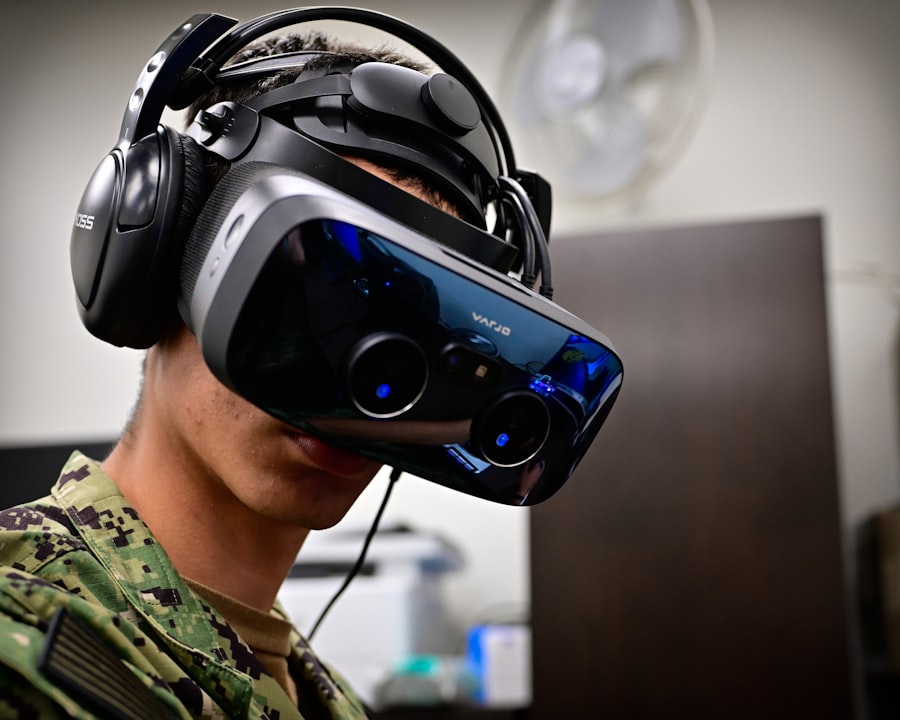
The operational applications of PMC cyber warfare platforms are as varied as the organizations that procure them. These platforms are deployed in a range of contexts, from national security operations to corporate espionage, reflecting the pervasive influence of cyberspace in contemporary affairs.
State-Sponsored Cyber Operations
Governments, facing the complexities of international cyber competition, often leverage PMCs to conduct operations that may be deniable or require specialized expertise and agility not readily available within their own ranks.
Offensive Cyber Operations (OCO)
OCO encompasses a broad spectrum of activities, including the disruption of enemy command and control systems, the degradation of critical infrastructure, and the dissemination of disinformation. PMC platforms can be instrumental in executing these complex, multi-stage operations.
Intelligence Gathering and Espionage
The clandestine collection of intelligence is a core mission for many state actors. PMC platforms can be employed for persistent espionage, targeting adversarial governments, military organizations, or key industries to acquire sensitive information.
Influence Operations and Disinformation Campaigns
In the realm of information warfare, PMC platforms can be utilized to orchestrate and amplify influence operations and disinformation campaigns. This involves the creation and dissemination of propaganda, the manipulation of social media, and the attribution of false narratives.
Corporate Espionage and Competitive Advantage
Beyond state actors, private entities also seek to leverage cyber capabilities for competitive advantage. PMCs can be contracted by corporations to gain insights into competitors’ strategies, intellectual property, or market vulnerabilities.
Industrial Espionage
This involves the unauthorized acquisition of trade secrets, proprietary research, or sensitive business information from rival companies. PMC platforms can be highly effective in penetrating corporate networks and exfiltrating valuable data.
Market Intelligence and Strategic Analysis
Beyond outright theft, PMCs can be employed to conduct sophisticated market intelligence operations, gathering data on competitor product development, pricing strategies, and customer sentiment to inform strategic decision-making.
Counter-Terrorism and Law Enforcement Support
In the fight against terrorism and organized crime, PMCs can provide specialized cyber capabilities to law enforcement agencies and national security organizations.
Digital Forensics and Evidence Collection
PMC expertise can be crucial in complex digital investigations, aiding in the recovery of deleted data, the analysis of cyber-forensic evidence, and the reconstruction of cyber-attack timelines.
Threat Intelligence and Early Warning Systems
PMCs can develop and operate threat intelligence platforms that monitor the dark web, analyze emerging cyber threats, and provide early warning systems to protect critical infrastructure and national security interests.
Private military contractors are increasingly integrating cyber warfare platforms into their operations, reflecting a significant shift in modern conflict dynamics. These advanced technologies not only enhance traditional combat capabilities but also enable contractors to conduct sophisticated cyber operations that can disrupt enemy communications and infrastructure. For a deeper understanding of how these developments are shaping the future of warfare, you can read this insightful article on the topic. It explores the implications of private military contractors’ involvement in cyber warfare and the potential consequences for global security. Check it out here.
Legal, Ethical, and Oversight Challenges
| Platform | Capabilities | Targeted Industries |
|---|---|---|
| DarkMatter | Offensive cyber operations, intelligence gathering | Government, critical infrastructure |
| NSO Group | Mobile device hacking, surveillance | Law enforcement, government agencies |
| CrowdStrike | Endpoint security, threat intelligence | Enterprise, financial services |
The involvement of PMCs in cyber warfare introduces a complex web of legal, ethical, and oversight challenges. The opaque nature of these operations, coupled with the ambiguity of international law in cyberspace, creates significant hurdles in ensuring accountability and preventing abuse.
Sovereignty and Attribution Issues
The ability of PMCs to operate across national borders and to mask their activities raises profound questions about sovereignty and attribution in cyberspace. When a cyberattack is carried out by a PMC, determining who is ultimately responsible – the PMC, its client, or both – can be an exceedingly difficult task.
The Black Hole of Deniability
The inherent deniability that PMCs can afford their clients is a significant concern. This allows states to engage in cyber operations without direct political or legal repercussions, potentially emboldening aggressive behavior.
International Law and Cyber Warfare
The existing frameworks of international law, largely designed for traditional warfare, are often ill-equipped to address the unique challenges of cyber warfare. The absence of clear definitions, rules of engagement, and enforcement mechanisms creates legal ambiguity and a potential for unchecked actions.
Accountability and Transparency Deficits
The private nature of PMCs often leads to a deficit in transparency and accountability. Unlike governmental bodies, PMCs are not always subject to the same public scrutiny or freedom of information requests, making it difficult to ascertain their activities and their impact.
Contracting and Oversight Mechanisms
The contractual arrangements between governments and PMCs can be highly classified, obscuring the scope of operations and the limitations placed upon these entities. Weak oversight mechanisms can further exacerbate the risks of unauthorized or unethical conduct.
Whistleblower Protection and Internal Controls
The absence of robust whistleblower protection mechanisms within the PMC sector can stifle internal reporting of misconduct. Moreover, the effectiveness of internal controls within these private organizations is often difficult to independently verify.
Dual-Use Technologies and Proliferation Risks
Many of the technologies and techniques employed in cyber warfare have dual-use applications. This means that tools developed for defensive purposes can be easily repurposed for offensive operations, raising concerns about the proliferation of advanced cyber capabilities.
The Global Market for Cyber Tools
The existence of a global market for cyber tools and services, some of which are developed and maintained by PMCs, creates a risk of these capabilities falling into the wrong hands, including those of rogue states or terrorist organizations.
Restricting Access and Controlling Development
Effectively restricting access to and controlling the development of advanced cyber offensive capabilities remains a significant challenge. The rapid pace of innovation and the decentralized nature of software development make traditional arms control models difficult to apply.
The Future Trajectory of PMC Cyber Warfare Platforms
The role of PMCs in cyber warfare is unlikely to diminish; instead, it is poised for continued expansion and evolution. As cyberspace becomes an increasingly critical theater of operations, the demand for specialized cyber capabilities will only grow, and PMCs are strategically positioned to meet this demand.
Increased Sophistication and Specialization
The future will likely see PMC cyber warfare platforms becoming even more sophisticated and specialized. This will involve the integration of artificial intelligence and machine learning for autonomous operations, the development of novel exploitation techniques, and the creation of highly tailored solutions for specific operational contexts.
AI-Driven Cyber Operations
The integration of AI into cyber warfare platforms could enable more sophisticated and adaptive offensive and defensive capabilities. Autonomous systems could identify vulnerabilities, launch attacks, and respond to threats with unprecedented speed and scale.
Emerging Cyber Threats and Countermeasures
As new cyber threats emerge, so too will the need for advanced countermeasures. PMCs will continue to play a crucial role in developing and deploying these defenses, often in close collaboration with government intelligence agencies.
Blurring Lines Between State and Private Actors
The lines between state-sponsored cyber operations and those conducted by PMCs will likely continue to blur. This could involve increased subcontracting of specific cyber tasks to PMCs, or even the tacit approval of certain operations conducted by private entities.
Government-Private Partnerships
The trend towards closer collaboration between governments and PMCs in the cyber domain is expected to continue. This could manifest in joint research and development initiatives, shared threat intelligence, and coordinated operational planning.
The Rise of “Grey Zone” Operations
PMCs are ideally suited to conduct operations in the “grey zone” – the ambiguous space between peace and open conflict. Their involvement in cyber warfare further facilitates these operations, allowing for actions that fall below the threshold of publicly acknowledged warfare.
The Imperative for International Discourse and Regulation
The growing influence of PMC cyber warfare platforms underscores the urgent need for international discourse and, ultimately, regulation. Without greater transparency and accountability, the risks of escalation, unintended consequences, and misuse of these powerful capabilities will continue to grow.
Development of International Norms
Efforts to develop international norms of behavior in cyberspace, including clear guidelines for the use of offensive cyber capabilities, are crucial. This will require sustained diplomatic engagement and a willingness to address the complex legal and ethical challenges.
Mechanisms for Accountability and Oversight
Establishing robust mechanisms for accountability and oversight of PMC cyber operations is paramount. This may involve international treaties, industry self-regulation, or enhanced national legal frameworks that define the responsibilities and limitations of private military contractors operating in the cyber domain. The future of cybersecurity, and indeed global security, may well depend on navigating this complex and rapidly evolving landscape with wisdom and foresight.
FAQs
What are private military contractor cyber warfare platforms?
Private military contractor cyber warfare platforms are advanced technological systems used by private military companies to conduct cyber warfare operations. These platforms are designed to carry out offensive and defensive cyber operations, including hacking, data manipulation, and network disruption.
How do private military contractor cyber warfare platforms differ from traditional military cyber capabilities?
Private military contractor cyber warfare platforms are operated by private companies rather than government military agencies. They are often more agile and flexible than traditional military cyber capabilities, allowing for rapid deployment and adaptation to evolving cyber threats.
What are the potential risks and ethical concerns associated with private military contractor cyber warfare platforms?
The use of private military contractor cyber warfare platforms raises concerns about accountability, transparency, and the potential for misuse of cyber capabilities for malicious purposes. There are also ethical considerations regarding the use of private companies to conduct cyber warfare operations, as well as the potential for escalation of conflicts in the cyber domain.
How are private military contractor cyber warfare platforms regulated and monitored?
Regulation and monitoring of private military contractor cyber warfare platforms vary by country and jurisdiction. Some countries have specific laws and regulations governing the use of private military contractors in cyber warfare, while others rely on industry standards and contractual agreements to ensure compliance with legal and ethical norms.
What are the implications of private military contractor cyber warfare platforms for international security and conflict resolution?
The use of private military contractor cyber warfare platforms has the potential to reshape the landscape of international security and conflict resolution. These platforms can provide new capabilities for both state and non-state actors, potentially leading to increased cyber conflict and the need for new diplomatic and legal frameworks to address emerging cyber threats.