The seabed, a vast and often enigmatic realm beneath the ocean’s surface, holds a growing network of critical infrastructure. From communication cables to oil and gas pipelines, and increasingly, renewable energy installations, this submerged landscape is a silent workhorse, facilitating global connectivity and providing essential resources. The preservation of this infrastructure, however, is not a new concern. Its historical evolution reveals a continuous struggle against natural forces, human activity, and the immense challenges of the deep-sea environment. This article delves into the historical overview of preserving seabed infrastructure, tracing its development and highlighting the key milestones and challenges encountered along the way.
The late 19th century witnessed the advent of transoceanic telegraph cables, an engineering marvel that revolutionized global communication. These early endeavors marked the true beginning of seabed infrastructure and, consequently, the earliest attempts at its preservation.
The Vulnerability of Early Telegraph Cables
The initial submarine telegraph cables, often unarmored or lightly armored, were remarkably susceptible to damage. Readers might imagine these pioneering strands as delicate threads connecting continents. Their vulnerability was manifold:
- Natural Hazards: Volcanic activity, earthquakes, and strong underwater currents posed significant threats. The shifting seabed, like a restless giant, could drag and snap these early cables.
- Deep-Sea Fauna: Marine organisms, particularly large fish and sharks, were sometimes observed to interact with the cables, though the extent of direct damage was debated.
- Human Interference (Unintentional): Fishing trawlers, with their heavy nets, became an unforeseen adversary, snagging and severing cables, thereby disrupting vital communications. This issue, ironically, continues to plague modern cables.
Early Repair and Recovery Techniques
The immediate response to cable damage was repair. This necessitated the development of specialized ships and techniques. Cable-laying ships were repurposed for repair, equipped with grappling hooks and winches to locate and retrieve severed ends. The process was arduous, relying on sonar-like soundings and a great deal of seafaring skill. Readers might envision these early repair crews as deep-sea archaeologists, meticulously piecing together fragments of global communication. The “grapple and splice” method, essentially pulling up cable ends and rejoining them, was the mainstay of these operations. This era laid the groundwork for future advancements in subsea engineering.
The history of seabed infrastructure protection has evolved significantly over the years, particularly in response to increasing threats from natural disasters and human activities. A related article that delves deeper into this topic can be found at In the War Room, where experts discuss the challenges and advancements in safeguarding underwater cables and pipelines. This resource provides valuable insights into the strategies employed to ensure the resilience of critical maritime infrastructure.
The Age of Oil and Gas: Expanding the Subsea Footprint
The mid-20th century, particularly after World War II, ushered in a new era of seabed infrastructure: the extensive network of oil and gas pipelines. As hydrocarbon exploration moved offshore, so too did the necessity of transporting these resources.
The Challenges of Protecting Pipelines
Pipelines, typically much larger and heavier than communication cables, presented a distinct set of preservation challenges. Their larger footprint, like a buried artery, made them more susceptible to certain types of damage:
- Corrosion and Material Degradation: The harsh marine environment, with its corrosive saltwater and varying temperatures, significantly accelerated the degradation of steel pipelines. This necessitated the development of advanced coatings and cathodic protection systems, acting as a sacrificial shield against rust.
- Anchoring and Dropped Objects: Ships’ anchors, particularly in busy shipping lanes, posed a constant threat, capable of puncturing or severing pipelines. Dropped objects from surface vessels and drilling platforms also contributed to damage.
- Geohazards: Seabed instability, including landslides and subsidence, could exert immense stress on pipelines, leading to buckling or rupture. Geotechnical surveys became paramount in identifying and mitigating these risks.
Evolution of Protection Strategies
The preservation strategies for oil and gas pipelines evolved rapidly. Burying pipelines became a common practice in shallower waters to protect them from surface activities. Concrete weight coatings were applied to provide negative buoyancy and additional mechanical protection. Later, more sophisticated trenching and rock dumping operations were employed, essentially building a protective bunker around the pipelines.
The Rise of Fiber Optics and the Digital Revolution
The late 20th and early 21st centuries witnessed the dominance of fiber optic cables for global communication. These hair-thin strands, carrying immense amounts of data, introduced new complexities and, in some ways, amplified existing preservation concerns.
The Delicate Nature of Fiber Optics
While more robust in some aspects than their early telegraph predecessors, fiber optic cables are still inherently delicate when exposed to intense mechanical stress. Readers should consider these cables as digital veins, crucial for the flow of information.
- Increased Data Density: The sheer volume of data transmitted through modern fiber optic cables means that a single outage can have far-reaching consequences, affecting economies and connectivity on a global scale.
- Submarine Cable Protection Agreements: The heightened importance of these cables led to international agreements and conventions aimed at protecting them, such as the UN Convention on the Law of the Sea (UNCLOS), which includes provisions for the protection of submarine cables.
- Cable Landing Stations: The points where cables transition from the seabed to terrestrial networks are critical vulnerabilities, often requiring significant physical security and redundant infrastructure.
Advanced Burial and Monitoring Techniques
Modern fiber optic cable protection often involves extensive burial in challenging seabed conditions. Specialized plows and remotely operated vehicles (ROVs) are used for precise trenching. Real-time monitoring systems, utilizing optical time-domain reflectometry (OTDR), can detect disturbances along the cable path, allowing for quicker identification of potential damage.
Renewable Energy and the Future of Seabed Infrastructure
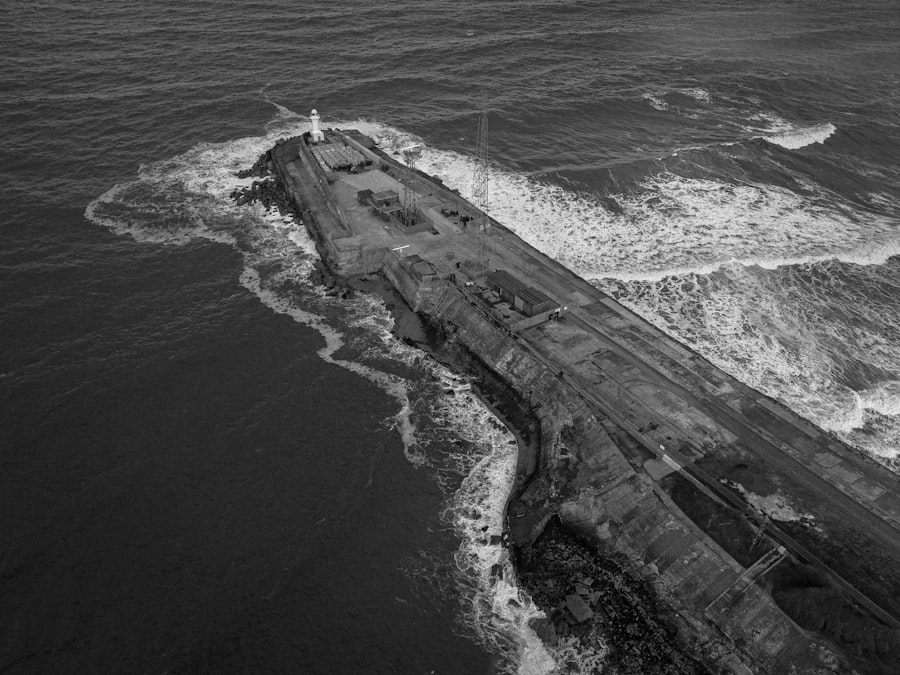
The 21st century has seen a significant shift towards renewable energy sources, with offshore wind farms, wave energy converters, and tidal power installations increasingly dotting the seabed. This new wave of infrastructure brings with it both familiar and novel preservation challenges.
The Unique Demands of Offshore Renewables
Offshore renewable energy infrastructure, with its complex array of foundations, inter-array cables, and export cables, presents a magnified version of previous challenges.
- Dynamic Environments: Offshore wind farms are often located in high-energy environments with strong currents and wave action, placing immense stress on foundations and cabling.
- Inter-Array Cable Protection: The intricate network of cables connecting individual turbines within a farm is particularly vulnerable to abrasion, fatigue, and damage from dropped objects during construction and maintenance.
- Scour Protection: The relentless action of currents can erode the seabed around foundations, leading to instability. Specialized scour protection measures, such as rock placement or mattresses, are essential.
Integrated Protection and Environmental Considerations
Preserving renewable energy infrastructure demands an integrated approach that considers both engineering solutions and environmental impact.
- Route Planning and Risk Assessment: Thorough environmental impact assessments (EIAs) and detailed seabed surveys are crucial for selecting optimal routes that minimize interaction with sensitive habitats and potential hazards.
- Smart Cable Design: Designing cables with enhanced armor, specialized coatings, and robust internal structures is becoming standard practice to withstand harsh conditions.
- Marine Spatial Planning (MSP): As the seabed becomes increasingly utilized, marine spatial planning becomes essential to avoid conflicts between different industries and ensure the long-term preservation of all seabed infrastructure. This is akin to urban planning for the ocean floor, ensuring that critical infrastructure has its safe and designated pathways.
The history of seabed infrastructure protection is a critical topic, especially as global reliance on underwater cables and pipelines continues to grow. Understanding the evolution of these protective measures can provide valuable insights into current practices and future developments. For a deeper exploration of this subject, you can read a related article that discusses various strategies and technologies employed to safeguard these vital assets. This article can be found at this link, which delves into the challenges and advancements in the field of seabed infrastructure protection.
The Ever-Evolving Landscape of Seabed Preservation
| Year | Event/Development | Region | Type of Infrastructure | Protection Measures Implemented | Impact/Outcome |
|---|---|---|---|---|---|
| 1980 | First international guidelines on seabed cable protection | Global | Submarine communication cables | Establishment of cable protection zones | Reduced accidental cable damage from fishing and anchoring |
| 1995 | Introduction of seabed pipeline protection standards | North Sea | Oil and gas pipelines | Mandatory burial depth and protective coverings | Decreased pipeline ruptures and environmental incidents |
| 2005 | Implementation of marine spatial planning including seabed infrastructure | Europe | Various (cables, pipelines, renewable energy) | Designated exclusion zones and coordinated use of seabed | Improved coexistence of infrastructure and marine activities |
| 2015 | Adoption of advanced monitoring technologies for seabed infrastructure | Global | Submarine cables and pipelines | Use of ROVs, sensors, and real-time data analytics | Enhanced early detection of threats and maintenance efficiency |
| 2022 | International agreement on seabed mining infrastructure protection | International Waters | Mining installations and related cables | Regulations on environmental impact and infrastructure safety | Framework for sustainable seabed resource exploitation |
The history of preserving seabed infrastructure is a continuous narrative of innovation and adaptation. From the pioneering efforts to repair telegraph cables to the sophisticated techniques employed for modern fiber optics and renewable energy installations, humanity has consistently sought to safeguard its submerged lifelines.
Technological Advancements and Future Outlook
The trajectory of preservation techniques points towards even greater sophistication.
- Autonomous Underwater Vehicles (AUVs): The increasing deployment of AUVs for inspection, maintenance, and even repair operations promises to make preservation more efficient and cost-effective, allowing for proactive intervention rather than reactive repair.
- Advanced Sensor Networks: The integration of real-time sensor networks capable of detecting even subtle changes in seabed conditions or cable integrity will provide unparalleled insights and early warning systems.
- Biodegradable Materials and Eco-Friendly Solutions: Future developments may see the use of materials that are not only robust but also environmentally benign, minimizing the ecological footprint of seabed infrastructure.
The Human Element and International Cooperation
Ultimately, the preservation of seabed infrastructure is a collective responsibility. International cooperation, adherence to best practices, and continuous research and development are paramount. Readers should reflect on the invisible threads and pipelines beneath the waves as the very arteries of our globalized world. Their continued integrity is not merely a technical challenge but a societal imperative, ensuring the seamless flow of communication, energy, and resources for generations to come. The lessons learned over a century and a half of subsea engineering continue to inform and inspire the ongoing efforts to protect these vital assets.
FAQs
What is seabed infrastructure?
Seabed infrastructure refers to the network of cables, pipelines, and other installations laid on or beneath the ocean floor to support telecommunications, energy transport, and other marine activities.
Why is protecting seabed infrastructure important?
Protecting seabed infrastructure is crucial because damage can disrupt communication networks, energy supplies, and marine operations, leading to significant economic and security impacts.
When did efforts to protect seabed infrastructure begin?
Efforts to protect seabed infrastructure began in the mid-20th century, coinciding with the expansion of submarine cables and pipelines after World War II.
What methods have been used historically to protect seabed infrastructure?
Historically, protection methods have included burying cables and pipelines beneath the seabed, establishing exclusion zones, monitoring with surveillance technologies, and international agreements to prevent damage.
How have international laws influenced seabed infrastructure protection?
International laws, such as the United Nations Convention on the Law of the Sea (UNCLOS), have established legal frameworks for the rights and responsibilities of nations in protecting seabed infrastructure and preventing interference or damage.