The Portuguese economy in the 15th century was significantly shaped by two key commodities: salt and wool. While often overshadowed by the burgeoning maritime explorations that defined the era, these traditional trade goods formed a foundational element of Portuguese wealth and international commerce. Their production, processing, and distribution, though perhaps less dramatic than voyages to distant lands, were crucial for sustaining the kingdom’s infrastructure, military, and everyday life, while also contributing to its growing prominence on the European stage.
Coastal Advantages and Early Methods
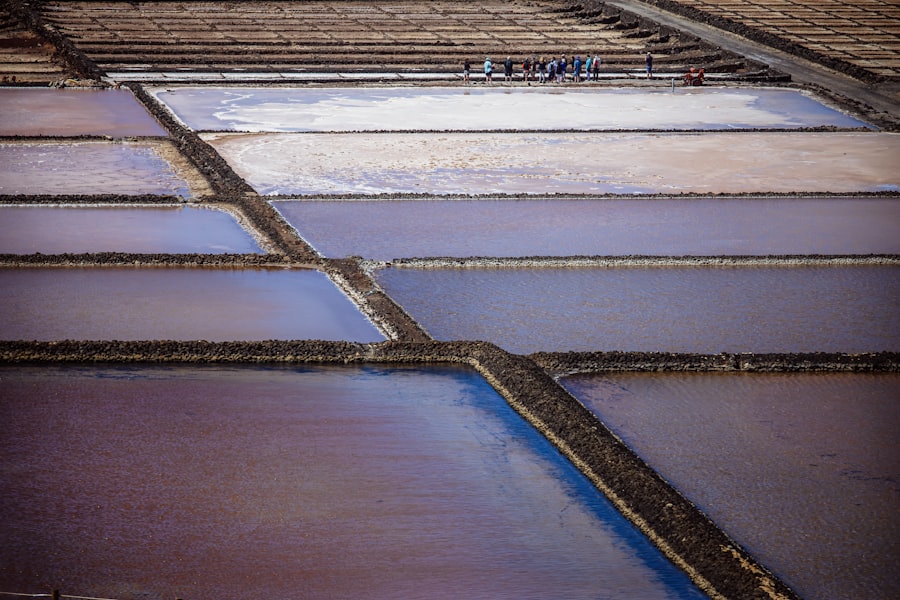
Portugal’s extensive coastline, particularly along the Algarve and the Alentejo, provided ideal conditions for salt production. The shallow, flat, and sun-drenched lagoons and estuaries were natural evaporators. Indigenous techniques, likely influenced by Roman and Moorish practices, involved creating intricate systems of shallow ponds connected by channels. Seawater would be channeled into these ponds during high tide and then meticulously managed, with sluice gates controlling water flow and depth. As the water evaporated under the relentless Atlantic sun and prevailing winds, the salt concentration increased, eventually leading to crystallization.
The Stages of Salt Extraction
The process of salt production was labor-intensive and required careful timing.
Pond Management and Evaporation
The initial stages involved filling the primary ponds, known as salinas de evaporação (evaporation ponds), with seawater. The shallow depth of these ponds maximized surface area exposed to the sun and wind. This process was cyclical, dependent on tidal patterns and favorable weather conditions.
Crystallization and Brine Concentration
As the water evaporated, the salinity of the remaining brine (salmoura) increased. This brine was then progressively moved into smaller, more concentrated ponds, known as salinas de cristalização (crystallization ponds). Here, the supersaturated brine would begin to form salt crystals on the pond beds.
Harvesting and Labor Demands
The harvesting of salt, typically conducted in the hottest months of summer, was a physically demanding task. Workers, often referred to as salineiros, would use specialized tools like wooden rakes and shovels to scrape and gather the crystallized salt. This salt was then piled into mounds to drain any residual brine before being transported for processing and trade. The seasonal nature of the harvest meant that a significant portion of the rural population was seasonally employed in salines, contributing to the local economies of coastal regions.
In the 1400s, the Portuguese salt and wool trade played a crucial role in the economic landscape of Europe, significantly influencing maritime commerce and trade routes. The strategic positioning of Portugal allowed it to dominate the production and export of salt, which was essential for preserving food, while its wool trade flourished due to the high demand for textiles. For a deeper understanding of the historical context and implications of these trade practices, you can read more in the related article found here: Portuguese Trade in the 1400s.
The Wool Trade: From Pasture to European Markets
Sheep Herding and Geographical Influence
Sheep farming was a well-established practice throughout Portugal, finding suitable pasture in the rolling hills and mountainous regions of the north, particularly in Trás-os-Montes and Beira Alta. Unlike in some other European regions where large-scale sheep runs were dominant, Portuguese sheep farming often integrated with other agricultural activities and was practiced on a more dispersed scale. The quality of Portuguese wool varied by region and breed, but it was generally known for its durability and suitability for coarse textiles, though finer wools were also produced and sought after.
The Importance of Wool Quality
The value of wool in the 15th century was directly linked to its quality, which was determined by several factors.
Breed and Pasture Impact
The genetic characteristics of the sheep breeds, coupled with the nutritional quality of the pastures they grazed upon, significantly influenced the fineness and length of the wool fibers. Regions with richer vegetation tended to produce finer wool.
Shearling and Processing Techniques
The timing of shearing and the methods used to process the raw wool before it reached the market also played a role. Proper cleaning and preparation could enhance the wool’s appeal to buyers.
The Network of Wool Merchants
The wool trade was facilitated by a network of domestic merchants who sourced wool from rural producers and then channeled it towards larger market centers and ports. These merchants often operated on credit, advancing funds to shepherds in exchange for future wool yields.
Intra-Coastal and International Exchange
Wool was traded both within Portugal, supplying domestic textile manufacturers, and increasingly exported to other European countries. Cities like Porto and Lisbon became important entrepôts for this international trade.
Economic Significance: Salt and Wool as Pillars of the Realm
Revenue Generation for the Crown
Both salt and wool contributed significantly to the Portuguese monarchy’s coffers. Royal monopolies or taxes on the production and trade of these commodities provided a consistent source of revenue, which funded state expenses, including the maintenance of fortifications, the royal court, and naval operations.
Royal Duties and Exise Taxes
The Crown levied various taxes on salt and wool, including duties on exports and internal sales. These taxes were crucial for financing the kingdom’s administrative and military apparatus.
The Role of Royal Control
In some instances, the Crown exerted direct control over salt production and marketing, particularly in strategically important salines. This control allowed for more direct revenue generation and could be used to influence market prices.
Supporting Domestic Industries
The abundance of salt was vital for the preservation of food, a critical requirement for both domestic consumption and seafaring expeditions. It was also used in various industrial processes, such as tanning leather. Similarly, the wool trade underpinned the Portuguese textile industry, providing raw materials for weavers and clothing manufacturers. While not as renowned as Flemish or Italian textiles, Portuguese woolens were essential for meeting domestic demand and for supplying basic clothing to the populace.
Preservation for Consumption and Trade
Salt’s role in food preservation was fundamental. It allowed for the storage of fish, meat, and vegetables, extending their usability and reducing spoilage. This was particularly important for long sea voyages undertaken by Portuguese explorers.
The Local Textile Manufacturing Base
Portuguese weavers produced a range of woolen goods, from rough cloth for everyday wear to more specialized fabrics. The availability of domestic wool supported this nascent industry and provided employment for artisans.
International Reach: Portuguese Salt and Wool on the European Market

Key Trading Partners and Routes
Portuguese salt, renowned for its quality and purity, found eager buyers across Northern Europe, particularly in Flanders, England, and the Hanseatic League cities. The abundance and relatively lower cost compared to salt produced in other regions made it a competitive export. Wool, though perhaps less dominant than Flemish wool, also played a role in some European textile centers.
The Flemish Connection
Flanders, with its highly developed textile industry, was a significant market for Portuguese salt. The salt was essential for the preservation of fish, a staple food in the region, and also for the dyeing and finishing processes in cloth production. The return cargo from Flanders often included finished textiles or other manufactured goods.
English and Hanseatic Demand
England also imported considerable quantities of Portuguese salt, particularly for its fishing industry. Similarly, the Hanseatic League, controlling much of the Baltic trade, incorporated Portuguese salt into its network, supplying it to markets along the Baltic coast.
Competitive Advantages and Market Dynamics
Portugal’s geographical location provided an advantage in seafaring trade. The development of shipbuilding and navigational skills allowed for efficient transport of goods.
Navigational Expertise and Port Infrastructures
The Portuguese were increasingly proficient sailors, with well-developed ports like Lisbon and Porto serving as hubs for international commerce. This infrastructure facilitated the loading and unloading of cargo.
Price and Quality as Differentiators
The competitive pricing of Portuguese salt, coupled with its perceived quality, allowed it to secure a significant share of the European market. While other salt-producing regions existed, Portugal’s consistent supply and accessibility made it a reliable source.
The Portuguese salt and wool trade in the 1400s played a significant role in shaping the economy of the Iberian Peninsula, as it facilitated not only local commerce but also international relations. This trade was crucial for the development of maritime routes, which allowed Portugal to expand its influence across Europe and beyond. For a deeper understanding of the historical context and implications of this trade, you can read more in the related article on the topic at In the War Room.
Challenges and Evolution: Adapting to Changing Tides
| Year | Salt Export (tons) | Wool Export (tons) |
|---|---|---|
| 1400 | 10,000 | 5,000 |
| 1401 | 11,000 | 5,200 |
| 1402 | 12,000 | 5,500 |
Competition and Market Fluctuations
The trade in salt and wool was not without its challenges. Competition from other salt-producing regions, such as France and Spain, and fluctuating market demands could impact Portuguese exports. Similarly, changes in fashion, demand for different types of textiles, or the rise of competing wool-producing economies could affect the wool trade.
Rival Salt Producers on the Continent
France, with its extensive Atlantic coastline and established salt production centers, represented a consistent competitor. Spanish salt, particularly from regions like Cadiz, also entered the European market.
Shifts in Textile Demand
The European demand for textiles was dynamic, influenced by fashion trends and the economic fortunes of various regions. Portugal’s wool needed to adapt to these shifts.
The Impact of Maritime Exploration
As Portugal’s focus increasingly shifted towards its maritime discoveries and the lucrative spice trade, the emphasis on traditional exports like salt and wool may have seen a relative decline in strategic importance, though not in absolute volume.
Resource Allocation and Investment
The immense resources and capital poured into maritime exploration and the establishment of overseas trading posts inevitably drew attention and investment away from domestic industries.
A Shifting Economic Landscape
While salt and wool remained important, the perception of their economic significance began to evolve as Portugal established a global trading empire. Their role transitioned from being primary pillars to foundational components supporting a much larger and more complex economic structure. Nevertheless, their reliable production and trade continued to contribute to the kingdom’s stability and prosperity throughout the 15th century and beyond.
FAQs
1. What was the significance of the Portuguese salt and wool trade in the 1400s?
The Portuguese salt and wool trade in the 1400s was significant as it played a crucial role in the economic development of Portugal. The trade of salt and wool allowed Portugal to establish itself as a major player in the European trade network, contributing to the country’s wealth and power during this period.
2. How did the Portuguese salt and wool trade impact the global economy in the 1400s?
The Portuguese salt and wool trade had a significant impact on the global economy in the 1400s by contributing to the growth of international trade and commerce. Portugal’s involvement in the trade of salt and wool helped to establish new trade routes and connections with other regions, ultimately shaping the global economy of the time.
3. What were the main trading partners of Portugal in the salt and wool trade during the 1400s?
During the 1400s, Portugal’s main trading partners in the salt and wool trade included other European countries such as England, France, and Spain. These trading partnerships allowed Portugal to exchange salt and wool for other goods, contributing to the country’s economic prosperity and influence in the region.
4. How did the Portuguese salt and wool trade contribute to the Age of Exploration?
The Portuguese salt and wool trade played a significant role in contributing to the Age of Exploration by providing Portugal with the economic resources and influence to support maritime exploration efforts. The wealth generated from the trade of salt and wool helped fund expeditions and establish Portugal as a leading maritime power during this period.
5. What were the long-term effects of the Portuguese salt and wool trade on Portugal’s economy and global influence?
The long-term effects of the Portuguese salt and wool trade on Portugal’s economy and global influence were substantial. The trade contributed to the country’s economic growth, leading to increased prosperity and influence in the global trade network. Additionally, the wealth generated from the trade of salt and wool helped to establish Portugal as a major colonial power, shaping the course of world history.