
The silver screen has long served as a powerful mirror, reflecting and shaping societal discourse. Its capacity to distill complex realities into compelling narratives makes it an ideal vehicle for exploring the intricate tapestry of politics. From fictionalized accounts of power struggles to direct examinations of historical events, films offer a unique lens through which to understand political ideologies, governmental structures, and the human element that drives them. This article delves into the multifaceted ways in which cinema engages with political themes, examining how movies can inform, provoke, and even influence our understanding of the political landscape.
Movies often act as blueprints, whether meticulously detailed or broadly sketched, of how power operates within societies. They can illuminate the inner workings of governments, from the grand halls of legislative bodies to the clandestine operations of intelligence agencies. Understanding these cinematic representations is crucial to discerning how audiences perceive political systems.
The Executive Branch: Presidents, Prime Ministers, and Their Burdens
The figurehead of the executive branch, whether a president or prime minister, is a perennial favorite for filmmakers. These portrayals often grapple with the immense responsibilities and moral quandaries inherent in wielding executive power. Films like Lincoln (2012) meticulously recreate the legislative battles and personal sacrifices made by President Abraham Lincoln during the Civil War, positioning him as a figure of immense moral fortitude navigating a nation on the brink. Conversely, dramas such as All the President’s Men (1976) expose the darker underbelly of executive power, detailing how investigative journalism can peel back the layers of secrecy and expose corruption at the highest levels. The president in cinema is rarely a mere bureaucrat; they are often depicted as individuals wrestling with profound ethical decisions, their choices resonating with national or even global consequences. The weight of the world, a common visual metaphor, is often placed squarely on their shoulders, highlighting the solitary nature of leadership.
The Legislative Labyrinth: Debates, Deals, and Deadlocks
Legislative bodies, with their intricate rules, partisan divisions, and the constant ebb and flow of compromise, present a rich dramatic landscape. Films that focus on these arenas can demystify the often-opaque processes of lawmaking. Mr. Smith Goes to Washington (1939) remains an iconic depiction of an idealistic senator standing against corruption within the political establishment, a narrative that highlights the potential for individual integrity to challenge entrenched interests. More contemporary films might explore the intense negotiation, backroom deals, and strategic maneuvering that define modern legislative politics. The legislative chamber itself can become a microcosm of society, with different factions representing diverse viewpoints, their debates serving as a proxy for the broader societal conversations they are meant to shape. The clatter of gavels, the impassioned speeches, and the hushed whispers behind closed doors all contribute to the cinematic portrayal of this vital, yet often frustrating, branch of government.
The Judicial System: Justice, Law, and the Courts
The judiciary, as the arbiter of law and dispenser of justice, also features prominently in political cinema. These films often explore the tension between legal principles and political realities, the pursuit of truth, and the challenges of impartiality. To Kill a Mockingbird (1962) uses the courtroom drama to explore themes of racial injustice and moral courage, showcasing the struggle for justice in a deeply prejudiced society. 12 Angry Men (1957) is a masterclass in deliberative democracy within a jury room, illustrating how differing perspectives and rigorous debate can lead to a just verdict, or at least a more thorough examination of evidence. These films highlight the judiciary’s role not just in enforcing laws, but in shaping societal understanding of fairness and equity. The courtroom, in these narratives, is not just a place of legal proceedings but a stage upon which fundamental questions of right and wrong are played out.
Political themes in movies often reflect societal issues and can provoke critical discussions among audiences. For an in-depth exploration of how films have tackled political narratives and their impact on public perception, you can read a related article on this topic at In the War Room. This resource delves into various cinematic examples that illustrate the intersection of politics and storytelling, offering insights into how filmmakers use their craft to comment on contemporary issues.
Ideological Wars: Films as Battlegrounds for Political Beliefs
Beyond the mechanics of government, films often serve as potent battlegrounds for competing ideologies. They can explore the philosophical underpinnings of political systems, the appeal of different belief systems, and the consequences of their implementation.
Capitalism vs. Communism: Economic Systems on the Silver Screen
The historical struggle between capitalism and communism has provided fertile ground for cinematic exploration. Films from the Cold War era often depicted these ideologies as diametrically opposed forces, with the fate of the world hanging in the balance. Western films frequently portrayed communism as an oppressive, dehumanizing force, while Eastern Bloc cinema offered a counter-narrative. More nuanced explorations might delve into the economic disparities and social consequences of both systems, questioning the utopian promises of each. The stark contrast between opulent wealth and abject poverty, or the omnipresent surveillance state versus the unfettered, sometimes chaotic, freedom of a market economy, are visual tropes frequently employed to highlight these ideological divide. These films, in essence, are philosophical treatises rendered in visual form.
Democracy vs. Authoritarianism: The Fight for Freedom and Control
The perennial struggle between democratic ideals and authoritarian control is a recurring theme. Films can showcase the fragility of democratic institutions, the allure of strongman rule, and the human cost of both. Dystopian visions, such as Nineteen Eighty-Four (1984) or Brazil (1985), often serve as cautionary tales, extrapolating current societal trends to their authoritarian extremes. Conversely, films about popular uprisings or the fight for individual liberties under oppressive regimes, like V for Vendetta (2005), can inspire and remind audiences of the value and precariousness of freedom. These narratives often center on the individual’s struggle against an overwhelming system, a David and Goliath dynamic played out on a societal scale. The symbols of freedom – a raised fist, a tattered flag, a whispered word – become potent visual anchors in these stories.
Social Justice and Civil Rights: Challenging the Status Quo
Films that address social justice and civil rights movements play a crucial role in raising awareness and fostering empathy. They can dramatize historical struggles for equality, expose systemic oppression, and inspire contemporary activism. Selma (2014) powerfully recounts the pivotal 1965 voting rights marches, placing the audience in the midst of the struggle for equality. Historical dramas and biopics focusing on figures like Martin Luther King Jr., Rosa Parks, or Nelson Mandela serve to humanize these movements and highlight the courage of those who fought for a more just world. These films often depict the raw emotions of injustice, the resilience of the human spirit, and the long, arduous path toward progress. They are visual manifestos for change, reminding viewers that progress is rarely granted, but actively fought for.
The Faces of Leadership: Portraits of Political Figures
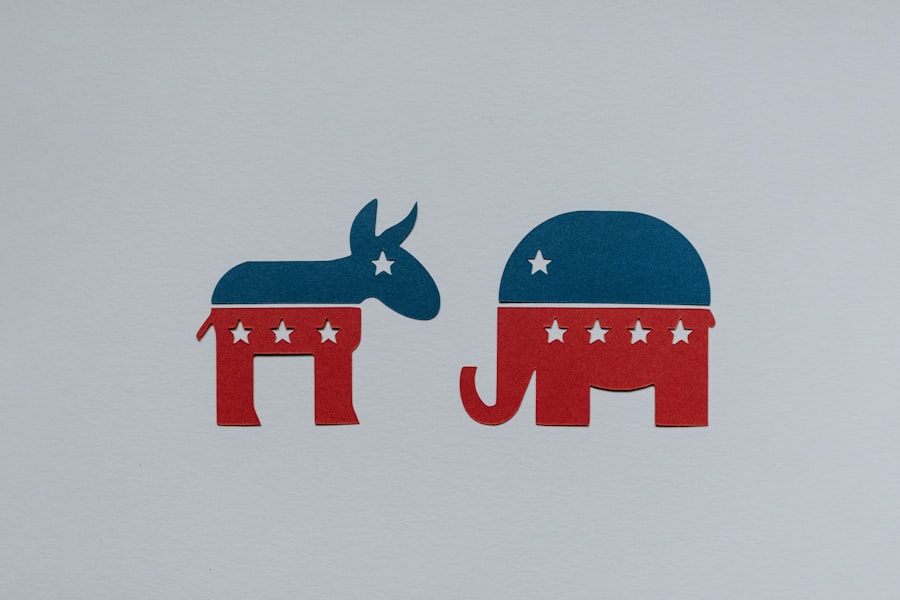
Beyond the institutions and ideologies, the individuals who occupy positions of power, or who aspire to them, are often the central figures in political cinema. These portrayals offer glimpses into the motivations, complexities, and often the inner demons of political leaders.
The Idealist vs. The Pragmatist: Navigating Moral Compromises
Many political films explore the tension between idealism and pragmatism. Characters are often forced to make difficult choices, weighing their principles against the perceived necessity of compromise to achieve their goals. A charismatic young politician might start with pure intentions, only to find themselves gradually ensnared in the grubby realities of power. Conversely, a seasoned, cynical politician might be redeemed by a moment of moral clarity. These character arcs are less about black and white morality and more about the shades of gray that define political life. The crossroads, a recurring visual metaphor, is where these characters often find themselves, their decisions shaping not only their own destinies but potentially the fortunes of many.
The Corrupt and the Corrupted: The Seduction of Power
The allure of power can be a corrupting force, and films frequently explore this dark side. From ambitious politicians willing to betray their values to gain an advantage, to the insidious ways in which power can distort judgment, these narratives serve as cautionary tales. The classic mobster genre often overlaps with political corruption, showcasing how illicit power can infiltrate legitimate systems. The spider’s web, a potent metaphor, can represent how even those who start with good intentions can become ensnared by the manipulative tendrils of power and ambition. These films often resonate with audiences due to their portrayal of universal human weaknesses.
The Reluctant Leader: Duty and Sacrifice
Not all leaders are driven by ambition; some are thrust into positions of power by circumstance or a sense of duty. The reluctant leader trope can be deeply compelling, highlighting the burden of responsibility and the personal sacrifices involved in public service. A scholar suddenly finding themselves in charge of a nation, or a soldier unexpectedly taking command, can offer a different perspective on leadership, one rooted in obligation rather than desire. The weight of a crown, or the sterile office of leadership, are often depicted as heavy burdens, rather than symbols of glory. This narrative arc often emphasizes the moral fortitude required to step up when called upon, even when the personal cost is high.
The Power of Persuasion: Messaging, Propaganda, and Public Opinion
Politics is inextricably linked to persuasion, and films themselves are powerful tools of messaging, capable of either reinforcing or challenging dominant narratives.
Propaganda and Censorship: Controlling the Narrative
Throughout history, governments have utilized various forms of media to control public opinion, and films are no exception. Movies can depict the mechanisms of propaganda, from overtly state-sponsored productions to subtler efforts to shape sentiment. Conversely, films can also serve as powerful tools of resistance against censorship, offering dissenting voices and alternative perspectives. The manipulation of information, the selective presentation of facts, and the demonization of opponents are all tactics that cinema can expose. The tightly controlled broadcast, the censored newspaper, and the whispered rumor are all cinematic devices used to illustrate the struggle for truth and open discourse.
Political Campaigns and Media Manipulation: The Art of the Spin
The modern political campaign, with its focus on image, rhetoric, and media strategy, is a constant source of material for filmmakers. Movies can explore the strategies behind successful (and unsuccessful) campaigns, the role of public relations, and the impact of media coverage on voter perception. The carefully crafted soundbite, the staged rally, and the barrage of attack ads are all elements that find their way into these narratives. The battlefield of the media landscape, where messages are launched and counter-messages deployed, is frequently depicted as a high-stakes arena. These films often reveal the meticulous planning and calculated risk-taking that define the pursuit of political office.
The Fourth Estate: Journalism as a Political Force
Journalism, often referred to as the “fourth estate,” plays a crucial role in scrutinizing power and informing the public. Films that focus on investigative journalism, such as The Post (2017), highlight the courage and dedication required to uncover truth, even in the face of immense pressure. These films underscore the importance of a free press as a bulwark against corruption and a vital component of a functioning democracy. The ticking clock, the illicit meeting in a darkened alley, and the burning desire to expose wrongdoing are all characteristic of these cinematic narratives about the power of truth-telling. The microphone, the notepad, and the printing press become potent symbols of accountability.
Political themes in movies often reflect the societal issues of their time, providing audiences with a lens through which to view complex political landscapes. For those interested in exploring this topic further, a fascinating article can be found at this link, which delves into how filmmakers use narrative and character development to comment on contemporary political issues. By examining various films, we can gain insights into the ways cinema not only entertains but also influences public perception and discourse.
Beyond the Ballot Box: Film’s Impact on Political Consciousness
| Movie Title | Release Year | Political Theme | Country of Origin | Director | IMDB Rating |
|---|---|---|---|---|---|
| V for Vendetta | 2005 | Authoritarianism, Revolution | UK/USA | James McTeigue | 8.2 |
| All the President’s Men | 1976 | Political Corruption, Journalism | USA | Alan J. Pakula | 7.7 |
| Dr. Strangelove | 1964 | Cold War, Nuclear Threat | USA/UK | Stanley Kubrick | 8.4 |
| The Battle of Algiers | 1966 | Colonialism, Guerrilla Warfare | Italy/Algeria | Gillo Pontecorvo | 8.1 |
| Milk | 2008 | LGBTQ+ Rights, Civil Rights | USA | Gus Van Sant | 7.5 |
| JFK | 1991 | Conspiracy, Government Secrecy | USA | Oliver Stone | 8.0 |
| Persepolis | 2007 | Iranian Revolution, Identity | France/Iran | Marjane Satrapi | 8.0 |
The influence of cinema extends beyond mere representation; it can actively shape the political consciousness of its audience, fostering empathy, instigating dialogue, and even inspiring action.
Shaping Empathy and Understanding: Walking in Another’s Shoes
One of cinema’s most profound political contributions lies in its ability to foster empathy. By presenting nuanced portrayals of individuals from diverse backgrounds and with differing political viewpoints, films can help audiences understand perspectives they might otherwise dismiss or ignore. A film about refugees, for example, can humanize a complex geopolitical issue, allowing viewers to connect with the personal stories behind the headlines. The shared experience of watching a film can create a communal understanding, a collective moment where diverse individuals grapple with the same narrative. This empathetic connection is a powerful, albeit often subtle, form of political engagement.
Provoking Dialogue and Debate: Sparking Crucial Conversations
Movies are excellent catalysts for dialogue. A thought-provoking film can ignite discussions about contentious issues, prompting audiences to examine their own beliefs and engage with those of others. The shared experience of a film screening can be the jumping-off point for lively debates in living rooms, coffee shops, and online forums. These conversations, however passionate, are vital for a healthy democracy, as they allow for the exchange of ideas and the formation of informed opinions. The raised hand in a classroom, the impassioned argument between friends, and the extended online thread all exemplify these post-film dialogues.
Inspiring Action and Activism: The Cinema of Social Change
Throughout history, films have been instrumental in spurring social and political change. Documentaries that expose injustice, fictional narratives that highlight systemic problems, and biopics that celebrate activism can all motivate audiences to become involved in the causes they care about. From environmental documentaries that galvanize conservation efforts to films about workers’ rights that inspire unionization, cinema can transform passive observation into active participation. The ripple effect, where a single story inspires a movement, is a powerful testament to the film’s potential to effect real-world change. The marching feet, the picket line, and the organized protest are often the tangible results of this cinematic inspiration.
In conclusion, politics on the big screen is not merely a genre; it is a fundamental aspect of how societies grapple with power, ideology, and leadership. Films offer a vital space for reflection, critique, and understanding, providing audiences with a panorama of political life that is both entertaining and deeply instructive. As technology continues to evolve and new storytelling platforms emerge, cinema’s role in shaping our political consciousness is likely to remain as potent and pertinent as ever.
FAQs
What are political themes in movies?
Political themes in movies refer to the exploration of political ideas, ideologies, conflicts, and social issues within a film’s narrative. These themes often address topics such as power, governance, justice, freedom, corruption, and social movements.
Why do filmmakers include political themes in their movies?
Filmmakers include political themes to provoke thought, raise awareness, critique societal structures, and inspire dialogue about important political and social issues. Movies can serve as a medium to reflect real-world events and influence public opinion.
Can political themes in movies be found across all genres?
Yes, political themes can be present in a wide range of genres including drama, thriller, science fiction, historical films, and even comedies. The approach to political content varies depending on the genre and the filmmaker’s intent.
How do political themes in movies impact audiences?
Political themes can engage audiences by encouraging critical thinking about political systems and social justice. They can evoke emotional responses, foster empathy, and sometimes motivate viewers to become more politically active or informed.
Are there any famous movies known for their political themes?
Yes, many films are renowned for their political themes, such as “All the President’s Men” (1976), which explores political scandal; “The Hunger Games” series, which critiques authoritarianism; and “V for Vendetta” (2005), which deals with themes of resistance and totalitarianism.