Plausible deniability emerged as a critical concept during the Cold War, a period marked by intense geopolitical tension and covert operations. This term refers to the ability of political leaders and military officials to deny knowledge of or responsibility for actions that could be deemed controversial or illegal. In the context of the Cold War, plausible deniability allowed nations, particularly the United States and the Soviet Union, to engage in clandestine activities without facing immediate repercussions.
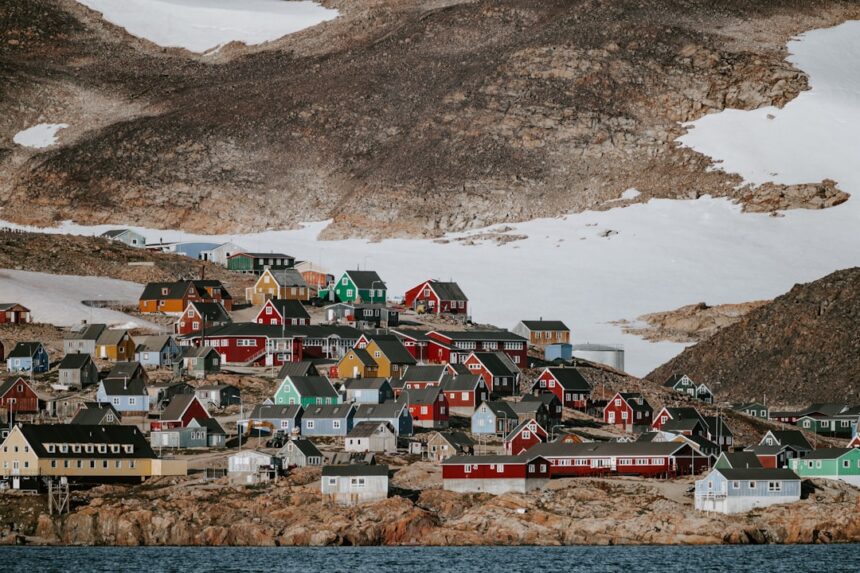
The strategic use of this concept enabled both superpowers to navigate the murky waters of international relations while maintaining a façade of legitimacy. Greenland, a vast and sparsely populated territory, became a focal point for such operations. Its geographical location made it an ideal site for military installations and intelligence gathering, serving as a critical outpost in the Arctic region.
The Cold War’s ideological battle between capitalism and communism found its way into Greenland, where the U.S. and its allies sought to establish a foothold against potential Soviet advances. The interplay of plausible deniability and Greenland’s strategic importance set the stage for a complex web of espionage, military operations, and political maneuvering that would shape the region’s history.
Key Takeaways
- Plausible deniability was a key strategy used during the Cold War to allow governments to deny involvement in covert operations.
- Greenland’s strategic location made it a crucial asset during the Cold War, particularly for its proximity to the Soviet Union.
- Secret military installations in Greenland, such as the Thule Air Base, played a significant role in Cold War defense and surveillance.
- Greenland became a hotspot for espionage activities during the Cold War, with both the US and the Soviet Union vying for control and influence.
- The Danish government was complicit in allowing Cold War activities to take place in Greenland, despite its official stance of neutrality.
The Strategic Importance of Greenland
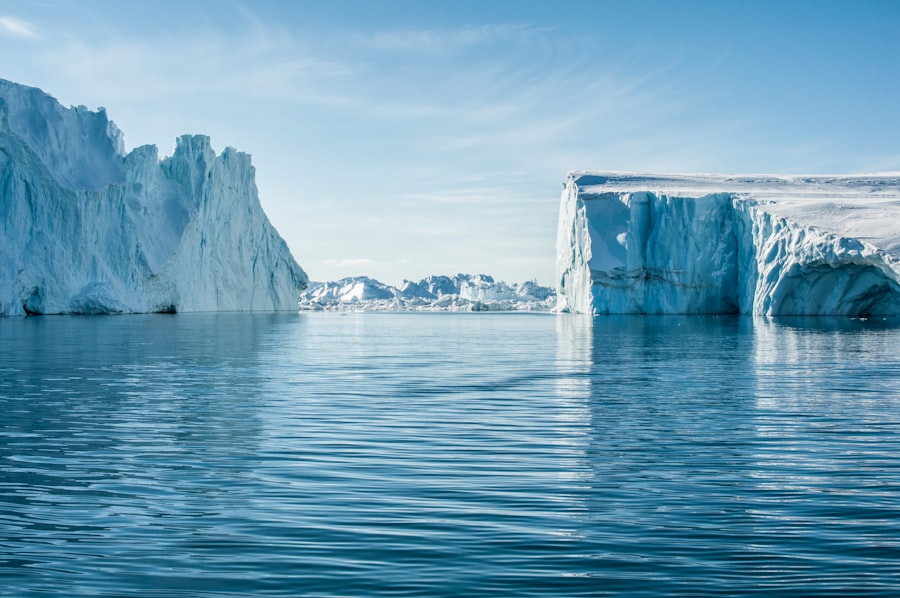
Greenland’s strategic significance during the Cold War cannot be overstated. Positioned between North America and Europe, it served as a vital link in the defense network against potential Soviet aggression. The island’s vast expanse of ice and its proximity to the Arctic Circle made it an ideal location for monitoring Soviet naval movements and missile tests.
The U.S. recognized that control over Greenland would provide a significant advantage in the event of a military confrontation, leading to increased investments in military infrastructure. The establishment of Thule Air Base in northern Greenland exemplified this strategic importance.
Built in the early 1950s, Thule became a key site for early warning radar systems and long-range missile tracking. Its location allowed for surveillance over both the Atlantic and Arctic regions, making it an essential asset in the U.S. military’s arsenal.
As tensions escalated between the superpowers, Greenland’s role as a military outpost only grew, further entrenching its position in Cold War geopolitics.
The Secret Military Installations in Greenland
Throughout the Cold War, Greenland was home to several secret military installations that operated under a veil of secrecy. These bases were not only crucial for defense but also served as hubs for intelligence operations. The U.S. government invested heavily in constructing facilities that could support various military activities, including surveillance, reconnaissance, and research on advanced weaponry. The clandestine nature of these installations allowed for plausible deniability regarding their true purpose. One notable example is the construction of underground facilities designed to house nuclear weapons and other sensitive military equipment. These installations were often built with little regard for local communities or environmental concerns, reflecting the urgency of Cold War priorities. The secrecy surrounding these bases meant that many Greenlanders were unaware of their existence or significance until years later when declassified documents began to reveal the extent of U.S. military operations on their soil.
Greenland’s Role in Cold War Espionage
| Event | Details |
|---|---|
| Thule Air Base | Strategic location for US surveillance of Soviet Union during Cold War |
| Project Iceworm | US plan to deploy nuclear missiles in Greenland, later abandoned |
| Greenland Base Command | US military command established to monitor Arctic region for Soviet activity |
| Greenland’s role | Key strategic importance in Cold War espionage and military operations |
Greenland played a pivotal role in Cold War espionage, serving as a base for intelligence-gathering operations that extended far beyond its borders. The island’s remote location provided an ideal environment for monitoring Soviet activities in the Arctic and beyond.
S. intelligence agencies utilized Greenland’s strategic position to intercept communications and gather data on Soviet military movements, contributing to a broader understanding of the enemy’s capabilities. The use of advanced technology, including reconnaissance aircraft and satellite systems, further enhanced Greenland’s role in espionage efforts. These operations often operated under a shroud of secrecy, with personnel trained to maintain plausible deniability regarding their activities. As a result, Greenland became an integral part of the intelligence network that shaped U.S. foreign policy during the Cold War, influencing decisions made at the highest levels of government.
The Danish Government’s Complicity in Cold War Activities
The Danish government played a significant role in facilitating U.S. military operations in Greenland during the Cold War. As Greenland is an autonomous territory within the Kingdom of Denmark, Copenhagen’s approval was essential for establishing military bases and conducting covert operations on the island.
While Denmark maintained a public stance of neutrality, its complicity in U.S. activities reflected the complexities of Cold War alliances. Danish officials were often aware of the implications of their cooperation with American forces but chose to prioritize national security over transparency.
This complicity allowed Denmark to benefit from U.S. military support while simultaneously maintaining plausible deniability regarding its involvement in controversial operations. The relationship between Denmark and the U.
during this period highlights the intricate balance between national interests and ethical considerations in international relations.
The Greenlandic People’s Role in Cold War Operations
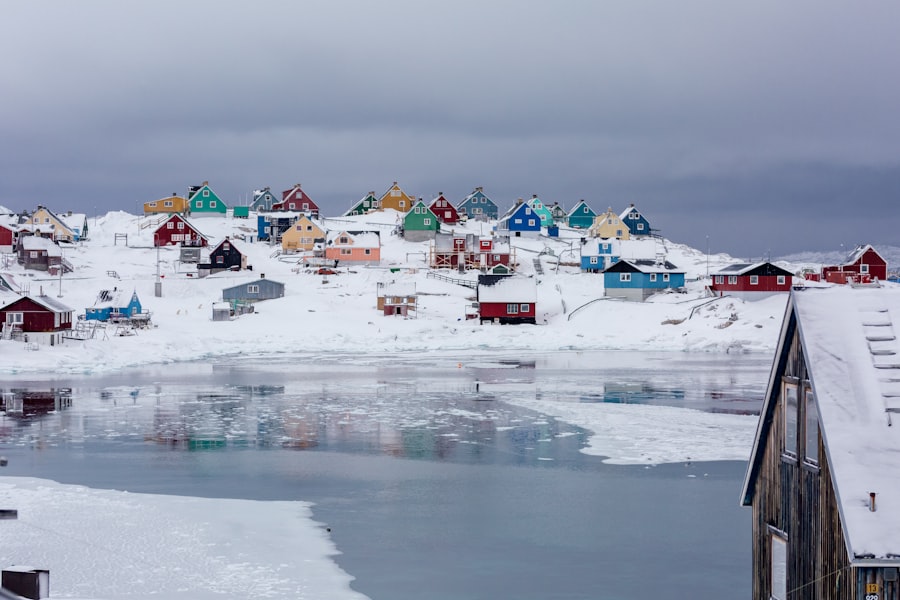
The Greenlandic people found themselves caught in the crossfire of Cold War dynamics, often unaware of the full extent of military operations taking place on their land. While some locals benefited from job opportunities created by U.S. military installations, many others experienced disruptions to their traditional way of life.
The influx of foreign personnel and resources altered local economies and social structures, leading to tensions between indigenous communities and military authorities. Despite their limited agency in decision-making processes, Greenlanders played an unintentional role in Cold War operations. Their presence provided cover for military activities, allowing foreign forces to operate with relative impunity.
Additionally, some individuals were recruited for intelligence-gathering efforts or logistical support, further entangling them in the geopolitical machinations of the era. The complexities of their involvement underscore the often-overlooked human dimension of Cold War strategies.
Environmental and Cultural Impact of Cold War Activities in Greenland
The environmental and cultural impact of Cold War activities in Greenland has been profound and lasting. The establishment of military bases and secret installations led to significant alterations in the landscape, with construction projects disrupting ecosystems and wildlife habitats. The use of hazardous materials and waste disposal practices raised concerns about pollution and long-term environmental degradation, leaving a legacy that continues to affect local communities.
Culturally, the presence of foreign military personnel introduced new dynamics into Greenlandic society. While some aspects of modernity were welcomed, such as improved infrastructure and economic opportunities, there was also a sense of loss regarding traditional practices and ways of life. The imposition of external values often clashed with indigenous customs, leading to cultural dislocation and identity struggles among Greenlanders.
As they navigated these changes, many sought to reclaim their heritage while grappling with the realities imposed by Cold War geopolitics.
The Legacy of Plausible Deniability in Greenland
The legacy of plausible deniability in Greenland is multifaceted, reflecting both the successes and failures of Cold War strategies. On one hand, it allowed nations to engage in covert operations without facing immediate accountability, enabling them to pursue their geopolitical objectives with relative ease. On the other hand, this approach often resulted in long-term consequences that were not fully anticipated or understood at the time.
As declassified documents have revealed over the years, many actions taken under the guise of plausible deniability have had lasting repercussions for both Greenland and its inhabitants. The environmental damage caused by military activities continues to pose challenges for local communities, while cultural shifts have left indelible marks on Greenlandic identity. The lessons learned from this era serve as a reminder of the complexities inherent in international relations and the need for greater transparency and accountability in future endeavors.
Declassified Documents and Revelations about Cold War Activities in Greenland
In recent years, declassified documents have shed light on previously hidden aspects of Cold War activities in Greenland. These revelations have provided valuable insights into the extent of U.S. military operations on the island and their implications for both local communities and global geopolitics.
As historians and researchers sift through these documents, they uncover stories that challenge prevailing narratives about Denmark’s role and highlight the experiences of ordinary Greenlanders during this tumultuous period. The release of these documents has sparked renewed interest in understanding how Cold War dynamics shaped not only international relations but also local realities in Greenland. They reveal instances where plausible deniability was employed to obscure controversial actions or decisions made by military officials, raising ethical questions about accountability and governance during this era.
As more information comes to light, it becomes increasingly clear that the legacy of these activities continues to influence contemporary discussions about sovereignty, environmental stewardship, and cultural preservation.
Greenland’s Position in Modern Geopolitics
Today, Greenland finds itself at a crossroads in modern geopolitics as global interest in Arctic resources intensifies amid climate change concerns. The strategic importance that once defined its role during the Cold War has resurfaced as nations vie for access to untapped natural resources and shipping routes opening up due to melting ice caps. This renewed focus on Greenland has prompted discussions about sovereignty, self-determination, and international cooperation.
As global powers seek to establish influence in the Arctic region, Greenland’s position becomes increasingly significant. The island’s relationship with Denmark remains crucial; however, there is growing momentum among Greenlanders advocating for greater autonomy or even independence from Danish rule. This desire reflects not only historical grievances stemming from Cold War activities but also aspirations for self-governance that align with contemporary geopolitical realities.
Lessons Learned from the Cold War Activities in Greenland
The experiences gleaned from Cold War activities in Greenland offer valuable lessons for contemporary policymakers navigating complex international landscapes. One key takeaway is the importance of transparency and accountability in military operations—especially when engaging with indigenous populations or operating within fragile ecosystems. The consequences of prioritizing strategic interests over ethical considerations can lead to long-lasting damage that extends far beyond immediate geopolitical gains.
Furthermore, understanding the historical context surrounding plausible deniability can inform current discussions about national security and foreign policy decision-making processes. As nations grapple with emerging challenges related to climate change, resource competition, and geopolitical tensions, they must consider how past actions shape present realities—and strive to create frameworks that prioritize collaboration over secrecy. In conclusion, Greenland’s role during the Cold War serves as a poignant reminder of how geopolitical strategies can intersect with local realities, leaving lasting impacts on both environments and communities alike.
As global dynamics continue to evolve, reflecting on these lessons will be essential for fostering sustainable relationships between nations while honoring the rights and aspirations of indigenous peoples.
During the Cold War, Greenland played a crucial role in the strategic military landscape, particularly concerning the concept of plausible deniability. The U.S. established bases in Greenland to monitor Soviet activities, while maintaining a level of separation that allowed for plausible deniability regarding direct involvement in the region. For a deeper understanding of the geopolitical dynamics during this period, you can read more in this related article on the topic at this link.
WATCH THIS! Inside Iceworm: America’s Secret Nuclear City Built Under Greenland
FAQs
What is plausible deniability in the context of the Cold War?
Plausible deniability refers to the ability of a government or organization to deny knowledge or involvement in a particular action or event, allowing them to avoid any potential consequences or repercussions.
How was plausible deniability used during the Cold War?
During the Cold War, plausible deniability was often employed by governments to distance themselves from covert operations, espionage, and other clandestine activities. This allowed them to pursue their strategic interests without openly engaging in direct conflict.
What role did Greenland play in the Cold War and plausible deniability?
Greenland, a territory of Denmark, was strategically significant during the Cold War due to its proximity to the Soviet Union. The United States established military bases in Greenland, which were used for intelligence gathering and early warning systems. Plausible deniability was often utilized to obscure the extent of US military activities in Greenland.
How did plausible deniability impact the relationship between the United States and Denmark during the Cold War?
The use of plausible deniability by the United States in Greenland strained its relationship with Denmark, as the Danish government was often kept in the dark about the full extent of US military activities on Greenlandic soil. This led to tensions and diplomatic challenges between the two countries.
Was plausible deniability successful in the context of the Cold War and Greenland?
Plausible deniability was often successful in allowing governments to pursue their interests without overtly acknowledging their involvement in sensitive operations. However, it also led to mistrust and strained relationships between allies, as seen in the case of the United States and Denmark in Greenland during the Cold War.