Naval doctrine, the bedrock upon which sea power is built and exercised, is a complex and evolving tapestry woven from experience, theory, and the strategic imperatives of nations. Understanding the fundamental tenets that guide naval operations is crucial for comprehending the dynamics of maritime conflict and diplomacy. This article delves into two pivotal phenomena within naval doctrine, exploring their underlying principles and practical implications. Specifically, we will examine the principles of Mass and Maneuver, and the concept of the Seizure of the Initiative. These are not merely abstract concepts but are the engines that drive naval strategy and the very lifeblood of effective fleet operations. To grapple with these phenomena is to unlock a deeper comprehension of how navies have shaped, and continue to shape, the course of human events.
The principle of Mass, in the context of naval doctrine, is not simply about the aggregate size of a fleet, but rather the concentrated application of that power at a decisive point. It is the art of bringing overwhelming force to bear against a lesser opposing force, achieving a decisive advantage that can tip the scales of battle. Think of it as a finely tuned orchestra, where individual instruments are important, but their true power is unleashed when they play in harmony, their collective sound resonating with unparalleled force. A single ship, however formidable, is like a lone violin; a fleet, when properly massed, is the entire symphony, capable of a breathtaking crescendo.
Historical Precedents of Mass
The history of naval warfare is replete with examples illustrating the effectiveness of concentrated naval power. From the ancient triumph of the Hellenistic fleets at Salamis, where numerical superiority and tactical positioning allowed them to crush the Persian navy, to the Age of Sail, where the concentration of ships of the line at a single point in the enemy’s formation, the “break of the line,” could lead to a complete rout. Consider the Battle of Trafalgar, a classic demonstration of Lord Nelson’s genius in applying the principle of mass. Instead of adhering to the traditional line-ahead engagement, Nelson divided his fleet into two columns, aiming to smash through the combined Franco-Spanish line, outnumbering and outgunning them at the crucial points of contact. This audacious maneuver, a direct application of mass, shattered the enemy’s formation and secured British naval supremacy for a generation.
The Modern Manifestation of Mass
In the modern era, the principle of Mass has evolved alongside technological advancements. While the sheer number of hulls remains a factor, the emphasis has shifted to the concentration of synergistic capabilities. This includes not only the aggregation of combat vessels like aircraft carriers, submarines, and destroyers, but also the coordination of their offensive and defensive systems. A carrier strike group, for instance, embodies the modern principle of mass. It is not just a collection of ships; it is a self-contained, mobile airbase, capable of projecting air power across vast distances, supported by escorts that provide anti-air, anti-submarine, and anti-surface warfare capabilities. The integrated defense network and the coordinated deployment of offensive assets create a potent concentration of power that is exponentially greater than the sum of its individual parts.
Achieving Mass: Operational and Strategic Considerations
Achieving effective mass is not a passive outcome but an active pursuit requiring careful planning and execution. Strategically, nations must invest in building capable navies and fostering the interoperability of their forces. Operationally, commanders must identify the decisive point in time and space where mass can be most effectively applied. This might involve concentrating forces to gain sea control in a vital strait, to provide overwhelming support to amphibious landings, or to conduct a decisive engagement with an enemy fleet. The challenge is to gather sufficient strength without becoming unwieldy or predictable. A fleet spread too thin is like drops of water; a fleet concentrated judiciously is a tidal wave.
The Counterpoint: Dispersion and the Erosion of Mass
Conversely, the dispersion of naval forces, while sometimes necessary for strategic reasons like fleet survivability or maintaining a wide presence, can erode the principle of mass. A fleet scattered across a vast ocean, with each unit acting independently, becomes vulnerable to being defeated in detail. Enemy forces, by concentrating their own mass against isolated elements, can achieve local superiority and systematically dismantle the dispersed opposition. This highlights the constant tension within naval strategy: the need for presence versus the necessity of concentration. It is a delicate balancing act, akin to a tightrope walker maintaining equilibrium.
The evolution of naval doctrine has been significantly influenced by two key phenomena: technological advancements and geopolitical shifts. As navies around the world adapt to new technologies, such as unmanned systems and cyber capabilities, their strategic approaches must also evolve to address emerging threats. Additionally, changes in global power dynamics, particularly the rise of new maritime powers, have prompted a reevaluation of traditional naval strategies. For a deeper understanding of these concepts, you can explore the related article on naval doctrine at In The War Room.
The Principle of Maneuver: The Dance of Displacement
The Principle of Maneuver, in naval doctrine, is the dynamic art of repositioning forces to gain a tactical or strategic advantage. It is about outthinking and outmaneuvering the enemy, using movement and position to achieve objectives without necessarily relying solely on brute force. If Mass is the thunderclap, Maneuver is the lightning that illuminates the battlefield, revealing opportunities and dictating the pace of engagement. It is the naval equivalent of a chess master strategically moving their pieces to control key squares and create checkmating threats.
The evolution of naval doctrine has been significantly influenced by various phenomena, including technological advancements and geopolitical shifts. A related article that delves into these aspects can be found at this link, where it explores how modern naval strategies are adapting to the challenges posed by emerging technologies and changing global dynamics. Understanding these connections is crucial for comprehending the future of naval operations and the implications for national security.
Definitions and Forms of Naval Maneuver
Naval maneuver encompasses a wide array of movements, from the strategic deployment of entire fleets to the tactical positioning of individual ships. It can be overt, involving large-scale fleet movements dictated by strategic objectives, or subtle, involving the repositioning of escorts to anticipate enemy threats. Forms of maneuver include flanking, enveloping, penetration, and withdrawal. Each maneuver is designed to exploit an enemy’s weakness or to create an advantage in terms of positioning, fire control, or information superiority.
The Interplay Between Maneuver and Mass
The power of Mass is significantly amplified when coupled with skillful Maneuver. A large force that is poorly positioned can be rendered ineffective. Conversely, a well-executed maneuver can bring Mass to bear at the opportune moment and location, overwhelming the enemy before they can react. Consider the classic “crossing the T” maneuver in naval gunnery. By sailing perpendicular to the enemy’s line of advance, a ship could bring its full broadside to bear while the enemy could only bring their forward guns to bear. This maneuver, combined with the superior firepower of the broadside (Mass), was a decisive tactical advantage. In modern warfare, this principle extends to the positioning of carrier strike groups to achieve optimal launch and recovery windows or the deployment of submarines to interdict enemy sea lanes.
Maneuver in the Age of Information Warfare
The advent of sophisticated surveillance and communication technologies has fundamentally altered the landscape of naval maneuver. Navies now possess a greater capacity to monitor enemy movements and to transmit orders rapidly, allowing for more complex and coordinated maneuvers. However, this also means that enemy forces can similarly track one’s own movements. The battlefield has become more transparent, leading to a greater emphasis on deception, electronic warfare, and the speed at which maneuvers can be executed. The ghost in the machine, the intangible advantage gained through superior information, now plays a significant role in the dance of displacement.
Decisive Maneuver and the Annihilation of the Enemy
The ultimate goal of naval maneuver is often to achieve a decisive engagement that leads to the annihilation or crippling of the enemy’s naval forces. By maneuvering to gain positional advantage, to concentrate firepower, or to create conditions for a kill zone, a commander can force the enemy into a disadvantageous situation from which escape is impossible. This can result in the complete destruction of the enemy fleet, thereby securing sea control and achieving strategic objectives.
The Role of Subsurface Maneuver
Subsurface maneuver, conducted by submarines, represents a unique and potent form of naval maneuver. Operating submerged, submarines can evade detection and conduct reconnaissance, attacks, and special operations with a high degree of stealth. Their ability to appear and disappear from the operational area at will, to strike from unexpected directions, and to influence enemy perceptions without being seen makes them a powerful instrument of strategic and tactical maneuver. The silent hunter beneath the waves is a constant enigma, a phantom of the deep that can disrupt enemy plans and sow seeds of uncertainty.
The Seizure of the Initiative: The Captain’s Compass
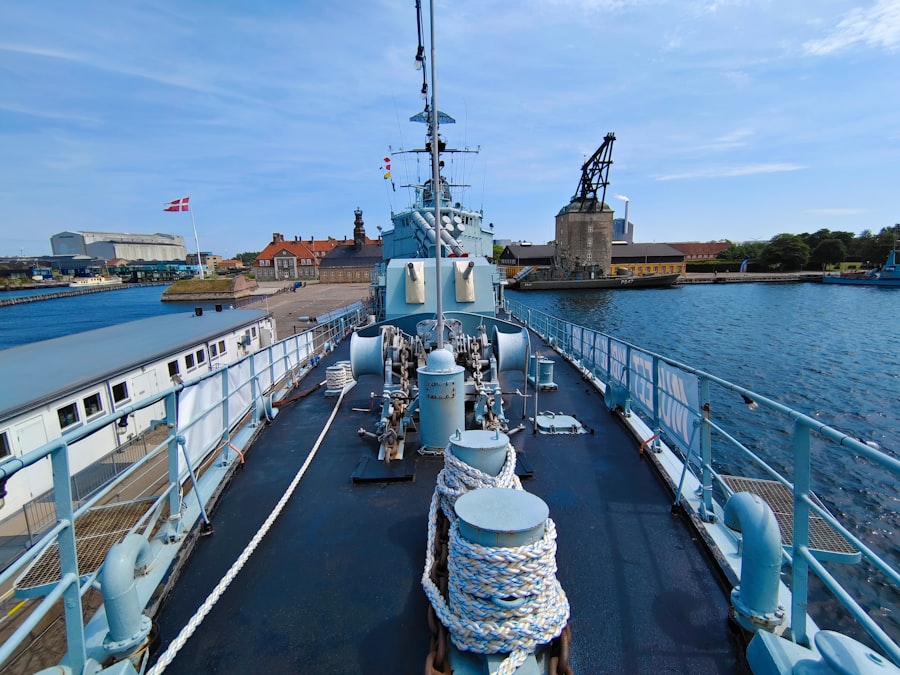
The Seizure of the Initiative is a fundamental concept in military doctrine, and in naval warfare, it is the very pulse of decisive action. It is the proactive assumption of control over events, compelling the enemy to react to your moves rather than pursuing their own agenda. Imagine a ship sailing in fog; the one with the compass and the rudder steering a clear course is the one that will reach its destination, not the one aimlessly drifting. The seizure of the initiative is the act of grabbing that compass and taking firm control of the helm.
Defining the Seizure of the Initiative
To seize the initiative means to dictate the terms of an engagement, to choose the time, place, and method of operations. It involves acting offensively, aggressively, and decisively, forcing the adversary into a defensive posture. This allows for the application of force, the exploitation of opportunities, and the achievement of objectives with greater certainty of success. It is the difference between being a participant in a fight and being the one orchestrating it.
The Offensive Imperative
The seizure of the initiative is intrinsically linked to offensive action. While defensive operations are necessary, a sustained reliance on defense often leads to a gradual erosion of strength and the loss of strategic objectives. By launching offensive operations, a navy can disrupt enemy plans, degrade their capabilities, and impose its will upon the adversary. This is not to say that reconnaissance or deceptive maneuvers are not part of the offensive; they are often the very tools used to prepare the ground for decisive offensive action.
The Elements of Initiative
Several key elements contribute to the successful seizure and maintenance of the initiative. These include:
- Speed and Decisiveness: Acting rapidly allows for the exploitation of fleeting opportunities and prevents the enemy from consolidating their defenses or launching their own counter-offensive. Hesitation can be the enemy of initiative.
- Surprise: Attacking when and where the enemy least expects it is a powerful tool for achieving decisive results. Surprise can create significant tactical advantages and psychological shock.
- Flexibility and Adaptability: The ability to alter plans and adapt to changing circumstances is crucial. The enemy will invariably react, and the force that can best adjust its course will maintain the initiative.
- Information Superiority: Having a clear and accurate understanding of the enemy’s dispositions, intentions, and capabilities is paramount. This allows for informed decision-making and the identification of vulnerabilities to exploit.
Maintaining the Initiative: The Never-Ending Quest
Seizing the initiative is only half the battle; maintaining it is the ongoing challenge. This requires a continuous assessment of the strategic and tactical situation, anticipating the enemy’s reactions, and launching new offensive actions to keep them off balance. It is a dynamic process, a relentless pursuit of advantage. A navy that loses the initiative often finds itself reacting to enemy actions, playing catch-up, and struggling to regain control of the operational tempo.
The Psychological Impact of Initiative
Beyond the tangible battlefield advantages, the seizure of the initiative has a profound psychological impact on both sides. For the force that seizes the initiative, it breeds confidence, morale, and a sense of control. For the enemy, it can sow confusion, doubt, and a demoralizing sense of being outmaneuvered and outmatched. This psychological dimension can be as critical as any physical advantage, contributing significantly to the overall outcome of a conflict.
When Initiative is Lost: The Perils of Passivity
The consequences of losing the initiative can be severe. A navy that is forced into a reactive posture may find its forces attrited piecemeal, its strategic objectives unattainable, and its overall effectiveness diminished. It can lead to a protracted war of attrition, a scenario that favors the adversary in terms of resources and capacity to absorb losses. The passive observer in a storm is eventually drenched; the proactive sailor sets their course to avoid the worst of it.
In conclusion, the phenomena of naval doctrine, exemplified by the principles of Mass and Maneuver, and the crucial concept of the Seizure of the Initiative, are not static paradigms but dynamic forces that shape the very essence of sea power. Understanding these fundamental tenets is essential for anyone seeking to grasp the complexities of naval warfare and the strategic considerations that underpin a nation’s maritime strength. These principles, forged in the crucible of history and continuously refined by modern innovation, remain the lodestars guiding naval strategy and the ultimate arbiters of dominance upon the world’s oceans.

WATCH NOW ▶️ WARNING: The $17M Deal That Blinded The US Navy

FAQs
What is the Two Phenomena Law in naval doctrine?
The Two Phenomena Law in naval doctrine refers to the principle that naval operations are influenced by two primary phenomena: the physical environment (such as weather, sea state, and geography) and the human element (including leadership, training, and morale). Understanding these helps in planning and executing effective naval strategies.
How does the Two Phenomena Law impact naval strategy?
This law emphasizes that successful naval strategy must account for both environmental conditions and human factors. Commanders must adapt tactics based on weather and sea conditions while also considering crew readiness and decision-making capabilities to optimize mission outcomes.
Why is the human element considered a phenomenon in naval doctrine?
The human element is considered a phenomenon because it significantly affects naval operations through leadership quality, crew training, morale, and decision-making under pressure. These human factors can influence the effectiveness and adaptability of naval forces in various situations.
Can the Two Phenomena Law be applied to modern naval warfare?
Yes, the Two Phenomena Law remains relevant in modern naval warfare. Despite technological advancements, environmental conditions and human factors continue to play critical roles in operational success, requiring commanders to integrate these considerations into planning and execution.
Who developed the concept of the Two Phenomena Law in naval doctrine?
The concept of the Two Phenomena Law is attributed to naval theorists who studied the interplay between environmental and human factors in maritime operations. While not credited to a single individual, it is a foundational principle in naval strategic thought and doctrine development.