Here is an article exploring the divide between Persian culture and Iranian politics, written in the third person:
The tapestry of Iran is woven with threads of an ancient and rich culture, a civilization that has profoundly influenced the world for millennia. This cultural identity, deeply rooted in philosophical thought, artistic expression, and a nuanced understanding of human connection, stands in often stark contrast to the political landscape that has defined the nation for the past several decades. This divergence is not merely a matter of differing ideologies but a fundamental chasm in perspectives, where the organic evolution of a civilization grapples with the imposed structures and directives of a political system. Understanding this divide requires a close examination of both the enduring cultural essence of Iran and the specific characteristics of its contemporary political apparatus.
Persian culture, often interchangeably used with Iranian culture, encompasses a vast and complex heritage that predates the modern nation-state by considerable margins. Its philosophical underpinnings, for instance, are deep and pervasive. Thinkers like Zoroaster, Avicenna, and Rumi have shaped not only Persian intellectual history but have left indelible marks on global philosophical and spiritual discourse. Zoroastrianism, one of the oldest monotheistic religions, introduced concepts of dualism, free will, and the eternal struggle between good and evil, ideas that have resonated through subsequent Abrahamic traditions. Avicenna (Ibn Sina) was a polymath whose medical and philosophical works were foundational to both Islamic and European science during the Middle Ages. Rumi, the 13th-century mystic poet, continues to be one of the best-selling poets in the United States, his verses transcending linguistic and cultural barriers with their exploration of divine love and human longing.
Philosophical Underpinnings and Their Modern Resonance
- Ancient Wisdom and its Modern Relevance: The emphasis on wisdom (hikmat) in Persian thought prioritizes contemplation, introspection, and an understanding of the interconnectedness of all things. This philosophical inclination often fosters a more nuanced and less dogmatic worldview, valuing intellectual inquiry and personal spiritual development.
- The Influence of Sufism: Sufism, the mystical dimension of Islam, has deeply permeated Persian culture, emphasizing love, compassion, and the pursuit of inner truth. Its poetic traditions, exemplified by figures like Hafez and Saadi, offer expressions of a profound humanism that often seeks unity and transcendence beyond earthly concerns.
Artistic Expressions and Cultural Identity
- Poetry as a National Treasure: Persian poetry is not merely literature; it is a cornerstone of national identity and a vehicle for cultural transmission. The intricate rhyme schemes, rich metaphors, and profound emotional depth of poets like Ferdowsi, Khayyam, Saadi, and Hafez are ingrained in the collective consciousness of Iranians. They speak of love, loss, nature, and the human condition with a universality that continues to resonate.
- The Richness of Persian Art and Architecture: From the intricate tilework of mosques and palaces to the breathtaking miniatures adorning manuscripts, Persian art is characterized by its beauty, sophistication, and attention to detail. Persian carpets, with their complex patterns and vibrant colors, are celebrated worldwide as masterpieces of craftsmanship. Traditional music, with its melodic complexity and emotional range, also plays a vital role in preserving and transmitting cultural heritage.
- Oral Traditions and Storytelling: Beyond formal artistic expressions, oral traditions and storytelling have played a crucial role in transmitting cultural values, historical narratives, and moral lessons across generations. The “Shahnameh” (Book of Kings), an epic poem by Ferdowsi, is not just a historical account but a foundational text for Persian identity, chronicling the mythical and historical heroes of the land.
The ongoing split between Persian culture and Iranian politics is a complex issue that has been explored in various articles, shedding light on the historical and contemporary dynamics at play. For a deeper understanding of this topic, you can read a related article that discusses the cultural implications of political decisions in Iran by visiting this link. This article provides insights into how the rich heritage of Persian culture often contrasts with the prevailing political landscape, illustrating the challenges faced by individuals navigating these two intertwined realms.
The Imposition of Political Ideology
In contrast to the organic development of Persian culture, the political landscape of modern Iran has been shaped by a particular ideology, particularly since the 1979 revolution. The establishment of the Islamic Republic brought a distinct set of governance principles, emphasizing religious law and a hierarchical structure of authority. This political system often seeks to impose its worldview, often through a top-down approach, which can create friction with the deeply ingrained cultural values of a society that has historically prized intellectual freedom and nuanced expression.
The Supremacy of Religious Governance
- Velayat-e Faqih and its Implications: The doctrine of “Velayat-e Faqih” (Guardianship of the Jurist), central to the political structure of the Islamic Republic, places ultimate authority in the hands of a faqih (an Islamic jurist). This principle inherently prioritizes religious interpretation and jurisprudence as the guiding force for governance, which can lead to the marginalization of secular perspectives and the imposition of strict religious doctrines on all aspects of public and private life.
- The Role of Religious Institutions: Religious seminaries and clerical institutions hold significant power and influence within the political system, shaping policy and public discourse. This concentration of power within religious circles can create an environment where alternative viewpoints or non-religious frameworks for understanding society are less likely to be fully embraced or even tolerated.
State Control and Societal Expression
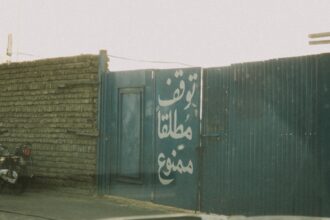
- Censorship and Information Control: The political system has historically exercised considerable control over media, arts, and public discourse. Censorship is a pervasive tool used to suppress dissenting voices and to ensure that information aligns with the state’s ideological agenda. This can stifle creative expression and limit the open exchange of ideas, which are vital components of a vibrant cultural landscape.
- The Impact on Artistic and Intellectual Freedom: Artists, writers, and intellectuals often find themselves navigating a complex landscape of restrictions, facing the risk of reprisal for expressing views that deviate from the approved narrative. While creativity often finds ways to persist and adapt, the constant pressure of censorship can lead to self-censorship and a reluctance to engage with certain themes or to express potentially controversial ideas.
The Cultural Realities Beneath Political Structures
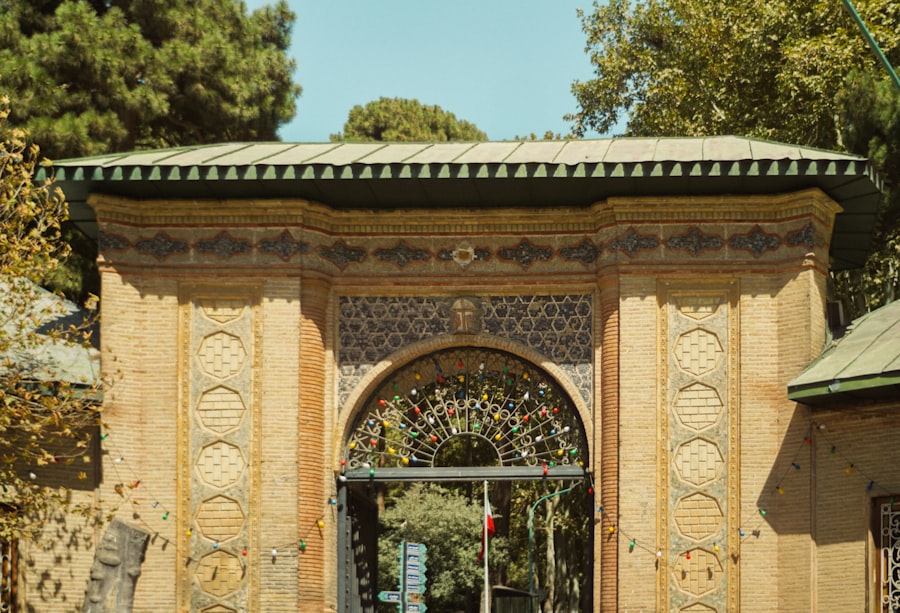
Despite the efforts to shape society through political ideology, the deep currents of Persian culture remain remarkably resilient. Iranians, while living under a specific political regime, continue to embody and practice their cultural traditions, often in subtler, more personal ways. This creates a complex duality where the public face of the nation is shaped by its politics, while the private lives and cultural expressions often reflect a different set of values.
The Persistence of Cultural Practices
- Family and Social Bonds: The emphasis on strong family ties and community relationships, a hallmark of Persian culture, persists independently of political changes. While public gatherings may be subject to regulations, the intimate bonds within families and close-knit social circles remain a vital source of support and cultural transmission.
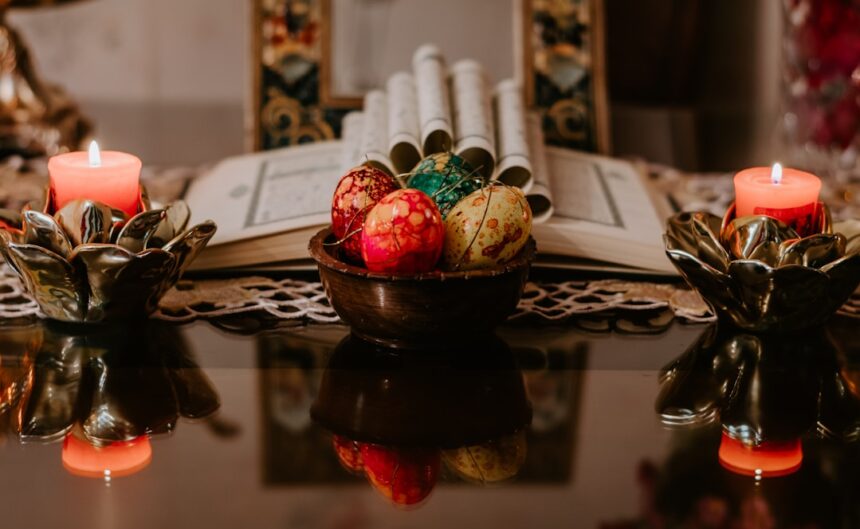
- Celebrations and Rituals: Traditional celebrations like Nowruz (Persian New Year) continue to be observed with great enthusiasm, often serving as reaffirmations of cultural identity and continuity. These festivals are imbued with ancient customs and symbols that predate the current political order and are cherished by a broad spectrum of the population.
- The Nuances of Everyday Life: In daily interactions, Iranians often employ wit, indirect communication, and a sophisticated understanding of social cues that are deeply rooted in their cultural heritage. This includes a strong tradition of hospitality and a valuing of polite discourse, even in the face of underlying political tensions.
The Internalization and Adaptation of Values
- The Role of the Private Sphere: Much of the vibrant expression of Persian culture has moved into the private sphere. Family gatherings, private art exhibitions, underground music scenes, and hushed conversations serve as spaces where cultural norms, artistic expressions, and dissenting opinions can flourish, albeit with a degree of caution.
- Finding Ways to Express Identity: Iranians have demonstrated a remarkable ability to find creative ways to express their cultural identity and maintain their values within the confines of the political system. This can manifest in subtle forms of artistic expression, the selective use of language, and a quiet adherence to personal beliefs and traditions.
The Divergence in Perspectives and Expectations
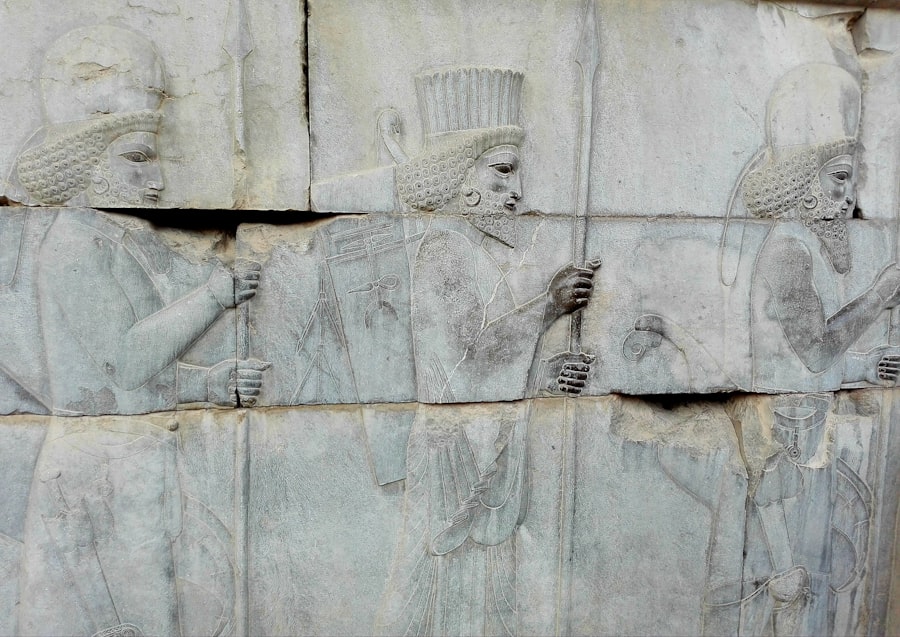
The fundamental disconnect lies in the differing perspectives and expectations that emerge from culture versus politics. Persian culture, with its emphasis on humanism, intellectualism, and personal growth, often fosters a desire for a society that encourages individual liberty, open dialogue, and a rich tapestry of diverse viewpoints. The political system, conversely, often prioritizes conformity, obedience, and the enforcement of a singular ideology.
Cultural Aspirations vs. Political Realities
- The Desire for Freedom of Expression: A core aspiration within Persian culture is the freedom to express oneself authentically, to engage in critical thought, and to explore diverse perspectives. This often clashes with the political reality of a system that constrains such freedoms, leading to a sense of frustration and longing for a more open society.
- The Value Placed on Individualism and Critical Inquiry: Persian traditions, particularly those influenced by philosophical and mystical thought, often encourage individual introspection and critical inquiry. This intrinsic value placed on independent thought can make it challenging to reconcile with a political system that emphasizes collective adherence to a prescribed ideology and discourages public questioning of authority.
The Generational Divide
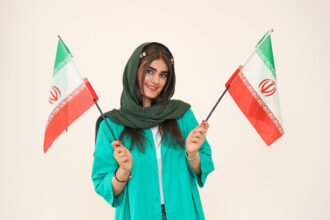
- Younger Generations and Global Influences: Younger generations in Iran, exposed to global trends through the internet and social media, often exhibit a greater divergence from traditional political expectations and a stronger inclination towards embracing broader cultural influences and individual freedoms. This creates a dynamic tension between the desires of a new generation and the prevailing political order.
- The Legacy of Past Eras: For older generations, memories of pre-revolutionary Iran, with its different social and political dynamics, can also contribute to a sense of disconnect between lived experience and current political realities. This can manifest as nostalgia for certain aspects of the past or a deep-seated resistance to the current ideological impositions.
The complex relationship between Persian culture and Iranian politics has been a topic of much discussion among scholars and analysts. A recent article explores how historical events have shaped this divide, highlighting the tension between cultural identity and political governance in Iran. For a deeper understanding of this intricate dynamic, you can read more in this insightful piece on the subject. The article provides a comprehensive overview of the cultural influences that persist despite the political landscape, making it a valuable resource for anyone interested in the nuances of Iranian society. To learn more, visit this article.
Navigating the Interplay: Resilience and Hope
| Aspect | Persian Culture | Iranian Politics |
|---|---|---|
| Historical Influence | Rich history of art, literature, and architecture | Shifting political landscape and government structures |
| Values | Emphasis on hospitality, poetry, and family | Focus on national sovereignty, religious leadership, and international relations |
| Expression | Expressed through traditional music, dance, and visual arts | Reflected in policies, diplomacy, and governance decisions |
| Global Perception | Seen as a source of cultural heritage and artistic inspiration | Subject to international scrutiny and geopolitical dynamics |
The relationship between Persian culture and Iranian politics is complex and dynamic. It is not a simple dichotomy but a continuous interplay of influence, resistance, and adaptation. The enduring strength of Persian culture provides a vital anchor for the nation’s identity, offering a sense of continuity and a reservoir of shared values that transcend political upheavals. While the political system may seek to impose its will, the underlying cultural fabric of Iran continues to shape the aspirations and experiences of its people.
The Role of Civil Society
- Emerging Spaces for Cultural Expression: Despite the limitations, there are always emergent spaces for civil society to operate, often in subtle and indirect ways. These can include independent cultural initiatives, online platforms for dialogue, and informal networks that foster intellectual and artistic exchange.
- The Power of the Unseen: The resilience of Persian culture lies not just in grand gestures but in the everyday acts of individuals who maintain their dignity, express their creativity, and uphold their values in the face of considerable constraints. This quiet resistance, while not overtly political, is a profound testament to the enduring spirit of a civilization.
The Path Forward
- The Potential for Dialogue and Understanding: Ultimately, a sustainable future for Iran likely lies in finding a way to reconcile its rich cultural heritage with the needs and aspirations of its people. This will require a greater openness to dialogue, a respect for diverse perspectives, and a willingness to acknowledge the profound influence of culture on human well-being.
- The Enduring Strength of the Human Spirit: The story of Iran is, in many ways, a story of the enduring strength of the human spirit. The ability of its people to maintain their cultural identity, to express themselves creatively, and to uphold their values in the face of significant political challenges is a testament to the deep-seated power of culture. While the political landscape may present obstacles, the rich and vibrant tapestry of Persian culture remains a source of hope and a defining element of the nation’s soul.
FAQs
What is the split between Persian culture and Iranian politics?
The split between Persian culture and Iranian politics refers to the divergence between the rich cultural heritage of Persia and the current political landscape in Iran.
How does Persian culture differ from Iranian politics?
Persian culture is deeply rooted in history, literature, art, and traditions, while Iranian politics are shaped by contemporary governance, policies, and international relations.
What are some examples of Persian cultural influences in Iran?
Persian cultural influences in Iran can be seen in the language, literature, poetry, music, art, architecture, and traditions that have been passed down through generations.
How has Iranian politics impacted Persian culture?
Iranian politics have at times imposed restrictions on certain aspects of Persian culture, such as censorship of artistic expression and limitations on cultural practices.
What are the implications of the split between Persian culture and Iranian politics?
The split between Persian culture and Iranian politics can lead to tensions, challenges in preserving cultural heritage, and debates about the role of tradition in a modern society.