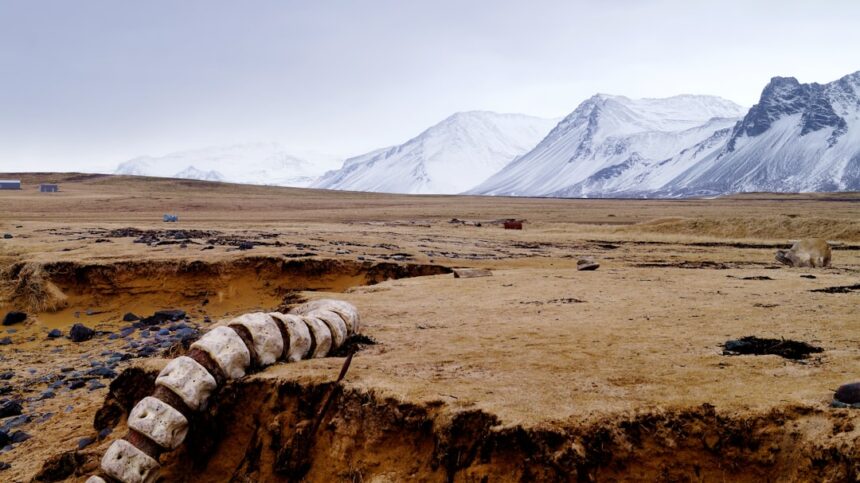
Permafrost military engineering represents a unique intersection of environmental science and military infrastructure development. As global temperatures fluctuate, the regions characterized by permafrost—permanently frozen ground—are becoming increasingly relevant for military operations, particularly in northern latitudes. The strategic importance of these areas cannot be overstated, as they often serve as critical locations for bases, supply routes, and other military installations.
Understanding the complexities of constructing and maintaining military facilities in permafrost regions is essential for ensuring operational effectiveness and national security. The challenges posed by permafrost are multifaceted, requiring engineers and military planners to adopt innovative approaches to design and construction. The unique properties of permafrost, including its susceptibility to thawing and the potential for ground instability, necessitate a thorough understanding of both the physical environment and the technological solutions available.
As nations continue to assert their presence in these strategically significant areas, the importance of permafrost military engineering will only grow, making it a vital area of study and practice.
Key Takeaways
- Building military infrastructure on permafrost requires specialized engineering to address unique environmental challenges.
- Innovative technologies and construction methods are essential to ensure stability and durability in permafrost conditions.
- Environmental protection and sustainability are critical factors in permafrost military engineering projects.
- Collaboration among military, scientific, and local communities enhances the success of permafrost engineering efforts.
- Training and future technological advancements will play a key role in advancing permafrost military engineering for national defense.
Understanding the Challenges of Building in Permafrost
Building in permafrost presents a myriad of challenges that can complicate even the most straightforward construction projects. One of the primary concerns is the thermal dynamics of the ground. When structures are built on permafrost, the heat generated from buildings can lead to thawing, which in turn can cause ground subsidence and structural failure.
This phenomenon is particularly problematic for military installations that require stability and durability under extreme conditions. Engineers must carefully consider insulation techniques and foundation designs to mitigate these risks. Moreover, the logistical challenges associated with construction in remote permafrost regions cannot be overlooked.
The harsh climate, characterized by extreme cold, heavy snowfall, and limited daylight during winter months, complicates transportation and supply chain management. Heavy machinery may struggle to operate effectively in such conditions, and the availability of skilled labor can be limited. These factors necessitate meticulous planning and resource allocation to ensure that projects are completed on time and within budget.
Innovative Solutions for Permafrost Military Engineering

In response to the challenges posed by permafrost, engineers have developed a range of innovative solutions tailored specifically for military applications. One such approach involves the use of elevated structures that minimize direct contact with the ground. By raising buildings on piles or platforms, engineers can reduce the thermal load on the permafrost, thereby decreasing the risk of thawing and subsequent ground instability.
This method has been successfully implemented in various military bases across Arctic regions. Another innovative solution is the incorporation of advanced materials designed to withstand extreme temperatures. For instance, using thermally conductive materials can help manage heat transfer more effectively, while insulation technologies can prevent heat from escaping into the permafrost.
Additionally, modular construction techniques allow for rapid deployment and adaptability, enabling military engineers to respond quickly to changing operational needs while maintaining structural integrity in challenging environments.
Environmental Considerations in Permafrost Military Engineering
Environmental considerations play a crucial role in permafrost military engineering, as the delicate ecosystems in these regions are often vulnerable to human activity. The construction and operation of military facilities can disrupt local wildlife habitats and contribute to soil erosion and pollution. Therefore, it is imperative for military planners and engineers to conduct thorough environmental impact assessments before embarking on any projects.
Sustainable practices are increasingly being integrated into military engineering projects in permafrost areas. This includes utilizing renewable energy sources, such as solar or wind power, to reduce reliance on fossil fuels and minimize greenhouse gas emissions. Additionally, implementing waste management systems that prioritize recycling and responsible disposal can help mitigate environmental impacts.
By prioritizing sustainability, military operations can coexist more harmoniously with the fragile ecosystems of permafrost regions.
Case Studies of Successful Permafrost Military Engineering Projects
| Challenge | Description | Impact on Military Engineering | Mitigation Strategies |
|---|---|---|---|
| Thawing Permafrost | Rising temperatures cause permafrost to thaw, leading to ground instability. | Structural foundations can shift or collapse, damaging buildings and infrastructure. | Use adjustable foundations, thermosyphons, and insulation to maintain ground temperature. |
| Soil Subsidence | Loss of ice volume in soil causes ground to sink unevenly. | Roads, runways, and airfields become uneven and unsafe for use. | Regular maintenance, soil replacement, and elevated structures on piles. |
| Drainage Issues | Melting permafrost alters natural drainage patterns, causing waterlogging. | Flooding and erosion can damage military installations and limit mobility. | Design improved drainage systems and water diversion channels. |
| Material Durability | Extreme cold and freeze-thaw cycles degrade construction materials. | Reduced lifespan of roads, bridges, and buildings requiring frequent repairs. | Use cold-resistant materials and protective coatings. |
| Logistical Challenges | Remote locations with permafrost complicate transport and supply chains. | Delays and increased costs in deploying and maintaining military assets. | Develop specialized vehicles and pre-position supplies. |
Several successful case studies illustrate the effective application of engineering principles in permafrost environments. One notable example is the construction of Thule Air Base in Greenland, which has been operational since 1951. The base was built using elevated structures to prevent thawing of the underlying permafrost, and it has undergone numerous upgrades to enhance its resilience against climate change impacts.
The lessons learned from Thule have informed subsequent projects in similar environments.
S. Army Corps of Engineers’ work on Fort Wainwright in Alaska.
Here, engineers implemented innovative foundation designs that included deep pile systems to anchor structures securely into stable layers beneath the permafrost. This project not only improved structural integrity but also served as a model for future military installations in cold climates. These examples highlight the importance of adaptive engineering practices tailored to specific environmental conditions.
Collaboration and Partnerships in Permafrost Military Engineering
Collaboration among various stakeholders is essential for advancing permafrost military engineering initiatives. Military organizations often partner with academic institutions, government agencies, and private sector companies to leverage expertise and resources. Such partnerships facilitate knowledge sharing and innovation, enabling engineers to develop more effective solutions for building in challenging environments.
International collaboration is also becoming increasingly important as nations recognize the shared challenges posed by climate change in permafrost regions. Joint research initiatives can lead to breakthroughs in understanding permafrost dynamics and developing best practices for construction and maintenance. By working together, countries can enhance their collective capabilities while fostering diplomatic relations through shared goals in environmental stewardship and national security.
Training and Education for Permafrost Military Engineering
As the field of permafrost military engineering evolves, so too does the need for specialized training and education programs. Engineers and military personnel must be equipped with a comprehensive understanding of both the technical aspects of construction in cold climates and the environmental implications of their work. Educational institutions are increasingly offering programs focused on cold regions engineering, providing students with hands-on experience in designing structures for permafrost environments.
Moreover, ongoing professional development opportunities are essential for those already working in the field. Workshops, seminars, and field training exercises can help engineers stay abreast of new technologies and methodologies while fostering a culture of continuous learning within military organizations. By investing in education and training, militaries can ensure that their personnel are well-prepared to tackle the unique challenges presented by permafrost.
Future Trends and Technologies in Permafrost Military Engineering
The future of permafrost military engineering is likely to be shaped by advancements in technology and a growing emphasis on sustainability. Emerging technologies such as artificial intelligence (AI) and machine learning are poised to revolutionize how engineers analyze data related to permafrost conditions. These tools can enhance predictive modeling capabilities, allowing for more accurate assessments of ground stability and potential risks associated with thawing.
Additionally, innovations in materials science may lead to the development of new construction materials specifically designed for extreme cold environments. These materials could offer improved thermal performance and durability while minimizing environmental impact. As research continues to advance, it is expected that new solutions will emerge that further enhance the resilience of military infrastructure in permafrost regions.
Economic and Political Implications of Permafrost Military Engineering
The economic implications of permafrost military engineering extend beyond construction costs; they also encompass broader geopolitical considerations. As Arctic regions become more accessible due to climate change, nations are increasingly vying for control over resources and strategic positions within these areas. Military installations built on permafrost can serve as critical assets for asserting territorial claims and ensuring national security.
Furthermore, investments in permafrost military engineering can stimulate local economies by creating jobs and fostering technological innovation. However, these developments must be balanced with environmental stewardship to avoid exacerbating climate change impacts that could undermine long-term stability in these regions. Policymakers must navigate these complex dynamics carefully to ensure that military objectives align with sustainable development goals.
Ethical and Cultural Considerations in Permafrost Military Engineering
Ethical considerations are paramount when engaging in military engineering projects within permafrost regions inhabited by Indigenous communities. These populations often have deep cultural ties to their land, which can be disrupted by construction activities. It is essential for military planners to engage with local communities early in the project development process to understand their concerns and incorporate their perspectives into decision-making.
Respecting Indigenous rights and knowledge can lead to more culturally sensitive approaches to engineering projects. Collaborative efforts that honor traditional ecological knowledge can enhance project outcomes while fostering goodwill between military organizations and local communities. By prioritizing ethical considerations, militaries can build trust and promote social responsibility within their operations.
The Importance of Permafrost Military Engineering in National Defense
In conclusion, permafrost military engineering plays a critical role in national defense strategies as nations navigate the complexities of operating in extreme environments. The unique challenges posed by permafrost require innovative solutions that prioritize sustainability while ensuring operational effectiveness. As geopolitical dynamics shift and Arctic regions gain prominence on the global stage, understanding the intricacies of building in these areas becomes increasingly vital.
The future of permafrost military engineering will depend on collaboration among various stakeholders, ongoing education and training initiatives, and a commitment to ethical practices that respect local cultures and environments. By embracing these principles, militaries can enhance their capabilities while contributing positively to the communities they operate within—ultimately reinforcing national security objectives in an ever-changing world.
Permafrost presents unique challenges for military engineering, particularly in terms of infrastructure stability and operational effectiveness in cold regions. A related article that delves into these issues can be found on In The War Room, which discusses the implications of permafrost on military operations and the engineering solutions being developed to address these challenges. For more insights, you can read the article [here](https://www.inthewarroom.com/).
WATCH THIS! 🎬 America’s Nuclear City Was a Lie: The Russian Base That Made Iceworm Obsolete
FAQs
What is permafrost?
Permafrost is ground, including soil or rock, that remains at or below 0°C (32°F) for at least two consecutive years. It is commonly found in polar regions and high mountain areas.
Why is permafrost a concern for military engineering?
Permafrost presents unique challenges for military engineering because its frozen state can be unstable. When it thaws, the ground can become soft and unstable, leading to structural damage, foundation failures, and difficulties in constructing and maintaining infrastructure.
What are the main challenges of building on permafrost?
The main challenges include ground instability due to thawing, frost heave (upward swelling of soil during freezing), differential settlement, and difficulties in maintaining roads, airfields, and buildings. Engineers must design foundations and structures that can accommodate or mitigate these effects.
How does climate change impact permafrost and military operations?
Climate change is causing permafrost to thaw at an accelerated rate, increasing ground instability and complicating construction and maintenance of military facilities. This can affect the reliability of infrastructure and logistics in Arctic and sub-Arctic regions.
What engineering techniques are used to address permafrost challenges?
Techniques include elevating structures on piles to allow air circulation and prevent heat transfer to the ground, using insulation layers, thermosyphons to remove heat, and designing flexible foundations that can tolerate ground movement.
Are there specific military applications affected by permafrost?
Yes, military bases, airfields, roads, pipelines, and communication installations in Arctic regions are all affected. Permafrost conditions can impact mobility, logistics, and the durability of military assets.
Can permafrost thaw lead to environmental hazards?
Yes, thawing permafrost can release greenhouse gases like methane and carbon dioxide, destabilize terrain leading to landslides, and damage ecosystems. These environmental changes can indirectly affect military operations.
Is permafrost engineering only relevant in the Arctic?
While most common in Arctic and sub-Arctic regions, permafrost can also be found in high-altitude mountainous areas, making engineering challenges relevant in those locations as well.
What role does monitoring play in managing permafrost challenges?
Continuous monitoring of ground temperature, moisture, and structural integrity helps detect changes in permafrost conditions early, allowing for timely maintenance and adaptation of military infrastructure.
Are there international efforts to address permafrost engineering challenges?
Yes, countries with Arctic territories collaborate on research, share best practices, and develop standards to improve engineering methods and ensure the resilience of infrastructure in permafrost regions.