Permafrost, a term derived from “permanently frozen ground,” refers to soil or rock that remains at or below 0 degrees Celsius for at least two consecutive years. This unique geological phenomenon is predominantly found in polar regions and high-altitude areas, where the climate is characterized by long, harsh winters and short summers. The significance of permafrost extends beyond its physical properties; it plays a crucial role in global climate systems, local ecosystems, and human activities, particularly in military operations.
As climate change accelerates, the dynamics of permafrost are shifting, presenting both challenges and opportunities for military engineering and operations. The military’s engagement with permafrost environments is multifaceted. From establishing bases to conducting training exercises, the presence of permafrost necessitates specialized engineering solutions and operational strategies.
Understanding the complexities of permafrost is essential for military planners and engineers, as it influences everything from infrastructure development to logistics and environmental stewardship. As the Arctic and sub-Arctic regions become increasingly strategic in geopolitical terms, the implications of permafrost on military operations are more critical than ever.
Key Takeaways
- Permafrost is permanently frozen ground found in polar and high-altitude regions, posing unique challenges for military engineering and infrastructure.
- Building and maintaining structures in permafrost requires specialized techniques to prevent thawing and ground instability.
- Military operations can accelerate permafrost degradation, impacting the environment and operational sustainability.
- Thawing permafrost creates risks such as ground subsidence, requiring mitigation strategies to protect infrastructure and personnel.
- Advances in technology and adaptive engineering are essential for effective transportation, communication, and energy management in permafrost regions.
Understanding Permafrost: What It Is and Where It’s Found
Permafrost is not merely a blanket of ice; it consists of a complex mixture of soil, rock, and ice that can extend hundreds of meters deep. The upper layer, known as the active layer, thaws during the summer months, allowing for vegetation growth and microbial activity. However, beneath this layer lies the permafrost itself, which remains frozen year-round.
This unique structure affects hydrology, vegetation patterns, and even the stability of the ground above it. Regions with permafrost are often characterized by tundra ecosystems, where hardy plants and animals have adapted to extreme conditions. Geographically, permafrost is primarily found in the Arctic regions of Canada, Alaska, Russia, and Greenland, but it also exists in high-altitude areas of the Himalayas and the Andes.
The extent of permafrost varies significantly; continuous permafrost is found in the coldest areas, while discontinuous permafrost exists in regions where temperatures fluctuate more dramatically. The distribution of permafrost is influenced by factors such as latitude, elevation, and local climate conditions. As global temperatures rise, the boundaries of permafrost are shifting, leading to increased thawing in some areas and raising concerns about its implications for military operations.
Military Engineering in Permafrost Environments: The Unique Challenges
Military engineering in permafrost environments presents a unique set of challenges that require innovative solutions. The frozen ground can complicate construction efforts, as traditional building techniques may not be suitable for such conditions.
For instance, foundations must be designed to prevent thaw settlement, which occurs when the ground beneath a structure begins to melt and lose its load-bearing capacity. This necessitates specialized techniques such as pile foundations or elevated structures that minimize contact with the ground. Moreover, the extreme cold can affect materials used in construction.
Steel can become brittle at low temperatures, while concrete may not cure properly if exposed to freezing conditions. Engineers must select materials that can withstand these challenges while ensuring that they meet military standards for durability and performance. Additionally, logistical considerations come into play; transporting equipment and supplies to remote locations can be arduous due to limited access routes and harsh weather conditions.
As a result, military engineers must be adept at planning and executing projects under these demanding circumstances.
Infrastructure Challenges: Building and Maintaining Structures in Permafrost
The infrastructure challenges posed by permafrost are significant and multifaceted. Building roads, airstrips, and facilities in these regions requires careful planning to ensure long-term stability and functionality. One common approach is to use thermosyphons—devices that transfer heat away from the ground—to maintain the frozen state of permafrost beneath structures.
This technique helps prevent thawing and subsequent ground instability but requires ongoing maintenance and monitoring to ensure effectiveness. Maintenance of existing infrastructure is equally critical. As temperatures rise and permafrost thaws, structures may experience shifting or settling that can compromise their integrity.
Regular inspections are necessary to identify potential issues before they escalate into major problems. In some cases, retrofitting existing structures with modern engineering solutions may be required to adapt to changing conditions. This ongoing need for adaptation underscores the importance of integrating climate considerations into military infrastructure planning.
Environmental Impact: How Military Operations Affect Permafrost
| Challenge | Description | Impact on Military Engineering | Mitigation Strategies |
|---|---|---|---|
| Ground Instability | Thawing permafrost causes soil to become unstable and prone to subsidence. | Compromises foundation integrity of buildings, roads, and airstrips. | Use of adjustable foundations, thermosyphons, and elevated structures. |
| Infrastructure Degradation | Freeze-thaw cycles accelerate wear and tear on materials and structures. | Increased maintenance costs and reduced lifespan of military facilities. | Selection of frost-resistant materials and regular inspection schedules. |
| Drainage Issues | Permafrost impedes natural drainage, leading to water pooling and erosion. | Flooding risks and damage to roads and airfields. | Installation of engineered drainage systems and water diversion channels. |
| Thermal Disturbance | Heat from buildings and vehicles accelerates permafrost thaw. | Destabilizes ground and threatens structural safety. | Use of insulation layers and minimizing heat transfer to soil. |
| Logistical Challenges | Remote locations with permafrost complicate transport and supply lines. | Delays in deployment and increased operational costs. | Pre-positioning supplies and using specialized vehicles for terrain. |
Military operations can have a profound impact on permafrost environments. Activities such as vehicle movement, construction, and even training exercises can disturb the delicate balance of these ecosystems. The compaction of soil from heavy machinery can lead to increased thawing rates, while fuel spills or other contaminants can further degrade the environment.
Additionally, the construction of bases or other facilities can disrupt local wildlife habitats and alter natural drainage patterns. Recognizing these potential impacts is essential for responsible military operations in permafrost regions. Environmental assessments are increasingly becoming a standard part of planning processes to evaluate potential risks and develop mitigation strategies.
By implementing best practices for environmental stewardship, military organizations can minimize their footprint while still achieving operational objectives. This commitment to sustainability not only benefits local ecosystems but also enhances the military’s reputation as a responsible steward of the environment.
Thawing Permafrost: Risks and Mitigation Strategies
The thawing of permafrost presents significant risks that extend beyond immediate infrastructure concerns. As permafrost melts, it releases greenhouse gases such as methane and carbon dioxide into the atmosphere, contributing to global warming—a phenomenon that creates a feedback loop exacerbating climate change. Furthermore, thawing can lead to increased erosion, landslides, and changes in hydrology that affect both natural ecosystems and human activities.
To address these risks, military planners must develop comprehensive mitigation strategies that account for both current conditions and future projections. This may involve investing in research to better understand the dynamics of thawing permafrost and its implications for military operations. Additionally, adopting adaptive management practices—where strategies are regularly reviewed and adjusted based on new data—can help ensure that military operations remain sustainable in a changing climate.
Transportation Challenges: Navigating Permafrost Terrain
Transportation in permafrost regions poses unique challenges that can hinder military operations. The harsh terrain often limits access routes, making it difficult to transport personnel and supplies efficiently. Seasonal variations further complicate logistics; during summer months when the active layer thaws, roads may become impassable due to mud or flooding.
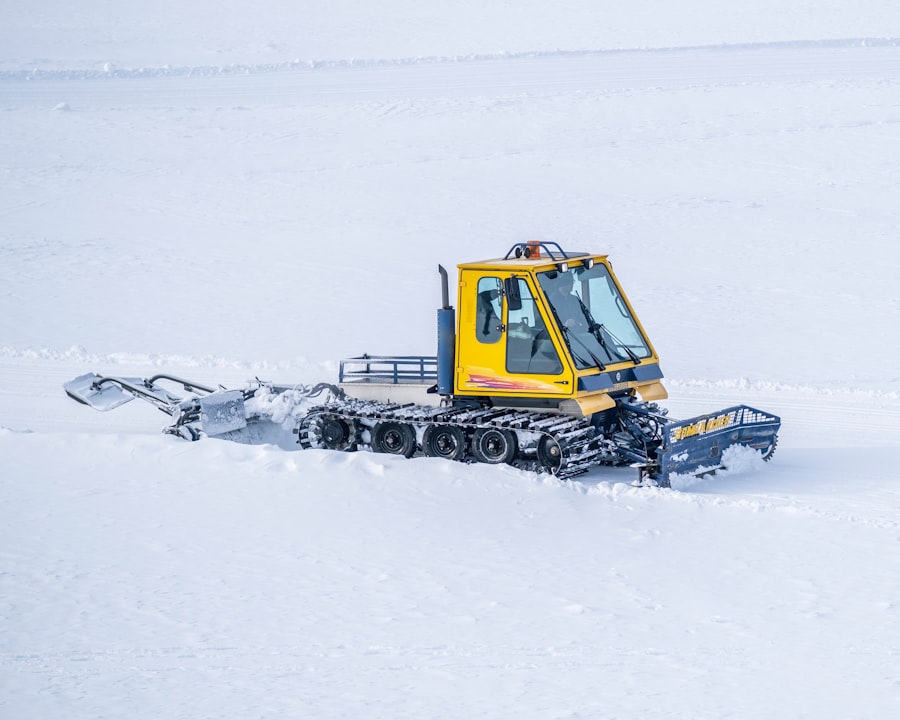
Conversely, winter conditions can create icy surfaces that require specialized vehicles for safe navigation. To overcome these transportation challenges, military planners must develop flexible logistics strategies that account for varying conditions throughout the year. This may involve utilizing all-terrain vehicles or aircraft capable of landing on unpaved surfaces.
Additionally, establishing temporary supply depots or forward operating bases can enhance operational flexibility by reducing reliance on long supply lines through difficult terrain.
Communication and Technology: Overcoming Permafrost-Related Obstacles
Effective communication is vital for successful military operations in any environment; however, permafrost regions present unique technological challenges that can impede connectivity. Harsh weather conditions can disrupt satellite communications or damage ground-based infrastructure such as antennas or cables buried in frozen soil. Additionally, remote locations may lack reliable power sources necessary for maintaining communication systems.
To address these obstacles, military organizations are increasingly turning to innovative technologies designed specifically for extreme environments. For instance, portable communication systems that rely on solar power or wind energy can provide reliable connectivity even in remote areas with limited infrastructure. Furthermore, advancements in satellite technology are improving communication capabilities in challenging terrains, enabling real-time coordination between units operating in permafrost regions.
Energy and Resource Management: Sustaining Military Operations in Permafrost
Energy management is a critical consideration for sustaining military operations in permafrost environments. Traditional energy sources may be difficult to transport or maintain in remote locations where infrastructure is limited. As a result, military planners must explore alternative energy solutions that are both efficient and environmentally sustainable.
Renewable energy sources such as solar panels or wind turbines are gaining traction as viable options for powering military installations in these regions. By harnessing local resources, military organizations can reduce their reliance on fuel shipments while minimizing their environmental impact. Additionally, energy-efficient technologies—such as advanced heating systems designed to operate effectively in cold climates—can further enhance sustainability efforts while ensuring operational readiness.
Case Studies: Successful Military Engineering Projects in Permafrost Environments
Several successful military engineering projects have demonstrated effective strategies for operating in permafrost environments. One notable example is the construction of the Thule Air Base in Greenland, which required innovative engineering solutions to address the challenges posed by extreme cold and unstable ground conditions. Engineers utilized elevated structures and thermosyphons to maintain stability while ensuring that facilities remained functional year-round.
Another case study involves the U.S. Army Corps of Engineers’ work on the Joint Base Elmendorf-Richardson in Alaska. Here, engineers implemented advanced monitoring systems to assess ground conditions continuously while employing adaptive management practices to respond proactively to changes in permafrost stability.
These projects highlight the importance of integrating cutting-edge technology with traditional engineering principles to achieve success in challenging environments.
Future Considerations: Adapting Military Engineering Strategies to Address Permafrost Changes
As climate change continues to alter the dynamics of permafrost regions worldwide, military organizations must remain vigilant in adapting their engineering strategies accordingly. This involves not only investing in research to better understand how thawing permafrost will impact future operations but also fostering collaboration between military engineers and environmental scientists.
This commitment will not only enhance operational readiness but also contribute positively to global efforts aimed at mitigating climate change impacts on vulnerable ecosystems like those found in permafrost regions. Ultimately, addressing these challenges will require a concerted effort from all stakeholders involved—military personnel, engineers, scientists—and a shared vision for a sustainable future amidst changing landscapes.
Permafrost presents unique challenges for military engineering, particularly in terms of infrastructure stability and operational effectiveness in cold regions. For a deeper understanding of these challenges and their implications for military operations, you can read the article on this topic at In the War Room. This resource provides valuable insights into how military engineers are adapting to the complexities posed by permafrost conditions.
WATCH THIS! 🎬 America’s Nuclear City Was a Lie: The Russian Base That Made Iceworm Obsolete
FAQs
What is permafrost?
Permafrost is ground, including soil or rock, that remains frozen for at least two consecutive years. It is commonly found in polar regions and high mountain areas.
Why is permafrost important in military engineering?
Permafrost affects the stability and durability of military infrastructure such as bases, roads, and airfields. Engineering projects in these regions must account for the unique challenges posed by frozen ground to ensure safety and functionality.
What are the main challenges of building on permafrost?
Key challenges include ground instability due to thawing, frost heave, uneven settling, and difficulties in excavation. Thawing permafrost can lead to structural damage and increased maintenance costs.
How does climate change impact permafrost and military engineering?
Rising temperatures cause permafrost to thaw, leading to ground subsidence and increased risk of infrastructure failure. This necessitates adaptive engineering solutions and ongoing monitoring.
What engineering techniques are used to address permafrost challenges?
Techniques include elevating structures on piles, using insulation layers, thermosyphons to keep the ground frozen, and designing flexible foundations to accommodate ground movement.
Are there specific military operations affected by permafrost?
Yes, military operations in Arctic and sub-Arctic regions are affected, including the construction and maintenance of bases, transportation routes, and communication infrastructure.
How do military engineers monitor permafrost conditions?
They use ground temperature sensors, remote sensing technologies, and geotechnical surveys to assess permafrost stability and detect changes over time.
Can permafrost thawing pose environmental risks during military construction?
Yes, thawing permafrost can release greenhouse gases like methane and carbon dioxide, and construction activities may disrupt local ecosystems, requiring careful environmental management.
Is permafrost a concern only in the Arctic?
While most extensive in the Arctic, permafrost also exists in high-altitude mountainous regions, where military engineering projects may face similar challenges.
What role does permafrost play in strategic military planning?
Permafrost conditions influence the location, design, and sustainability of military installations, affecting operational readiness and long-term strategic capabilities in cold regions.