In an era where security concerns are paramount, the perimeter system has emerged as a critical component in safeguarding properties and assets. This system encompasses a range of technologies and strategies designed to create a protective boundary around a designated area, whether it be a corporate facility, a residential neighborhood, or a sensitive government installation. The primary objective of a perimeter system is to deter unauthorized access and provide early detection of potential threats.
The concept of perimeter security is not new; it has been a fundamental aspect of defense strategies for centuries. However, the modern interpretation of perimeter systems integrates advanced technologies such as surveillance cameras, motion detectors, and access control systems.
These innovations have transformed traditional security measures into sophisticated networks capable of responding to threats in real-time. As the world becomes increasingly interconnected, the need for robust perimeter security solutions has never been more pressing, prompting a closer examination of their importance and effectiveness.
Key Takeaways
- Perimeter systems are essential for establishing the first line of defense in security frameworks.
- Advances in technology have significantly enhanced the effectiveness and capabilities of perimeter security solutions.
- Integrating perimeter systems with other security measures creates a more comprehensive and robust protection strategy.
- Implementing perimeter security faces challenges such as environmental factors, cost, and system complexity.
- Staying updated with regulatory compliance and adopting best practices ensures the ongoing reliability of perimeter security.
The Importance of Perimeter Security
Perimeter security serves as the first line of defense against potential intrusions and threats. By establishing a secure boundary, organizations can significantly reduce the risk of unauthorized access, theft, vandalism, and other criminal activities. The psychological impact of a well-implemented perimeter system cannot be understated; it not only deters potential intruders but also instills a sense of safety among employees, residents, and stakeholders.
In many cases, the mere presence of security measures can prevent incidents before they occur. Moreover, perimeter security is crucial for protecting sensitive information and assets. In an age where data breaches and cyber threats are rampant, physical security measures must complement digital defenses.
A breach at the perimeter can lead to catastrophic consequences, including financial loss, reputational damage, and legal ramifications. Therefore, investing in a comprehensive perimeter security strategy is not merely a precaution; it is an essential aspect of risk management for any organization.
Evolution of Perimeter System Technology
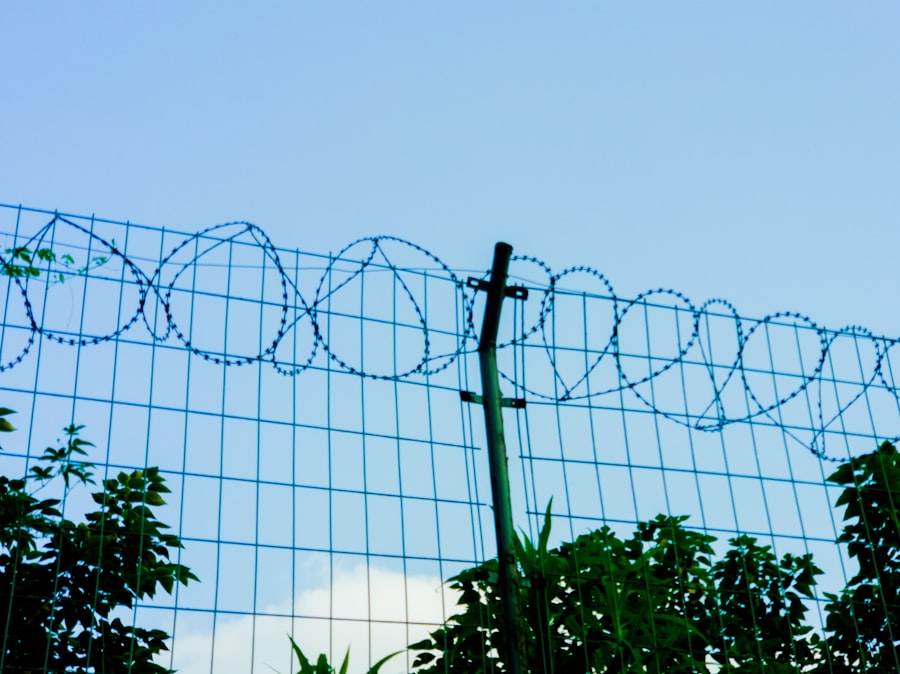
The evolution of perimeter system technology has been marked by significant advancements that have enhanced both effectiveness and efficiency. In the past, perimeter security relied heavily on physical barriers such as fences and walls. While these measures provided a basic level of protection, they were often insufficient in addressing more sophisticated threats.
The introduction of electronic surveillance systems marked a turning point in perimeter security, allowing for real-time monitoring and rapid response capabilities. As technology continued to advance, so did the sophistication of perimeter systems. The integration of sensors, cameras with advanced analytics, and automated access control systems has revolutionized how organizations approach security.
Modern perimeter systems can now utilize artificial intelligence to analyze patterns and detect anomalies, providing alerts before an incident escalates. This evolution reflects a broader trend in security technology: the shift from reactive measures to proactive strategies that anticipate and mitigate risks before they materialize.
Advantages of Using Perimeter System
Implementing a perimeter system offers numerous advantages that extend beyond mere physical protection. One of the most significant benefits is the ability to monitor activities around the perimeter in real-time. This capability allows security personnel to respond swiftly to any suspicious behavior or potential threats, thereby minimizing the risk of incidents occurring within the secured area.
Additionally, modern perimeter systems often come equipped with features such as remote access and mobile alerts, enabling security teams to stay informed and responsive even when they are not physically present. Another advantage lies in the integration of data analytics within perimeter systems. By collecting and analyzing data from various sensors and cameras, organizations can gain valuable insights into patterns of behavior and potential vulnerabilities.
This information can inform strategic decisions regarding resource allocation and risk management. Furthermore, the ability to document incidents through recorded footage enhances accountability and provides evidence in case of disputes or investigations.
Common Challenges in Implementing Perimeter Security
| Metric | Value | Unit | Status | Last Updated |
|---|---|---|---|---|
| System Uptime | 99.98 | % | Operational | 2024-06-01 12:00 UTC |
| Number of Active Sensors | 120 | Units | Operational | 2024-06-01 12:00 UTC |
| Average Response Time | 0.35 | Seconds | Operational | 2024-06-01 12:00 UTC |
| False Alarm Rate | 0.02 | % | Operational | 2024-06-01 12:00 UTC |
| Power Supply Status | Stable | N/A | Operational | 2024-06-01 12:00 UTC |
Despite the clear benefits of perimeter systems, organizations often face several challenges during implementation. One common issue is the high initial cost associated with installing advanced security technologies. Budget constraints can limit an organization’s ability to invest in comprehensive solutions that encompass both physical barriers and electronic monitoring systems.
As a result, some organizations may opt for less effective measures that do not provide adequate protection. Another challenge is the complexity of integrating new technologies with existing infrastructure. Many organizations have legacy systems that may not be compatible with modern perimeter security solutions.
This incompatibility can lead to operational inefficiencies and increased vulnerability during the transition period. Additionally, training personnel to effectively use new technologies can be time-consuming and may require ongoing support to ensure that staff are well-equipped to respond to potential threats.
Integration of Perimeter System with Other Security Measures
To maximize effectiveness, perimeter systems should not operate in isolation but rather be integrated with other security measures within an organization’s overall security strategy. This holistic approach ensures that all layers of security work together seamlessly to provide comprehensive protection. For instance, integrating perimeter systems with internal surveillance cameras allows for continuous monitoring from the outer boundary to the interior spaces of a facility.
Furthermore, collaboration between physical security measures and cybersecurity protocols is essential in today’s interconnected environment. As organizations increasingly rely on digital infrastructure, ensuring that physical access controls align with cybersecurity policies becomes critical. For example, restricting access to sensitive areas through biometric authentication can enhance both physical and digital security by ensuring that only authorized personnel can enter restricted zones.
Case Studies of Successful Perimeter System Implementation
Numerous organizations have successfully implemented perimeter systems that serve as exemplary models for others seeking to enhance their security measures. One notable case is that of a large financial institution that faced increasing threats from cybercriminals targeting its physical locations. By investing in a comprehensive perimeter system that included advanced surveillance cameras equipped with facial recognition technology and motion sensors, the institution was able to significantly reduce unauthorized access attempts while also enhancing its overall security posture.
Another compelling example comes from a government facility that required stringent security measures due to its sensitive operations.
This integrated approach not only improved response times during potential breaches but also fostered a culture of security awareness among employees.
The success of this implementation demonstrated how effective perimeter systems could enhance both safety and operational efficiency.
Future Trends in Perimeter Security
As technology continues to advance at an unprecedented pace, several trends are emerging in the field of perimeter security that promise to reshape its future landscape. One significant trend is the increasing use of artificial intelligence (AI) and machine learning algorithms in surveillance systems. These technologies enable more sophisticated threat detection capabilities by analyzing vast amounts of data in real-time and identifying patterns that may indicate potential risks.
Additionally, the rise of smart cities is influencing the development of perimeter security solutions. As urban areas become more interconnected through IoT devices, there is an opportunity to create integrated security networks that enhance public safety while optimizing resource allocation. For instance, smart sensors embedded in urban infrastructure can provide valuable data on crowd movements and potential threats, allowing law enforcement agencies to respond proactively.
Regulatory Compliance and Perimeter Security
Regulatory compliance plays a crucial role in shaping perimeter security strategies across various industries. Organizations must navigate a complex landscape of regulations that govern data protection, privacy, and physical security standards. Failure to comply with these regulations can result in severe penalties and reputational damage.
Therefore, integrating compliance considerations into perimeter security planning is essential for mitigating risks associated with non-compliance. Moreover, regulatory frameworks often require organizations to conduct regular assessments and audits of their security measures. This ongoing evaluation process ensures that perimeter systems remain effective in addressing evolving threats while adhering to legal requirements.
By prioritizing compliance within their security strategies, organizations can enhance their overall resilience against potential breaches.
Best Practices for Maintaining Perimeter Security
To ensure the long-term effectiveness of perimeter systems, organizations should adopt best practices for maintenance and continuous improvement. Regular inspections and testing of all components—such as cameras, sensors, and access control mechanisms—are essential for identifying vulnerabilities before they can be exploited by intruders. Establishing a routine maintenance schedule helps organizations stay ahead of potential issues while ensuring that all systems function optimally.
Training personnel on best practices for using perimeter systems is equally important. Employees should be well-versed in recognizing suspicious behavior and understanding protocols for reporting incidents promptly. Additionally, fostering a culture of security awareness within the organization encourages everyone to take an active role in maintaining safety at the perimeter.
The Continued Relevance of Perimeter System
In conclusion, the relevance of perimeter systems remains steadfast in an increasingly complex security landscape. As threats evolve and become more sophisticated, organizations must prioritize robust perimeter security measures as part of their overall risk management strategies. The integration of advanced technologies, coupled with best practices for maintenance and compliance, will ensure that these systems continue to provide effective protection against unauthorized access and potential threats.
The future of perimeter security will undoubtedly be shaped by ongoing technological advancements and changing regulatory requirements. However, one thing remains clear: investing in comprehensive perimeter systems is not just about safeguarding physical assets; it is about fostering a culture of safety and resilience within organizations and communities alike. As such, the continued evolution and enhancement of perimeter systems will play a pivotal role in shaping secure environments for years to come.
The perimeter system remains operational and continues to play a crucial role in enhancing security measures. For more insights on this topic, you can read the related article available at