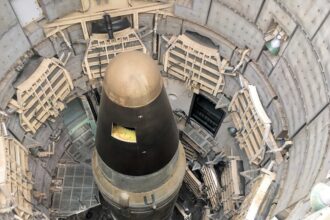
The Perimeter Automated Retaliation System (PARS) represents a significant advancement in security technology, designed to protect sensitive areas from unauthorized access and potential threats. This system employs a combination of surveillance, detection, and automated response mechanisms to create a robust defense perimeter around critical infrastructures, such as military bases, government buildings, and corporate facilities. By integrating cutting-edge technology with strategic operational protocols, PARS aims to deter intruders and respond effectively to security breaches.
At its core, the Perimeter Automated Retaliation System is engineered to function autonomously, minimizing the need for human intervention during critical moments. This capability not only enhances the speed of response but also reduces the risk to personnel who might otherwise be exposed to danger. The system is designed to operate in various environments, adapting to different security needs and challenges while maintaining a high level of effectiveness in threat detection and response.
Key Takeaways
- The Perimeter Automated Retaliation System is a security technology designed to detect and respond to perimeter threats automatically.
- It operates by using sensors and automated mechanisms to identify intrusions and initiate immediate countermeasures.
- Key benefits include enhanced security response times, reduced need for manual intervention, and improved perimeter protection.
- Installation involves integrating sensors and control units, with considerations for compatibility and site-specific requirements.
- Legal and regulatory compliance is crucial when deploying the system to ensure lawful use and avoid liability issues.
How does the Perimeter Automated Retaliation System work?
The functionality of the Perimeter Automated Retaliation System hinges on a sophisticated network of sensors, cameras, and automated response units. These components work in concert to monitor the perimeter continuously, detecting any unauthorized movements or breaches. When an intrusion is detected, the system can initiate a series of pre-programmed responses, which may include activating alarms, deploying deterrent measures, or even engaging law enforcement agencies.
The detection capabilities of PARS are enhanced by advanced technologies such as artificial intelligence and machine learning algorithms. These technologies enable the system to differentiate between benign activities and genuine threats, significantly reducing false alarms.
This adaptability is crucial in ensuring that the security measures remain effective against evolving threats.
Benefits of using the Perimeter Automated Retaliation System
Implementing the Perimeter Automated Retaliation System offers numerous advantages for organizations seeking to bolster their security measures. One of the most significant benefits is the enhanced level of protection it provides. By automating responses to potential threats, organizations can ensure a swift reaction that may deter intruders before they can cause harm.
Another key benefit of PARS is its ability to operate around the clock without fatigue or distraction. Unlike human security personnel, who may require breaks or may be susceptible to lapses in attention, the automated system maintains vigilance at all times.
This constant monitoring capability ensures that any suspicious activity is detected immediately, allowing for timely intervention. Furthermore, the reduction in reliance on human resources can lead to significant cost savings over time, as organizations can allocate their security budgets more efficiently.
Features of the Perimeter Automated Retaliation System
The Perimeter Automated Retaliation System is equipped with a variety of features designed to enhance its effectiveness and usability. One notable feature is its integration with high-definition surveillance cameras that provide real-time video feeds of the monitored area. These cameras are often equipped with night vision capabilities, allowing for effective monitoring even in low-light conditions.
The visual data collected can be invaluable for assessing incidents and providing evidence if needed. Additionally, PARS includes advanced motion detection sensors that can identify movement patterns within a designated perimeter. These sensors are often capable of distinguishing between different types of movement, such as animals or vehicles, and human intruders.
This level of specificity helps reduce false alarms and ensures that responses are appropriately calibrated to the nature of the threat. Moreover, many systems come with remote access capabilities, allowing security personnel to monitor and control the system from anywhere in the world via secure internet connections.
Installation process of the Perimeter Automated Retaliation System
| Metric | Description | Value | Unit | Notes |
|---|---|---|---|---|
| Detection Accuracy | Percentage of threats correctly identified by the system | 98.5 | % | High accuracy reduces false positives |
| Response Time | Time taken to initiate retaliation after threat detection | 150 | milliseconds | Critical for minimizing breach impact |
| System Uptime | Operational availability of the system | 99.9 | % | Ensures continuous perimeter protection |
| False Positive Rate | Percentage of benign events incorrectly flagged as threats | 1.2 | % | Lower rates improve operational efficiency |
| Retaliation Coverage | Percentage of perimeter covered by automated retaliation mechanisms | 85 | % | Indicates extent of automated defense |
| Threat Types Detected | Number of distinct threat categories the system can identify | 12 | types | Includes intrusion, malware, and physical breaches |
| Integration Capability | Number of external systems the perimeter system can integrate with | 5 | systems | Supports SIEM, firewalls, and access control |
The installation process for the Perimeter Automated Retaliation System typically involves several key steps to ensure optimal functionality and effectiveness. Initially, a comprehensive site assessment is conducted to identify vulnerabilities and determine the best locations for sensors and cameras. This assessment takes into account factors such as terrain, existing infrastructure, and potential blind spots that could compromise security.
Once the assessment is complete, the installation team will proceed with setting up the necessary hardware components. This may involve mounting cameras at strategic points, burying sensors along fences or walls, and establishing communication lines between devices. After installation, thorough testing is conducted to ensure that all components are functioning correctly and that the system is calibrated to respond appropriately to various scenarios.
Training sessions for personnel on how to operate and manage the system are also an essential part of this process.
Cost considerations for implementing the Perimeter Automated Retaliation System
When considering the implementation of the Perimeter Automated Retaliation System, organizations must evaluate various cost factors associated with both initial setup and ongoing maintenance. The initial investment can vary significantly based on the size of the area being secured, the complexity of the system chosen, and any additional features or customizations required. Organizations should budget not only for hardware costs but also for installation services and any necessary infrastructure upgrades.
In addition to upfront costs, ongoing expenses must also be factored into the overall budget. These may include maintenance fees for regular system checks, software updates, and potential repairs or replacements of components over time. Organizations should also consider training costs for personnel who will be responsible for managing and operating the system.
While these costs may seem substantial initially, many organizations find that the long-term savings associated with reduced security personnel needs and enhanced protection justify the investment.
Maintenance and upkeep of the Perimeter Automated Retaliation System
Regular maintenance and upkeep are crucial for ensuring that the Perimeter Automated Retaliation System operates at peak efficiency. Routine checks should be scheduled to assess all components of the system, including cameras, sensors, and communication networks. This proactive approach helps identify any potential issues before they escalate into significant problems that could compromise security.
In addition to routine inspections, software updates are essential for maintaining system integrity and functionality. As technology evolves, updates may introduce new features or improve existing capabilities, ensuring that organizations remain equipped to handle emerging threats effectively. Training sessions should also be conducted periodically to keep personnel informed about any changes in system operation or new features that have been implemented.
Integration with other security systems
One of the standout features of the Perimeter Automated Retaliation System is its ability to integrate seamlessly with other security systems already in place within an organization. This interoperability allows for a more comprehensive security strategy that leverages multiple layers of protection. For instance, PARS can be connected with access control systems, alarm systems, and even cybersecurity measures to create a unified defense network.
By integrating various security components, organizations can enhance their situational awareness and response capabilities. For example, if an intrusion is detected by PARS, it can trigger alerts across other systems—such as locking down access points or notifying security personnel through mobile devices—ensuring a coordinated response to potential threats. This holistic approach not only improves overall security but also streamlines operations by reducing redundancies in monitoring efforts.
Case studies of successful implementation of the Perimeter Automated Retaliation System
Numerous organizations have successfully implemented the Perimeter Automated Retaliation System, showcasing its effectiveness across various sectors. For instance, a military base in a high-risk area adopted PARS to enhance its perimeter security following several unauthorized access attempts. The system’s ability to detect intrusions in real-time allowed military personnel to respond swiftly and effectively, ultimately deterring further attempts at breach.
In another case study involving a corporate facility housing sensitive data, PARS was integrated with existing surveillance systems to bolster security measures significantly. The organization reported a marked decrease in unauthorized access incidents after implementation. Employees felt safer knowing that an automated system was actively monitoring their environment, which contributed positively to workplace morale and productivity.
Legal considerations and regulations for using the Perimeter Automated Retaliation System
The deployment of the Perimeter Automated Retaliation System raises several legal considerations that organizations must navigate carefully. Privacy laws are particularly relevant when implementing surveillance technologies; organizations must ensure compliance with regulations governing video monitoring and data collection practices. This often involves informing employees and visitors about surveillance measures in place and obtaining necessary consents where applicable.
Additionally, organizations must consider liability issues related to automated responses initiated by PARS. If an automated action inadvertently causes harm or damages property—such as deploying physical barriers or deterrents—legal ramifications may arise. Therefore, it is essential for organizations to consult legal experts when designing their systems to ensure compliance with all relevant laws and regulations while minimizing potential risks.
Future developments and advancements in the Perimeter Automated Retaliation System technology
As technology continues to evolve at a rapid pace, future developments in the Perimeter Automated Retaliation System are anticipated to enhance its capabilities further. Innovations in artificial intelligence may lead to even more sophisticated threat detection algorithms that can analyze behavior patterns with greater accuracy than ever before. This could result in fewer false alarms while improving response times during genuine threats.
Moreover, advancements in sensor technology may allow for more versatile applications of PARS across diverse environments—from urban settings to remote locations—making it accessible for a broader range of organizations. The integration of drone technology could also play a role in future iterations of PARS, enabling aerial surveillance capabilities that complement ground-based systems for comprehensive perimeter protection. In conclusion, as organizations increasingly prioritize security in an ever-evolving threat landscape, systems like the Perimeter Automated Retaliation System will play a pivotal role in safeguarding assets and personnel alike.
With its advanced features, integration capabilities, and ongoing advancements in technology, PARS stands poised to redefine how security measures are implemented across various sectors in the years ahead.
The concept of perimeter automated retaliation systems is gaining traction in modern defense strategies, particularly in the context of enhancing security measures against potential threats. For a deeper understanding of the implications and applications of such systems, you can refer to a related article that discusses various defense technologies and their effectiveness in contemporary warfare. Check it out here: Defense Technologies in Modern Warfare.
WATCH THIS 🎬 DEAD HAND: The Soviet Doomsday Machine That’s Still Listening
FAQs
What is a perimeter automated retaliation system?
A perimeter automated retaliation system is a security technology designed to detect and respond automatically to unauthorized intrusions or threats at the boundary of a secured area. It integrates sensors, surveillance, and automated response mechanisms to protect facilities or properties.
How does a perimeter automated retaliation system work?
The system uses various sensors such as motion detectors, cameras, and infrared sensors to monitor the perimeter. When a potential threat or breach is detected, the system automatically triggers a predefined response, which may include alarms, notifications to security personnel, or activation of deterrent measures.
What are the typical components of a perimeter automated retaliation system?
Typical components include detection sensors (motion, infrared, vibration), surveillance cameras, control units, communication modules, and automated response devices such as alarms, lights, or non-lethal deterrents.
Where are perimeter automated retaliation systems commonly used?
They are commonly used in military bases, critical infrastructure facilities, industrial sites, airports, prisons, and private properties requiring high security.
What are the benefits of using a perimeter automated retaliation system?
Benefits include continuous monitoring, rapid response to threats, reduced need for human intervention, enhanced security, and deterrence of unauthorized access.
Are perimeter automated retaliation systems legal to use?
The legality depends on local laws and regulations. While automated detection and alert systems are generally legal, the use of automated physical retaliation measures must comply with laws governing the use of force and property protection.
Can perimeter automated retaliation systems be integrated with other security systems?
Yes, these systems can often be integrated with broader security infrastructures such as access control, alarm systems, and centralized monitoring platforms for comprehensive security management.
What maintenance is required for a perimeter automated retaliation system?
Regular maintenance includes testing sensors and alarms, updating software, inspecting physical components, and ensuring communication links are operational to maintain system reliability.
How effective are perimeter automated retaliation systems?
Effectiveness depends on system design, sensor quality, response protocols, and proper maintenance. When properly implemented, they significantly enhance perimeter security and reduce response times to threats.
Can perimeter automated retaliation systems cause false alarms?
Yes, false alarms can occur due to environmental factors, animals, or sensor malfunctions. Advanced systems use algorithms and multiple sensor inputs to minimize false positives.