Passive sonar technology represents a critical advancement in underwater acoustics, primarily utilized for detecting and tracking submarines and other underwater objects. Unlike its active counterpart, which emits sound waves and listens for their echoes, passive sonar relies solely on the detection of sounds produced by external sources. This technology has become indispensable in naval operations, providing a stealthy means of surveillance and reconnaissance.
By listening to the natural sounds of the ocean, such as marine life, geological activity, and the noise generated by vessels, passive sonar systems can gather vital information without revealing their own position. The significance of passive sonar extends beyond mere detection; it encompasses a wide range of applications in both military and civilian sectors. In military contexts, it serves as a crucial tool for maintaining maritime security and ensuring the safety of naval assets.
In civilian applications, passive sonar is employed in marine research, environmental monitoring, and even in the fishing industry to locate schools of fish. As technology continues to evolve, the capabilities of passive sonar systems are expanding, making them more effective and versatile in various operational environments.
Key Takeaways
- Passive sonar detects underwater sounds without emitting signals, enabling stealthy submarine tracking.
- It is crucial for naval defense, providing early warning and situational awareness against submarine threats.
- Advantages include low detectability and continuous monitoring, but it faces challenges like noise interference and limited range.
- Technological advancements have enhanced passive sonar sensitivity and data processing capabilities over time.
- Beyond military use, passive sonar aids in civilian applications such as marine biology and underwater environmental monitoring.
How Passive Sonar Works
The operation of passive sonar technology hinges on its ability to detect sound waves in water. These sound waves can originate from various sources, including submarines, surface ships, marine life, and even natural phenomena like underwater earthquakes. Passive sonar systems utilize an array of hydrophones—sensitive underwater microphones—that are strategically placed to capture these sounds.
The hydrophones convert acoustic signals into electrical signals, which are then processed and analyzed to identify the source and characteristics of the sounds. The effectiveness of passive sonar is influenced by several factors, including water temperature, salinity, and depth. Sound travels differently in water compared to air; it can travel long distances with minimal attenuation.
This property allows passive sonar systems to detect sounds from great distances, providing valuable information about the movements and activities of underwater entities. Advanced signal processing techniques are employed to filter out background noise and enhance the clarity of the detected sounds, enabling operators to discern specific signatures associated with different vessels or marine life.
The Importance of Submarine Detection
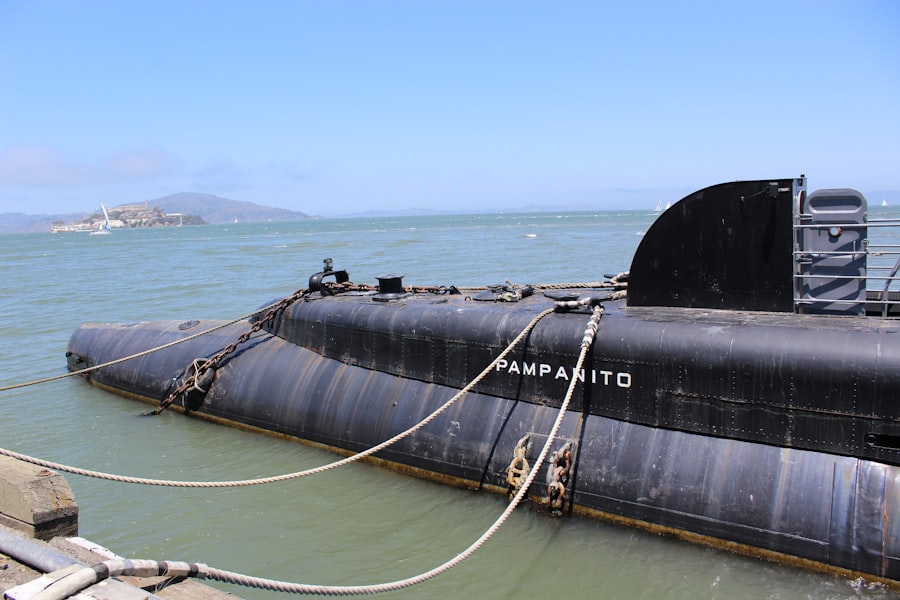
Submarine detection is a paramount concern for naval forces around the world. Submarines possess unique capabilities that allow them to operate stealthily beneath the surface, making them formidable assets in modern warfare. Their ability to launch surprise attacks or gather intelligence without being detected poses significant challenges for naval operations.
Consequently, effective submarine detection is essential for maintaining maritime security and ensuring the safety of naval fleets. The implications of failing to detect submarines can be severe. A hidden submarine can threaten not only military vessels but also commercial shipping routes and coastal installations.
The potential for surprise attacks necessitates a robust detection system that can provide early warning and situational awareness. Passive sonar technology plays a vital role in this regard, allowing naval forces to monitor vast areas of ocean while minimizing their own acoustic footprint. By employing passive sonar systems, navies can enhance their defensive capabilities and maintain a strategic advantage over potential adversaries.
Advantages of Passive Sonar
One of the primary advantages of passive sonar technology is its inherent stealthiness. Since it does not emit sound waves, passive sonar systems can operate without revealing their location to potential adversaries. This characteristic is particularly advantageous in military operations where maintaining a low profile is crucial for survival and effectiveness.
By listening rather than broadcasting, naval forces can gather intelligence without alerting enemy submarines or surface vessels. Additionally, passive sonar systems are capable of detecting a wide range of sounds across various frequencies. This versatility allows them to identify different types of vessels based on their unique acoustic signatures.
For instance, submarines produce distinct sounds when operating at different speeds or depths, enabling operators to classify them accurately. Furthermore, passive sonar can be used in conjunction with other surveillance technologies, such as radar and satellite imagery, to create a comprehensive picture of the underwater environment.
Limitations of Passive Sonar
| Detection Method | Principle | Detection Range (km) | Advantages | Limitations | Typical Applications |
|---|---|---|---|---|---|
| Passive Sonar | Listening to submarine noise emissions | 5 – 20 | Stealthy, no active emissions | Limited by ambient noise and submarine quieting | Naval patrols, ASW operations |
| Magnetic Anomaly Detection (MAD) | Detecting disturbances in Earth’s magnetic field caused by submarines | 0.5 – 1 | Effective at close range, passive | Short detection range, affected by geomagnetic noise | Airborne ASW, submarine hunting |
| Infrared Detection | Detecting heat signatures from submarine exhaust or hull | 1 – 3 | Passive, can detect near-surface submarines | Limited by water surface conditions and weather | Coastal surveillance, UAV reconnaissance |
| Oceanographic Anomaly Detection | Detecting changes in water temperature, salinity, or turbulence caused by submarines | Variable (up to 10) | Non-intrusive, passive | Requires sensitive sensors and data analysis | Research, advanced ASW systems |
| Seismic and Acoustic Sensors on Seafloor | Detecting vibrations and sounds from submarine movement | Up to 15 | Continuous monitoring, passive | High installation and maintenance cost | Fixed underwater surveillance networks |
Despite its numerous advantages, passive sonar technology is not without limitations. One significant challenge is its reliance on external sound sources; if a submarine operates quietly or employs noise-reduction technologies, it may evade detection altogether. This limitation underscores the importance of continuous advancements in passive sonar technology to enhance sensitivity and detection capabilities.
The ocean environment is filled with various sounds that can mask or interfere with the signals being monitored by passive sonar systems. Marine life, shipping traffic, and natural phenomena can create a cacophony of noise that complicates detection efforts.
Operators must be skilled in distinguishing between relevant signals and background noise to ensure accurate assessments. As such, ongoing research and development are essential to improve signal processing techniques and enhance the effectiveness of passive sonar systems.
Evolution of Passive Sonar Technology
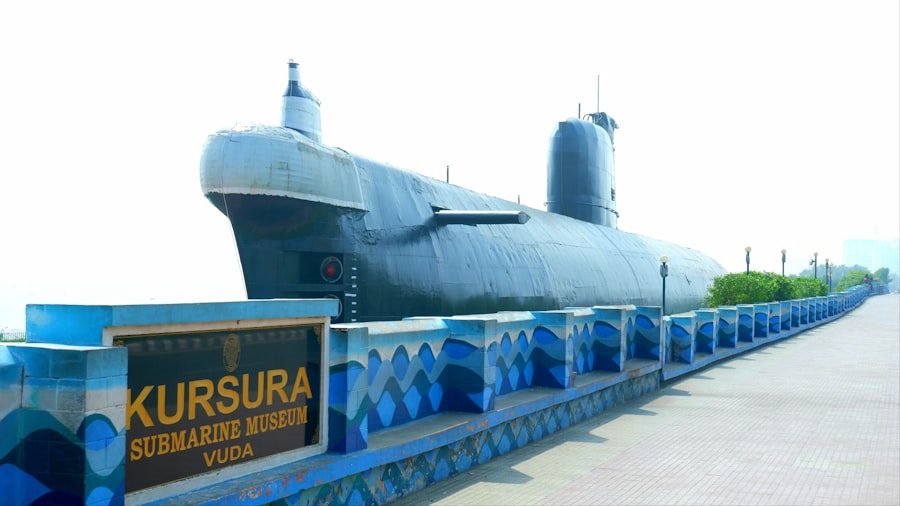
The evolution of passive sonar technology has been marked by significant advancements since its inception during World War
Early systems were rudimentary and limited in their capabilities, primarily relying on simple hydrophone arrays for sound detection. However, as technological innovations emerged, so too did the sophistication of passive sonar systems. The introduction of digital signal processing in the late 20th century revolutionized the field, allowing for more precise analysis and interpretation of acoustic data.
In recent years, advancements in materials science have led to the development of more sensitive hydrophones that can detect lower frequency sounds with greater accuracy. Additionally, machine learning algorithms are increasingly being integrated into passive sonar systems to enhance their ability to classify sounds and identify potential threats autonomously. This evolution reflects a broader trend toward automation and artificial intelligence in military applications, promising to further enhance the capabilities of passive sonar technology in the future.
Role of Passive Sonar in Naval Warfare
In the context of naval warfare, passive sonar plays a pivotal role in shaping operational strategies and tactics. Its ability to provide real-time intelligence on enemy movements allows naval commanders to make informed decisions regarding fleet positioning and engagement strategies. By utilizing passive sonar for surveillance, navies can maintain a constant watch over critical maritime areas while minimizing their own risk exposure.
Moreover, passive sonar contributes significantly to anti-submarine warfare (ASW) operations. By detecting enemy submarines before they can launch an attack or gather intelligence, naval forces can neutralize threats effectively. The integration of passive sonar with other ASW tools—such as torpedoes and unmanned underwater vehicles—creates a multi-layered defense strategy that enhances overall maritime security.
Applications of Passive Sonar in Civilian Sector
Beyond military applications, passive sonar technology has found numerous uses in the civilian sector as well. Marine biologists utilize passive sonar for studying marine life behavior and migration patterns without disturbing their natural habitats. By monitoring the sounds produced by various species, researchers can gain insights into population dynamics and ecosystem health.
Additionally, passive sonar is employed in environmental monitoring efforts to assess underwater noise pollution levels caused by shipping traffic or industrial activities. This information is crucial for developing regulations aimed at protecting marine ecosystems from harmful disturbances. Furthermore, the fishing industry leverages passive sonar technology to locate schools of fish efficiently, optimizing catch rates while minimizing bycatch.
Challenges in Passive Sonar Detection
Despite its many advantages, passive sonar detection faces several challenges that can hinder its effectiveness. One major challenge is environmental variability; changes in ocean conditions—such as temperature gradients or currents—can affect sound propagation and alter detection capabilities. Operators must account for these variables when interpreting acoustic data to ensure accurate assessments.
Another challenge lies in the increasing sophistication of submarine technologies. Modern submarines are designed with advanced noise-reduction features that make them harder to detect using traditional passive sonar methods. As adversaries continue to innovate and develop stealthier vessels, navies must invest in research and development to enhance their detection capabilities continually.
Future Developments in Passive Sonar Technology
Looking ahead, the future of passive sonar technology appears promising as researchers explore new methodologies and innovations aimed at overcoming existing limitations. One area of focus is the integration of artificial intelligence (AI) into passive sonar systems. By leveraging machine learning algorithms, these systems could improve their ability to classify sounds accurately and identify potential threats autonomously.
Additionally, advancements in sensor technology may lead to the development of more sensitive hydrophones capable of detecting even quieter sounds from greater distances. The incorporation of advanced data analytics will also play a crucial role in enhancing situational awareness for naval forces operating in complex underwater environments.
The Significance of Passive Sonar in Submarine Detection
In conclusion, passive sonar technology stands as a cornerstone of modern underwater surveillance and submarine detection efforts. Its ability to operate stealthily while providing critical intelligence on enemy movements underscores its importance in naval warfare and maritime security. Despite facing challenges related to environmental variability and advancements in submarine stealth technologies, ongoing research and development promise to enhance its capabilities further.
As both military and civilian applications continue to expand, the significance of passive sonar will only grow in importance. From safeguarding national security interests to advancing marine research initiatives, this technology remains an invaluable asset in understanding and navigating the complexities of underwater environments. The future developments in passive sonar technology will undoubtedly shape how nations approach maritime defense strategies while fostering a deeper understanding of our oceans’ ecosystems.
A related article that delves into advanced techniques and technologies for passive submarine detection can be found at this link. This resource provides insights into the methodologies employed by modern navies to enhance their underwater surveillance capabilities while minimizing the risk of detection.
WATCH THIS! 🎖️ The Silent Underwater Network That Doomed Every Soviet Submarine
FAQs
What is submarine detection without active sonar?
Submarine detection without active sonar refers to methods of locating and tracking submarines without emitting sound pulses. Instead, it relies on passive techniques such as listening for noise generated by the submarine or using other non-acoustic sensors.
Why is active sonar sometimes avoided in submarine detection?
Active sonar can reveal the position of the detecting vessel because it emits sound waves that can be detected by others. This can compromise stealth and tactical advantage, so passive detection methods are preferred in certain military operations.
What are common passive sonar techniques used in submarine detection?
Passive sonar involves listening for sounds produced by submarines, such as engine noise, propeller cavitation, or machinery vibrations. Hydrophone arrays and towed sonar systems are often used to detect and analyze these sounds.
Are there non-acoustic methods for detecting submarines?
Yes, non-acoustic methods include magnetic anomaly detection (MAD), which senses disturbances in the Earth’s magnetic field caused by a submarine’s metal hull, as well as infrared and optical sensors that detect heat or visual signatures near the water surface.
What are the advantages of detecting submarines without active sonar?
The main advantages include maintaining stealth, reducing the risk of counter-detection, and minimizing disturbance to marine life. Passive and non-acoustic methods allow for covert surveillance and tracking.
What challenges exist in submarine detection without active sonar?
Challenges include lower detection ranges compared to active sonar, difficulty distinguishing submarines from background noise, and environmental factors like water temperature and salinity that affect sound propagation.
How do modern navies enhance submarine detection without active sonar?
Modern navies use advanced signal processing, machine learning algorithms, and integrated sensor networks combining passive sonar, MAD, and other technologies to improve detection accuracy and reduce false alarms.
Can submarines evade detection methods that do not use active sonar?
Submarines employ noise reduction technologies, operate at depths or speeds that minimize acoustic signatures, and use countermeasures to evade passive detection. However, no method guarantees complete invisibility.
Is submarine detection without active sonar used in civilian applications?
While primarily a military concern, some civilian applications include underwater research, environmental monitoring, and search and rescue operations where passive acoustic monitoring is preferred to avoid disturbance.
What role does environmental knowledge play in submarine detection without active sonar?
Understanding oceanographic conditions such as temperature layers, salinity, and seabed composition is crucial because these factors influence sound propagation and sensor effectiveness in passive detection systems.