
The Soviet Fleet’s Presence in the Atlantic Ocean
The expansion of Soviet naval power during the Cold War represented a fundamental transformation in global maritime balance. After World War II, Soviet leadership determined that a powerful navy was…


Geopolitical Tensions Rise: The Cuban Crisis
The Cuban Missile Crisis of October 1962 represents one of the Cold War's most dangerous confrontations, bringing the United States and Soviet Union to the edge of nuclear conflict. The…
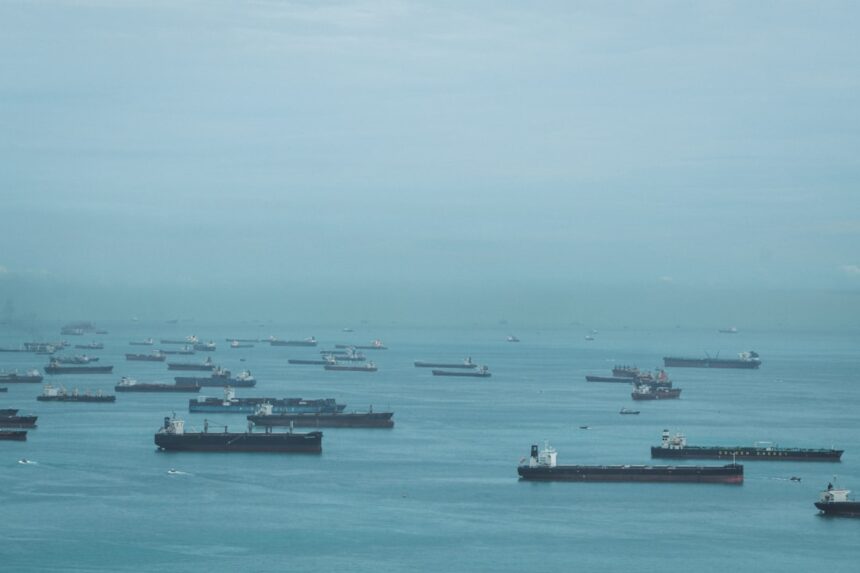
American Naval Blockade: Cuba Crisis
The Cuban Missile Crisis originated from escalating tensions between the United States and Soviet Union during the Cold War. After the Cuban Revolution in 1959, Fidel Castro established a communist…
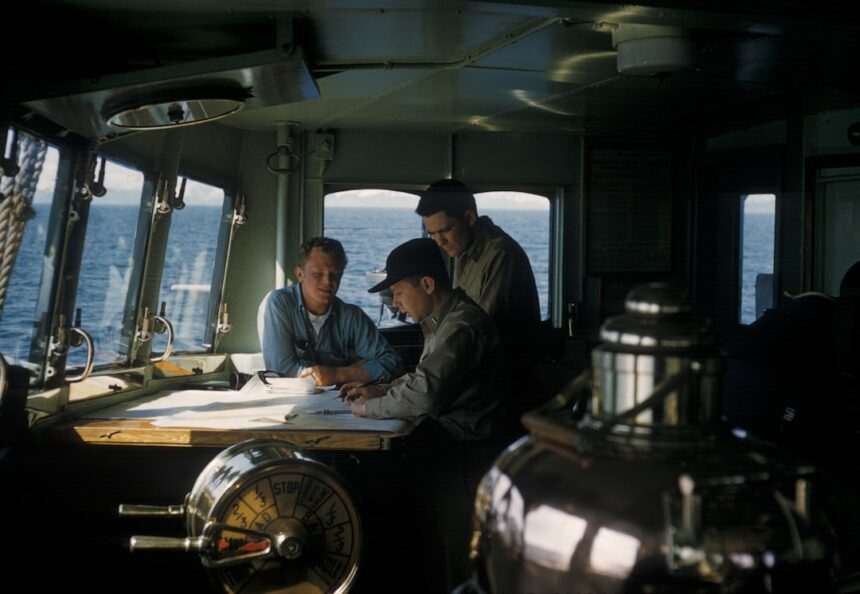
Under Pressure: Submarine Crews and Psychological Breakdowns
Submarine operations present significant physiological and psychological challenges due to the demanding nature of underwater military missions. Personnel operate within confined spaces while managing complex technical systems under high-stakes conditions…
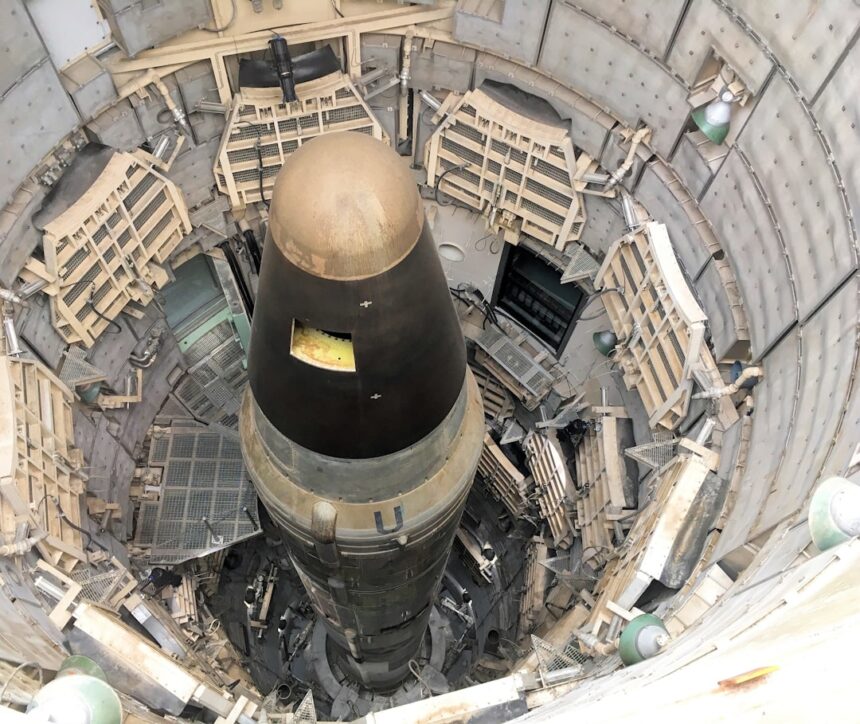
Nuclear Deterrence Doctrine Fails: Lessons Learned
Nuclear deterrence doctrine serves as a cornerstone of modern military strategy, fundamentally shaping the geopolitical landscape since the advent of nuclear weapons. At its core, this doctrine posits that the…

Unraveling Cold War Miscommunication: The Nuclear Threat
The Cold War, a period marked by intense geopolitical tension between the United States and the Soviet Union, was characterized by a series of misunderstandings and miscommunications that exacerbated the…
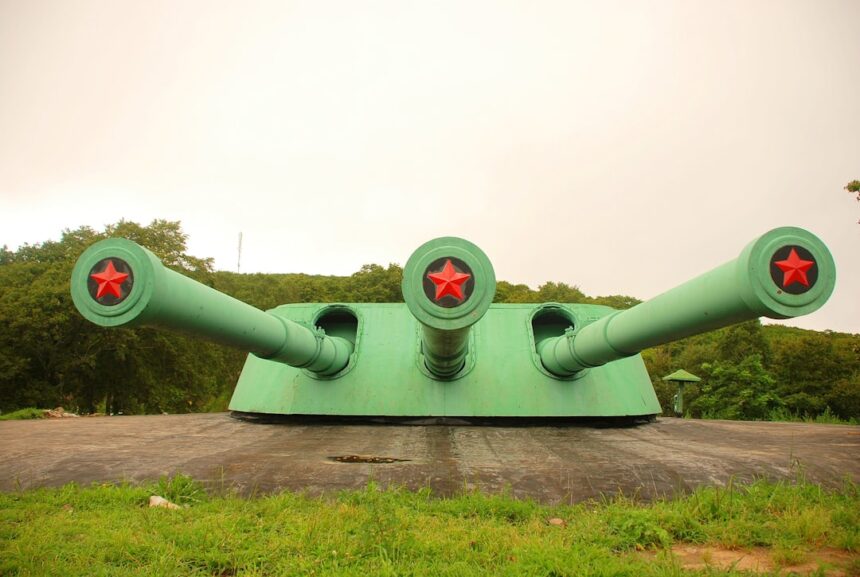
Unanimous Consent Rule: Ensuring Accountability in Nuclear Weapons
The concept of unanimous consent serves as a cornerstone in various governance frameworks, particularly in the realm of international relations and nuclear weapons accountability. This principle stipulates that all parties…
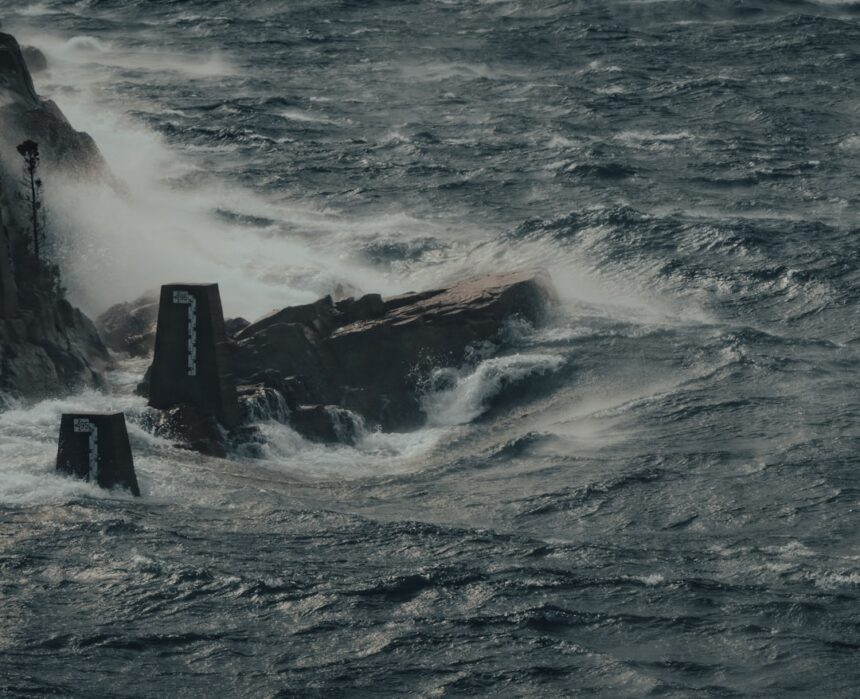
Submarine Command: The Art of Decision Making
Military submarine operations require commanders to make critical decisions that directly impact crew safety, mission success, and national security objectives. Submarine commanding officers operate in an environment where tactical choices…

Declassified National Security Archive: Unveiling Hidden Histories
Declassified national security archives serve as a vital resource for understanding the complexities of historical events and government actions. These archives provide transparency, allowing citizens to gain insight into the…
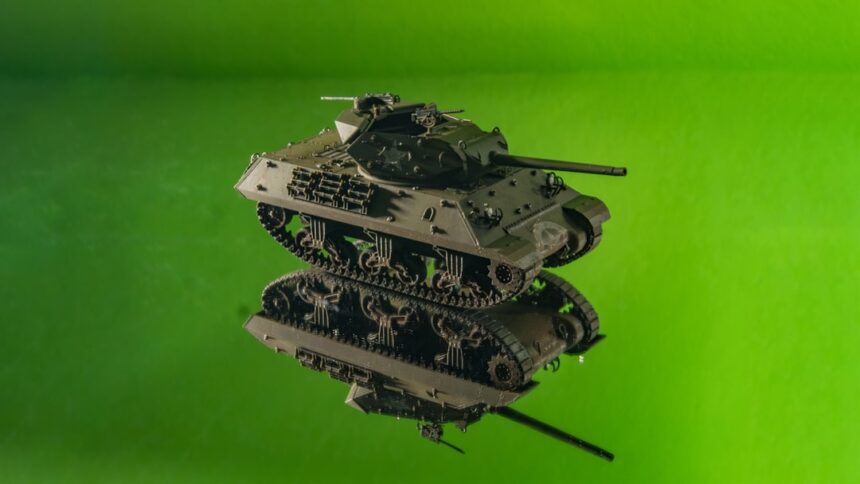
American Destroyers: Mastering Depth Charge Signals
The development of American destroyers began in the late 19th century as naval forces worldwide recognized the necessity for fast, agile warships to protect larger vessels from torpedo boat attacks.…