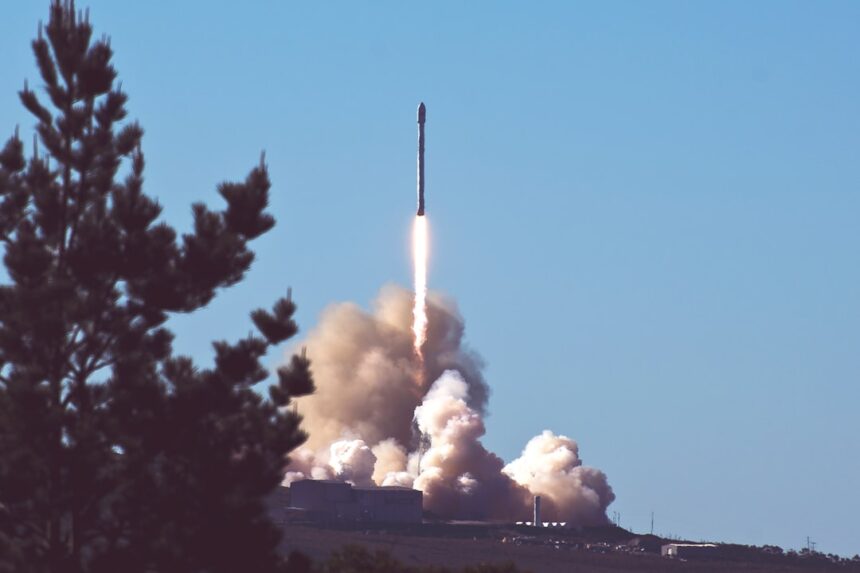
Securing the Future: Nuclear Command Missile Vympel
The Vympel Nuclear Command Missile is a military communication system designed to maintain command and control capabilities over nuclear forces during crisis situations. This missile system serves as a component…

Convergence Threshold: Nuclear Launch
The convergence threshold represents a critical concept in nuclear strategy and international security analysis. It defines the point at which the probability of nuclear weapon use transitions from theoretical to…
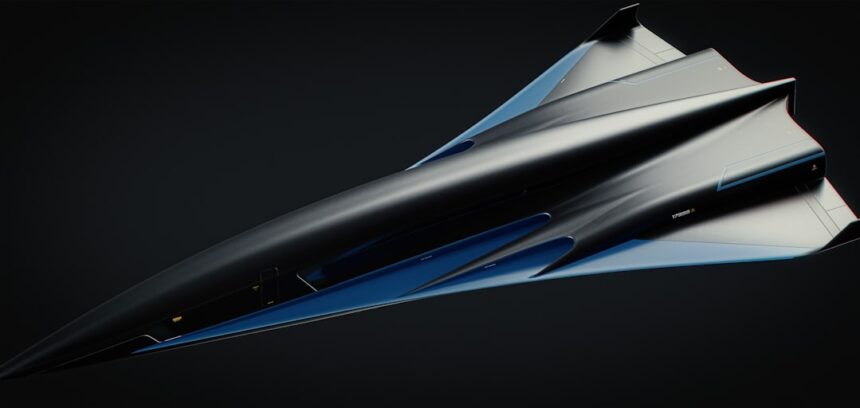
Next-Gen Hypersonic Weapons: Revolutionizing Nuclear Deterrence
In recent years, the global military landscape has witnessed a significant transformation with the emergence of hypersonic weapons. These advanced armaments, capable of traveling at speeds exceeding Mach 5, have…

Protecting Nuclear Command Systems from Cyber Threats
The contemporary cyber threat environment encompasses diverse malicious actors employing increasingly sophisticated attack methodologies. State-sponsored groups, hacktivist organizations, and criminal enterprises target sensitive data and critical infrastructure systems. The integration…

Declassified Soviet Nuclear Strategy
The Cold War was a prolonged period of geopolitical tension between the United States and the Soviet Union that lasted from 1945 to 1991. This conflict was fundamentally ideological, with…

The Aftermath of the Cuban Missile Crisis
The Cuban Missile Crisis occurred during a thirteen-day period in October 1962, representing a critical confrontation between the United States and the Soviet Union during the Cold War. The crisis…
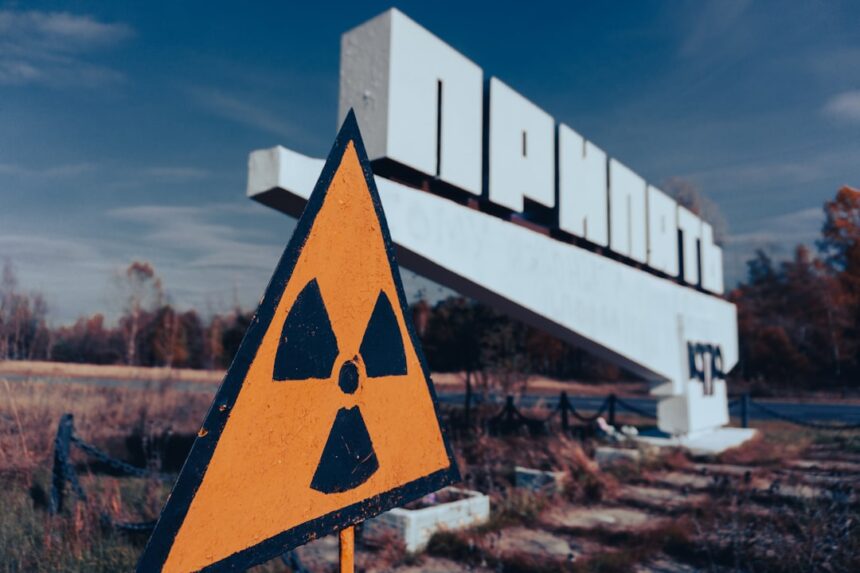
Understanding Nuclear Deterrence Logic
Nuclear deterrence has emerged as a pivotal concept in international relations since the advent of nuclear weapons in the mid-20th century. It refers to the strategy of preventing adversaries from…

Building Resilience: Command and Control in Crisis
In the realm of crisis management, the concepts of command and control are pivotal. Command refers to the authority and direction exercised by leaders during a crisis, while control encompasses…
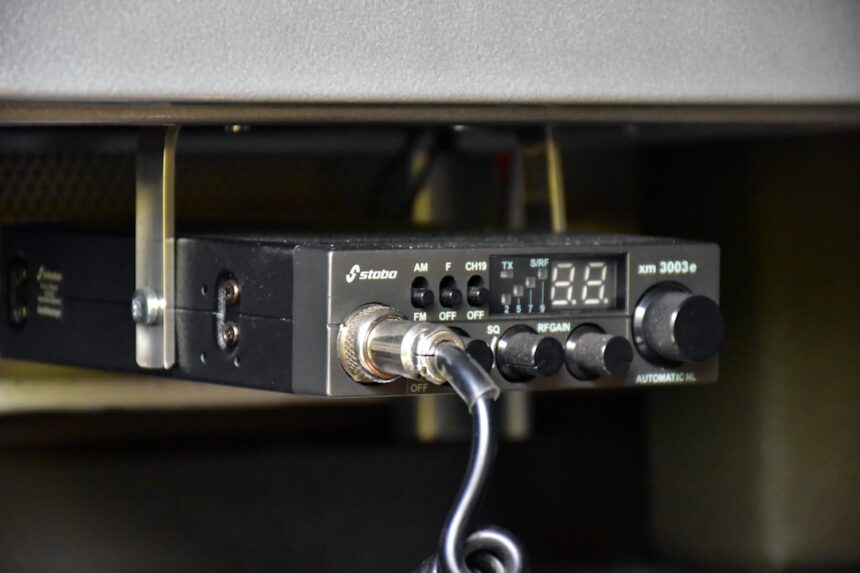
Unlocking the Potential of VLF Radio for Nuclear Communications
Very Low Frequency (VLF) radio waves, which range from 3 kHz to 30 kHz, have long been a cornerstone of long-distance communication, particularly in environments where traditional methods falter. These…
Seismic Sensing: Nuclear Detection Advancements
Seismic sensing, a technology rooted in the study of earth vibrations, has emerged as a critical tool in various fields, including geology, engineering, and environmental science. Its application in nuclear…