
The Lingering Legacy of Partially Hydrogenated Oils: Trans Fat’s Impact
The food industry's long relationship with partially hydrogenated oils (PHOs) is a complex chapter with lasting implications for public health. These oils, once hailed as a culinary solution, have left…


The Behavioral Effects of Yellow 5 and Yellow 6
The following article addresses the behavioral effects of Yellow 5 and Yellow 6. Yellow 5, also known as Tartrazine and E102, and Yellow 6, also known as Sunset Yellow FCF…

Ensuring Blue 1 Dye Safety in Energy Drinks
The use of colorants in food and beverages is a widespread practice, often employed to enhance visual appeal and marketability. Among these, synthetic dyes have been a subject of ongoing…

Improving Ice Cream Stability with Polysorbate 80
Here is an article about improving ice cream stability with Polysorbate 80, written in a factual Wikipedia style: Polysorbate 80 is a food-grade emulsifier used in the production of ice…

Creating Creamy Dairy-Free Desserts with Cellulose Gum
For individuals adhering to a dairy-free diet, the desire for creamy, satisfying desserts remains. Traditionally, dairy products like cream and milk fat provided the richness and smooth texture expected in…

The Truth About Natural vs Artificial Flavors
The distinction between natural and artificial flavors is a complex one, often misunderstood by consumers. This article aims to untangle the science, regulation, and perception surrounding these ingredients, providing a…

Understanding Mono and Diglycerides in Processed Bread
Mono- and diglycerides are common food additives used in the baking industry, particularly in processed bread. They are emulsifiers, meaning they help oil and water mix, which can improve the…
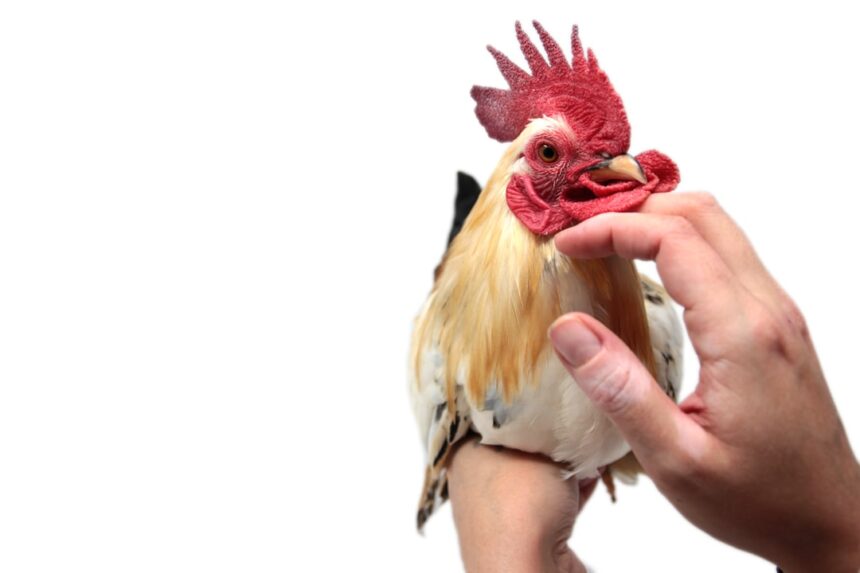
The Chlorine Washed Chicken Trade Debate
A crucial part of international trade, the movement of goods and services across borders, hinges on the establishment of clear regulations and standards. When these standards diverge, as they frequently…
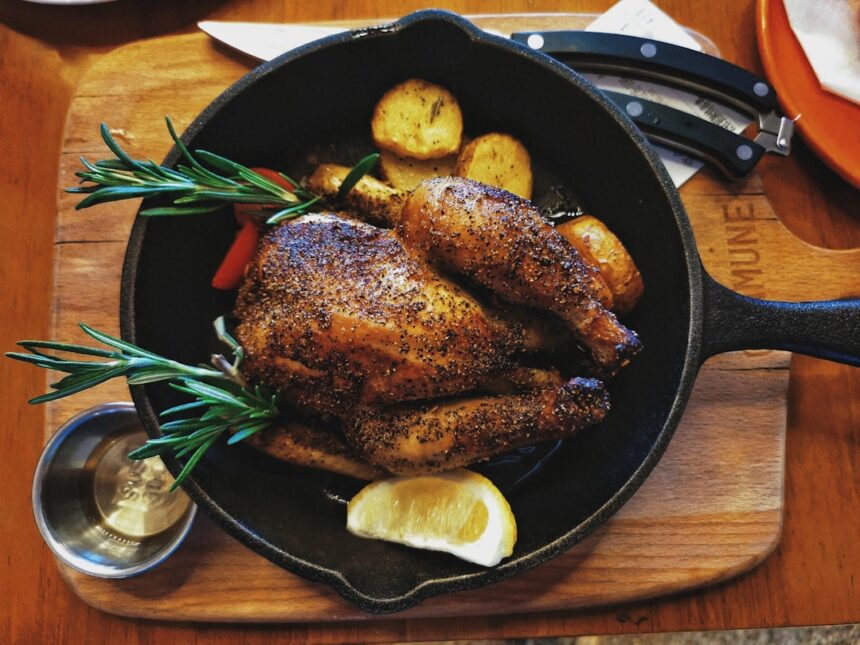
Air Chilled Chicken vs Chlorine Rinse: What’s the Best Option?
The choice between air-chilled chicken and chlorine-rinsed chicken presents a divergence in processing methods, each with implications for product quality, safety, and consumer perception. Understanding these differences can help guide…

Hormone Free Milk Labeling: Requirements for Clarity
The consumer's desire to understand the origin and composition of their food has led to a growing demand for clear and accurate labeling. Among these concerns, the presence of hormones…