The Pacific War was a major theater of World War II that lasted from 1941 to 1945. It primarily involved military forces from the United States and its allies fighting against Japan. The conflict consisted of intense battles fought across the Pacific Ocean and on numerous islands throughout the region.
Each battle significantly influenced the overall outcome of the war and the subsequent development of the Pacific region. Japan’s imperial expansion in Asia and the Pacific initiated the conflict. As Japan pursued territorial expansion and increased its regional influence, relations with Western nations deteriorated.
The United States opposed Japan’s military aggression and responded with economic sanctions and diplomatic pressure. These escalating tensions eventually led to direct military conflict in December 1941, beginning a prolonged war that involved multiple nations and caused extensive casualties and destruction.
Key Takeaways
- The Pacific War was a major theater of World War II involving intense battles between Allied and Japanese forces.
- Key turning points included the Attack on Pearl Harbor, the Battle of Midway, and the Guadalcanal Campaign.
- The Island-Hopping Campaign strategically targeted key islands to advance toward Japan.
- The Manhattan Project led to the atomic bombings of Hiroshima and Nagasaki, hastening Japan’s surrender.
- The war’s legacy includes significant military, political, and cultural impacts on the Pacific region and the world.
The Attack on Pearl Harbor
On December 7, 1941, the tranquility of a Sunday morning in Hawaii was shattered by a surprise military strike by the Imperial Japanese Navy against the United States naval base at Pearl Harbor. This audacious attack aimed to incapacitate the U.S. Pacific Fleet and prevent American interference in Japan’s planned military operations in Southeast Asia.
The assault was meticulously planned, involving over 350 aircraft launched from six aircraft carriers, and it caught the American forces off guard, resulting in devastating losses. The consequences of the attack were immediate and profound. Eight battleships were sunk or heavily damaged, along with numerous other vessels and aircraft.
More than 2,400 Americans lost their lives that day, and thousands more were wounded. The attack galvanized American public opinion, which had been largely isolationist prior to this event. In response to the assault, President Franklin D.
Roosevelt delivered his famous “Day of Infamy” speech, calling for a declaration of war against Japan. This marked the United States’ formal entry into World War II and set in motion a series of military campaigns that would ultimately lead to Japan’s defeat. Learn about the incredible leadership of Admiral Nimitz during World War II.
The Battle of Midway
The Battle of Midway, fought from June 4 to June 7, 1942, is often regarded as a turning point in the Pacific War. Following the attack on Pearl Harbor, Japan sought to expand its dominance in the Pacific by targeting Midway Atoll, a strategic location that would allow them to launch further offensives against American territories. However, U.S. intelligence efforts had successfully deciphered Japanese codes, providing crucial information about their plans. As a result, American forces were prepared for the impending assault. The battle unfolded with intense aerial combat as U.S. dive bombers launched surprise attacks on Japanese carriers. In a stunning display of tactical prowess, American forces managed to sink four Japanese aircraft carriers—Akagi, Kaga, Soryu, and Hiryu—while losing only one carrier themselves, the USS Yorktown. This decisive victory not only halted Japanese expansion but also shifted the balance of power in the Pacific theater, instilling confidence in American forces and marking the beginning of a series of successful offensives against Japan.
The Guadalcanal Campaign
The Guadalcanal Campaign, which commenced in August 1942 and continued until February 1943, represented another critical phase in the Pacific War. This campaign was marked by fierce fighting as Allied forces sought to capture Guadalcanal, an island that held strategic importance for controlling supply routes in the South Pacific. The campaign was characterized by brutal jungle warfare, with both sides suffering heavy casualties.
The initial landings at Guadalcanal were met with fierce resistance from Japanese troops who were well entrenched on the island. However, American forces gradually gained ground through a combination of naval support and ground assaults. The campaign saw significant battles such as the Battle of Savo Island and the Battle of Henderson Field, where U.S.
Marines demonstrated remarkable resilience despite being outnumbered. Ultimately, after months of grueling combat and harsh conditions, Allied forces succeeded in securing Guadalcanal, marking a significant strategic victory that would pave the way for further advances in the Pacific.
The Battle of Leyte Gulf
| Event | Date | Location | Significance | Outcome |
|---|---|---|---|---|
| Battle of Midway | June 4-7, 1942 | Midway Atoll | Decisive naval battle that halted Japanese expansion in the Pacific | US victory; four Japanese aircraft carriers sunk |
| Guadalcanal Campaign | August 1942 – February 1943 | Guadalcanal, Solomon Islands | First major offensive by Allied forces against Japan | Allied victory; secured strategic airfield and island |
| Battle of the Coral Sea | May 4-8, 1942 | Coral Sea, northeast of Australia | First aircraft carrier battle; stopped Japanese advance on Australia | Strategic Allied victory; prevented Japanese invasion |
| Battle of Leyte Gulf | October 23-26, 1944 | Philippine Sea | Largest naval battle of WWII; crippled Japanese fleet | Allied victory; paved way for liberation of the Philippines |
The Battle of Leyte Gulf, fought from October 23 to October 26, 1944, is often considered one of the largest naval battles in history and a decisive moment in the Pacific War. This battle was part of the larger campaign to liberate the Philippines from Japanese occupation and involved complex maneuvers by both American and Japanese fleets. The stakes were high as control of the Philippines was crucial for both sides; for Japan, it was about maintaining their empire, while for the United States, it was about restoring freedom to occupied territories.
The battle unfolded over several days and involved multiple engagements across vast stretches of ocean. American forces employed superior tactics and intelligence to outmaneuver the Japanese fleet. The battle resulted in a catastrophic defeat for Japan, with four of its aircraft carriers sunk and significant losses inflicted on its naval capabilities.
Leyte Gulf not only marked a turning point in naval warfare but also signaled Japan’s diminishing power in the Pacific as American forces continued their relentless advance toward Japan itself.
The Island-Hopping Campaign
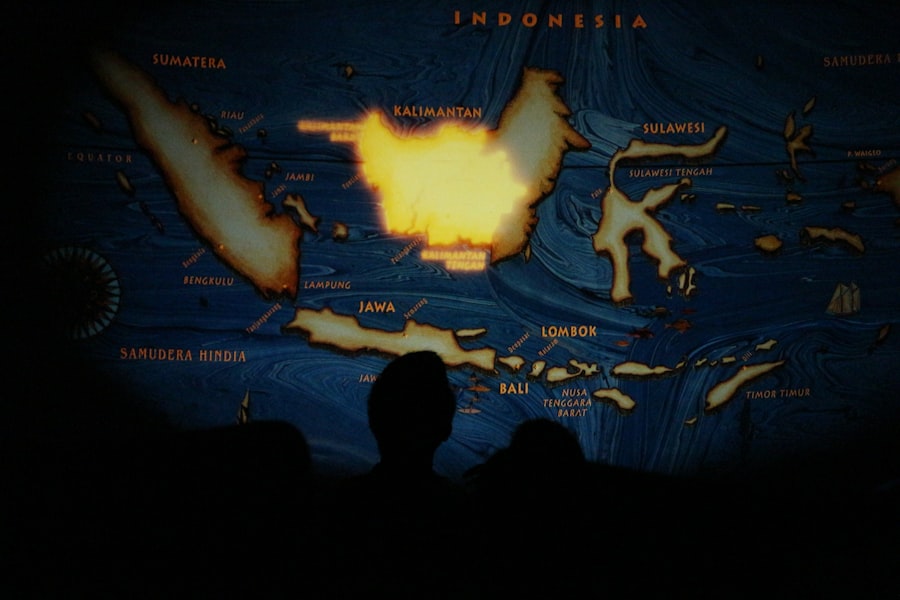
The Island-Hopping Campaign was a strategic military strategy employed by Allied forces during World War II to capture key islands across the Pacific while bypassing heavily fortified Japanese positions. This approach allowed American forces to establish bases closer to Japan without engaging in costly assaults on every island held by Japanese troops. The campaign began in earnest after victories at Midway and Guadalcanal and continued through various islands such as Tarawa, Saipan, and Guam.
Each island captured served as a stepping stone for further operations against Japan. The campaign was marked by fierce battles characterized by intense combat conditions and high casualties on both sides. The U.S.
military utilized amphibious assault tactics that combined naval bombardments with ground troop landings to secure these strategic locations. As American forces advanced through the Pacific, they not only weakened Japanese defenses but also gained vital resources and airfields necessary for future operations.
The Battle of Iwo Jima
The Battle of Iwo Jima, fought from February 19 to March 26, 1945, stands as one of the most iconic battles of the Pacific War due to its ferocity and significance. Iwo Jima was strategically important for its proximity to Japan; capturing it would provide American forces with critical airfields for launching bombing raids on the Japanese mainland. However, Japanese defenders were well-prepared and entrenched in a network of tunnels and fortifications.
The battle began with an intense naval bombardment followed by an amphibious landing by U.
Marines on the island’s black sand beaches. Despite initial successes, American forces faced fierce resistance from Japanese troops who fought tenaciously for every inch of ground.
The battle became infamous for its brutal hand-to-hand combat and high casualty rates; nearly 7,000 Americans lost their lives while Japanese casualties were estimated at over 20,000. The iconic photograph of Marines raising the American flag atop Mount Suribachi became a symbol of American resolve and sacrifice during this grueling campaign.
The Battle of Okinawa
The Battle of Okinawa, fought from April 1 to June 22, 1945, was one of the largest amphibious assaults in the Pacific theater and marked a critical juncture in the war against Japan. Okinawa was seen as a vital staging area for an invasion of the Japanese mainland due to its strategic location. The battle involved massive naval support and ground troops facing fierce resistance from well-entrenched Japanese defenders.
As American forces landed on Okinawa’s shores, they encountered not only conventional military resistance but also kamikaze attacks from Japanese pilots determined to inflict maximum damage on Allied ships. The battle was characterized by brutal fighting conditions and significant civilian casualties as well; many Okinawan civilians found themselves caught in the crossfire between warring factions. After weeks of intense combat and heavy losses on both sides—over 12,000 Americans killed and an estimated 100,000 Japanese soldiers—Okinawa fell into Allied hands.
This victory brought American forces closer to Japan but also foreshadowed the immense challenges that lay ahead.
The Manhattan Project and the Atomic Bombings
As World War II progressed and conventional warfare continued to exact a heavy toll on both sides, Allied leaders sought ways to bring about a swift conclusion to the conflict with Japan. This led to the development of the Manhattan Project—a top-secret initiative aimed at creating atomic weapons capable of delivering unprecedented destruction. Scientists from various backgrounds collaborated on this ambitious project under immense pressure to produce results before Germany or Japan could develop similar capabilities.
In August 1945, following successful tests in New Mexico, two atomic bombs were dropped on Japan: “Little Boy” on Hiroshima on August 6 and “Fat Man” on Nagasaki three days later. These bombings resulted in catastrophic loss of life; estimates suggest that over 200,000 people died as a direct result of these attacks or from subsequent radiation exposure. The bombings shocked the world and raised ethical questions about warfare’s future; however, they also played a crucial role in hastening Japan’s surrender.
Surrender of Japan and the End of the Pacific War
Japan’s surrender came on August 15, 1945—an event that marked the official end of World War II in Asia.
This momentous decision was influenced by overwhelming military pressure from Allied forces as well as internal discussions regarding Japan’s dire situation.
On September 2, 1945, formal surrender ceremonies took place aboard USS Missouri in Tokyo Bay, where representatives from Japan signed documents officially ending hostilities. This event not only signified Japan’s defeat but also ushered in a new era for Asia as nations began rebuilding from wartime devastation while grappling with issues related to occupation and governance.
Legacy of the Pacific War
The legacy of the Pacific War is profound and multifaceted; it reshaped international relations and left lasting impacts on both Asia and America. The war resulted in significant loss of life—millions perished during combat operations or as civilians caught in conflict zones—and left deep scars on societies across the region. In addition to human costs, entire cities were destroyed or rendered uninhabitable due to bombings and battles.
In terms of geopolitical consequences, the war led to shifts in power dynamics within Asia as colonial empires crumbled under pressure from nationalist movements seeking independence following years of occupation or exploitation during wartime efforts. Furthermore, it set the stage for post-war tensions during the Cold War era as nations navigated new alliances while grappling with ideological divides between communism and democracy. The Pacific War remains a critical subject for historians seeking to understand not only military strategies but also cultural exchanges that occurred during this tumultuous period—shaping identities across nations even today as societies reflect upon their shared histories amidst ongoing dialogues about peacebuilding efforts moving forward into an uncertain future.
One of the significant turning points in the Pacific War was the Battle of Midway, which shifted the balance of power in favor of the Allies. For a deeper understanding of this pivotal moment, you can read more about it in the article available at this link. This article provides insights into the strategies employed and the impact of the battle on the overall course of the war.
WATCH THIS! 🎖️ The Battle of Midway: How Codebreakers Won the Pacific War
FAQs
What was the Pacific War?
The Pacific War was a major theater of World War II that took place in the Pacific Ocean, its islands, and East Asia, primarily between the Allies, led by the United States, and the Empire of Japan from 1941 to 1945.
When did the turning point of the Pacific War occur?
The turning point of the Pacific War is generally considered to have occurred in 1942, particularly with the Battle of Midway in June 1942.
Why is the Battle of Midway considered the turning point?
The Battle of Midway was a decisive naval battle in which the United States Navy inflicted significant losses on the Japanese fleet, sinking four aircraft carriers. This shifted the balance of naval power in the Pacific in favor of the Allies.
What other battles contributed to the turning point in the Pacific War?
Other significant battles that contributed to the turning point include the Battle of the Coral Sea (May 1942), which halted Japanese expansion toward Australia, and the Guadalcanal Campaign (August 1942 – February 1943), which marked the beginning of Allied offensive operations in the Pacific.
How did the turning point affect the overall outcome of the Pacific War?
After the turning point battles, the Allies gained strategic momentum, moving from defensive operations to a series of offensives that eventually led to the recapture of occupied territories and the eventual defeat of Japan in 1945.
What role did intelligence play in the turning point of the Pacific War?
Allied codebreaking efforts, particularly the breaking of Japanese naval codes, played a crucial role in the Battle of Midway by allowing the U.S. Navy to anticipate and counter Japanese plans effectively.
Did the turning point impact the strategies used in the Pacific War?
Yes, following the turning point, the Allies adopted an “island-hopping” strategy, bypassing heavily fortified Japanese positions and capturing strategically important islands to move closer to Japan.
Who were the key military leaders involved in the turning point of the Pacific War?
Key leaders included U.S. Admirals Chester W. Nimitz, Raymond Spruance, and Frank Jack Fletcher, as well as Japanese Admirals Isoroku Yamamoto and Chuichi Nagumo.
How did the turning point influence the morale of the Allied and Japanese forces?
The Allied victory at Midway and subsequent successes boosted Allied morale and confidence, while the loss was a significant psychological blow to the Japanese military and leadership.
Is the Battle of Midway the only turning point in the Pacific War?
While Midway is widely regarded as the primary turning point, the Pacific War had multiple critical moments, including the Coral Sea battle and Guadalcanal campaign, which collectively shifted the momentum toward the Allies.