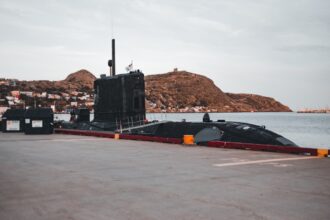
Operation Red Tide was a significant Cold War initiative developed in response to Soviet naval expansion. The operation combined military readiness, intelligence gathering, and technological advancement to counter the increasing presence of the Soviet Navy in international waters and maintain the balance of power between the superpowers. The operation emerged during a period of heightened U.S.-Soviet competition and mutual suspicion.
As the Soviet Union pursued aggressive naval policies and expanded its maritime capabilities, the United States developed Operation Red Tide as both a defensive response to immediate threats and a deterrent against potential Soviet aggression. The initiative reflected broader Cold War strategies and integrated military operations with intelligence activities to address the challenges posed by Soviet naval growth.
Key Takeaways
- Operation Red Tide was a US intelligence initiative to monitor and counter the expanding Soviet Navy during the Cold War.
- Advanced technology played a crucial role in tracking Soviet naval movements and gathering intelligence.
- US operatives faced significant challenges and risks while conducting surveillance and intelligence operations.
- The operation had a notable impact on US national security and influenced global geopolitical dynamics.
- Lessons from Operation Red Tide remain relevant today for understanding naval intelligence and strategic defense.
The Soviet Navy’s expansion and threat to US interests
In the decades following World War II, the Soviet Navy underwent significant expansion, transforming from a primarily coastal defense force into a formidable blue-water navy capable of projecting power across the globe. This transformation raised alarms within U.S. defense circles, as the Soviet fleet began to challenge American naval supremacy in critical regions such as the Mediterranean, the Atlantic, and even the Pacific.
The implications of this expansion were profound; it not only threatened U.S. interests abroad but also posed a direct challenge to the security of NATO allies. The Soviet Navy’s advancements included the development of nuclear submarines, advanced surface vessels, and an array of sophisticated weaponry.
These capabilities allowed the Soviets to operate further from their shores, increasing their ability to influence global maritime trade routes and engage in power projection. The U.S. recognized that this shift in naval dynamics could undermine its strategic advantages and lead to a reconfiguration of global power structures.
As such, the threat posed by the Soviet Navy was not merely military; it had far-reaching implications for international relations and global stability. The documentary reveals the shocking story of a KGB mole who infiltrated the highest levels of government.
The role of US intelligence in monitoring Soviet naval activities
In response to the growing threat from the Soviet Navy, U.S. intelligence agencies played a crucial role in monitoring Soviet naval activities. The collection and analysis of intelligence became paramount in understanding the capabilities and intentions of the Soviet fleet.
Various intelligence-gathering methods were employed, including satellite reconnaissance, signals intelligence (SIGINT), and human intelligence (HUMINT). These efforts aimed to provide policymakers with timely and accurate information regarding Soviet naval movements and strategic objectives. The intelligence community faced numerous challenges in its efforts to track Soviet naval activities.
The vastness of the oceans, coupled with the sophistication of Soviet naval technology, made surveillance a daunting task.
S. intelligence was able to develop a clearer picture of Soviet operations.
This information was critical not only for immediate tactical decisions but also for long-term strategic planning, allowing U.S. military leaders to anticipate potential threats and respond effectively.
The development of Operation Red Tide
The development of Operation Red Tide was a response to the pressing need for a coordinated strategy to counteract Soviet naval expansion. As U.S. military leaders assessed the situation, they recognized that a multifaceted approach was necessary—one that integrated intelligence, military readiness, and diplomatic efforts.
The operation was designed to enhance situational awareness in key maritime regions while simultaneously demonstrating U.S. resolve to allies and adversaries alike. Operation Red Tide involved extensive collaboration among various branches of the U.S.
military and intelligence agencies. This joint effort ensured that resources were allocated efficiently and that strategies were aligned across different operational domains. The operation also included training exercises aimed at improving readiness and interoperability among U.S.
forces, reinforcing the message that America would not back down in the face of Soviet aggression.
The use of advanced technology in tracking Soviet naval movements
| Metric | Details |
|---|---|
| Operation Name | Operation Ivy Bells |
| Time Period | 1970s – 1980s |
| Primary Objective | Intercept Soviet Navy underwater communications |
| Key Technology Used | Undersea wiretap devices, submarines, divers |
| US Agencies Involved | NSA, CIA, US Navy |
| Location | Sea of Okhotsk, Soviet Far East |
| Outcome | Successful interception of Soviet naval communications for several years |
| Compromise | 1981 – Operation exposed by a CIA mole |
A hallmark of Operation Red Tide was its reliance on advanced technology to track Soviet naval movements effectively. The U.S. invested heavily in developing sophisticated surveillance systems capable of monitoring vast oceanic expanses.
Satellite technology played a crucial role in this endeavor, providing real-time imagery and data that enhanced situational awareness for military planners. In addition to satellite reconnaissance, other technological innovations were employed to bolster tracking capabilities. Submarine detection systems, aerial reconnaissance platforms, and advanced radar systems were integrated into a comprehensive network designed to monitor Soviet naval activities continuously.
This technological edge allowed U.S. forces to maintain vigilance over potential threats while also providing critical information for strategic decision-making.
The challenges and risks faced by US intelligence operatives
Despite the advancements in technology and intelligence-gathering methods, U.S. operatives faced numerous challenges and risks during Operation Red Tide. The vastness of the oceans presented significant logistical hurdles, making it difficult to maintain constant surveillance over all potential areas of interest.
Additionally, the Soviets employed countermeasures designed to obfuscate their movements, complicating efforts to gather accurate intelligence. Moreover, U.S. intelligence operatives often operated in hostile environments where their safety was at risk.
The potential for direct confrontation with Soviet forces loomed large, particularly during periods of heightened tension. This environment required operatives to exercise caution while remaining vigilant in their mission to gather critical information about Soviet naval capabilities and intentions.
The impact of Operation Red Tide on US national security
Operation Red Tide had a profound impact on U.S. national security during its implementation and beyond. By enhancing situational awareness regarding Soviet naval activities, the operation allowed U.S.
military leaders to make informed decisions that directly influenced strategic outcomes in various theaters of operation. The ability to anticipate Soviet maneuvers contributed to maintaining a balance of power during a tumultuous period in international relations. Furthermore, Operation Red Tide served as a demonstration of U.
resolve in defending its interests against perceived threats from the Soviet Union. This show of strength reassured allies while sending a clear message to adversaries that any aggressive actions would be met with a robust response. The operation thus played a crucial role in shaping perceptions of U.S.
military capabilities on the global stage.
The success and failures of Operation Red Tide
While Operation Red Tide achieved several notable successes, it was not without its shortcomings. One of its primary successes lay in its ability to enhance intelligence-gathering capabilities significantly, providing valuable insights into Soviet naval operations that had previously been obscured by secrecy. This newfound clarity allowed for more effective strategic planning and operational readiness.
However, there were also failures associated with Operation Red Tide that highlighted the complexities of intelligence operations during this period. Instances of misjudgment or misinterpretation of intelligence data occasionally led to overreactions or unnecessary escalations in tensions with the Soviet Union. These missteps underscored the inherent challenges faced by intelligence operatives in navigating an environment fraught with uncertainty.
The implications of Soviet naval activities on global geopolitics
The implications of Soviet naval activities extended far beyond bilateral relations between the United States and the Soviet Union; they reverberated throughout global geopolitics. As the Soviet Navy expanded its reach, it began to influence regional conflicts and alignments in various parts of the world. Nations that had previously relied on U.S.
support found themselves reassessing their security arrangements in light of perceived shifts in power dynamics. Moreover, the presence of a formidable Soviet Navy altered maritime trade routes and raised concerns about freedom of navigation in international waters. This shift prompted discussions among allied nations regarding collective security measures and strategies for countering potential threats posed by Soviet naval forces.
As such, Operation Red Tide not only addressed immediate concerns but also contributed to shaping broader geopolitical landscapes during the Cold War.
The ongoing relevance of Operation Red Tide in modern times
The lessons learned from Operation Red Tide continue to resonate in contemporary discussions about national security and military strategy. In an era characterized by evolving threats from state and non-state actors alike, understanding how to effectively monitor adversarial activities remains paramount for ensuring national security. The integration of advanced technology into intelligence-gathering efforts is as relevant today as it was during Operation Red Tide.
Furthermore, as nations navigate complex geopolitical landscapes marked by competition for resources and influence, the principles underlying Operation Red Tide—such as collaboration among military branches and intelligence agencies—remain essential for developing effective responses to emerging threats. The operation serves as a historical case study illustrating how proactive measures can shape outcomes in international relations.
Lessons learned from Operation Red Tide and its significance in history
In conclusion, Operation Red Tide stands as a significant chapter in Cold War history, reflecting both the challenges and triumphs faced by U.S. military and intelligence operatives during a critical period of geopolitical tension. The operation underscored the importance of vigilance in monitoring adversarial activities while highlighting the complexities inherent in intelligence operations.
The lessons learned from Operation Red Tide continue to inform contemporary national security strategies as nations grapple with evolving threats in an increasingly interconnected world. By examining this historical initiative, policymakers can glean insights into effective approaches for safeguarding national interests while navigating the intricate dynamics of global geopolitics—a testament to the enduring relevance of this operation in shaping modern military thought and practice.
In examining the complexities of U.S. intelligence operations against the Soviet Navy during the Cold War, it is essential to consider the broader context of military strategy and espionage. A related article that delves into these themes can be found at this link, which provides insights into the various tactics employed by U.S. intelligence agencies to monitor and counter Soviet naval activities. Understanding these operations sheds light on the intricate dance of power and secrecy that characterized this tense period in history.
WATCH THIS 🛑 SHOCKING: The KGB Mole Who Made Every Soviet Submarine Visible
FAQs
What was the primary goal of the US intelligence operation targeting the Soviet Navy?
The primary goal was to gather critical information on Soviet naval capabilities, strategies, and technological advancements during the Cold War to maintain a strategic advantage.
Which US agencies were involved in intelligence operations against the Soviet Navy?
Key agencies included the Central Intelligence Agency (CIA), the National Security Agency (NSA), and the Naval Intelligence Division, among others.
What methods did the US use to collect intelligence on the Soviet Navy?
Methods included electronic surveillance, signal interception, satellite reconnaissance, human intelligence (HUMINT), and covert operations such as espionage and reconnaissance missions.
During which period were these intelligence operations most active?
These operations were most active during the Cold War, particularly from the 1950s through the late 1980s.
How did US intelligence operations impact the Cold War naval balance?
The intelligence gathered helped the US develop countermeasures, improve naval technology, and anticipate Soviet naval movements, contributing to maintaining naval superiority.
Were there any notable successes or incidents related to these intelligence operations?
Yes, notable successes included the identification of new Soviet submarine classes and missile capabilities. Some operations also led to diplomatic incidents when espionage activities were uncovered.
Did the US intelligence operations against the Soviet Navy involve cooperation with allies?
Yes, the US often collaborated with NATO allies and other friendly nations to share intelligence and coordinate surveillance efforts.
What role did technology play in these intelligence operations?
Advanced technology such as satellites, sonar, cryptography, and electronic eavesdropping devices played a crucial role in monitoring Soviet naval activities.
How did the Soviet Navy respond to US intelligence efforts?
The Soviet Navy increased counterintelligence measures, improved operational security, and developed technologies to evade detection and interception.
Are details about these intelligence operations publicly available?
While many details remain classified, declassified documents, historical research, and memoirs have provided significant insights into US intelligence activities targeting the Soviet Navy.