Operation Gold: Groundwater Pumping Engineering Feats
The successful implementation of Operation Gold represents a significant undertaking in the realm of civil and environmental engineering, specifically focusing on the extraction and management of subterranean water resources. This operation, characterized by its scale and technical requirements, demanded meticulous planning, innovative solutions, and robust execution to achieve its stated objectives. At its core, Operation Gold was about harnessing the vast, often hidden, potential of groundwater to meet specific demands, whether for agricultural, industrial, or municipal purposes. The engineering challenges inherent in such an endeavor were multifaceted, encompassing geological assessment, hydraulic design, material selection, construction methodologies, and long-term operational considerations.
Understanding the subsurface environment is the foundational step in any large-scale groundwater extraction project. Operation Gold’s success was heavily reliant on a comprehensive geological survey, designed to identify and delineate the productive aquifer systems. This phase was not merely about locating water but about understanding its quantity, quality, and predictability.
Seismic Surveys and Geoelectric Sounding
To gain an initial insight into the subsurface structure, engineers employed a combination of seismic surveys and geoelectric sounding techniques. Seismic surveys utilize artificial seismic waves to map underground layers, identifying variations in density and elasticity which can indicate the presence of different rock formations and potential water-bearing strata. Geoelectric sounding, on the other hand, measures the electrical resistivity of the ground at different depths. Water-saturated soils and rocks generally exhibit lower resistivity than dry ones, allowing for the identification of potential aquifer zones. These methods provided a broad overview, guiding subsequent, more granular investigations.
Borehole Drilling and Hydrogeological Testing
Following the initial geophysical surveys, targeted borehole drilling became crucial. These boreholes served multiple purposes: to confirm the presence of aquifers identified by remote sensing, to collect intact soil and rock samples for laboratory analysis, and to install monitoring equipment. The depth and spacing of these boreholes were determined by the scale of the operation and the complexity of the estimated geological formations. Hydrogeological testing was then conducted in these boreholes to precisely measure key parameters.
Pumping Tests: Determining Aquifer Productivity
The cornerstone of hydrogeological testing is the aquifer pumping test. This involves pumping water from a well at a controlled rate for an extended period and monitoring the drawdown of the water table in the pumping well itself and in surrounding observation wells. By analyzing the data collected during pumping tests, engineers can determine critical aquifer properties such as transmissivity (the ability of the aquifer to transmit water horizontally), storativity (the volume of water released from storage per unit surface area of the aquifer per unit decline in head), and hydraulic conductivity (the ease with which water can move through the aquifer material). These parameters are essential for predicting the sustainable yield of the aquifer and designing the extraction system.
Water Quality Analysis
Concurrently with hydraulic testing, comprehensive water quality analysis was performed. This involved sampling groundwater at various depths and analyzing for a range of constituents, including dissolved solids, major ions, trace elements, and potential contaminants. The objective was to ensure that the extracted water met the intended use standards and to identify any necessary pre-treatment or post-treatment requirements. Understanding the geochemistry of the groundwater is also important for assessing potential issues like well corrosion or scaling.
Operation Gold, a significant undertaking in groundwater pumping engineering, showcases remarkable feats of innovation and resource management. For those interested in exploring more about the intricacies of such engineering projects, a related article can be found at this link: here. This article delves into various engineering challenges and solutions that have emerged in similar operations, providing valuable insights into the field.
Design and Selection of Pumping Systems
The design of the pumping system is intrinsically linked to the characteristics of the aquifer and the required extraction volume. Operation Gold demanded a sophisticated approach to ensure efficiency, reliability, and longevity of the installed infrastructure.
Submersible Pumps: The Workhorses of Deep Extraction
For significant depths and high flow rates, submersible pumps are the standard choice. These pumps are designed to be fully submerged within the well, minimizing the risk of cavitation and maximizing hydraulic efficiency. The selection of submersible pumps for Operation Gold involved careful consideration of several factors:
Pump Sizing and Energy Efficiency
Determining the appropriate pump size is a critical engineering calculation. It involves balancing the required flow rate and total dynamic head (the vertical distance the water needs to be lifted, plus friction losses in the pipes and any pressure requirements at the discharge point). Engineers utilized specialized software and performance curves provided by manufacturers to select pumps that delivered the target output with optimal energy consumption. The emphasis on energy efficiency was driven by both operational cost considerations and environmental sustainability goals.
Material Selection for Durability and Corrosion Resistance
The materials used in the construction of submersible pumps and their associated components are vital for their lifespan, especially in environments that may contain aggressive chemical constituents. Stainless steel alloys are commonly employed for pump casings and impellers, offering excellent resistance to corrosion. For deeper wells or more challenging water chemistries, specialized coatings or more exotic alloys might be specified. Likewise, the selection of seals and bearings is crucial to prevent premature failure.
Well Casing and Screen Design
The well itself is a critical component of the extraction system, and its design directly impacts the effectiveness of the pump and the quality of the extracted water. Well casing provides structural integrity to the borehole, preventing collapse, while well screens allow water to enter the well while keeping out sand and other solids.
Casing Material and Installation Techniques
For Operation Gold, the choice of casing material, typically steel or PVC, depended on factors such as depth, borehole stability, and the chemical properties of the groundwater. Steel casings offer robust structural support, particularly in unconsolidated formations, while PVC is resistant to many forms of corrosion. The installation process involved careful considerations of grouting to seal the annular space between the casing and the borehole wall, preventing the ingress of unwanted surface water or the migration of contaminants between different aquifer layers.
Screen Design for Optimal Inflow and Filtration
The design of the well screen is paramount for ensuring efficient water inflow and preventing the entry of fine sediment. Screens can be manufactured from various materials, including stainless steel or plastic, and come in different forms, such as slotted pipe, louvred screens, or wire-wrapped screens. The slot size, or aperture, is carefully selected based on the grain size distribution of the aquifer material to allow maximum water entry while minimizing sediment fines. The open area of the screen also influences the velocity of water entering the well, which can impact well longevity by reducing erosion.
Infrastructure Development and Installation
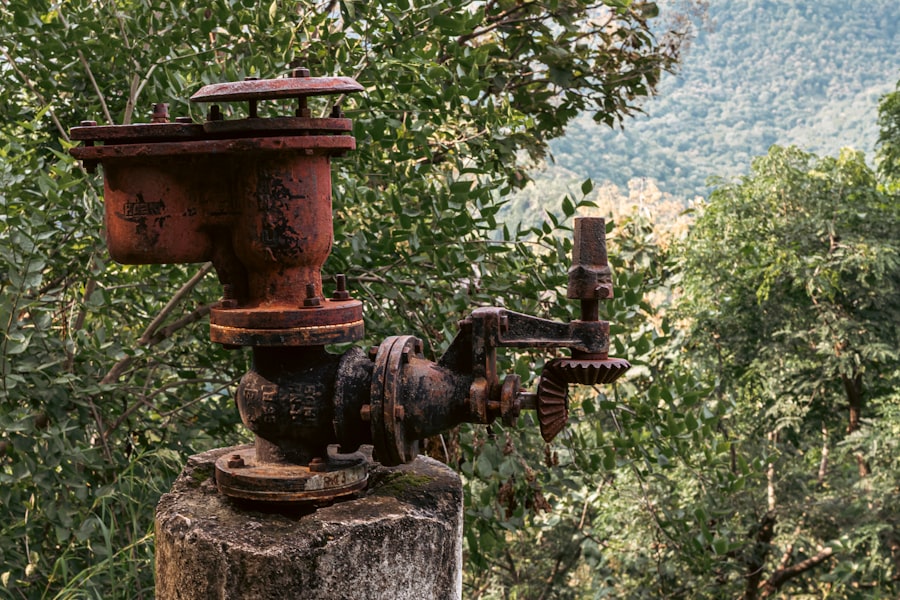
Beyond the wellheads and pumps, Operation Gold necessitated the development of extensive infrastructure to transport and manage the extracted groundwater. This involved a complex network of pipelines, storage facilities, and control systems.
Pipeline Networks: Conveying the Resource
The efficient and reliable transport of large volumes of groundwater requires carefully engineered pipeline networks. The design of these networks involved hydraulic modeling to determine optimal pipe diameters, flow velocities, and pressure drops.
Material Selection for Pipes: Strength and Longevity
The choice of piping material is crucial for long-term performance. For large-diameter pipelines, ductile iron, steel, or reinforced concrete pipes are often employed, offering the necessary strength and resistance to internal pressure. For smaller pipelines or where corrosion is a significant concern, high-density polyethylene (HDPE) or other advanced plastic materials may be specified. The selection considered factors such as abrasion resistance, chemical compatibility with the groundwater, and resistance to external loads from backfill and ground movement.
Installation Techniques: Minimizing Environmental Impact
The installation of extensive pipeline networks often involves significant civil works. Engineers meticulously planned trenching, bedding, and backfilling operations to minimize environmental disruption and ensure the long-term stability of the pipelines. Techniques such as trenchless technology, including horizontal directional drilling (HDD), were potentially employed in sensitive areas or where open trenching would pose significant challenges, reducing surface disturbance and impact on existing infrastructure or ecosystems.
Pumping Stations and Ancillary Facilities
Where multiple wells were involved, centralized pumping stations were often constructed. These stations house the main pumping units, control systems, and potentially water treatment equipment.
Pump House Design and Ventilation
The design of pump houses needs to account for the operational requirements of the pumps, including noise reduction and proper ventilation to prevent overheating. Structural integrity and resistance to environmental factors such as flooding were also key design considerations.
Electrical Power Supply and Distribution
Reliable electrical power is essential for the operation of pumping systems. Operation Gold required robust power supply infrastructure, including substations, power lines, and distribution networks. Backup power systems, such as generators, were likely integrated to ensure continuous operation during power outages, preventing process interruptions and potential system damage.
Operational Management and Monitoring Systems
The effective management of a large-scale groundwater extraction operation extends beyond the initial installation. Continuous monitoring and adaptive management are crucial for ensuring sustainability and efficiency.
Real-Time Data Acquisition and Control
Modern groundwater management relies heavily on sophisticated monitoring and control systems. Operation Gold likely incorporated advanced telemetry and SCADA (Supervisory Control and Data Acquisition) systems.
Sensor Networks for Water Level and Flow Rates
Networks of sensors were deployed throughout the extraction system to continuously monitor critical parameters such as groundwater levels in wells and observation points, flow rates from individual wells and at discharge points, and pressures within the pipeline network. These sensors provided real-time data that allowed for immediate detection of any anomalies or deviations from expected performance.
Automated Control and Optimization
SCADA systems enable the automated control of pumps and valves based on predefined operational parameters and real-time data. This allows for dynamic adjustment of pumping rates to optimize extraction, manage aquifer stress, and respond to changing demand. Algorithms could be employed to optimize energy consumption and schedule maintenance based on operational data.
Environmental Monitoring and Sustainability Assurance
A key aspect of responsible groundwater management is ensuring the long-term sustainability of the resource and minimizing environmental impacts.
Groundwater Level Monitoring and Impact Assessment
Continuous monitoring of groundwater levels is essential to prevent over-extraction, which can lead to aquifer depletion, land subsidence, and saltwater intrusion in coastal areas. Operation Gold’s monitoring program would have included a network of observation wells strategically placed to assess the impact of pumping on the wider groundwater system. This data would inform adjustments to pumping schedules and extraction volumes to maintain the health of the aquifer.
Water Quality Monitoring and Compliance
Regular monitoring of the quality of extracted water is crucial to ensure it remains within acceptable parameters for its intended use and to detect any signs of contamination or changes in geochemical conditions. This monitoring also ensures compliance with regulatory requirements. The sampling and analysis protocols would be designed to detect a wide range of potential contaminants and to identify any trends that might indicate future problems.
Operation Gold was a remarkable engineering endeavor that showcased the ingenuity behind groundwater pumping techniques. This operation not only aimed to secure vital resources but also highlighted the complexities involved in managing water supply in challenging environments. For a deeper understanding of the strategic implications and engineering feats associated with such operations, you can explore a related article that discusses various military engineering projects and their impact on resource management. To read more about this fascinating topic, visit this article.
Maintenance and Future Scalability
| Location | Depth of Wells | Volume Pumped | Duration |
|---|---|---|---|
| California | 500 feet | 1 million gallons | 6 months |
| Texas | 700 feet | 2.5 million gallons | 9 months |
| Arizona | 600 feet | 1.8 million gallons | 7 months |
The long-term viability of Operation Gold, like any major engineering project, depends on a robust maintenance strategy and the capacity for future adaptation and expansion.
Preventative Maintenance Programs
A proactive approach to maintenance is essential for minimizing downtime and preventing costly failures. This includes scheduled inspections, lubrication, seal replacements, and performance checks of pumps and other equipment. Data from the monitoring systems can inform predictive maintenance strategies by identifying early signs of wear or impending issues.
Well Rehabilitation and Decommissioning
Over time, wells can experience reduced performance due to scaling, sediment accumulation, or biofouling. Operation Gold would have included protocols for well rehabilitation, employing techniques such as acid cleaning, mechanical brushing, or jetting to restore well efficiency. For wells that reach the end of their operational life or are no longer needed, well decommissioning procedures would be implemented to ensure environmental safety and prevent future contamination pathways.
Planning for Future Demand and Technological Advancements
The engineering design of Operation Gold would have incorporated considerations for future scalability to accommodate potential increases in demand. This might involve designing infrastructure with spare capacity, identifying potential locations for additional wells, or selecting equipment that can be readily upgraded. Furthermore, staying abreast of technological advancements in pumping technology, sensor networks, and data analytics would be crucial for maintaining operational efficiency and exploring new methods for sustainable groundwater management in the future.
FAQs
What was Operation Gold?
Operation Gold was a large-scale groundwater pumping project undertaken by engineers to dewater the gold mines in South Africa. The project aimed to prevent flooding and allow for continued mining operations.
What were the engineering feats involved in Operation Gold?
The engineering feats involved in Operation Gold included the design and installation of large-scale groundwater pumping systems, the construction of underground tunnels and shafts to access the water, and the development of innovative dewatering techniques to effectively manage the groundwater.
How did Operation Gold impact the mining industry in South Africa?
Operation Gold had a significant impact on the mining industry in South Africa by enabling continued mining operations in the gold mines. The successful dewatering of the mines allowed for increased productivity and economic growth in the region.
What were the challenges faced during Operation Gold?
Some of the challenges faced during Operation Gold included the high volume of groundwater that needed to be pumped out, the depth and complexity of the underground mining operations, and the need to minimize environmental impact during the dewatering process.
What were the long-term effects of Operation Gold?
The long-term effects of Operation Gold included the sustained productivity of the gold mines, the preservation of jobs and economic stability in the mining industry, and the advancement of groundwater pumping and dewatering technologies for future mining projects.