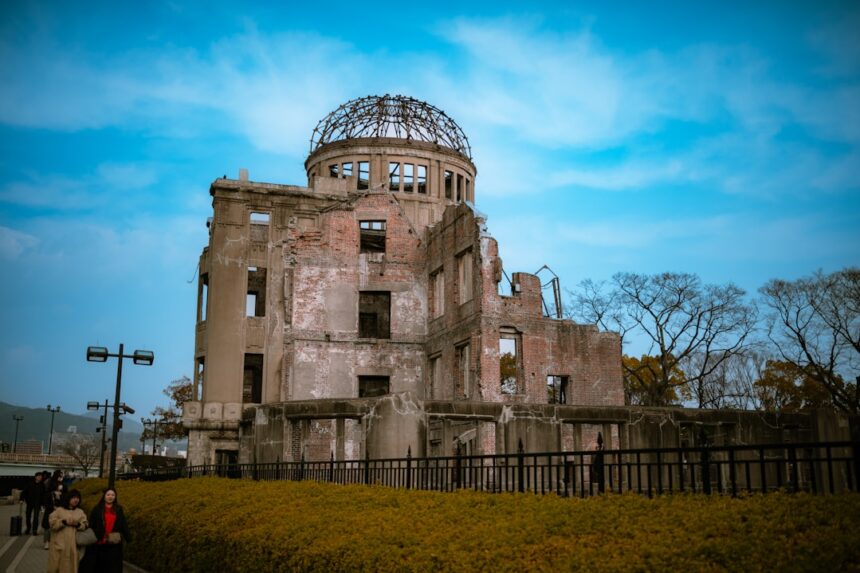
The concept of nuclear deterrence emerged in the aftermath of World War II, a period marked by unprecedented destruction and loss of life. The advent of nuclear weapons fundamentally altered the landscape of international relations, as nations grappled with the implications of possessing such devastating capabilities. The United States, having successfully developed and deployed atomic bombs against Japan in 1945, recognized the potential for nuclear weapons to serve as a powerful deterrent against aggression.
This realization laid the groundwork for a strategic framework that would dominate military thinking for decades to come. In the early years of the Cold War, the Soviet Union’s rapid advancement in nuclear technology prompted the United States to formalize its deterrence strategy. The doctrine of mutually assured destruction (MAD) became a cornerstone of this approach, positing that the threat of total annihilation would prevent either superpower from initiating a nuclear conflict.
This precarious balance of power relied on the assumption that rational actors would avoid actions leading to their own destruction, thus establishing a tense but stable peace between the two nuclear giants.
Key Takeaways
- Nuclear deterrence originated as a strategy to prevent war through the threat of mutual destruction.
- Technological advancements have continuously shaped and complicated nuclear deterrence dynamics.
- Despite its intent, nuclear deterrence has faced significant failures and humanitarian consequences.
- Diplomacy plays a crucial role in complementing and potentially replacing nuclear deterrence strategies.
- Exploring alternatives to nuclear deterrence is essential for enhancing future global security and reducing risks.
The Evolution of Nuclear Deterrence Strategy
As the Cold War progressed, nuclear deterrence strategies evolved in response to changing geopolitical dynamics and technological advancements. The introduction of intercontinental ballistic missiles (ICBMs) and submarine-launched ballistic missiles (SLBMs) transformed the strategic landscape, allowing for second-strike capabilities that enhanced deterrence. The ability to launch a retaliatory strike even after suffering a nuclear attack provided nations with a greater sense of security, reinforcing the belief that nuclear arsenals could effectively deter adversaries.
Moreover, the proliferation of nuclear weapons to additional states further complicated the deterrence landscape. Countries such as China, France, and the United Kingdom developed their own nuclear arsenals, leading to a multipolar world where multiple actors possessed the capability to inflict catastrophic damage. This diversification of nuclear powers necessitated a reevaluation of deterrence strategies, as policymakers sought to address the complexities introduced by new players on the global stage.
The emergence of regional conflicts and non-state actors also challenged traditional notions of deterrence, prompting discussions about how to adapt strategies to address these evolving threats.
The Failures of Nuclear Deterrence Strategy

Despite its theoretical underpinnings, nuclear deterrence has not been without its failures. Historical incidents, such as the Cuban Missile Crisis in 1962, highlighted the precarious nature of relying on deterrence as a means of maintaining peace. During this tense standoff between the United States and the Soviet Union, both sides came perilously close to nuclear conflict due to miscommunication and miscalculations.
Such events underscored the inherent risks associated with a strategy predicated on the assumption that rationality would prevail in high-stakes situations. Furthermore, the existence of nuclear arsenals has not eliminated conventional conflicts or reduced tensions between states. Proxy wars and regional disputes have continued unabated, often exacerbated by the presence of nuclear weapons.
The reliance on deterrence has led some nations to pursue aggressive military postures, believing that their nuclear capabilities provide them with a shield against retaliation. This paradox raises questions about whether deterrence truly contributes to global stability or merely perpetuates cycles of violence and mistrust.
The Costs of Nuclear Deterrence Strategy
The financial burden associated with maintaining and modernizing nuclear arsenals is another significant aspect of the costs tied to nuclear deterrence strategy. Nations invest vast sums in developing advanced delivery systems, enhancing warhead capabilities, and ensuring the security of their nuclear stockpiles. These expenditures divert resources from critical areas such as education, healthcare, and infrastructure development, ultimately impacting societal well-being.
Critics argue that the prioritization of nuclear deterrence over pressing domestic needs reflects a misallocation of national priorities. Moreover, the environmental consequences of nuclear weapons programs cannot be overlooked. The production and testing of nuclear arms have resulted in significant ecological damage, from contaminated sites to long-lasting radiation effects.
Communities near testing facilities have often borne the brunt of these consequences, facing health risks and economic challenges as a result of government actions. The costs associated with nuclear deterrence extend beyond financial implications; they encompass ethical considerations regarding human rights and environmental stewardship.
The Impact on Global Security
| Metric | Description | Example/Value | Impact |
|---|---|---|---|
| Number of Nuclear Deterrence Failures | Instances where nuclear deterrence did not prevent conflict escalation | 3 major cases since 1945 | Increased risk of nuclear war |
| False Alarm Incidents | Number of times false warnings nearly triggered nuclear response | 5 documented cases | Heightened global tension and risk of accidental war |
| Breakdown of Communication Channels | Failures in diplomatic or military communication during crises | Multiple during Cuban Missile Crisis | Increased chance of miscalculation |
| Unauthorized Launch Attempts | Attempts to launch nuclear weapons without proper authorization | Rare but recorded incidents | Potential for accidental nuclear conflict |
| Deterrence Credibility Loss | Instances where deterrence threats were not believed by adversaries | Examples during Cold War proxy conflicts | Encouraged aggressive actions by opponents |
| Escalation to Nuclear Use | Cases where deterrence failed and nuclear weapons were used | 0 (nuclear weapons used only twice in war, WWII) | Catastrophic humanitarian and environmental consequences |
The impact of nuclear deterrence on global security is a complex and multifaceted issue. On one hand, proponents argue that the existence of nuclear weapons has prevented large-scale wars between major powers since World War
Conversely, critics contend that reliance on nuclear deterrence fosters an environment of insecurity and mistrust. The existence of multiple nuclear powers increases the likelihood of miscalculations and accidents, potentially leading to catastrophic outcomes. Additionally, the pursuit of nuclear capabilities by non-state actors raises alarms about terrorism and rogue states acquiring such weapons.
In this view, rather than enhancing global security, nuclear deterrence perpetuates a cycle of fear and competition that undermines efforts toward disarmament and cooperative security arrangements.
The Role of Technology in Nuclear Deterrence Strategy

Technological advancements have played a pivotal role in shaping nuclear deterrence strategies over time. The development of precision-guided munitions, advanced surveillance systems, and cyber capabilities has transformed how nations perceive and manage their nuclear arsenals. Enhanced accuracy in targeting has led to discussions about “limited” nuclear options, where states might consider using smaller yields in specific scenarios without triggering full-scale retaliation.
This shift raises ethical questions about the potential normalization of nuclear weapon use in conflict. Moreover, emerging technologies such as artificial intelligence (AI) and autonomous systems pose new challenges for nuclear deterrence. The integration of AI into military decision-making processes could lead to rapid escalation in crises if machines are tasked with making life-and-death decisions without human intervention.
As nations race to develop cutting-edge technologies for their defense systems, concerns about unintended consequences and loss of control become increasingly pronounced. The intersection of technology and nuclear strategy necessitates careful consideration to ensure that advancements do not inadvertently undermine global security.
The Importance of Diplomacy in Nuclear Deterrence Strategy
Diplomacy plays a crucial role in mitigating the risks associated with nuclear deterrence strategies.
Historical agreements such as the Strategic Arms Reduction Treaty (START) exemplify how diplomatic efforts can lead to meaningful reductions in nuclear arsenals while enhancing transparency and verification measures.
Furthermore, multilateral forums such as the Treaty on the Non-Proliferation of Nuclear Weapons (NPT) provide platforms for states to address concerns related to proliferation and disarmament collectively. These diplomatic avenues allow nations to articulate their security needs while working toward common goals. By prioritizing diplomacy over military posturing, countries can create an environment conducive to reducing reliance on nuclear weapons and promoting sustainable peace.
The Humanitarian Consequences of Nuclear Deterrence Strategy
The humanitarian implications of nuclear deterrence strategy are profound and far-reaching. The potential for catastrophic loss of life resulting from a nuclear exchange raises ethical questions about the morality of maintaining such arsenals. Historical examples like Hiroshima and Nagasaki serve as stark reminders of the devastating consequences that can arise from even limited use of nuclear weapons.
Survivors continue to grapple with long-term health effects and psychological trauma, underscoring the human cost associated with these weapons. Moreover, the threat posed by nuclear weapons extends beyond immediate casualties; it encompasses broader societal impacts such as displacement, economic collapse, and environmental degradation. Communities affected by nuclear testing have often faced stigmatization and marginalization, compounding their suffering.
As discussions around disarmament gain momentum, it is essential to center humanitarian perspectives in these conversations to ensure that policies reflect a commitment to protecting human dignity and promoting global well-being.
The Lessons Learned from Nuclear Deterrence Strategy
The history of nuclear deterrence offers valuable lessons for contemporary policymakers navigating complex security challenges. One key takeaway is the importance of communication and transparency among nations possessing nuclear capabilities. Misunderstandings can escalate tensions rapidly; therefore, establishing clear channels for dialogue is essential for preventing crises from spiraling out of control.
Additionally, the experiences gained from past conflicts highlight the need for comprehensive approaches that address underlying grievances rather than relying solely on military solutions. Diplomatic engagement should be prioritized alongside deterrent strategies to foster an environment conducive to lasting peace. By learning from historical missteps and successes, nations can develop more effective frameworks for managing security in an increasingly interconnected world.
The Future of Nuclear Deterrence Strategy
Looking ahead, the future of nuclear deterrence strategy remains uncertain amid evolving geopolitical dynamics and technological advancements. As new powers emerge on the global stage and existing ones modernize their arsenals, questions arise about how traditional deterrent frameworks will adapt to these changes. The potential for arms races among emerging powers could exacerbate tensions and complicate efforts toward disarmament.
Moreover, addressing non-state actors’ threats will require innovative approaches that extend beyond conventional deterrence models. Policymakers must grapple with how best to prevent proliferation while ensuring that existing arsenals are managed responsibly. As discussions around disarmament gain traction globally, there is hope that collaborative efforts can pave the way for a future where reliance on nuclear weapons diminishes in favor of more sustainable security arrangements.
Alternatives to Nuclear Deterrence Strategy
In light of the challenges posed by traditional nuclear deterrence strategies, exploring alternatives becomes imperative for fostering global security. One potential avenue is enhancing conventional military capabilities while investing in robust diplomatic initiatives aimed at conflict resolution. By prioritizing non-nuclear means of deterrence—such as economic sanctions or collective security arrangements—nations can reduce their reliance on catastrophic weapons while still addressing security concerns.
Additionally, promoting disarmament initiatives through international treaties can create pathways toward a world free from nuclear weapons altogether. Engaging civil society organizations and grassroots movements can amplify calls for change while fostering public awareness about the humanitarian consequences associated with nuclear arsenals. Ultimately, embracing alternatives requires a collective commitment to reimagining security paradigms that prioritize human welfare over military might.
In conclusion, while nuclear deterrence has shaped international relations for decades, its complexities necessitate ongoing examination and adaptation.
The concept of nuclear deterrence has long been a cornerstone of international security strategy; however, its effectiveness has come under scrutiny in recent years. A related article that delves into the potential failures of nuclear deterrence strategy can be found at