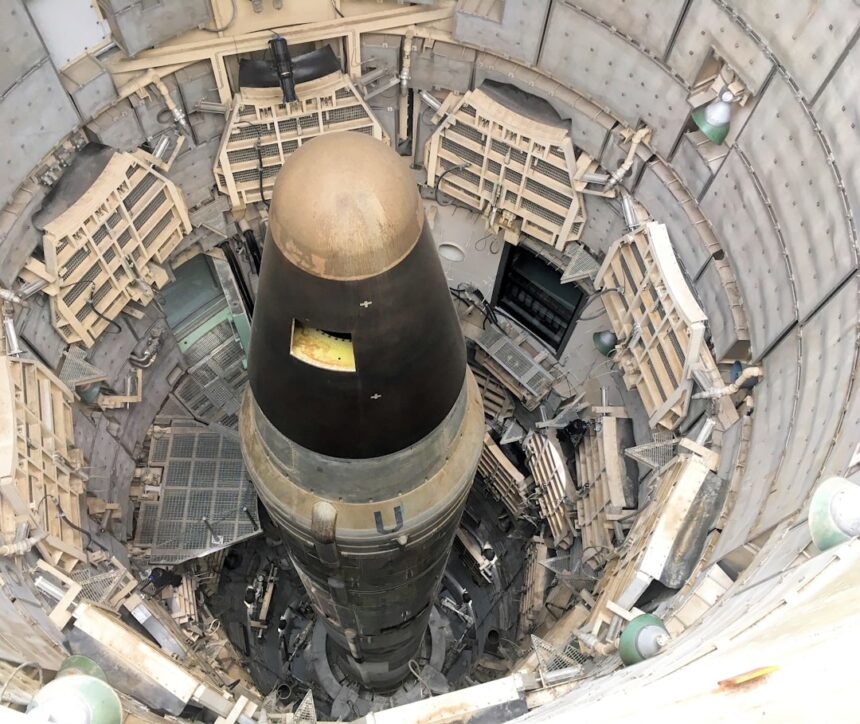
Nuclear deterrence doctrine serves as a cornerstone of modern military strategy, fundamentally shaping the geopolitical landscape since the advent of nuclear weapons. At its core, this doctrine posits that the possession of nuclear weapons can prevent adversaries from engaging in aggressive actions due to the fear of catastrophic retaliation. The underlying principle is that the threat of mutually assured destruction (MAD) will dissuade states from initiating conflict, thereby maintaining a precarious peace.
This doctrine has not only influenced military strategies but has also permeated political discourse, shaping alliances and rivalries across the globe. The concept of nuclear deterrence emerged during the Cold War, a period characterized by intense rivalry between superpowers. As nations developed their nuclear arsenals, the stakes of international conflict escalated dramatically.
The doctrine’s effectiveness hinges on a delicate balance of power, where each state must possess sufficient nuclear capability to ensure that any attack would result in devastating consequences for the aggressor. This intricate web of deterrence has led to a complex interplay of trust, fear, and strategic calculations among nations, making it a pivotal element in discussions surrounding global security.
Key Takeaways
- Nuclear deterrence relies on the threat of mutual destruction to prevent nuclear conflict.
- Historical failures reveal limitations and risks inherent in deterrence strategies.
- Technological advances and changing international relations challenge traditional deterrence models.
- Diplomacy and ethical considerations are crucial for managing nuclear threats responsibly.
- Reevaluating nuclear weapons’ role is essential for future global security and stability.
Historical Overview of Nuclear Deterrence
The historical roots of nuclear deterrence can be traced back to the end of World War II when the United States dropped atomic bombs on Hiroshima and Nagasaki in 1945. This unprecedented display of destructive power not only hastened Japan’s surrender but also marked the beginning of a new era in warfare. The subsequent arms race between the United States and the Soviet Union laid the groundwork for nuclear deterrence as both nations sought to outpace each other in developing more advanced and powerful arsenals.
The establishment of doctrines such as “first strike” and “second strike” capabilities became central to their military strategies. Throughout the Cold War, various crises tested the limits of nuclear deterrence. The Cuban Missile Crisis in 1962 stands out as a pivotal moment when the world teetered on the brink of nuclear war.
However, this period was also marked by numerous close calls and misunderstandings that highlighted the fragility of nuclear peace. As nations continued to amass nuclear weapons, the doctrine evolved, adapting to new geopolitical realities while remaining rooted in the fundamental principle of deterrence.
The Concept of Mutually Assured Destruction

Mutually Assured Destruction (MAD) is a critical component of nuclear deterrence theory, encapsulating the idea that both sides in a conflict possess enough nuclear capability to ensure total annihilation of each other in the event of a nuclear exchange. This grim calculus has been a defining feature of international relations since the Cold War, fostering an environment where rational actors are compelled to avoid direct confrontation. The logic behind MAD rests on the assumption that no rational leader would initiate a conflict that could lead to their own destruction.
The implications of MAD extend beyond mere military strategy; they permeate political and social discourse as well. The doctrine has instilled a sense of caution among world leaders, who must weigh their decisions against the backdrop of potential global catastrophe. However, critics argue that reliance on MAD creates a dangerous status quo, where nations may become complacent in their security strategies, believing that their nuclear arsenals alone can guarantee safety.
This paradox raises questions about the sustainability of peace based solely on fear and destruction.
Failures of Nuclear Deterrence Doctrine
Despite its theoretical underpinnings, the nuclear deterrence doctrine has faced significant challenges and failures throughout its history. One notable failure occurred during the Vietnam War when the United States’ reliance on conventional military power undermined its deterrent credibility. The inability to effectively deter North Vietnam from pursuing its objectives demonstrated that nuclear weapons could not guarantee success in conflicts where conventional forces were more relevant.
This miscalculation highlighted a critical flaw in the doctrine: it assumes that all adversaries can be deterred by the threat of nuclear retaliation, which is not always the case. Additionally, instances such as the 1983 Soviet war scare reveal how miscommunication and misinterpretation can lead to dangerous escalations. During this period, Soviet leaders mistakenly believed that a U.S.
nuclear attack was imminent, prompting them to prepare for retaliation. Such close calls underscore the inherent risks associated with maintaining a nuclear arsenal and relying on deterrence as a primary security strategy. These failures have prompted scholars and policymakers to reevaluate the efficacy and reliability of nuclear deterrence in an increasingly complex global landscape.
Lessons Learned from Nuclear Deterrence Failures
| Metric | Description | Example/Incident | Impact |
|---|---|---|---|
| False Alarm Incidents | Number of times early warning systems falsely detected a nuclear attack | 1983 Soviet false alarm incident | Increased risk of accidental nuclear war |
| Communication Failures | Breakdowns in communication between nuclear-armed states | 1962 Cuban Missile Crisis near-miss | Heightened tensions and risk of escalation |
| Misinterpretation of Intent | Instances where military actions were misread as nuclear threats | 1995 Norwegian rocket incident | Temporary nuclear alert status |
| Unauthorized Launch Attempts | Attempts or threats to launch nuclear weapons without proper authorization | 1979 NORAD computer glitch | Potential for accidental launch |
| Breakdown of Deterrence | Cases where nuclear deterrence failed to prevent conflict escalation | India-Pakistan Kargil War 1999 | Limited conventional conflict despite nuclear capabilities |
The failures associated with nuclear deterrence have provided valuable lessons for policymakers and military strategists alike. One key takeaway is the importance of clear communication and transparency among nuclear-armed states. Misunderstandings can lead to catastrophic consequences, as evidenced by historical incidents where misinterpretation nearly triggered conflict.
Establishing robust channels for dialogue and crisis management is essential to mitigate risks and enhance stability in an era where tensions can escalate rapidly. Moreover, these failures have highlighted the need for a more nuanced understanding of deterrence that goes beyond mere possession of nuclear weapons. The complexities of modern warfare require states to consider a broader range of factors, including conventional military capabilities, cyber warfare, and emerging technologies.
As adversaries evolve their strategies, so too must deterrent doctrines adapt to address new threats while maintaining credibility and effectiveness.
Impact of Technological Advancements on Nuclear Deterrence
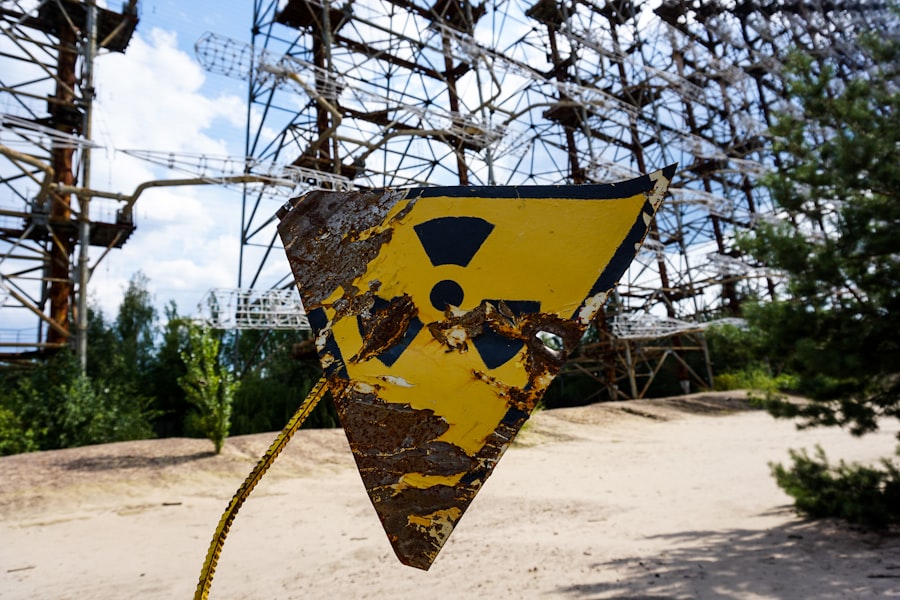
Technological advancements have significantly influenced the landscape of nuclear deterrence, introducing both opportunities and challenges for states seeking to maintain their security. The development of precision-guided munitions, missile defense systems, and cyber capabilities has altered traditional notions of deterrence. For instance, advancements in missile defense technology have raised questions about the effectiveness of an adversary’s retaliatory capabilities, potentially undermining the foundational principles of MAD.
Furthermore, emerging technologies such as artificial intelligence and autonomous systems present new dilemmas for nuclear deterrence. The integration of AI into military decision-making processes could lead to rapid escalation scenarios where human oversight is diminished. As states grapple with these technological shifts, they must reassess their deterrent strategies to account for both offensive and defensive capabilities in an increasingly interconnected world.
Shifts in International Relations and Nuclear Deterrence
The dynamics of international relations have undergone significant transformations in recent years, impacting the relevance and application of nuclear deterrence doctrine. The rise of non-state actors and regional conflicts has complicated traditional state-centric models of deterrence. In an era where terrorist organizations may seek access to nuclear materials or technology, conventional deterrent strategies may prove inadequate in addressing these unconventional threats.
Additionally, shifting alliances and emerging powers have altered the balance of power in various regions. Countries such as China and India have expanded their nuclear arsenals, prompting existing nuclear powers to reevaluate their strategies. The proliferation of nuclear weapons among new states raises concerns about regional stability and increases the likelihood of miscalculations or conflicts arising from misunderstandings between nations with differing security paradigms.
Reevaluating the Role of Nuclear Weapons in National Security
As global security challenges evolve, there is a growing need to reevaluate the role of nuclear weapons within national security frameworks.
The debate surrounding disarmament versus modernization reflects divergent perspectives on how best to ensure national security in an increasingly multipolar world.
Moreover, countries are beginning to explore alternative security arrangements that prioritize diplomacy and multilateral cooperation over reliance on nuclear arsenals. Initiatives aimed at arms control and non-proliferation have gained traction as states recognize that sustainable security cannot be achieved solely through military means. This shift towards diplomacy underscores a broader understanding that addressing root causes of conflict is essential for long-term stability.
The Importance of Diplomacy in Nuclear Deterrence
Diplomacy plays a crucial role in reinforcing and complementing nuclear deterrence strategies. Engaging in dialogue with adversaries can help build trust and reduce misunderstandings that could lead to conflict escalation. Diplomatic efforts such as arms control agreements and confidence-building measures serve as vital tools for managing tensions between nuclear-armed states.
Furthermore, diplomacy can facilitate cooperation on shared security challenges beyond nuclear issues, fostering an environment where states can work together to address common threats such as terrorism or climate change. By prioritizing diplomatic engagement alongside deterrent capabilities, nations can create a more stable international order that reduces reliance on military solutions while enhancing overall security.
Ethical and Moral Considerations in Nuclear Deterrence
The ethical implications surrounding nuclear deterrence raise profound questions about humanity’s responsibility toward future generations. The potential for catastrophic consequences resulting from nuclear warfare prompts moral considerations regarding the justification for maintaining such arsenals. Critics argue that relying on fear as a basis for peace is fundamentally flawed and morally indefensible.
Moreover, discussions about disarmament often intersect with issues of justice and equity among nations. The disparity between nuclear-armed states and those without such capabilities raises ethical dilemmas regarding global security governance. As debates continue over the legitimacy of nuclear weapons within international law frameworks, it becomes increasingly important for policymakers to consider not only strategic calculations but also ethical imperatives when shaping national security policies.
Future Prospects for Nuclear Deterrence and Global Security
Looking ahead, the future prospects for nuclear deterrence remain uncertain amid evolving geopolitical dynamics and technological advancements. While some nations may continue to prioritize their nuclear arsenals as essential components of national security, others may seek alternative approaches that emphasize diplomacy and multilateral cooperation. The challenge lies in balancing deterrent capabilities with efforts toward disarmament and non-proliferation.
As global security threats become more complex, it is imperative for states to engage in constructive dialogue aimed at reducing tensions while addressing underlying issues that contribute to conflict. Ultimately, fostering an environment where diplomacy prevails over militarism will be crucial for ensuring a stable future free from the specter of nuclear catastrophe. In conclusion, while nuclear deterrence has played a significant role in shaping international relations since its inception, its effectiveness is increasingly being called into question by contemporary challenges.
As nations navigate this complex landscape, they must remain vigilant in reassessing their strategies while prioritizing diplomatic engagement to foster lasting peace and security for future generations.
The concept of nuclear deterrence has long been a cornerstone of international security strategy; however, its effectiveness has come under scrutiny in light of recent geopolitical developments. A related article that delves into the implications of potential failures in nuclear deterrence doctrine can be found at this link. This piece explores the challenges and risks associated with relying on nuclear arsenals to maintain peace and stability in an increasingly complex global landscape.
WATCH THIS 🛑 The Submarine Captain Who Said NO to Nuclear War
FAQs
What is the nuclear deterrence doctrine?
The nuclear deterrence doctrine is a military strategy aimed at preventing enemy attacks by threatening credible and overwhelming nuclear retaliation. It is based on the idea that the fear of mutual destruction will deter adversaries from initiating a nuclear conflict.
What does it mean when the nuclear deterrence doctrine fails?
Failure of the nuclear deterrence doctrine occurs when the threat of nuclear retaliation does not prevent an adversary from launching a nuclear attack or engaging in aggressive behavior that escalates toward nuclear conflict. This failure can lead to increased instability and potential nuclear war.
What are some historical examples of nuclear deterrence doctrine failure?
While full-scale nuclear war has been avoided, some crises such as the Cuban Missile Crisis and the Kargil War have tested the limits of nuclear deterrence. Failures can also be seen in cases of nuclear proliferation or when deterrence fails to prevent conventional conflicts between nuclear-armed states.
What factors contribute to the failure of nuclear deterrence?
Factors include miscommunication, miscalculation, irrational leadership, technological failures, lack of credible second-strike capability, and the presence of non-state actors who may not be deterred by traditional nuclear threats.
How do states try to maintain effective nuclear deterrence?
States maintain effective deterrence through credible nuclear arsenals, secure second-strike capabilities, clear communication of red lines, robust command and control systems, and diplomatic efforts to reduce misunderstandings and manage crises.
Can nuclear deterrence prevent all types of conflicts?
No, nuclear deterrence primarily aims to prevent nuclear war but does not necessarily prevent conventional conflicts, cyber warfare, or other forms of aggression that do not risk nuclear escalation.
What are the implications of nuclear deterrence doctrine failure for global security?
Failure of nuclear deterrence can lead to increased risk of nuclear war, regional instability, arms races, and erosion of international trust, thereby threatening global peace and security.
Are there alternatives to the nuclear deterrence doctrine?
Alternatives include arms control agreements, disarmament initiatives, confidence-building measures, and diplomatic conflict resolution strategies aimed at reducing reliance on nuclear weapons for security.