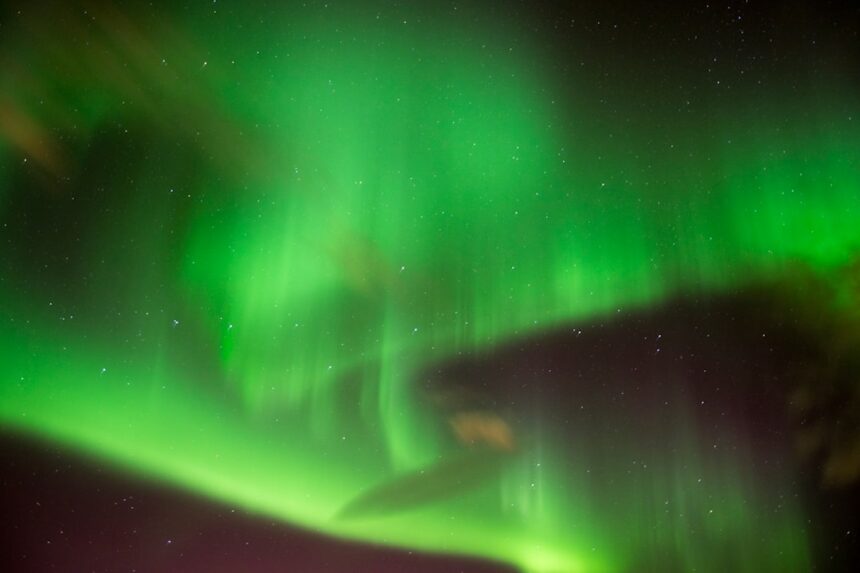
The history of military operations conducted under the mesmerizing glow of the Northern Lights is a tale woven into the fabric of Arctic exploration and conflict. The Aurora Borealis, with its ethereal beauty, has long captivated the imagination of those who have ventured into the polar regions. Historically, military forces have recognized the strategic significance of these northern latitudes, particularly during the World Wars and the Cold War.
The harsh and unpredictable Arctic environment posed unique challenges, yet it also provided opportunities for innovative tactics and operations. During World War II, for instance, the Arctic became a theater of conflict as Allied and Axis powers sought to control vital shipping routes and resources. The Northern Lights illuminated the skies above battles fought in extreme conditions, where visibility was often limited by snowstorms and darkness.
Military leaders began to understand that operations in these regions required not only advanced technology but also a deep appreciation for the natural phenomena that could either hinder or enhance their efforts. The interplay between military strategy and the Aurora Borealis has since evolved, shaping the way armed forces approach operations in these remote areas.
Key Takeaways
- The Aurora Borealis has historically influenced military strategies and operations in Arctic regions.
- Utilizing the Northern Lights can provide tactical advantages, including enhanced concealment and navigation.
- Operating under the Aurora presents unique challenges, requiring specialized training and technology.
- Environmental and geopolitical factors significantly impact military activities in the Arctic.
- Future military operations will likely involve increased collaboration and advanced technologies to optimize effectiveness under the Northern Lights.
The Role of the Aurora Borealis in Military Strategy
The Aurora Borealis plays a multifaceted role in military strategy, influencing both planning and execution of operations in Arctic regions. Its unpredictable nature can serve as both an ally and an adversary. For instance, the vibrant displays of light can provide cover for troop movements, obscuring them from enemy surveillance.
Conversely, the same phenomenon can disrupt visibility and create challenges for navigation, making it imperative for military strategists to account for its effects when devising operational plans. Moreover, the Aurora Borealis has implications for psychological warfare. The awe-inspiring sight can be used to demoralize opposing forces or to inspire one’s own troops.
The mystique surrounding the Northern Lights can be harnessed to create narratives that bolster morale or instill fear. As military leaders continue to study the effects of environmental factors on human psychology, the Aurora Borealis emerges as a unique element that can be leveraged in both offensive and defensive strategies.
Utilizing the Northern Lights for Tactical Advantage
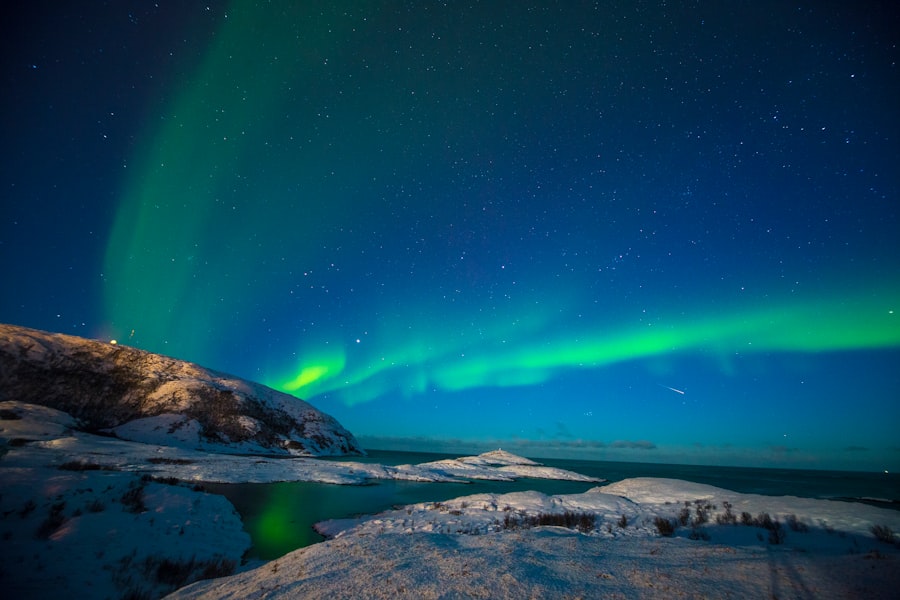
Utilizing the Northern Lights for tactical advantage requires a nuanced understanding of their behavior and impact on military operations. Troops operating under the auroras can exploit their natural beauty to mask movements or create diversions. For example, during nighttime maneuvers, soldiers can use the ambient light from the auroras to navigate without relying solely on artificial illumination, which could give away their positions.
Additionally, military planners have begun to incorporate the patterns of auroral activity into their operational timelines. By analyzing historical data on aurora occurrences, they can predict when conditions will be most favorable for specific missions.
This foresight allows commanders to align their strategies with natural phenomena, maximizing their chances of success while minimizing risks associated with adverse weather conditions. The ability to adapt to and utilize the Northern Lights represents a significant evolution in military tactics in Arctic environments.
The Impact of the Aurora Borealis on Communication and Navigation
The impact of the Aurora Borealis on communication and navigation cannot be overstated. The electromagnetic activity associated with auroras can interfere with radio signals and satellite communications, posing challenges for military operations that rely heavily on these technologies. As troops navigate through vast, icy landscapes, maintaining reliable communication becomes paramount for coordination and safety.
Understanding how auroras affect these systems is crucial for ensuring operational effectiveness. To mitigate these challenges, military forces have developed alternative communication methods that are less susceptible to auroral interference. For instance, low-frequency radio waves can penetrate auroral disturbances more effectively than higher frequencies.
Additionally, advancements in satellite technology have led to the development of systems designed to operate in extreme conditions, allowing for more reliable communication even when auroras are active. By adapting their communication strategies to account for the influence of the Northern Lights, military forces can maintain operational integrity in some of the most challenging environments on Earth.
Training and Preparation for Military Operations in Arctic Environments
| Operation Name | Year | Location | Objective | Outcome | Notes |
|---|---|---|---|---|---|
| Operation Aurora Borealis | 2010 | Arctic Circle | Surveillance and reconnaissance under aurora conditions | Successful data collection | Tested impact of aurora on communication systems |
| Polar Shield | 2015 | Northern Scandinavia | Defense readiness during aurora activity | Enhanced radar calibration | Improved detection of stealth aircraft |
| Arctic Sentinel | 2018 | Alaska | Electronic warfare exercises in aurora conditions | Mixed results | Identified aurora interference with GPS signals |
| Operation Northern Light | 2022 | Greenland | Testing communication resilience during aurora borealis | Communication systems upgraded | New protocols developed for aurora interference |
Training and preparation for military operations in Arctic environments are essential components of successful missions under the Northern Lights. Soldiers must be equipped not only with technical skills but also with an understanding of how to operate effectively in extreme cold and unpredictable weather conditions. This training often includes survival skills, navigation techniques, and specialized equipment handling tailored to Arctic scenarios.
Moreover, military exercises conducted in Arctic regions often incorporate realistic simulations that expose troops to the unique challenges posed by the Northern Lights. These exercises help soldiers develop situational awareness and adaptability, enabling them to respond effectively to changing conditions during actual operations. By fostering a culture of preparedness and resilience, military organizations can ensure that their personnel are ready to face the complexities of Arctic warfare while harnessing the advantages offered by the Aurora Borealis.
The Challenges of Operating under the Aurora Borealis
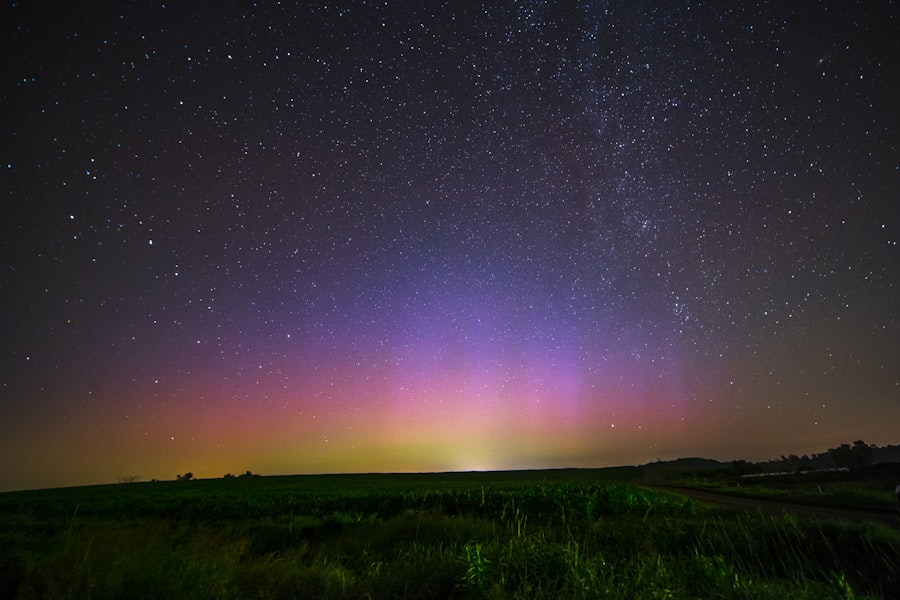
Operating under the Aurora Borealis presents a myriad of challenges that military forces must navigate carefully. One significant hurdle is the extreme cold, which can lead to equipment malfunctions and pose serious risks to personnel health and safety. Soldiers must contend with frostbite, hypothermia, and other cold-related injuries while maintaining operational readiness.
This necessitates rigorous training and specialized gear designed to withstand harsh Arctic conditions. In addition to physical challenges, psychological factors also come into play when operating under the Northern Lights. The isolation and desolation of Arctic environments can take a toll on mental well-being, leading to issues such as fatigue and morale decline among troops.
Commanders must be attuned to these factors and implement strategies to support their personnel’s mental health during prolonged deployments in such inhospitable settings.
The Use of Technology to Enhance Military Operations in Northern Lights
The integration of technology into military operations under the Northern Lights has revolutionized how armed forces approach challenges in Arctic environments. Advanced surveillance systems equipped with infrared capabilities allow for enhanced visibility during nighttime operations when auroras illuminate the sky. These technologies enable troops to monitor enemy movements while minimizing their own exposure.
Furthermore, innovations in navigation technology have improved accuracy in polar regions where traditional GPS systems may falter due to auroral interference. Military forces are increasingly relying on inertial navigation systems that do not depend on external signals, ensuring that they can maintain course even when faced with disruptions caused by geomagnetic activity. By leveraging cutting-edge technology, militaries can enhance their operational capabilities while effectively navigating the complexities presented by the Northern Lights.
Case Studies of Successful Military Operations under the Aurora Borealis
Several case studies highlight successful military operations conducted under the enchanting glow of the Aurora Borealis. One notable example is Operation Nanook, a series of Canadian Armed Forces exercises designed to enhance Arctic sovereignty and readiness. These exercises have demonstrated how troops can effectively utilize the unique environmental conditions presented by auroras to conduct joint operations with allied forces while showcasing their capabilities in extreme cold.
Another significant case study is found in Norway’s Cold Response exercises, which involve multinational forces training together in Arctic conditions. These operations have underscored how collaboration among nations can lead to successful outcomes even in challenging environments illuminated by the Northern Lights. By sharing knowledge and resources, participating countries have been able to refine their strategies and tactics while capitalizing on the advantages offered by this natural phenomenon.
Environmental and Geopolitical Considerations in Arctic Military Operations
As military operations under the Northern Lights continue to evolve, environmental and geopolitical considerations play an increasingly important role in shaping strategies. The Arctic region is rich in natural resources and holds significant geopolitical importance due to its strategic shipping routes and territorial claims among nations. As climate change alters ice patterns and opens new areas for exploration, military forces must navigate complex political landscapes while ensuring environmental stewardship.
The presence of indigenous communities also adds another layer of complexity to military operations in Arctic regions. Engaging with local populations and respecting their rights is essential for fostering positive relationships and ensuring that military activities do not disrupt traditional ways of life. As nations vie for influence in this rapidly changing landscape, balancing military objectives with environmental sustainability and social responsibility will be crucial for future operations under the Northern Lights.
Collaborative Efforts in Arctic Defense and Security
Collaborative efforts among nations are vital for ensuring security in Arctic regions where military operations under the Northern Lights take place. Multinational partnerships have emerged as a response to shared challenges posed by climate change, resource competition, and geopolitical tensions. Organizations such as the Arctic Council facilitate dialogue among member states, promoting cooperation on issues ranging from environmental protection to security concerns.
Joint exercises involving multiple countries have become increasingly common as nations recognize that collective security is paramount in this fragile environment. These collaborative efforts not only enhance interoperability among armed forces but also foster trust and understanding among nations with diverse interests in the Arctic region. By working together under the Northern Lights, countries can address common threats while promoting stability and peace in this strategically significant area.
The Future of Military Operations under the Northern Lights
Looking ahead, the future of military operations under the Northern Lights is likely to be shaped by ongoing technological advancements, evolving geopolitical dynamics, and environmental changes. As nations continue to invest in Arctic capabilities, there will be an increased focus on developing sustainable practices that minimize ecological impact while maximizing operational effectiveness. Moreover, as climate change alters traditional patterns in the Arctic, militaries will need to adapt their strategies accordingly.
This may involve rethinking logistics, supply chains, and operational timelines based on new environmental realities. The interplay between human activity and natural phenomena like the Aurora Borealis will remain a critical consideration as armed forces navigate this complex landscape. In conclusion, military operations under the Northern Lights represent a unique intersection of history, strategy, technology, and environmental awareness.
As nations continue to explore this captivating region, understanding how to harness both its beauty and challenges will be essential for future success in Arctic defense and security endeavors.
The aurora borealis, often seen as a stunning natural phenomenon, has also played a significant role in military operations, particularly in the Arctic regions. For a deeper understanding of how such natural events can impact strategic planning and operations, you can read more in this related article on military strategies in challenging environments. Check it out here: In The War Room.
WATCH THIS! 🎬 America’s Nuclear City Was a Lie: The Russian Base That Made Iceworm Obsolete
FAQs
What is the Aurora Borealis?
The Aurora Borealis, also known as the Northern Lights, is a natural light display predominantly seen in high-latitude regions around the Arctic. It occurs when charged particles from the sun interact with the Earth’s magnetic field and atmosphere.
How does the Aurora Borealis affect military operations?
The Aurora Borealis can impact military operations by interfering with communication systems, radar, and navigation equipment due to geomagnetic disturbances caused by solar activity. This can affect the reliability and accuracy of electronic systems used in defense.
Where are military operations most affected by the Aurora Borealis?
Military operations in polar and high-latitude regions, such as northern Canada, Alaska, Scandinavia, and Russia, are most affected by the Aurora Borealis because these areas experience frequent and intense auroral activity.
What measures do militaries take to mitigate the effects of the Aurora Borealis?
Militaries use specialized equipment designed to withstand geomagnetic disturbances, implement alternative communication methods, and conduct training to prepare personnel for operating under auroral conditions. They also monitor space weather forecasts to anticipate and respond to solar activity.
Can the Aurora Borealis be used for military advantage?
While the Aurora Borealis itself is a natural phenomenon, understanding its effects on electronic systems can help militaries develop strategies to protect their assets and potentially exploit disruptions in adversaries’ systems caused by geomagnetic storms.
Is the Aurora Borealis visible during military operations?
Yes, the Aurora Borealis is visible during military operations in regions where it occurs, especially during clear, dark nights. However, its visibility does not directly impact operations unless it coincides with geomagnetic disturbances affecting technology.
How do space weather events related to the Aurora Borealis impact military satellites?
Space weather events, such as solar flares and coronal mass ejections that cause the Aurora Borealis, can disrupt satellite communications, GPS signals, and other space-based military assets by causing radiation damage or signal interference.
Are there historical examples of the Aurora Borealis affecting military operations?
There have been instances where geomagnetic storms associated with auroral activity have disrupted military communications and radar systems, particularly during the Cold War when northern regions were strategically important. However, specific operational impacts are often classified.
What technologies are used to monitor the Aurora Borealis for military purposes?
Technologies include ground-based magnetometers, auroral cameras, satellites equipped with space weather sensors, and radar systems that track geomagnetic activity to provide real-time data for military planning and response.
Does the Aurora Borealis pose any physical danger to military personnel?
The Aurora Borealis itself does not pose a physical danger to personnel. The primary concern is the electromagnetic effects on equipment and communication systems rather than direct harm to individuals.