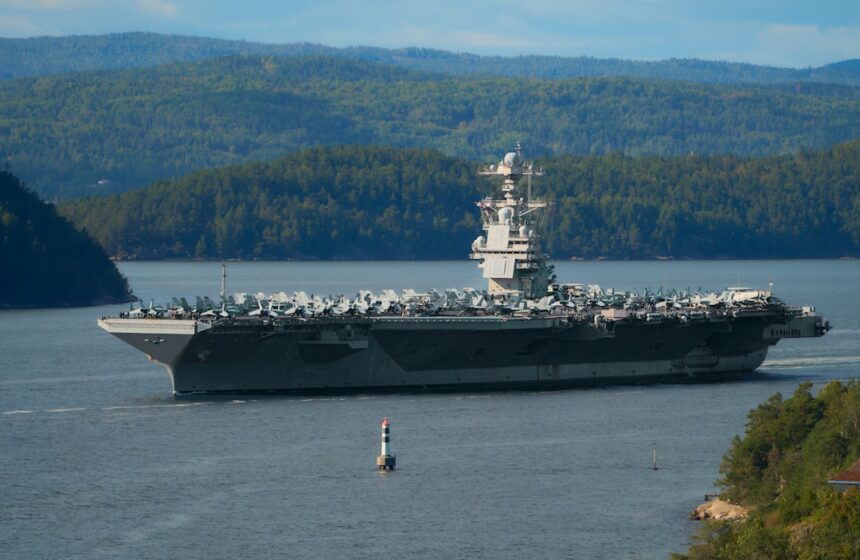
The United States Navy, a global maritime power, relies on a vast and intricate technological infrastructure to maintain its operational readiness and strategic advantage. Beneath the polished chrome and advanced shipbuilding lies a less glamorous, but equally critical, component: its software. For decades, the Navy has grappled with a pervasive reality – the extensive use of legacy software systems. These systems, often built on outdated programming languages and architectures, form the backbone of essential functions ranging from logistics and personnel management to command and control, and even operational planning. Understanding and effectively managing this “legacy software maze” is a continuous and complex challenge, fraught with technical, budgetary, and operational hurdles.
The Everlasting Reach of Legacy Systems
The ubiquity of legacy software within the Navy is not born of willful neglect, but rather a consequence of the demanding and lengthy lifecycles of naval platforms and the conservative nature of defense procurement. A naval vessel, such as a destroyer or an aircraft carrier, is designed and built over many years and is expected to serve for decades. The software that runs on these platforms must, by necessity, be maintained and supported for the same extended periods. This creates a situation where systems that were state-of-the-art when first implemented can become obsolete long before the hardware they operate on is retired.
Definitions and Characteristics
Legacy software, in the context of the Navy, typically refers to systems that are:
- Old: Often developed in programming languages such as COBOL, FORTRAN, Ada, or older versions of C/C++.
- Technically outmoded: Utilizing architectures and development methodologies that are no longer industry standard.
- Difficult to maintain: Lacking original developers, comprehensive documentation, or readily available expertise to troubleshoot and update.
- Integrally linked: Often deeply interwoven with other systems, making isolated upgrades or replacements challenging.
- Critical to operations: Despite their age, these systems perform essential functions that cannot be easily or quickly migrated.
Historical Context and Development
The development of naval software mirrored broader technological trends, with initial systems designed for mission-specific tasks. As computing power increased and interconnectedness became feasible, these individual applications began to be integrated, creating complex networks of interdependence. The economics of defense acquisition also played a significant role. Once a system is developed and fielded, the cost and risk associated with replacing it entirely often outweigh the perceived benefits, especially if the existing system “still works.” This pragmatic approach, while understandable from a fiscal perspective, has led to the accumulation of significant technical debt.
The Operational Imperative
For the Navy, the operational imperative to maintain functional systems often trumps the desire for technological modernization. A failure in a legacy logistics system can disrupt the supply chain for vital operations, impacting readiness and sortie generation. Similarly, a problem with an aging command and control system can have immediate and far-reaching consequences for fleet coordination. Therefore, a significant portion of the Navy’s IT budget and personnel are dedicated to keeping these older systems operational, a process often referred to as “keeping the lights on.”
The complexities surrounding the US Navy’s legacy software systems have been a topic of concern for many years, as highlighted in a related article discussing the challenges of modernizing outdated technology. For further insights into this issue and its implications for naval operations, you can read more at In the War Room. This article delves into the intricacies of navigating the software maze and the potential impacts on mission readiness and efficiency.
The Challenges of Modernization Efforts
The desire to modernize the Navy’s software infrastructure is clear, but the path forward is fraught with significant obstacles. Replacing or significantly updating legacy systems is not a straightforward IT project; it is a complex undertaking that requires careful planning, substantial investment, and a nuanced understanding of the operational environment. The sheer scale and complexity of the Navy’s IT landscape amplify these challenges.
Technical Hurdles
The most apparent challenges are technical. The skill sets required to work with older programming languages are becoming increasingly scarce. Young engineers, drawn to modern technologies, may have little to no experience with COBOL or FORTRAN.
- Lack of skilled personnel: Finding and retaining developers proficient in legacy languages is a persistent problem. This often leads to reliance on a shrinking pool of experienced contractors or a lengthy and expensive training process.
- Obsolete development tools and environments: The tools used to develop and debug legacy software may be outdated, incompatible with modern operating systems, or no longer supported by vendors.
- Interdependencies and integration complexities: Legacy systems are rarely standalone. They are integrated with numerous other applications, databases, and hardware components. Understanding these intricate connections and ensuring that any modification or replacement does not break them requires extensive analysis and rigorous testing.
- Proprietary and undocumented code: In some cases, the original developers may no longer be available, and the source code may be poorly documented or even lost. This makes reverse engineering and understanding the system’s functionality an arduous and time-consuming task.
The complexities surrounding the US Navy’s legacy software systems have been a topic of significant discussion, particularly in light of their impact on operational efficiency and modernization efforts. A related article explores these challenges in depth, shedding light on the intricate maze of outdated technology that the Navy must navigate to enhance its capabilities. For further insights, you can read more about this issue in the article available at this link.
Financial and Budgetary Constraints
Modernization efforts inevitably involve considerable financial investment. The Navy operates under strict budgetary controls, and securing funding for long-term, potentially disruptive, IT projects can be challenging.
- High cost of replacement: Developing entirely new, modern systems designed to replace legacy equivalents can run into hundreds of millions or even billions of dollars.
- The “big bang” vs. incremental approach: A complete “big bang” replacement is often prohibitively expensive and risky. However, incremental modernization can also be costly, as it requires maintaining both old and new systems concurrently for extended periods.
- Prioritization of resources: The Navy faces competing demands for its budget, from new ship construction and weapons systems to personnel and training. IT modernization must compete for these resources, and its importance, while recognized, may sometimes be overshadowed by more immediately visible or tangible needs.
- Return on Investment (ROI) justification: Demonstrating a clear and quantifiable ROI for modernization projects can be difficult when dealing with systems that are currently performing their intended function, however inefficiently.
Operational Risks and Disruptions
The operational impact of modernization is a primary concern. Any disruption to mission-critical systems during an upgrade or replacement process could have severe consequences for national security.
- Minimizing downtime: Ensuring that essential services are not interrupted during the transition to new systems is paramount. This often necessitates phased rollouts, parallel operations, and extensive contingency planning.
- Resistance to change: Personnel who have grown accustomed to working with legacy systems may resist the introduction of new technologies and workflows. Training and change management are crucial, but can also be resource-intensive.
- Security implications of transition: The transition period itself can introduce new security vulnerabilities. Ensuring the security of both legacy and new systems, as well as the data being migrated, is a critical undertaking.
- Testing and validation: The rigorous testing and validation required to ensure that a new system performs as expected, and meets all military-grade performance and security standards, is a lengthy and complex process. This is particularly true for systems involving sensitive operational data.
Strategies for Managing Legacy Software
Given the persistent nature of legacy software in the Navy and the significant challenges associated with its eradication, effective management strategies are essential. The Navy employs a multi-faceted approach, focusing on mitigating risks, maximizing the lifespan of existing systems where possible, and planning for eventual replacement.
Maintenance and Modernization in Place
Rather than immediate replacement, a common strategy involves maintaining and incrementally modernizing existing legacy systems. This is often a pragmatic approach that allows for continued operation while laying the groundwork for future evolution.
- Re-hosting and containerization: Moving legacy applications from old hardware to newer, more robust platforms (re-hosting) or encapsulating them in containers can improve performance, security, and manageability without rewriting the core code.
- Code refactoring and modernization: In some cases, portions of the legacy code can be refactored or re-written to improve efficiency or integrate with newer components. This is a labor-intensive process but can extend the life of functional software.
- Wrapper technologies: Applying “wrappers” or middleware can allow legacy systems to interface with modern applications and data sources, bridging the gap between old and new technologies.
- Automated testing and continuous integration: Implementing modern software development practices, such as automated testing and continuous integration, can help manage the complexity of legacy code and reduce the risk of defects during maintenance.
Strategic Replacement and Migration
Where complete replacement is deemed necessary, the Navy undertakes a strategic approach to migration. This often involves breaking down large, monolithic legacy systems into smaller, more manageable components or services.
- Phased migration: Replacing legacy systems in phases, module by module or function by function, reduces risk and allows for lessons learned to be applied to subsequent phases.
- Data migration planning: Carefully planning and executing the migration of data from legacy databases to new systems is a critical and often complex aspect of this process. Data integrity and consistency must be maintained.
- Service-oriented architecture (SOA) and microservices: Adopting modern architectural approaches can facilitate the gradual replacement of legacy components by designing new functionalities as independent services that can interact with remaining legacy systems.
- Cloud migration considerations: The Navy is increasingly exploring cloud-based solutions, which can offer scalability and agility. However, migrating sensitive legacy applications to the cloud requires careful consideration of security, compliance, and data sovereignty.
Knowledge Management and Skill Development
Addressing the human element is paramount. Building and maintaining a workforce capable of managing and eventually replacing legacy systems requires a proactive approach to knowledge transfer and skill development.
- Documentation and knowledge capture: Rigorous documentation of existing legacy systems, including code, architecture, and operational procedures, is crucial for future maintenance and migration efforts.
- Mentorship programs: Pairing experienced legacy system experts with newer personnel can facilitate the transfer of institutional knowledge and combat the loss of expertise due to retirements.
- Investment in training and upskilling: Providing targeted training programs to upskill existing personnel in modern development languages and practices, as well as attract new talent with relevant skills, is essential.
- Leveraging AI and automation for analysis: Exploring the use of artificial intelligence and machine learning tools to analyze legacy code, identify dependencies, and accelerate documentation can significantly aid in understanding and managing these complex systems.
The Future Landscape: Towards a Modernized Fleet
The challenges presented by legacy software are considerable, but the Navy is not static. Continuous efforts are underway to modernize its IT infrastructure, driven by the need for enhanced operational capability, improved cybersecurity, and greater agility in a rapidly evolving global landscape. The long-term vision is to transition away from the reliance on outdated systems towards a more flexible, secure, and interoperable technological ecosystem.
The Role of Emerging Technologies
Emerging technologies are playing an increasingly significant role in the Navy’s modernization efforts. These technologies offer the potential to overcome the limitations of legacy systems and unlock new levels of operational effectiveness.
- Cloud computing: The adoption of cloud platforms, both commercial and private, offers scalability, flexibility, and cost efficiencies for a wide range of applications. This includes the potential to migrate or re-architect legacy applications to cloud-native environments.
- Artificial Intelligence (AI) and Machine Learning (ML): AI and ML are being explored for various applications, from predictive maintenance and operational analytics to cybersecurity threat detection and intelligent automation of complex processes.
- DevOps and Agile methodologies: The adoption of DevOps practices and Agile development methodologies is transforming how software is developed, deployed, and maintained within the Navy, enabling faster iteration cycles and improved responsiveness to changing requirements.
- Zero Trust Architecture: The implementation of Zero Trust security models is a critical component of the Navy’s cybersecurity strategy, aiming to provide more robust protection against modern cyber threats, which legacy systems often struggle to address.
Cybersecurity Considerations in Modernization
Cybersecurity is a paramount concern at every stage of software management, particularly when dealing with legacy systems and their transition to modern environments. Legacy systems, by their very nature, often have inherent security vulnerabilities that can be exploited.
- Patching and vulnerability management: While challenging, continuous efforts are made to patch and mitigate known vulnerabilities in legacy systems. However, the architecture of some older systems may preclude effective patching.
- Network segmentation: Isolating legacy systems on separate networks or subnets can limit the potential impact of a breach.
- Modernization as a security enhancement: One of the key drivers for modernization is to replace systems that are inherently insecure and cannot be effectively defended against contemporary cyber threats. New systems are designed with modern security principles from the ground up.
- Secure data migration and handling: The process of migrating data from legacy to new systems must be conducted with the highest levels of security to prevent data breaches or corruption.
The Ongoing Evolution of Naval Software **
The task of navigating the US Navy’s legacy software maze is not a project with a definitive end date, but rather an ongoing process of evolution and adaptation. The Navy’s technological landscape will continue to be a hybrid of the old and the new for the foreseeable future. The ability of the Navy to effectively manage, maintain, and strategically phase out its legacy software will be a critical determinant of its future operational readiness and its capacity to respond to an ever-changing global security environment. This necessitates continuous investment in talent, technology, and strategic planning, ensuring that the software powering the fleet remains robust, secure, and capable of supporting its vital mission.
FAQs
What is the US Navy legacy software maze?
The US Navy legacy software maze refers to the complex and outdated software systems that the Navy has accumulated over the years. These systems are often difficult to maintain, update, and integrate with modern technology.
Why is the US Navy struggling with legacy software?
The US Navy is struggling with legacy software due to the sheer volume of outdated systems in use, as well as the challenges of integrating new technology with these older systems. Additionally, the Navy’s reliance on custom-built software has led to a lack of standardization and interoperability.
What are the risks associated with the US Navy’s legacy software maze?
The risks associated with the US Navy’s legacy software maze include security vulnerabilities, increased maintenance costs, decreased operational efficiency, and the potential for mission-critical systems to fail or become obsolete.
How is the US Navy addressing the issue of legacy software?
The US Navy is working to address the issue of legacy software through initiatives such as the Navy’s Digital Transformation Strategy, which aims to modernize the Navy’s IT infrastructure and reduce reliance on legacy systems. The Navy is also exploring the use of commercial off-the-shelf software and cloud-based solutions to replace legacy systems.
What are the potential benefits of modernizing the US Navy’s software systems?
Modernizing the US Navy’s software systems could lead to improved cybersecurity, increased operational efficiency, cost savings, and enhanced interoperability with other branches of the military and allied forces. It could also enable the Navy to take advantage of emerging technologies such as artificial intelligence and data analytics.