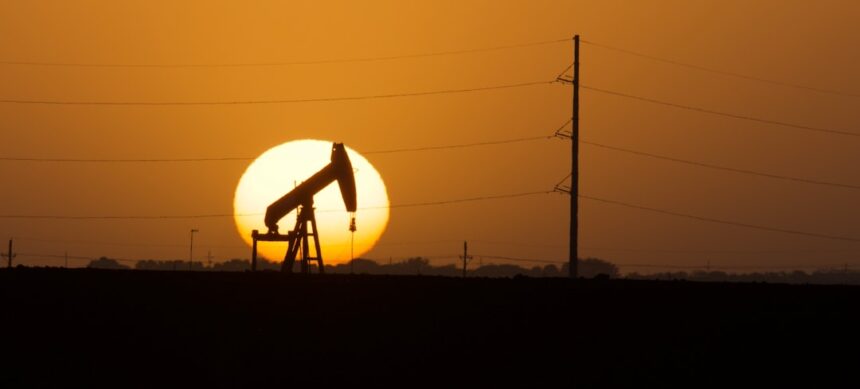
Oil price volatility represents a multifaceted market phenomenon driven by numerous interconnected factors that create substantial price fluctuations. The primary drivers fall into two categories: external and internal influences that directly impact global supply and demand equilibrium. External factors encompass geopolitical conflicts, natural disasters, and international economic sanctions, while internal factors include production capacity adjustments, technological developments in extraction and refining, and shifts in global energy consumption patterns.
These variables interact continuously, generating an environment where oil prices can experience significant movements over brief timeframes, with far-reaching consequences for global economic systems.
Production announcements from major oil-producing countries, particularly OPEC members, typically generate immediate price responses, with supply reduction commitments driving prices upward and increased output plans often causing downward pressure.
Similarly, inventory data releases, including weekly petroleum status reports, directly influence market pricing as they reflect current supply-demand balances. The market’s responsiveness is amplified by speculative trading activities, where market participants base decisions on both present market conditions and projected future scenarios. Consequently, comprehensive analysis of oil price volatility requires examination of both quantifiable market fundamentals and psychological factors that shape trader behavior and market sentiment.
Key Takeaways
- Oil price volatility is driven by complex factors including geopolitical events, supply-demand imbalances, and economic cycles.
- OPEC and non-OPEC countries play a significant role in influencing global oil prices through production decisions.
- Effective risk management strategies such as hedging and diversification are essential to mitigate the financial impact of oil price fluctuations.
- Technological advancements and market speculation contribute to the dynamic nature of oil price movements.
- Understanding and adapting to these factors is crucial for navigating future oil price volatility in market economics.
The Impact of Geopolitical Events on Oil Prices
Geopolitical events play a pivotal role in shaping oil prices, often leading to sudden and unpredictable shifts in the market. Conflicts in oil-rich regions, such as the Middle East, can create fears of supply disruptions, prompting traders to bid up prices in anticipation of potential shortages. For example, military actions or political instability in countries like Iraq or Libya have historically led to spikes in oil prices as markets react to the uncertainty surrounding supply continuity.
The interconnectedness of global economies means that even localized conflicts can have far-reaching implications for oil prices worldwide. In addition to conflicts, diplomatic relations and trade agreements also significantly influence oil prices. Sanctions imposed on oil-exporting nations can restrict supply and lead to price increases, while improved relations may result in increased production and lower prices.
The recent trends in U.S.-Iran relations illustrate this dynamic; negotiations over nuclear programs have led to fluctuating expectations regarding Iranian oil exports, which in turn affect global oil prices. Thus, geopolitical events serve as a critical lens through which one can understand the volatility of oil prices, highlighting the intricate relationship between politics and economics.
The Role of Supply and Demand in Oil Price Fluctuations
The fundamental principles of supply and demand are central to understanding oil price fluctuations. When demand for oil rises—due to economic growth, seasonal changes, or increased consumption—prices tend to increase if supply does not keep pace. Conversely, when demand falls, perhaps due to economic downturns or shifts toward alternative energy sources, prices typically decline.
This basic economic principle is further complicated by the inelastic nature of oil supply; it takes time for producers to adjust output levels in response to changing demand conditions. Additionally, the global nature of the oil market means that local supply and demand dynamics can be influenced by international factors. For instance, a surge in demand from emerging economies like China or India can lead to increased competition for available supplies, driving prices higher.
On the other hand, technological advancements that enhance extraction methods—such as fracking—can lead to increased supply from previously untapped reserves, exerting downward pressure on prices. Therefore, the interplay between supply and demand is not only a matter of local market conditions but also reflects broader global trends that shape the oil landscape.
Strategies for Managing Oil Price Volatility in Market Economics
In light of the inherent volatility in oil prices, businesses and governments alike must adopt strategies to manage this uncertainty effectively. One common approach is the implementation of financial hedging techniques that allow companies to lock in prices for future purchases or sales of oil. By using derivatives such as futures contracts or options, firms can mitigate the risk associated with price fluctuations and stabilize their operating costs.
This strategy is particularly vital for industries heavily reliant on oil, such as transportation and manufacturing. Another strategy involves diversifying energy sources and investing in alternative energy technologies. By reducing dependence on oil, companies can shield themselves from price shocks and contribute to a more sustainable energy future.
Governments can also play a role by promoting policies that encourage energy efficiency and the development of renewable energy sources. Such measures not only help stabilize domestic energy markets but also contribute to broader economic resilience against global oil price volatility.
The Influence of OPEC and Non-OPEC Countries on Oil Prices
| Year | Average Oil Price (per barrel) | Price Volatility (%) | Global Oil Demand (million barrels/day) | Major Economic Event |
|---|---|---|---|---|
| 2018 | 71.3 | 15.2 | 99.7 | US-China Trade Tensions |
| 2019 | 64.3 | 12.8 | 100.6 | OPEC Production Cuts |
| 2020 | 39.7 | 65.4 | 91.0 | COVID-19 Pandemic Impact |
| 2021 | 68.2 | 30.1 | 96.4 | Post-Pandemic Recovery |
| 2022 | 94.1 | 45.7 | 99.0 | Geopolitical Tensions (Russia-Ukraine) |
The Organization of the Petroleum Exporting Countries (OPEC) has long been a significant player in determining global oil prices through its ability to coordinate production levels among member states. By collectively managing output, OPEC aims to influence market prices and stabilize revenues for its members. However, the effectiveness of OPEC’s strategies can be challenged by non-OPEC countries that also play a crucial role in global oil supply.
The rise of shale oil production in the United States has introduced new dynamics into the market, often undermining OPEC’s efforts to control prices. Non-OPEC countries have increasingly become influential players in the global oil market, particularly as they expand their production capabilities. The collaboration between OPEC and non-OPEC producers—most notably through agreements like OPEC+—illustrates an evolving landscape where traditional power dynamics are shifting.
This collaboration aims to balance supply and demand more effectively; however, it also highlights the complexities involved in managing global oil prices amid competing interests from various stakeholders.
The Effects of Economic Cycles on Oil Price Volatility

Economic cycles significantly impact oil price volatility, with periods of expansion typically leading to increased demand for energy resources. During economic booms, industrial activity surges, resulting in higher consumption of oil for transportation and manufacturing processes. This heightened demand often drives prices upward as producers struggle to keep pace with consumption levels.
Conversely, during economic recessions, demand for oil tends to decline sharply as businesses scale back operations and consumers reduce spending on fuel. The cyclical nature of economies means that oil prices are often subject to boom-and-bust cycles that reflect broader economic trends. For instance, the 2008 financial crisis led to a dramatic drop in oil prices as global demand plummeted.
In contrast, recovery periods often see rapid price increases as markets adjust to renewed demand. Understanding these economic cycles is crucial for stakeholders seeking to navigate the complexities of oil price volatility and make informed decisions regarding investments and resource management.
Hedging and Risk Management Techniques for Oil Price Volatility
Hedging has emerged as a vital tool for companies looking to manage the risks associated with oil price volatility effectively. By utilizing financial instruments such as futures contracts or swaps, businesses can protect themselves against adverse price movements that could impact their profitability. For example, an airline company may enter into a futures contract to purchase jet fuel at a predetermined price, thereby shielding itself from potential spikes in fuel costs that could arise from geopolitical tensions or supply disruptions.
In addition to financial hedging strategies, companies may also adopt operational risk management techniques aimed at enhancing resilience against price fluctuations. This could involve diversifying suppliers or investing in energy-efficient technologies that reduce overall consumption. By combining financial hedging with operational strategies, businesses can create a comprehensive risk management framework that not only mitigates exposure to volatile oil prices but also positions them for long-term sustainability in an unpredictable market environment.
The Importance of Diversification in Mitigating Oil Price Risks
Diversification is a critical strategy for mitigating risks associated with oil price volatility. By spreading investments across various sectors or asset classes, companies can reduce their exposure to fluctuations in any single market. For instance, an energy company that invests not only in oil but also in renewable energy sources can buffer itself against downturns in fossil fuel markets while capitalizing on emerging trends toward sustainability.
Moreover, diversification extends beyond investment portfolios; it also encompasses operational strategies within organizations.
This approach not only enhances resilience against price shocks but also fosters innovation and adaptability within organizations as they navigate an ever-changing economic landscape.
The Role of Speculation in Oil Price Volatility
Speculation plays a significant role in contributing to oil price volatility, as traders react not only to current market conditions but also to anticipated future events. Speculators often buy and sell contracts based on their expectations regarding supply disruptions or changes in demand patterns, which can lead to rapid price swings even when underlying fundamentals remain stable. This speculative behavior can amplify price movements and create an environment where short-term fluctuations overshadow long-term trends.
The influence of speculation is particularly pronounced during periods of heightened uncertainty or geopolitical tensions when traders may react impulsively based on news headlines rather than comprehensive analyses of market fundamentals. As a result, understanding the psychological aspects of trading behavior becomes essential for stakeholders seeking to navigate the complexities of oil price volatility effectively.
The Impact of Technological Advancements on Oil Price Dynamics
Technological advancements have significantly transformed the landscape of oil production and consumption, influencing price dynamics in profound ways. Innovations such as hydraulic fracturing and horizontal drilling have unlocked previously inaccessible reserves, leading to increased supply from unconventional sources like shale oil. This surge in production has contributed to downward pressure on prices as markets adjust to new levels of output.
Furthermore, advancements in energy efficiency technologies have altered consumption patterns by reducing overall demand for oil. As industries adopt cleaner alternatives and consumers shift toward electric vehicles, traditional demand for fossil fuels may decline over time. These technological shifts not only reshape the competitive landscape within the energy sector but also introduce new complexities into the pricing dynamics of oil markets.
The Future Outlook for Navigating Oil Price Volatility in Market Economics
Looking ahead, navigating oil price volatility will require a multifaceted approach that considers both current trends and future developments within the energy sector. As geopolitical tensions continue to evolve and technological advancements reshape production capabilities, stakeholders must remain agile and informed about potential risks and opportunities. Moreover, fostering collaboration among producers—both within OPEC and among non-OPEC countries—will be essential for stabilizing markets amid ongoing uncertainties.
As global economies transition toward more sustainable energy sources, understanding how these shifts will impact traditional fossil fuel markets will be crucial for businesses seeking long-term viability. In conclusion, while oil price volatility presents significant challenges for market participants, it also offers opportunities for innovation and adaptation within an ever-changing economic landscape. By embracing diversification strategies, leveraging technological advancements, and implementing effective risk management techniques, stakeholders can better position themselves to navigate the complexities of this dynamic market environment.
Oil price volatility has significant implications for market economics, influencing everything from consumer behavior to global trade dynamics. A related article that delves into the intricacies of this topic can be found at In the War Room, where experts analyze the factors driving fluctuations in oil prices and their broader economic impacts. Understanding these dynamics is crucial for policymakers and businesses alike as they navigate the challenges posed by an unpredictable energy market.
FAQs
What causes oil price volatility?
Oil price volatility is caused by a variety of factors including geopolitical tensions, supply and demand imbalances, changes in production levels by major oil-producing countries, natural disasters, and economic events. Market speculation and changes in currency values can also contribute to fluctuations.
How does oil price volatility affect the global economy?
Oil price volatility can impact inflation rates, production costs, and consumer spending. Sudden increases in oil prices can lead to higher transportation and manufacturing costs, which may slow economic growth. Conversely, sharp declines can reduce revenues for oil-exporting countries and affect global investment.
What role do OPEC decisions play in oil price volatility?
The Organization of the Petroleum Exporting Countries (OPEC) influences oil prices by coordinating production levels among member countries. Decisions to cut or increase output can tighten or loosen supply, thereby affecting prices and contributing to volatility.
How do market economics principles explain oil price fluctuations?
Market economics principles such as supply and demand, market equilibrium, and price elasticity explain oil price fluctuations. When demand exceeds supply, prices tend to rise, and when supply exceeds demand, prices tend to fall. External shocks and expectations about future market conditions also influence prices.
Can oil price volatility be predicted?
While some factors influencing oil prices can be anticipated, such as scheduled OPEC meetings or seasonal demand changes, many elements like geopolitical events or natural disasters are unpredictable. Therefore, oil price volatility is challenging to forecast accurately.
What impact does oil price volatility have on consumers?
Oil price volatility affects consumers primarily through changes in fuel prices. When oil prices rise, gasoline and heating costs typically increase, which can reduce disposable income. Conversely, lower oil prices can decrease transportation and energy expenses for consumers.
How do governments respond to oil price volatility?
Governments may respond by adjusting energy policies, releasing strategic petroleum reserves, subsidizing fuel costs, or promoting alternative energy sources to mitigate the economic impact of volatile oil prices.
What is the relationship between oil price volatility and inflation?
Oil price volatility can contribute to inflation because oil is a key input in many goods and services. Rising oil prices can increase production and transportation costs, leading to higher overall prices in the economy, which is reflected in inflation measures.