Maritime law enforcement jurisdiction is a complex and multifaceted area of law that governs the activities of states and their agencies on the seas. It encompasses the authority to enforce laws, regulations, and treaties in maritime environments, which can include everything from fishing regulations to anti-piracy measures. The jurisdictional framework is shaped by a combination of international law, national laws, and customary practices, making it essential for maritime nations to understand the nuances of their legal authority on the water.
This understanding is crucial not only for law enforcement agencies but also for commercial shipping, fishing industries, and recreational boating. The jurisdictional reach of maritime law enforcement is influenced by various factors, including the geographical location of the activities in question and the nature of the offenses being addressed. For instance, a nation may have full sovereignty over its territorial waters, allowing it to enforce its laws without interference from other states.
However, as one moves into international waters, the jurisdiction becomes more complicated, often requiring cooperation between nations to address transnational crimes such as smuggling and human trafficking. Thus, understanding maritime law enforcement jurisdiction is vital for ensuring effective governance and security on the high seas.
Key Takeaways
- Maritime law enforcement jurisdiction varies by zones such as territorial waters and exclusive economic zones.
- Hot pursuit allows law enforcement to continue chasing vessels across borders under specific conditions.
- International treaties and agreements are crucial for cooperation and resolving jurisdictional disputes.
- Coast Guard and naval forces play key roles in enforcing maritime laws and maintaining security.
- Effective jurisdictional navigation requires understanding legal frameworks, dispute resolution, and best practices.
Types of Maritime Law Enforcement Jurisdiction
Maritime law enforcement jurisdiction can be categorized into several distinct types, each with its own legal implications and enforcement mechanisms. The primary categories include territorial jurisdiction, which pertains to a state’s sovereign rights over its coastal waters; extraterritorial jurisdiction, which allows a state to enforce its laws beyond its borders under certain conditions; and universal jurisdiction, which enables any state to prosecute serious crimes like piracy regardless of where they occur. Each type of jurisdiction serves a specific purpose and reflects the balance between national interests and international cooperation.
Territorial jurisdiction is perhaps the most straightforward form of maritime law enforcement. It grants coastal states the authority to regulate activities within their territorial waters, typically extending up to 12 nautical miles from the baseline. This jurisdiction allows states to enforce laws related to fishing, shipping safety, and environmental protection.
In contrast, extraterritorial jurisdiction can be more contentious, as it often involves a state asserting its legal authority over foreign vessels or individuals based on various justifications, such as the nationality of the offender or the impact of the crime on national interests. Universal jurisdiction, while less commonly invoked, plays a critical role in addressing heinous crimes that threaten global security.
Territorial Waters and Exclusive Economic Zones
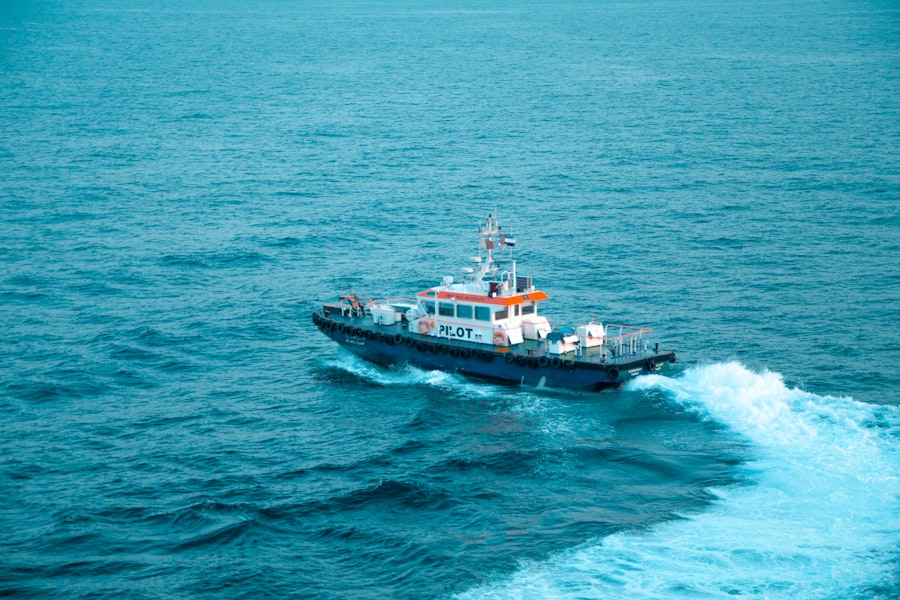
Territorial waters are a fundamental aspect of maritime law enforcement jurisdiction, representing the area where a coastal state exercises full sovereignty. These waters extend 12 nautical miles from a state’s baseline, which is typically drawn along its coastline. Within this zone, the state has the authority to enforce its laws and regulations without interference from other nations.
This includes rights over natural resources, environmental protection measures, and law enforcement against illegal activities such as smuggling or unauthorized fishing. Beyond territorial waters lies the Exclusive Economic Zone (EEZ), which extends up to 200 nautical miles from the baseline. While a state does not have full sovereignty over its EEZ as it does in its territorial waters, it does possess exclusive rights to explore and exploit marine resources, including fish and minerals.
The EEZ presents unique challenges for law enforcement because while coastal states can regulate economic activities within this zone, they must also navigate international laws that govern navigation and overflight by foreign vessels. This duality creates a complex legal landscape that requires careful coordination between national authorities and international maritime organizations.
Hot Pursuit and Cross-Border Law Enforcement
The principle of hot pursuit is a critical component of maritime law enforcement that allows a state to pursue a vessel suspected of violating its laws into adjacent waters or even into another state’s territorial sea. This principle is grounded in international law and is designed to prevent offenders from escaping justice by simply crossing into another jurisdiction. The pursuit must be continuous and initiated while the vessel is still within the pursuing state’s territorial waters; otherwise, the right to pursue may be lost.
Cross-border law enforcement in maritime contexts often necessitates collaboration between neighboring states. Given the fluid nature of maritime boundaries and the prevalence of transnational crime, effective enforcement requires coordination on various levels. This can include joint operations, information sharing, and mutual legal assistance agreements that facilitate prosecution across borders.
Such collaborative efforts are essential for addressing issues like drug trafficking, human smuggling, and illegal fishing that often transcend national boundaries.
International Agreements and Treaties
| Jurisdiction Type | Area Covered | Legal Basis | Enforcement Authority | Typical Enforcement Activities |
|---|---|---|---|---|
| Internal Waters | Waters landward of the baseline (e.g., bays, ports) | National sovereignty | Coast Guard, Port Authorities, Police | Customs inspections, immigration control, pollution prevention |
| Territorial Sea | Up to 12 nautical miles from baseline | United Nations Convention on the Law of the Sea (UNCLOS) | Coast Guard, Navy, Maritime Police | Law enforcement, search and rescue, anti-smuggling operations |
| Contiguous Zone | 12 to 24 nautical miles from baseline | UNCLOS | Coast Guard, Customs Authorities | Prevention of customs, fiscal, immigration, and sanitary violations |
| Exclusive Economic Zone (EEZ) | Up to 200 nautical miles from baseline | UNCLOS | Coast Guard, Fisheries Agencies, Navy | Fisheries enforcement, resource protection, environmental monitoring |
| High Seas | Beyond EEZ | International law, flag state jurisdiction | Flag state authorities, International cooperation | Anti-piracy, drug interdiction, search and rescue |
International agreements and treaties play a pivotal role in shaping maritime law enforcement jurisdiction. The United Nations Convention on the Law of the Sea (UNCLOS) is perhaps the most significant treaty governing maritime activities globally. It establishes guidelines for various maritime zones, including territorial seas and EEZs, while also addressing issues such as navigation rights and environmental protection.
UNCLOS provides a framework for cooperation among states in enforcing laws related to marine resources and combating illegal activities at sea. In addition to UNCLOS, numerous regional agreements exist that further define jurisdictional boundaries and enforcement mechanisms. For example, regional fisheries management organizations (RFMOs) work to regulate fishing practices among member states to ensure sustainable use of marine resources.
These agreements often include provisions for joint enforcement efforts and data sharing to enhance compliance with regulations. By fostering collaboration among nations, these treaties help create a more cohesive approach to maritime law enforcement.
Jurisdictional Challenges in High Seas
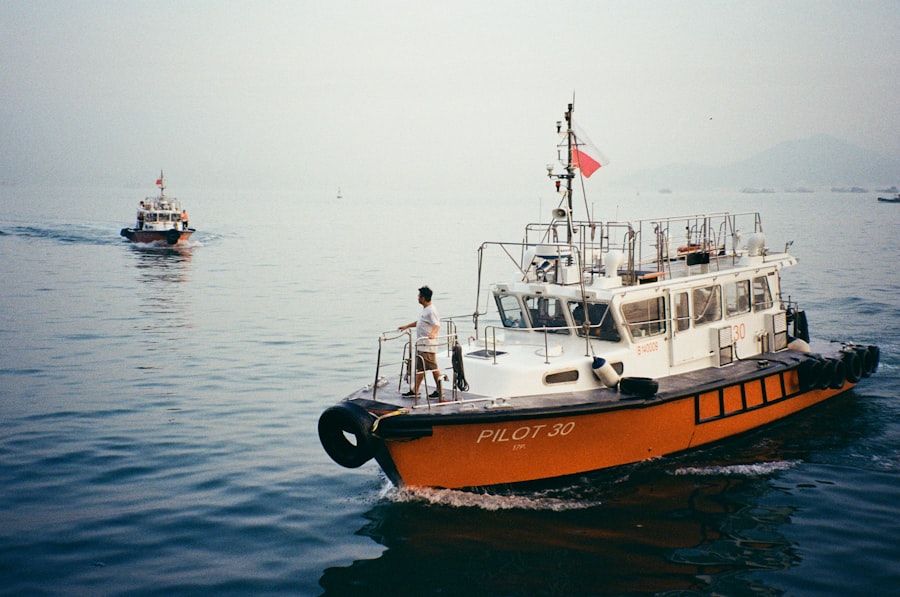
The high seas present unique challenges for maritime law enforcement due to their status as areas beyond national jurisdiction. In these waters, no single state has sovereignty, making it difficult to enforce laws against illegal activities such as piracy or unregulated fishing. The lack of clear jurisdiction can lead to a “freedom of the seas” mentality where offenders feel emboldened to operate without fear of repercussions.
This situation necessitates international cooperation and coordination among states to effectively address crimes occurring in these vast expanses. One significant challenge in enforcing laws on the high seas is determining which state has the authority to act against an offending vessel. While universal jurisdiction allows any state to intervene in cases of piracy or other serious crimes, practical enforcement often requires collaboration with flag states—the countries under whose laws a vessel is registered.
This can complicate efforts to apprehend offenders if flag states are unwilling or unable to cooperate. As such, establishing clear protocols for intervention and fostering relationships among nations are essential for effective law enforcement in these unregulated waters.
Role of Coast Guard and Naval Forces
Coast guard agencies and naval forces play crucial roles in maritime law enforcement by providing the necessary resources and expertise to monitor and enforce laws at sea.
Their presence helps deter illegal activities while ensuring compliance with regulations that protect marine ecosystems.
Naval forces complement coast guard operations by providing additional capabilities for addressing more serious threats such as piracy or armed conflict at sea. They often engage in international missions that require a robust military presence to ensure security in strategic maritime routes. The collaboration between coast guards and naval forces enhances overall maritime security by allowing for a more comprehensive approach to law enforcement that can adapt to various challenges encountered on the water.
Legal Framework for Maritime Law Enforcement
The legal framework governing maritime law enforcement is built upon a combination of international treaties, national laws, and customary practices. At the international level, treaties like UNCLOS provide foundational principles that guide how states interact with one another regarding maritime issues. These treaties establish rights and responsibilities concerning navigation, resource management, and environmental protection.
National laws further define how individual countries implement these international obligations within their jurisdictions. Each state has its own legal codes that dictate how maritime offenses are prosecuted and what penalties may apply. Additionally, customary practices—established through consistent state behavior—can influence how laws are interpreted and enforced at sea.
This multifaceted legal landscape requires maritime authorities to navigate complex interactions between domestic legislation and international obligations effectively.
Jurisdictional Disputes and Resolution Mechanisms
Jurisdictional disputes are common in maritime law enforcement due to overlapping claims over territorial waters or EEZs among neighboring states. These disputes can arise from differing interpretations of international treaties or historical claims based on geographic features such as islands or reefs. Resolving these disputes is essential for maintaining peace and stability in maritime regions while ensuring effective governance over marine resources.
Various mechanisms exist for resolving jurisdictional disputes in maritime contexts. Diplomatic negotiations often serve as the first step in addressing disagreements between states. If negotiations fail, parties may turn to international arbitration or adjudication through bodies like the International Tribunal for the Law of the Sea (ITLOS).
These mechanisms provide formal avenues for resolving disputes based on established legal principles rather than unilateral actions that could escalate tensions.
Case Studies and Examples of Jurisdictional Issues
Several notable case studies illustrate the complexities of maritime law enforcement jurisdiction in practice. One prominent example is the South China Sea dispute involving multiple countries claiming overlapping territorial waters and EEZs based on historical rights or geographic features like islands and reefs. This dispute has led to heightened tensions among claimant states and has prompted calls for greater adherence to international law principles outlined in UNCLOS.
Another example involves piracy off the coast of Somalia, where jurisdictional challenges have hindered effective law enforcement efforts against hijacking incidents involving vessels from various nations. The lack of a stable government in Somalia has complicated prosecution efforts for captured pirates, leading many countries to adopt ad hoc solutions such as establishing special courts or engaging in cooperative naval patrols in affected waters.
Best Practices for Navigating Maritime Law Enforcement Jurisdiction
Navigating maritime law enforcement jurisdiction requires adherence to best practices that promote effective governance while respecting international norms. One key practice is fostering collaboration among nations through bilateral or multilateral agreements that facilitate information sharing and joint operations against transnational crime. Such cooperation enhances situational awareness at sea while ensuring that all parties understand their respective rights and responsibilities.
Another best practice involves investing in training programs for law enforcement personnel focused on maritime issues. This training should encompass not only legal frameworks but also practical skills related to surveillance techniques, evidence collection, and interagency coordination during operations at sea. By equipping personnel with the necessary tools and knowledge, states can improve their capacity to enforce laws effectively while minimizing potential conflicts arising from jurisdictional ambiguities.
In conclusion, understanding maritime law enforcement jurisdiction is essential for ensuring effective governance on the seas while addressing complex challenges posed by transnational crime and overlapping claims among nations. By recognizing different types of jurisdiction, navigating territorial waters and EEZs effectively, engaging in cross-border cooperation, adhering to international agreements, addressing high seas challenges collaboratively, leveraging coast guard capabilities alongside naval forces strategically, establishing robust legal frameworks grounded in both domestic legislation and international treaties—states can enhance their ability to enforce laws at sea while promoting stability within this vital domain.
Maritime law enforcement jurisdiction is a complex area that often intersects with various legal frameworks and international agreements. For a deeper understanding of the challenges and implications surrounding this topic, you can refer to a related article that discusses the nuances of maritime law enforcement. To read more, visit this article.
WATCH THIS! 🌊 The Invisible Army That Controls Global Shipping
FAQs
What is maritime law enforcement jurisdiction?
Maritime law enforcement jurisdiction refers to the legal authority granted to a country or agency to enforce laws and regulations on the seas and oceans within specific maritime zones, such as territorial waters, exclusive economic zones (EEZs), and international waters.
Which areas fall under maritime law enforcement jurisdiction?
Maritime law enforcement jurisdiction typically covers territorial seas (up to 12 nautical miles from a country’s baseline), contiguous zones (up to 24 nautical miles), exclusive economic zones (up to 200 nautical miles), and sometimes the high seas, depending on international agreements and treaties.
Who is responsible for enforcing maritime law?
Enforcement is usually carried out by national coast guards, navies, maritime police, customs agencies, and other authorized maritime authorities. International organizations may also play a role in certain contexts.
What laws are enforced under maritime law enforcement jurisdiction?
Laws enforced include those related to customs, immigration, fisheries, environmental protection, maritime safety, anti-piracy, drug trafficking, human trafficking, and other criminal activities occurring at sea.
How does international law affect maritime law enforcement jurisdiction?
International law, particularly the United Nations Convention on the Law of the Sea (UNCLOS), sets the framework for maritime zones and jurisdictional rights, balancing coastal state sovereignty with freedoms of navigation and other uses of the sea.
Can a country enforce its laws beyond its territorial waters?
Yes, within certain limits such as the contiguous zone and exclusive economic zone, a country can enforce laws related to customs, immigration, pollution, and resource management. Enforcement beyond these zones generally requires international cooperation.
What happens in cases of jurisdictional disputes at sea?
Disputes are typically resolved through diplomatic negotiations, international arbitration, or adjudication by bodies such as the International Tribunal for the Law of the Sea (ITLOS).
How do maritime law enforcement agencies coordinate internationally?
Agencies cooperate through bilateral agreements, regional organizations, information sharing networks, joint patrols, and participation in international initiatives to combat transnational maritime crimes.
What is the significance of flag state jurisdiction in maritime law enforcement?
The flag state, or the country where a vessel is registered, has primary jurisdiction over that vessel on the high seas, including the authority to enforce laws and investigate offenses committed on board.
Are private vessels subject to maritime law enforcement jurisdiction?
Yes, private vessels must comply with applicable maritime laws and regulations within the jurisdictional waters they operate in and are subject to inspection and enforcement actions by authorized authorities.