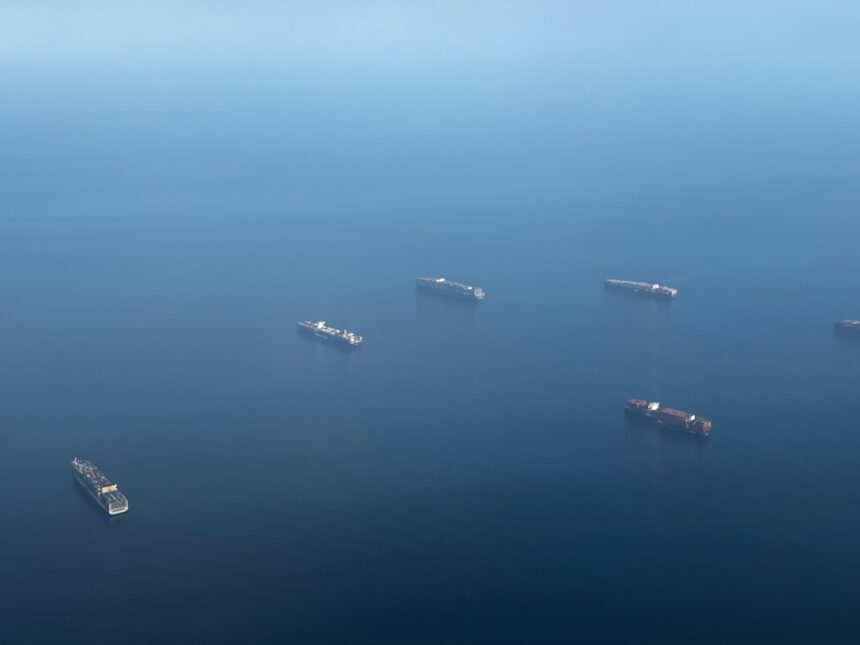
Maritime geopolitics has emerged as a critical area of study in the context of global power dynamics. As nations vie for influence and control over vital sea routes, the strategic importance of oceans and waterways cannot be overstated. The interconnectedness of global trade, energy supplies, and military operations underscores the significance of maritime domains in shaping international relations.
The rise of emerging powers, coupled with the resurgence of traditional maritime nations, has intensified competition on the high seas, making it imperative to understand the underlying factors that drive maritime geopolitics. The oceans cover more than 70% of the Earth’s surface, serving as highways for commerce and arenas for military engagement. As such, they are not merely geographical features but pivotal elements in the geopolitical landscape.
The strategic positioning of naval forces, the establishment of maritime alliances, and the enforcement of territorial claims are all manifestations of how nations navigate this complex arena. In this context, maritime geopolitics encompasses a wide range of issues, from territorial disputes and resource competition to environmental concerns and international law.
Key Takeaways
- Maritime geopolitics shapes global power dynamics through control of sea routes and naval presence.
- Naval strategy is crucial for securing national interests and projecting power internationally.
- Key players include major naval powers competing for influence over strategic maritime regions.
- Legal frameworks and diplomatic efforts are essential to manage conflicts in international waters.
- Technological advancements are transforming naval capabilities and the future landscape of maritime security.
The Importance of Naval Strategy
Naval strategy plays a fundamental role in shaping a nation’s geopolitical posture. It encompasses the planning and execution of military operations at sea, as well as the broader strategic objectives that guide a nation’s maritime activities. A robust naval strategy not only enhances a country’s defense capabilities but also serves as a tool for projecting power and influence on the global stage.
The ability to secure vital sea lanes, deter potential adversaries, and respond to crises is contingent upon a well-defined naval strategy. Moreover, naval strategy is intricately linked to national interests, economic security, and diplomatic relations. For instance, nations with significant maritime trade rely heavily on their naval forces to protect shipping routes from piracy and other threats.
The presence of a formidable navy can also serve as a deterrent against aggression from rival states, thereby contributing to regional stability.
Understanding Maritime Geopolitics

To grasp the complexities of maritime geopolitics, one must consider various factors that influence state behavior in maritime domains. Geography plays a crucial role; nations with extensive coastlines or strategic chokepoints often find themselves at the center of geopolitical rivalries. The South China Sea, for example, is a focal point for competing territorial claims among several nations, driven by its rich resources and vital shipping lanes.
Understanding these geographical nuances is essential for analyzing the motivations behind state actions in maritime contexts. Additionally, historical legacies and cultural factors shape how nations perceive their maritime interests. Colonial histories, for instance, have left lasting impacts on contemporary maritime disputes and alliances.
The interplay between history and geography creates a unique tapestry of maritime geopolitics that requires careful examination.
Key Players in Maritime Geopolitics
The landscape of maritime geopolitics is populated by a diverse array of actors, each with its own interests and objectives. Major powers such as the United States, China, and Russia play pivotal roles in shaping maritime dynamics through their naval capabilities and strategic initiatives. The United States maintains a global naval presence, emphasizing freedom of navigation and the protection of international waters.
In contrast, China’s assertive claims in the South China Sea reflect its ambitions to expand its influence and secure vital resources. Regional powers also contribute significantly to maritime geopolitics. Nations like India, Japan, and Australia are increasingly asserting their interests in the Indo-Pacific region, forming alliances and partnerships to counterbalance the influence of larger powers.
Additionally, smaller states often find themselves caught in the crossfire of larger geopolitical rivalries, leading to complex diplomatic challenges. Understanding the motivations and strategies of these key players is essential for comprehending the broader dynamics at play in maritime geopolitics.
Challenges in Maritime Geopolitics
| Metric | Description | Example/Value | Significance in Naval Strategy |
|---|---|---|---|
| Naval Fleet Size | Number of active naval vessels | 350 ships (e.g., US Navy) | Determines power projection and maritime dominance |
| Exclusive Economic Zones (EEZ) | Maritime zones with special rights over resources | 200 nautical miles from coast | Critical for resource control and territorial claims |
| Strategic Chokepoints | Key narrow passages for global maritime trade | Strait of Malacca, Suez Canal, Hormuz Strait | Control affects global trade flow and naval access |
| Naval Base Locations | Geographic positioning of naval installations | Djibouti, Guam, Diego Garcia | Supports force projection and rapid deployment |
| Submarine Fleet | Number and type of submarines | 70 nuclear and diesel subs (e.g., Russia) | Stealth capabilities for deterrence and intelligence |
| Maritime Trade Volume | Annual tonnage of goods transported by sea | Over 11 billion tons globally | Influences naval protection priorities and chokepoint security |
| Naval Expenditure | Annual budget allocated to naval forces | Approx. 200 billion USD (e.g., US) | Reflects investment in technology and fleet modernization |
| Anti-Access/Area Denial (A2/AD) Capabilities | Systems designed to prevent adversary naval access | Missile batteries, mines, electronic warfare | Shapes naval operational planning and force deployment |
Maritime geopolitics is fraught with challenges that complicate international relations and heighten tensions among states. Territorial disputes remain a significant source of conflict, particularly in regions like the South China Sea and the Arctic. Competing claims over islands and maritime boundaries can lead to confrontations at sea, raising the stakes for regional stability.
Moreover, issues such as illegal fishing, environmental degradation, and piracy further exacerbate tensions in these contested waters. The legal framework governing maritime conduct also presents challenges for states navigating geopolitical rivalries. The United Nations Convention on the Law of the Sea (UNCLOS) provides guidelines for maritime boundaries and resource management; however, differing interpretations and compliance issues often lead to disputes.
As nations grapple with these challenges, they must balance their national interests with the need for cooperation and adherence to international norms.
The Role of Naval Power in Geopolitical Strategy
Naval power serves as a cornerstone of geopolitical strategy for many nations. A strong navy not only enhances a country’s defense capabilities but also acts as a deterrent against potential adversaries. The ability to project power across oceans allows states to safeguard their interests and influence regional dynamics.
For instance, the United States Navy’s global presence enables it to respond swiftly to crises and maintain stability in key regions. Furthermore, naval power is instrumental in shaping alliances and partnerships among states. Collaborative naval exercises and joint operations foster interoperability among allied forces, strengthening collective security arrangements.
As nations face common threats such as piracy or terrorism at sea, naval cooperation becomes increasingly vital in addressing these challenges. In this context, naval power transcends mere military might; it becomes a tool for diplomacy and engagement in an interconnected world.
Navigating International Waters: Legal and Political Considerations
The legal framework governing international waters is complex and multifaceted, shaped by treaties, customary law, and national regulations. UNCLOS serves as the primary legal instrument guiding maritime conduct; however, its implementation often encounters challenges due to differing interpretations by states. Issues such as freedom of navigation, territorial waters, and exclusive economic zones (EEZs) are frequently contested, leading to tensions among nations.
Political considerations also play a significant role in navigating international waters. States must balance their national interests with their obligations under international law while managing relationships with other countries. Diplomatic efforts are essential in resolving disputes peacefully; however, when negotiations falter, military posturing may escalate tensions further.
As nations seek to assert their rights over maritime territories, understanding the legal and political dimensions becomes crucial for maintaining stability in international waters.
Technology and Innovation in Naval Strategy
Advancements in technology have revolutionized naval strategy, enhancing capabilities and altering the nature of maritime warfare. Innovations such as unmanned systems, cyber warfare capabilities, and advanced missile technology have transformed how navies operate on the high seas. These developments not only increase operational efficiency but also pose new challenges for traditional naval strategies.
Moreover, technological innovation has implications for deterrence and power projection. Nations investing in cutting-edge naval technologies can gain a competitive edge over adversaries, reshaping regional power dynamics. As states race to develop next-generation naval capabilities, the interplay between technology and strategy will continue to define the future of maritime geopolitics.
Balancing Power and Diplomacy in Maritime Geopolitics
In an era marked by rising tensions and competition among states, balancing power with diplomacy is essential for effective maritime geopolitics. While naval strength serves as a deterrent against aggression, diplomatic engagement remains crucial for resolving disputes and fostering cooperation among nations. The ability to navigate complex geopolitical landscapes requires leaders to employ both hard and soft power strategies.
Diplomatic initiatives such as multilateral forums or bilateral agreements can help mitigate tensions arising from territorial disputes or resource competition. By fostering dialogue and collaboration among states, leaders can work towards establishing norms that promote stability in maritime domains. Ultimately, striking a balance between power projection and diplomatic engagement will be key to navigating the challenges of contemporary maritime geopolitics.
Case Studies in Successful Naval Strategy
Examining historical case studies provides valuable insights into successful naval strategies that have shaped maritime geopolitics. One notable example is the United States’ “Pivot to Asia” strategy initiated during the Obama administration. This approach emphasized strengthening alliances with regional partners while enhancing naval presence in the Indo-Pacific region to counterbalance China’s growing influence.
Another significant case study is Japan’s post-World War II maritime strategy focused on self-defense and regional cooperation. By prioritizing collaboration with allies such as the United States while investing in advanced naval capabilities, Japan has successfully navigated its security challenges in an increasingly complex geopolitical environment. These examples illustrate how effective naval strategies can shape regional dynamics while addressing emerging threats.
The Future of Maritime Geopolitics and Naval Strategy
As global power dynamics continue to evolve, the future of maritime geopolitics will be shaped by emerging trends such as climate change, technological advancements, and shifting alliances. The impact of climate change on sea levels and resource availability will likely exacerbate existing tensions over territorial claims and access to vital resources. Additionally, advancements in artificial intelligence and cyber capabilities will redefine naval warfare strategies.
Furthermore, the rise of non-state actors poses new challenges for traditional notions of state-centric naval strategy. As piracy networks expand or terrorist organizations exploit maritime vulnerabilities, navies must adapt their strategies to address these evolving threats effectively. In this dynamic landscape, flexibility and innovation will be paramount for nations seeking to navigate the complexities of future maritime geopolitics successfully.
In conclusion, understanding maritime geopolitics requires a multifaceted approach that considers historical legacies, technological advancements, legal frameworks, and diplomatic efforts. As nations continue to assert their interests on the high seas, the interplay between naval power and geopolitical strategy will remain central to shaping international relations in an increasingly interconnected world.
In the realm of maritime geopolitics, understanding the intricacies of naval strategy is crucial for nations vying for dominance over key waterways. A related article that delves into these themes can be found at this link, where it explores the evolving dynamics of naval power and its implications for global security.
WATCH THIS! 🌊 The Invisible Army That Controls Global Shipping
FAQs
What is maritime geopolitics?
Maritime geopolitics refers to the study and analysis of the strategic importance of seas and oceans in global politics. It involves understanding how countries use maritime spaces for economic, military, and political advantages, including control over sea lanes, territorial waters, and exclusive economic zones.
Why is naval strategy important in maritime geopolitics?
Naval strategy is crucial because it determines how a country deploys and utilizes its naval forces to protect its maritime interests, secure sea lines of communication, deter adversaries, and project power. Effective naval strategy supports national security and economic objectives in contested maritime regions.
What are the key components of naval strategy?
Key components include force deployment, sea control, power projection, maritime domain awareness, logistics and supply chains, and alliances or partnerships. These elements help navies achieve strategic goals such as defending territorial waters, securing trade routes, and influencing regional stability.
How do maritime disputes influence naval strategy?
Maritime disputes often lead to increased naval presence and readiness as countries seek to assert sovereignty or protect resources. Naval strategy adapts to these disputes by focusing on deterrence, surveillance, and, if necessary, conflict engagement to maintain or challenge control over contested areas.
What role do international laws play in maritime geopolitics?
International laws, such as the United Nations Convention on the Law of the Sea (UNCLOS), provide legal frameworks for maritime boundaries, navigation rights, and resource exploitation. These laws influence naval strategy by defining legal rights and responsibilities, helping to manage conflicts and promote peaceful use of the seas.
How does technology impact naval strategy in maritime geopolitics?
Advancements in technology, including satellite surveillance, unmanned systems, cyber capabilities, and missile technology, enhance naval operations and strategic planning. Technology allows for improved situational awareness, faster decision-making, and more effective force projection in maritime environments.
What are some current challenges in maritime geopolitics?
Current challenges include territorial disputes in regions like the South China Sea, competition over Arctic shipping routes, piracy, maritime terrorism, and the militarization of strategic waterways. These issues require adaptive naval strategies to ensure security and stability.
How do alliances affect naval strategy in maritime geopolitics?
Alliances enable countries to share resources, intelligence, and capabilities, enhancing collective maritime security. Naval strategy often incorporates joint exercises, coordinated patrols, and mutual defense agreements to strengthen deterrence and respond to regional threats effectively.