The vast expanse of the Pacific Ocean, a canvas of cerulean blue, frequently found itself the stage for simmering tensions throughout the Cold War. This period, a protracted global chess match between the United States and the Soviet Union, saw naval fleets positioned like vigilant sentinels, each move and counter-move scrutinized for potential escalation. The Pacific, with its sprawling archipelagos, strategically vital chokepoints, and proximity to burgeoning communist influence, became a crucial theater where the ideological divide manifested in hardware, doctrine, and a constant undercurrent of uneasy peace.
The post-World War II geopolitical landscape was irrevocably altered. The rise of two superpowers, each with fundamentally opposed ideologies, created a bipolar world where spheres of influence were fiercely contested. In the Pacific, this translated into a delicate balancing act, a geopolitical tightrope walk where overt conflict was averted, but the threat was ever-present.
The Shadow of Communism’s Red Tide
The post-war years witnessed the dramatic ascendancy of communist regimes across East Asia. The Chinese Civil War’s conclusion in 1949, the establishment of the People’s Republic of China, and later, the Korean War (1950-1953), demonstrated the outward push of communist influence. This expansion was perceived by the United States as a direct threat to its security interests and those of its allies in the region, a growing shadow that threatened to engulf vital trade routes and strategic territories.
American Containment: A Naval Bulwark
In response to this perceived threat, the United States adopted a policy of containment. The U.S. Pacific Fleet became the primary instrument of this strategy, a formidable bulwark designed to deter further communist expansion. The fleet’s presence, coupled with a network of alliances and military bases, aimed to project power and reassure allies of America’s commitment to regional stability, or at least, to its own definition of it.
Soviet Ambitions: Projecting Power Across the Seas
While less overt in its build-up compared to the U.S., the Soviet Union harbored its own strategic ambitions in the Pacific. With significant coastline and a desire to challenge American naval dominance, the Soviets sought to develop a blue-water navy capable of projecting power further afield. This ambition, though often hampered by resource constraints and technological limitations, fueled a continuous arms race and contributed to the pervasive sense of competition.
The Cold War naval standoff in the Pacific was a critical aspect of the geopolitical tension between the United States and the Soviet Union, highlighting the strategic importance of naval power in the region. For a deeper understanding of this historical period, you can explore the article available at this link, which delves into the various naval confrontations and their implications for international relations during the Cold War.
Navies in Confrontation: Doctrine and Deterrence
The fundamental doctrines guiding the naval strategies of both superpowers were intrinsically linked to their overarching geopolitical aims. For the United States, it was about maintaining freedom of navigation, projecting power, and ensuring the security of its allies. For the Soviet Union, it was about challenging American hegemony, securing its own maritime borders, and potentially interdicting enemy supply lines.
American Naval Superiority: Carrier Battle Groups and Global Reach
The U.S. Pacific Fleet was, for much of the Cold War, a marvel of engineering and logistical prowess. Its backbone comprised a formidable array of aircraft carriers, floating fortresses that served as mobile airbases. These carrier battle groups, the thunderous heart of American naval power, were designed for power projection, capable of launching strikes deep into enemy territory and providing air cover for amphibious operations. The sheer scale of American naval construction and deployment was a testament to its global ambitions and its commitment to being a maritime superpower.
Soviet Naval Development: Submarines and Surface Fleets
The Soviet Union, while never able to consistently match the U.S. in carrier aviation, focused on key areas where it believed it could achieve parity or even advantage. A significant emphasis was placed on submarine development, particularly nuclear-powered attack and ballistic missile submarines. These silent hunters of the deep, the unseen predators of the underwater realm, presented a potent threat to American naval assets and posed a significant challenge to the U.S. Navy’s ability to maintain open sea lanes. Alongside its submarine force, the Soviets also built a respectable surface fleet, including cruisers, destroyers, and frigates, designed for defensive operations and the protection of its own maritime interests. These vessels, while often less technologically advanced than their American counterparts, were deployed in strategic locations to exert influence.
The Doctrine of “Flexible Response” and Its Pacific Implications
The U.S. concept of “flexible response” played a crucial role in shaping naval deployments. This doctrine suggested that the U.S. should be prepared to respond to a variety of threats at different levels, from conventional warfare to nuclear escalation. In the Pacific, this meant a varied naval posture, with carrier groups ready for large-scale engagements, amphibious forces poised for intervention, and submarines providing a deterrent against Soviet aggression.
The Soviet “Anti-Access/Area Denial” Strategy
Conversely, the Soviet Union’s naval doctrine often leaned towards “anti-access/area denial” (A2/AD). This strategy aimed to prevent an adversary from operating freely within a specific maritime area by employing a combination of submarines, anti-ship missiles, and coastal defenses. The vastness of the Pacific offered ample opportunities for such a strategy to be implemented, making it a daunting challenge for American naval planners.
Flashpoints and Incidents: Close Encounters in the Pacific
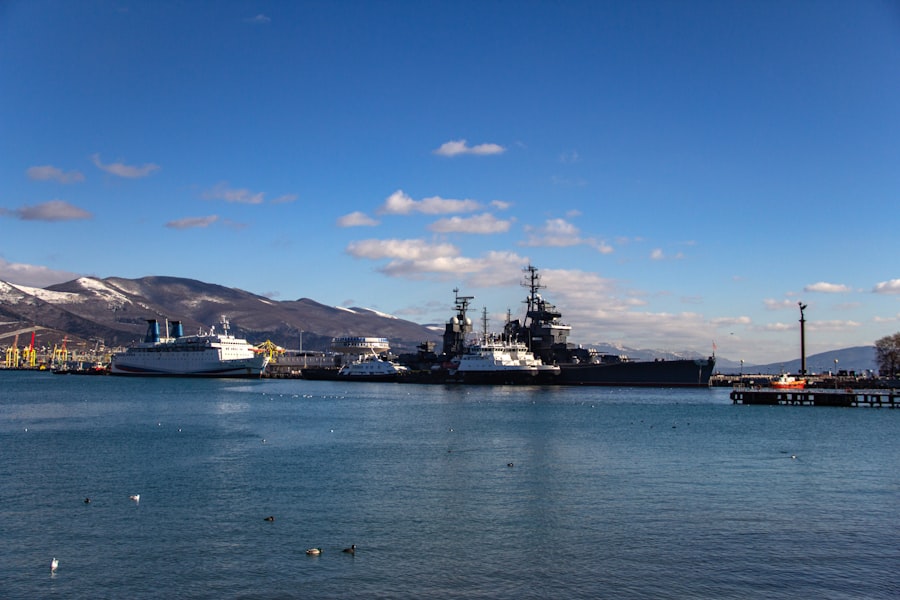
The Cold War was not a static standoff; it was punctuated by moments where the fragile peace teetered on the brink. The Pacific, with its inherent strategic significance, became a fertile ground for these tense encounters, where diplomatic messages were often accompanied by the ominous rumble of naval engines.
The Taiwan Strait: A Constant Point of Friction
The status of Taiwan remained a persistent flashpoint throughout the Cold War. The U.S. commitment to the defense of the Republic of China on Taiwan meant that its naval presence in the Taiwan Strait was a constant, visible deterrent against any potential aggression from mainland China. Soviet naval vessels, often operating in close proximity, would observe and sometimes shadow American operations, adding another layer of tension to an already precarious situation. These naval patrols were akin to two boxers circling each other, eyes locked, waiting for any misstep.
The South China Sea: Navigational Rights and Territorial Disputes
The South China Sea, a vital maritime highway, was another arena where naval forces frequently clashed, albeit often indirectly. Competing territorial claims by various nations, often with the backing of either the U.S. or the Soviet Union, led to a complex web of maritime disputes. U.S. Navy ships undertook “freedom of navigation” operations, challenging what they deemed excessive maritime claims, while Soviet vessels would observe and sometimes conduct their own patrols in the region, further complicating the geopolitical calculus.
The Korean Peninsula: A Cold War Hotspot and Naval Presence
While primarily a land-based conflict, the Korean War and its aftermath cemented the Korean Peninsula as a critical Cold War hotspot with a significant naval dimension. The U.S. Seventh Fleet was a constant presence, tasked with deterring further aggression and supporting South Korea. Soviet naval vessels would often operate in the vicinity, observing troop movements and providing a counterweight to American power. The proximity of these opposing forces created a constant undercurrent of potential conflict.
The Bering Sea and the Aleutian Islands: Arctic Ambitions
The strategic importance of the Bering Sea and the Aleutian Islands, linking the Pacific and Arctic Oceans, also saw a heightened naval presence. The Soviet Union’s northern fleet, though less prominent than its Pacific fleet, was a consideration for U.S. naval planners. Occasional encounters and reconnaissance missions occurred in these frigid waters, underscoring the global reach of the Cold War rivalry.
The Ghost Fleets: Surveillance and Intelligence Gathering
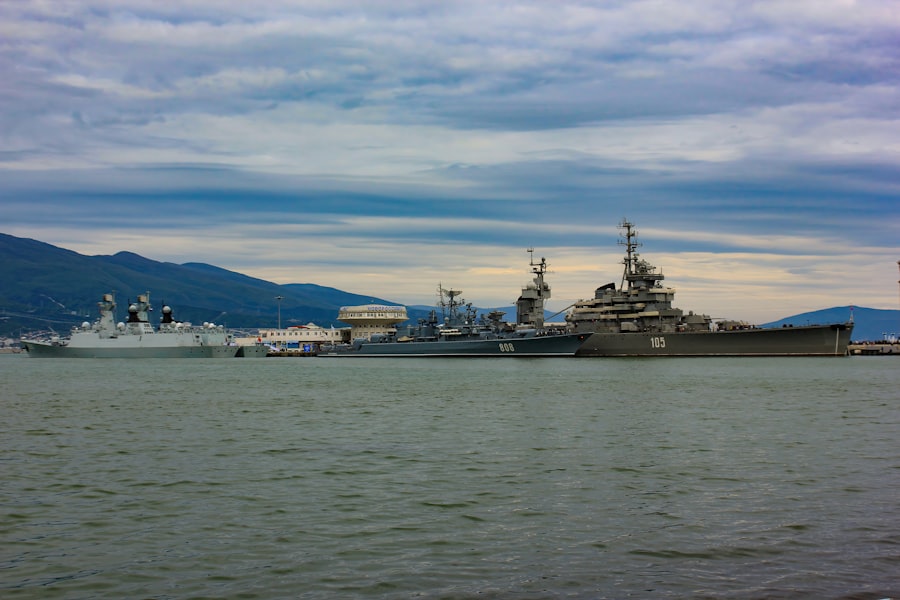
Beyond the overt displays of naval power, a silent, often unseen war was being waged in the Pacific – a war of intelligence and surveillance. Both superpowers invested heavily in understanding the capabilities, movements, and intentions of the other, transforming vessels into mobile eyes and ears.
Electronic Eavesdropping: Listeners in the Deep
Submarines, the silent submarines, were not just weapons of war, they were also sophisticated intelligence-gathering platforms. Equipped with advanced sonar and electronic intelligence (ELINT) systems, Soviet submarines would stalk American carrier groups, attempting to eavesdrop on communications and gather data on their operational patterns. Similarly, U.S. submarines would shadow Soviet naval exercises, their hydrophones straining to decipher the whispers of enemy movements. This was a game of cat and mouse played out in the silent depths, where a single misplaced ping could signal the unraveling of a carefully constructed plan.
Reconnaissance Aircraft: Eyes in the Sky
Patrol aircraft, such as the U.S. P-3 Orion and the Soviet Il-38 May, were the aerial counterparts to the underwater eavesdroppers. These long-range reconnaissance aircraft, often operating just outside of territorial waters, would track naval movements, photograph ship deployments, and monitor radar emissions. The skies above the Pacific were a constant ballet of these metal birds, each with a mission of observation.
Signals Intelligence (SIGINT): Decoding the Enemy’s Words
The interception of radio and radar signals was a critical component of naval intelligence. Both sides dedicated significant resources to developing sophisticated signals intelligence capabilities, aiming to decipher enemy communications and understand their operational plans. This clandestine battle for information was waged through a complex network of listening posts and specialized vessels, a constant hum of activity beneath the surface of perceived calm.
The Cold War naval standoff in the Pacific was a critical period that shaped military strategies and international relations. For a deeper understanding of the complexities involved during this era, you can explore a related article that delves into the strategic maneuvers and tensions between superpowers. This insightful piece highlights the naval confrontations and their implications on global politics, making it a valuable resource for anyone interested in this pivotal time in history. To read more, visit this article.
The Legacy of Naval Standoffs in the Pacific
| Year | Event | Location | Involved Navies | Ships Involved | Outcome |
|---|---|---|---|---|---|
| 1958 | Second Taiwan Strait Crisis | Taiwan Strait, Pacific | US Navy, People’s Liberation Army Navy (PLAN), Republic of China Navy | US: 6 aircraft carriers, PLAN: Several patrol boats, ROC Navy: Coastal defense ships | US naval presence deterred PLA invasion; crisis de-escalated |
| 1964 | Gulf of Tonkin Incident | Gulf of Tonkin, Pacific | US Navy, North Vietnamese Navy | US: Destroyers USS Maddox and USS Turner Joy; North Vietnam: Torpedo boats | Escalation of US involvement in Vietnam War |
| 1971 | USS Pueblo Incident | Sea of Japan (Pacific) | US Navy, North Korean Navy | US: USS Pueblo (intelligence ship); North Korea: Patrol boats and frigates | USS Pueblo captured; heightened tensions in Pacific |
| 1983 | Korean Air Lines Flight 007 Shootdown | Near Sakhalin Island, Pacific | US Navy, Soviet Navy | US: Surveillance aircraft; Soviet Navy: Fighter jets and naval vessels | Increased Cold War tensions; naval patrols intensified |
| 1988 | Black Sea Bumping Incident | Black Sea (connected to Pacific via global naval routes) | US Navy, Soviet Navy | US: USS Yorktown and USS Caron; Soviet Navy: Frigates and patrol boats | Physical naval confrontation; no casualties; highlighted naval rivalry |
While the Cold War officially ended with the dissolution of the Soviet Union in 1991, the echoes of its naval standoffs continue to resonate in the Pacific. The strategic frameworks, the technological advancements, and the enduring geopolitical rivalries have left an indelible mark on the region.
The Enduring U.S. Naval Dominance
The United States emerged from the Cold War with its naval dominance in the Pacific largely intact. The investments made during the conflict in carrier aviation, amphibious assault capabilities, and global logistics laid the foundation for its continued preeminence. This dominance, however, is increasingly being challenged by rising powers, leading to new forms of naval competition.
The Rise of New Maritime Powers
The post-Cold War era has witnessed the emergence of new maritime powers in the Pacific, most notably China. Its rapid naval modernization and expansion have created a complex geopolitical landscape, reminiscent in some ways of the Cold War dynamic, but with new actors and new strategic imperatives. The lessons learned from the Cold War naval standoffs are being re-examined and adapted to this evolving environment.
The Continued Importance of Naval Diplomacy
Naval diplomacy, the use of naval forces for diplomatic purposes, remains a critical tool in the Pacific. Port visits, joint exercises, and freedom of navigation operations are all methods employed by nations to project influence, build alliances, and signal intentions. The legacy of the Cold War’s naval encounters underscores the importance of maintaining open lines of communication and preventing miscalculations. The vast Pacific, once a stage for ideological confrontation, remains a crucial artery for global trade and a vital arena for international relations, its future shaped by the enduring lessons of past naval standoffs. The deployment of naval assets, much like the placement of pieces on a chessboard, continues to be a significant factor in maintaining regional stability, or indeed, in precipitating conflict.
FAQs
What was the Cold War naval standoff in the Pacific?
The Cold War naval standoff in the Pacific referred to the period of heightened military tension and strategic naval deployments between the United States and the Soviet Union during the Cold War, particularly in the Pacific Ocean region. Both superpowers sought to assert their influence and deter each other through naval presence and readiness.
When did the Cold War naval standoff in the Pacific primarily occur?
The naval standoff in the Pacific was most intense from the late 1940s through the 1980s, coinciding with the broader Cold War era. Key moments included the Korean War, the Vietnam War, and various naval confrontations and patrols throughout the Pacific Ocean.
Which naval forces were involved in the Pacific standoff during the Cold War?
The primary naval forces involved were the United States Navy and the Soviet Navy. The U.S. maintained a strong Pacific Fleet, while the Soviet Union expanded its Pacific Fleet to challenge U.S. dominance and protect its interests in the region.
What types of naval assets were commonly deployed during the Cold War Pacific standoff?
Both sides deployed aircraft carriers, submarines (including nuclear-powered and ballistic missile submarines), cruisers, destroyers, and various support vessels. Submarine patrols and carrier strike groups were particularly important for power projection and intelligence gathering.
How did the Cold War naval standoff in the Pacific impact international relations?
The naval standoff heightened tensions between the U.S. and the Soviet Union, contributing to the overall atmosphere of distrust and competition during the Cold War. It also influenced alliances and security arrangements in the Asia-Pacific region, including U.S. partnerships with Japan, South Korea, and other countries. However, it also led to arms control talks and agreements aimed at reducing the risk of direct conflict.