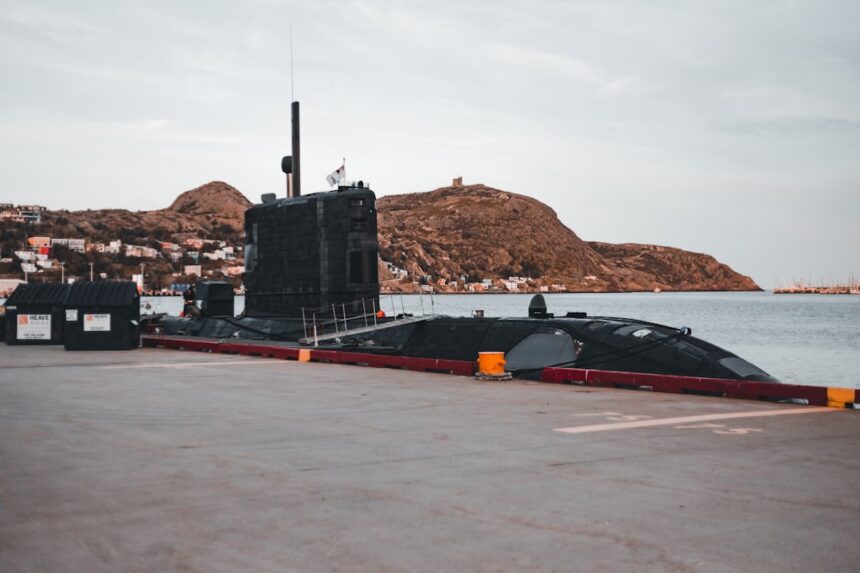
Mine countermeasures (MCM) constitute a vital component of naval warfare and maritime security operations. These activities encompass the detection, classification, neutralization, and disposal of naval mines that threaten naval vessels, commercial shipping routes, and coastal infrastructure. Naval mines have existed since ancient times but have evolved into sophisticated weapons systems, necessitating increasingly advanced countermeasures.
As naval capabilities expand globally, effective MCM operations have become increasingly critical for maritime security. The strategic significance of mine warfare extends beyond tactical considerations. Naval mines can be deployed secretly and remain dormant for long periods, creating persistent and unpredictable threats in maritime environments.
This uncertainty can significantly disrupt naval operations and potentially deter or delay military actions. MCM operations therefore serve both reactive and preemptive functions in securing maritime domains. Naval forces responsible for maintaining freedom of navigation and protecting maritime interests must thoroughly understand mine countermeasure principles and applications to effectively mitigate these threats.
Key Takeaways
- Naval mines pose significant threats, requiring specialized countermeasures for detection, classification, and neutralization.
- Various types of naval mines demand tailored approaches and technologies for effective mine countermeasures.
- Unmanned underwater vehicles play a crucial role in enhancing the safety and efficiency of mine detection and disposal.
- Coordination among naval units and rigorous training are essential for successful mine countermeasures operations.
- Ongoing technological advancements promise improved capabilities and reduced risks in future mine countermeasures efforts.
Types of Naval Mines
Naval mines can be broadly categorized into two primary types: contact mines and influence mines. Contact mines detonate upon physical contact with a vessel, making them straightforward yet effective in their lethality. These mines are often deployed in shallow waters where they can be strategically placed to target unsuspecting ships.
The simplicity of contact mines belies their danger; even a small vessel can be severely damaged or sunk by a well-placed mine. Influence mines, on the other hand, are more sophisticated and are designed to detonate based on specific environmental factors such as pressure, magnetic fields, or acoustic signatures. This type of mine can be particularly insidious, as it can be triggered by the presence of a ship without any physical contact.
The complexity of influence mines requires advanced detection and countermeasure techniques, as they can remain dormant until activated by a target vessel. The diversity in mine types necessitates a comprehensive approach to mine countermeasures, as each type presents unique challenges for detection and neutralization.
Detection and Classification of Naval Mines
The detection and classification of naval mines are paramount in ensuring safe navigation and effective mine countermeasure operations. Various technologies are employed to locate these hidden threats, including sonar systems, magnetic anomaly detectors, and remotely operated vehicles (ROVs). Sonar systems utilize sound waves to identify underwater objects, while magnetic anomaly detectors sense disturbances in the Earth’s magnetic field caused by metallic mines.
These methods are often used in tandem to enhance detection capabilities. Once detected, the classification of mines becomes crucial for determining the appropriate response. Advanced algorithms and machine learning techniques are increasingly being integrated into detection systems to improve classification accuracy.
By analyzing data from multiple sensors, these systems can differentiate between benign underwater objects and actual mines. This capability is vital for minimizing false positives and ensuring that resources are allocated efficiently during MCM operations. The ongoing development of detection technologies continues to enhance the effectiveness of mine countermeasures in modern naval warfare.
Neutralization and Disposal of Naval Mines
Neutralization and disposal of naval mines involve a range of techniques designed to render these threats safe or eliminate them entirely. One common method is the use of explosive charges to destroy mines from a safe distance. This technique requires precise calculations to ensure that the explosion does not inadvertently create additional hazards or damage nearby vessels or infrastructure.
In some cases, specialized vehicles equipped with robotic arms may be deployed to physically manipulate or disarm mines. Another approach involves the use of non-explosive methods, such as water jet cutting or mechanical removal. These techniques can be particularly useful in sensitive environments where minimizing collateral damage is essential.
The choice of neutralization method often depends on the type of mine, its location, and the operational context. As technology advances, new methods for mine disposal continue to emerge, enhancing the safety and effectiveness of MCM operations.
Mine Countermeasures Equipment and Technology
| Procedure | Description | Typical Duration | Key Equipment | Success Rate (%) |
|---|---|---|---|---|
| Mine Detection | Use of sonar and remote sensing to locate underwater mines. | 2-4 hours per sector | Side-scan sonar, AUVs, ROVs | 85-95 |
| Mine Classification | Identification and categorization of detected mines. | 1-3 hours | Underwater cameras, sonar imaging | 90-98 |
| Mine Neutralization | Disabling or destroying mines using explosive charges or mechanical means. | 3-6 hours | Explosive ordnance disposal tools, ROVs | 80-90 |
| Area Clearance | Systematic sweeping of a designated area to ensure it is mine-free. | 6-12 hours per square km | Mechanical sweepers, influence sweep systems | 75-85 |
| Post-Clearance Verification | Final inspection to confirm the area is safe for navigation. | 1-2 hours | Sonar, divers, ROVs | 95-99 |
The equipment and technology used in mine countermeasures have evolved significantly over the years, reflecting advancements in both naval warfare and underwater exploration. Modern MCM operations rely on a combination of surface vessels, aircraft, and underwater systems equipped with sophisticated sensors and tools. Surface vessels often serve as command platforms, coordinating MCM efforts while deploying specialized equipment such as sonar arrays and remotely operated vehicles.
Unmanned systems have become increasingly prominent in mine countermeasures due to their ability to operate in hazardous environments without risking human lives. These systems can be deployed for reconnaissance missions, allowing for detailed surveys of suspected minefields before any direct engagement occurs. Additionally, advancements in artificial intelligence and machine learning are enhancing the capabilities of MCM equipment, enabling faster data processing and improved decision-making during operations.
Role of Unmanned Underwater Vehicles in Mine Countermeasures

Unmanned underwater vehicles (UUVs) play a pivotal role in modern mine countermeasures by providing a safe and efficient means of conducting underwater surveys and mine neutralization operations. These autonomous or remotely operated vehicles are equipped with advanced sensors that allow them to detect and classify mines with high precision. Their ability to operate at various depths makes them invaluable for exploring areas that may be too dangerous for manned vessels.
UUVs can also be programmed to execute specific tasks autonomously, such as navigating predetermined routes while collecting data on underwater objects. This capability significantly reduces the time required for mine reconnaissance missions and enhances overall operational efficiency. Furthermore, UUVs can be equipped with tools for neutralizing mines, allowing them to engage threats directly without putting personnel at risk.
As technology continues to advance, the integration of UUVs into MCM operations is expected to expand further, revolutionizing how navies approach mine warfare.
Training and Preparation for Mine Countermeasures Operations
Effective training and preparation are essential components of successful mine countermeasures operations. Naval personnel must be well-versed in the complexities of mine warfare, including the various types of mines they may encounter and the technologies available for detection and neutralization. Training programs often include simulations that replicate real-world scenarios, allowing personnel to practice their skills in a controlled environment before engaging in actual operations.
In addition to technical training, personnel must also develop strong teamwork and communication skills. MCM operations often involve multiple units working together, necessitating seamless coordination among surface vessels, aircraft, and underwater systems. Regular joint exercises help foster collaboration among different branches of the military and ensure that all personnel understand their roles within the broader MCM framework.
As threats evolve, ongoing training is crucial for maintaining readiness and adapting to new challenges in mine warfare.
Coordination with Other Naval Units in Mine Countermeasures
Coordination among various naval units is vital for effective mine countermeasures operations. MCM missions typically require collaboration between surface ships, submarines, aircraft, and unmanned systems to achieve comprehensive situational awareness and operational success. Each unit brings unique capabilities to the table; for instance, surface vessels may provide command and control functions while aircraft conduct aerial surveillance.
This coordination extends beyond immediate operational tasks; it also involves sharing intelligence about potential mine threats and developing joint strategies for addressing them. Regular joint exercises help build trust among units and improve interoperability, which is crucial when responding to dynamic maritime threats.
As navies around the world continue to modernize their capabilities, fostering strong inter-unit coordination will remain a priority in mine countermeasures operations.
Challenges and Risks in Mine Countermeasures Operations
Mine countermeasures operations are fraught with challenges and risks that can complicate mission success. One significant challenge is the ever-evolving nature of naval mines themselves; adversaries continually develop new types of mines with advanced triggering mechanisms designed to evade detection. This constant innovation requires navies to stay ahead by investing in research and development for more effective detection and neutralization technologies.
Additionally, environmental factors such as water depth, currents, and visibility can impact MCM operations significantly. Adverse weather conditions may hinder visibility or affect sensor performance, complicating detection efforts. Furthermore, the presence of civilian vessels in contested waters adds another layer of complexity; ensuring that MCM operations do not inadvertently endanger non-combatants is paramount for maintaining international maritime law and protecting innocent lives.
Case Studies of Successful Mine Countermeasures Operations
Examining historical case studies provides valuable insights into successful mine countermeasures operations and highlights best practices that can inform future efforts. One notable example is Operation Desert Storm in 1991 when coalition forces faced extensive minefields laid by Iraqi forces in the Persian Gulf. The U.S. Navy employed a combination of surface ships equipped with advanced sonar systems and specialized mine-hunting vessels to clear safe passage for coalition forces. Another significant case study is the clearance operations conducted after World War II in European waters. The extensive use of naval mines during the conflict left many harbors and shipping lanes hazardous long after hostilities ceased. International efforts led by various navies resulted in large-scale clearance operations that not only ensured safe navigation but also facilitated post-war reconstruction efforts across Europe. These examples underscore the importance of effective planning, coordination, and technological innovation in successful mine countermeasures operations.
Future Developments in Mine Countermeasures Technology
The future of mine countermeasures technology promises exciting advancements that will enhance naval capabilities in addressing underwater threats. Ongoing research into artificial intelligence is expected to revolutionize how navies detect and classify mines by enabling systems to learn from past encounters and improve their decision-making processes over time. This could lead to faster identification of threats and more efficient allocation of resources during MCM operations.
Additionally, advancements in materials science may yield new types of sensors that are more sensitive or capable of operating under challenging conditions. Innovations such as biodegradable materials for underwater devices could also reduce environmental impacts associated with mine countermeasure operations. As nations continue to prioritize maritime security amid evolving threats, investment in cutting-edge technologies will play a crucial role in shaping the future landscape of mine countermeasures worldwide.
In conclusion, mine countermeasures represent a vital component of modern naval warfare that requires continuous adaptation to emerging threats and technological advancements. By understanding the complexities involved—from detection to neutralization—naval forces can better prepare themselves for ensuring safe navigation in contested waters while safeguarding maritime interests globally.
In the realm of naval operations, effective mine countermeasures are crucial for ensuring safe passage and operational success. A related article that delves into the intricacies of these procedures can be found at inthewarroom.
com/sample-page/’>this link. It provides valuable insights into the strategies and technologies employed in mine countermeasure operations, highlighting their importance in modern naval warfare.
FAQs
What are mine countermeasures in naval operations?
Mine countermeasures (MCM) refer to the techniques, tactics, and equipment used by naval forces to detect, classify, neutralize, and dispose of naval mines to ensure safe passage for military and civilian vessels.
Why are mine countermeasures important in naval operations?
Mine countermeasures are crucial because naval mines pose significant threats to maritime security, shipping lanes, and naval vessels. Effective MCM operations help prevent damage, loss of life, and disruption of maritime activities.
What types of naval mines are typically encountered during mine countermeasures operations?
Naval mines can be contact mines, influence mines (triggered by magnetic, acoustic, or pressure signatures), or drifting mines. Each type requires specific detection and neutralization techniques.
What are the primary procedures involved in mine countermeasures naval operations?
Procedures typically include mine detection using sonar and other sensors, mine classification to confirm threats, mine identification, and mine neutralization or disposal using remotely operated vehicles (ROVs), divers, or explosive charges.
What equipment is commonly used in mine countermeasures operations?
Common equipment includes mine-hunting sonar systems, remotely operated vehicles (ROVs), autonomous underwater vehicles (AUVs), mine disposal vehicles, specialized mine countermeasure vessels, and diving gear for clearance divers.
How do naval forces detect underwater mines?
Detection is primarily conducted using high-frequency sonar systems that scan the seabed and water column for mine-like objects. Additionally, magnetic and acoustic sensors may be used to detect influence mines.
What role do divers play in mine countermeasures?
Clearance divers are trained to identify, render safe, and dispose of mines manually when remote methods are not feasible. They perform underwater inspections and place charges to neutralize mines.
Are mine countermeasures operations conducted only during wartime?
No, mine countermeasures are conducted both during wartime and peacetime to ensure safe navigation in strategic waterways, support humanitarian missions, and maintain maritime security.
How do navies ensure the safety of personnel during mine countermeasures operations?
Safety is ensured through rigorous training, use of remote and autonomous systems to minimize human exposure, adherence to strict operational procedures, and continuous risk assessment.
Can mine countermeasures operations be automated?
Yes, advances in technology have led to increased use of autonomous underwater vehicles (AUVs) and remotely operated vehicles (ROVs) to detect and neutralize mines, reducing risk to personnel and increasing operational efficiency.