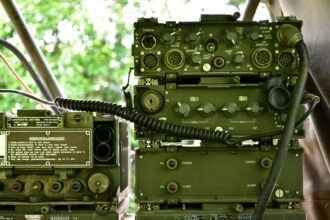
The year 1978 marked a pivotal period for naval operations in the Atlantic Ocean, a theater of enduring strategic importance. As the Cold War continued to cast its long shadow, the United States Navy and its NATO allies engaged in a complex web of missions designed to maintain maritime security, project power, and deter potential adversaries. These operations, often carried out far from public view, were crucial in shaping the geopolitical landscape and ensuring the free flow of commerce and information across the vital Atlantic routes. Examining the key missions of 1978 offers a compelling glimpse into the operational realities, technological advancements, and strategic thinking that defined naval warfare during this era. The Atlantic, with its vast expanse and critical access to Europe and North America, served as a constant testing ground for naval capabilities and a nexus for international cooperation.
The Shifting Sands of Cold War Strategy
The overarching strategic context of 1978 heavily influenced the nature and objectives of naval operations in the Atlantic. The global standoff between the United States and the Soviet Union, characterized by ideological rivalry and a persistent arms race, dictated a posture of vigilance and readiness. Naval forces were tasked with a dual mandate: to safeguard Western interests and to present a credible deterrent against any Soviet aggression. This often translated into missions focused on surveillance, power projection, and the defense of critical sea lanes.
Maintaining Vigilance: The Constant Watch
A cornerstone of Atlantic naval operations in 1978 was the continuous effort to monitor Soviet naval activity. The Soviet Union’s growing submarine fleet, particularly its ballistic missile submarines (SSBNs), posed a significant threat. Consequently, a substantial portion of U.S. and NATO naval resources were dedicated to anti-submarine warfare (ASW) operations. This involved constant patrols by destroyers, frigates, and specialized ASW aircraft, employing sophisticated sonar systems and depth charges to detect and track potential underwater threats. The goal was not merely to locate enemy submarines, but to maintain an accurate understanding of their deployments, capabilities, and intentions. This intelligence gathering was vital for strategic planning and for ensuring the safety of allied shipping and naval assets. The persistent presence of naval units in key areas, such as the Greenland-Iceland-United Kingdom (GIUK) gap, was a constant reminder of NATO’s readiness and its ability to monitor the ingress and egress of Soviet submarines from their bases.
Projecting Presence: The Forward Deployment Imperative
Beyond surveillance, the projection of naval power was another critical component of 1978’s Atlantic missions. Carrier battle groups, the mobile airfields of the sea, routinely operated in the Atlantic, demonstrating U.S. naval superiority and providing a flexible response capability. These deployments served multiple purposes: they reassured allies of American commitment, deterred potential aggressors by showcasing combat readiness, and offered a platform for rapid intervention in regional crises. The presence of these powerful flotillas in strategic locations signaled a willingness to engage and a capacity to project force across vast distances. Such deployments were not solely symbolic; they were integral to the broader strategy of maintaining stability and preventing the escalation of regional conflicts into larger confrontations.
In exploring the complexities of naval operations in the Atlantic during 1978, one can gain further insights by reading a related article that delves into the strategic maneuvers and geopolitical implications of that era. This article provides a comprehensive analysis of the naval tactics employed and their impact on international relations. For more information, you can visit the article here: related article.
Protecting the Lifelines: Atlantic Convoys and Maritime Trade

The economic and military viability of Western Europe was, and remains, intrinsically linked to the security of its maritime trade routes across the Atlantic. In 1978, ensuring the unimpeded flow of goods and resources was a paramount concern for NATO. This mission involved a comprehensive approach to convoy protection and the broader defense of vital sea lanes.
The Echoes of Convoy Duty: Resurgence of Historical Concerns
While the large-scale convoy operations of World War II were a distant memory, the underlying threat to maritime commerce remained. The substantial Soviet submarine force, coupled with the potential for surface interdiction, meant that the defense of convoys was still a critical, albeit perhaps less emphasized, aspect of naval planning. Exercises designed to simulate convoy protection scenarios were regularly conducted, involving escort vessels, anti-submarine aircraft, and naval support elements. These drills helped to hone the skills and coordination necessary to defend merchant shipping in a contested environment. The lessons learned from past conflicts were not forgotten, and contingency plans remained in place to rapidly mobilize forces for such a task should the need arise.
Securing the Pillars of Commerce: Freedom of Navigation Patrols
Beyond direct convoy escort, naval forces in 1978 undertook extensive freedom of navigation patrols throughout the Atlantic. These operations were designed to assert the right of passage for all nations in international waters, challenging any attempts by other powers to restrict access or claim unwarranted maritime jurisdiction. Such patrols were particularly important in areas where geopolitical tensions were high or where territorial disputes existed. By maintaining a visible and active presence, naval vessels demonstrated the commitment to open sea lanes, which were essential for global trade and economic prosperity. These patrols served as a silent but potent declaration of intent, reinforcing the principle of unimpeded maritime movement.
Exercises and Engagement: Training for Tomorrow’s Threats
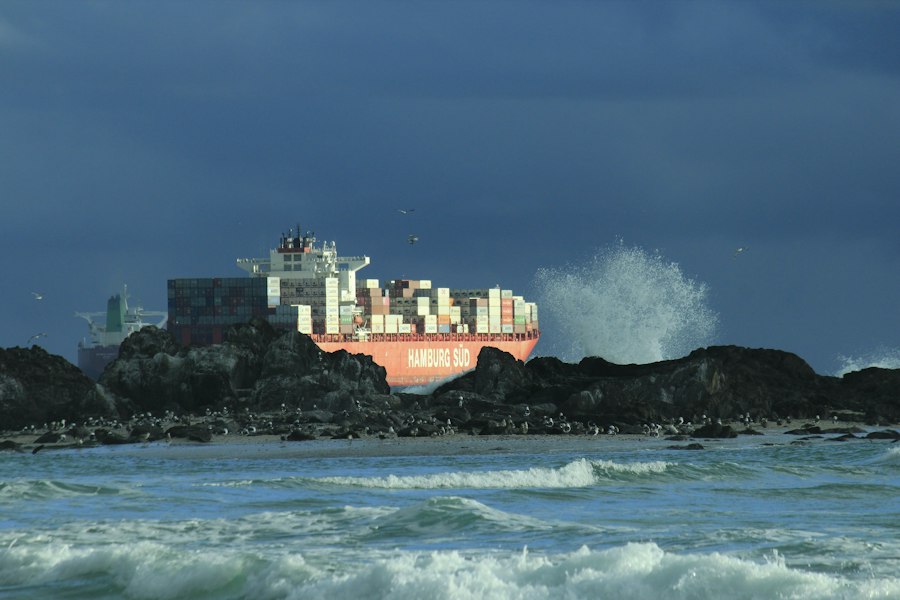
The dynamism of naval operations in 1978 was also defined by a rigorous schedule of exercises and a commitment to fostering strong relationships with allied navies. These engagements were vital for maintaining a high level of operational readiness, for testing new doctrines and technologies, and for strengthening the collective security framework.
NATO’s Amphibious Might: BALTOPS and Beyond
A significant series of multilateral exercises took place in the Atlantic and Baltic Seas during 1978. Among the most prominent was BALTOPS (Baltic Operations), a long-standing exercise designed to enhance the interoperability and readiness of NATO naval forces operating in the sensitive Baltic region. These exercises involved complex scenarios, including amphibious landings, anti-submarine warfare, air defense, and maritime interdiction operations. The participation of numerous NATO member states underscored the importance of collective defense and the shared commitment to regional security. BALTOPS and similar exercises provided a crucial platform for navies to train together, share best practices, and build mutual trust, essential for effective coalition operations.
Interoperability and Alliance Building: Joint Operations with Allies
Beyond large-scale, named exercises, 1978 saw a continuous stream of smaller, bilateral, and multilateral joint operations with allied navies. These engagements, ranging from port visits to combined training evolutions at sea, were instrumental in building relationships, understanding different operational procedures, and ensuring seamless interoperability. For instance, U.S. naval units frequently operated alongside the Royal Navy, the French Navy, and the navies of other NATO countries. Such collaborations were not merely symbolic; they were practical endeavors aimed at ensuring that in a crisis, allied forces could operate effectively as a cohesive unit. These interactions helped to standardize procedures, improve communication, and foster a shared understanding of common threats and objectives, thus solidifying the alliance’s maritime posture.
Technological Advancements and Their Impact on Operations
The year 1978 was a period of significant technological evolution in naval warfare. Advancements in areas such as sonar, missile systems, and electronic warfare were beginning to reshape operational capabilities and strategic thinking. Naval forces were actively integrating these new technologies into their platforms and their operational doctrines.
The Silent Hunter’s Nemesis: Advances in ASW Technology
The ongoing arms race, particularly in the submarine domain, spurred considerable investment in anti-submarine warfare technologies. 1978 saw the continued development and deployment of more sophisticated sonar systems, both passive and active, capable of detecting submarines at greater ranges and in more challenging acoustic environments. Advances in towed sonar arrays, for example, allowed surface ships to extend their “hearing” range significantly. Furthermore, the sophistication of ASW aircraft, such as the P-3 Orion, was enhanced with improved sensors and weapons systems. This technological race was a critical element of the strategic balance in the Atlantic, with each side striving to gain an advantage in tracking and neutralizing the other’s submarine threat. The constant refinement of ASW capabilities was a testament to the enduring importance of controlling the underwater domain.
The Missile Age: Evolution of Naval Weaponry
The deployment and evolution of naval missile systems continued to be a defining feature of naval operations in 1978. Surface-to-air missiles (SAMs) provided crucial air defense for fleet formations, while anti-ship missiles offered a potent offensive capability. The development of longer-range, more accurate, and increasingly sophisticated missile systems demanded corresponding advancements in radar, targeting, and electronic countermeasures. The introduction of new missile technologies, or the upgrade of existing ones, meant that naval forces had to constantly adapt their tactics and training to effectively employ and counter these weapon systems. The missile age was transforming naval combat, making the battlefield more complex and demanding greater precision and speed from naval commanders.
In exploring the complexities of naval operations in the Atlantic during 1978, one can gain further insights by examining a related article that delves into the strategic maneuvers and geopolitical implications of that era. This article provides a comprehensive overview of the naval tactics employed and the challenges faced by various fleets. For a deeper understanding of these operations, you can read more about it in this insightful piece on naval strategies.
Strategic Implications and the Atlantic’s Enduring Significance
| Operation Name | Date | Location | Participating Navies | Number of Ships | Primary Objective | Outcome |
|---|---|---|---|---|---|---|
| Atlantic Fleet Exercise 1978 | June 1978 | North Atlantic Ocean | US Navy, Royal Navy, Canadian Navy | 45 | Enhance joint anti-submarine warfare capabilities | Successful coordination and improved ASW tactics |
| Operation Ocean Shield | September 1978 | Mid-Atlantic Ridge | US Navy, French Navy | 30 | Surveillance and reconnaissance of Soviet submarine activity | Increased intelligence on submarine movements |
| Exercise Northern Wave | November 1978 | Norwegian Sea | NATO Navies | 50 | Test rapid deployment and fleet defense strategies | Validated rapid response protocols |
The naval operations conducted in the Atlantic during 1978 were not isolated events but were intrinsically linked to broader geopolitical strategies and had lasting implications for the global balance of power. The Atlantic Ocean remained a critical theater for demonstrating military strength, fostering alliances, and ensuring the security of vital economic and strategic interests.
The Deterrent Effect: Maintaining the Peace Through Strength
A primary objective of Atlantic naval operations in 1978 was to act as a powerful deterrent. The visible presence of capable naval forces, particularly carrier strike groups and submarine patrols, served to discourage potential aggression from the Soviet Union and its allies. This doctrine of “peace through strength” relied on the credible threat of overwhelming military response to any act of aggression. The constant readiness of naval forces in the Atlantic, coupled with their ability to project power rapidly, was a crucial element in maintaining the delicate strategic equilibrium of the Cold War. The ability to deny sea control to an adversary was as important as maintaining it for oneself.
The Global Reach: The Atlantic as a Gateway
The Atlantic Ocean’s strategic importance extended far beyond its immediate geographical confines. It served as the primary conduit for transatlantic trade, communication, and the projection of power between North America and Europe. Naval operations in this theater were therefore instrumental in supporting allied security, ensuring the economic vitality of Western nations, and maintaining the global presence of the United States. The commitment to secure Atlantic sea lanes was a cornerstone of Western security policy, and the naval missions of 1978 were a tangible manifestation of this commitment. The ongoing capability to move forces and resources across the Atlantic rapidly and securely was, and remains, a fundamental pillar of global security architecture. The multifaceted nature of naval operations in 1978, encompassing surveillance, power projection, convoy protection, and extensive training, underscored the Atlantic’s enduring significance as a vital strategic maritime domain.
The Soviet Submarine Britain Lost—Then Found Again
FAQs
What were the main objectives of naval operations in the Atlantic in 1978?
The main objectives of naval operations in the Atlantic in 1978 were to ensure maritime security, conduct surveillance of Soviet naval activities, deter potential threats, and maintain a strong naval presence in the region.
Which countries participated in the naval operations in the Atlantic in 1978?
Various NATO member countries participated in the naval operations in the Atlantic in 1978, including the United States, United Kingdom, France, and other allied nations.
What were some of the key challenges faced during the naval operations in the Atlantic in 1978?
Some of the key challenges faced during the naval operations in the Atlantic in 1978 included adverse weather conditions, coordination among allied navies, potential encounters with Soviet naval forces, and logistical constraints.
Did the naval operations in the Atlantic in 1978 have any significant impact on maritime security?
Yes, the naval operations in the Atlantic in 1978 had a significant impact on maritime security by demonstrating NATO’s commitment to safeguarding the region, deterring potential threats, and maintaining stability in the Atlantic Ocean.
How did the naval operations in the Atlantic in 1978 contribute to the overall defense strategy of NATO?
The naval operations in the Atlantic in 1978 contributed to the overall defense strategy of NATO by enhancing interoperability among allied navies, conducting surveillance of strategic sea lanes, and showcasing the alliance’s naval capabilities to potential adversaries.