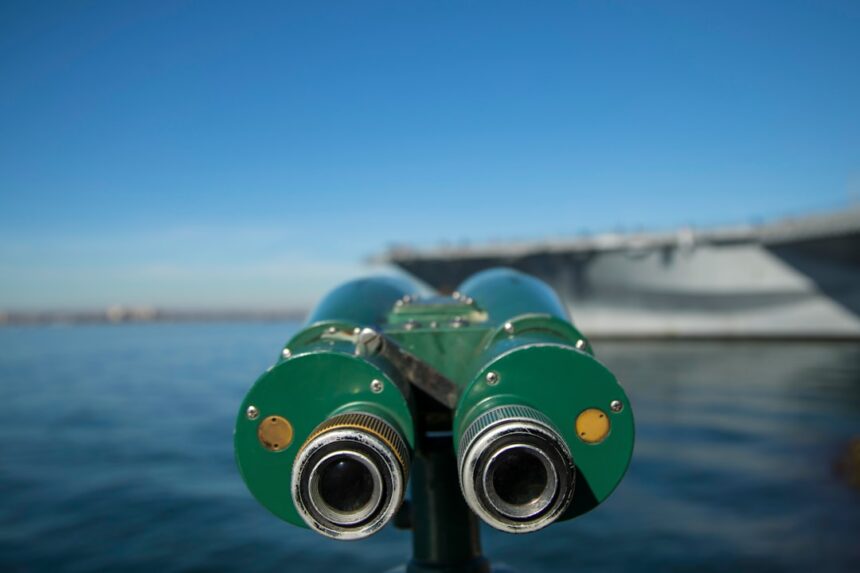
The Cold War, a period of geopolitical tension that spanned roughly from the end of World War II until the dissolution of the Soviet Union, was characterized by a myriad of clandestine operations, proxy conflicts, and an unrelenting arms race. Beneath the surface of overt diplomacy and military posturing, an equally intense and often more perilous struggle unfolded in the shadows: the intelligence war. Among the myriad battlegrounds for espionage, the naval domain presented a unique and particularly fertile ground for intelligence gathering and counter-intelligence efforts. This arena, where the vastness of the oceans met the technological prowess of two superpowers, witnessed a continuous “Naval Intelligence Showdown” between the Soviet Union’s Committee for State Security (KGB) and the United States’ Central Intelligence Agency (CIA).
The stakes in this aquatic chess match were extraordinarily high. Control of the seas meant not only strategic advantage in potential global conflicts but also the ability to project power, gather critical intelligence, and deter adversaries. From the Arctic ice packs to the tropical depths of the Caribbean, submarines became silent hunters, surface vessels became floating eavesdropping stations, and naval personnel, often unwittingly, became pawns in a global game of cat and mouse. The narratives that emerged from this period are not merely tales of daring espionage but illustrate the profound impact of intelligence on national security and global stability.
The expanse of the world’s oceans presented both a challenge and an opportunity for intelligence agencies. The sheer volume of maritime traffic, the strategic importance of naval bases, and the unique characteristics of underwater operations meant that naval intelligence was fundamentally different from its land-based or aerial counterparts. Both the KGB and the CIA recognized the critical role of naval intelligence in forecasting enemy intentions, assessing technological capabilities, and influencing geopolitical outcomes.
Soviet Naval Doctrine and Intelligence Integration
For the Soviet Union, a landlocked power for much of its history, the development of a formidable blue-water navy was a relatively recent undertaking. However, once committed, the Soviet Navy grew rapidly, especially its submarine fleet, which became a cornerstone of its strategic deterrent. The KGB, as the primary intelligence agency, played an integral role in this expansion, often with direct access to naval commands and operations.
- Submarine Warfare and SIGINT: Soviet submarines were not just weapons platforms; many were specifically designed for signals intelligence (SIGINT) missions, crawling along the ocean floor to tap undersea communication cables or gathering electronic emissions from Western naval exercises. Their ability to remain undetected for extended periods made them ideal for such stealthy operations.
- Naval Spetsnaz and Sabotage: Beyond intelligence gathering, the KGB, through its association with various Soviet special forces units, including naval Spetsnaz, also engaged in sabotage and reconnaissance missions against Western naval assets and infrastructure. These units were trained for underwater demolition, covert infiltration, and direct action.
- Human Intelligence (HUMINT) in Port Cities: Soviet intelligence operatives were particularly active in major port cities worldwide, attempting to recruit disgruntled sailors, dockworkers, or naval attachés who could provide valuable insights into ship movements, technological advancements, or personnel changes within Western navies.
US Naval Dominance and Intelligence Countermeasures
The United States, with its long history as a naval power, already possessed a robust naval intelligence infrastructure. The CIA, while a relatively new agency, quickly recognized the importance of integrating its broader intelligence capabilities with the specific needs of the Navy. This often involved developing highly specialized assets and technologies.
- Acoustic Surveillance and SOSUS: The Sound Surveillance System (SOSUS) was a groundbreaking US initiative that involved an extensive network of underwater hydrophones designed to detect and track Soviet submarines. This passive acoustic network, a marvel of engineering, became a critical component of US anti-submarine warfare (ASW) efforts, providing the CIA and Navy with invaluable insights into Soviet submarine movements and acoustic signatures.
- Deep-Sea Recovery Operations: The CIA engaged in some of the most daring and technologically advanced naval intelligence operations, including the recovery of submerged Soviet hardware. The Project Azorian (often associated with the Glomar Explorer) to retrieve parts of a sunken Soviet submarine, K-129, is a prime example of their ambition and technical prowess.
- Counter-Espionage and Security: Given the widespread nature of Soviet intelligence activities in port cities and naval bases, the CIA, in cooperation with the Naval Criminal Investigative Service (NCIS) and other agencies, maintained extensive counter-espionage programs aimed at identifying and neutralizing Soviet agents attempting to infiltrate US naval operations.
The rivalry between the KGB and the CIA has long been a subject of intrigue, particularly in the realm of naval intelligence, where both agencies sought to outmaneuver each other during the Cold War. For a deeper understanding of the strategies and operations employed by these intelligence giants, you can explore a related article that delves into their maritime espionage tactics and the impact on global naval operations. To read more, visit this article.
Technological Arms Race at Sea
The Cold War naval intelligence showdown was, in many ways, a technological arms race. Each side continuously sought to develop new systems and methods to detect, track, and counter the other’s maritime capabilities. This perpetual innovation pushed the boundaries of engineering and scientific research.
Soviet Technological Advancements
Despite starting from a position of relative naval inferiority, the Soviets made significant strides in naval technology, often driven by the imperative to overcome Western advantages.
- Quiet Submarines and Propulsion Systems: Early Soviet submarines were notoriously noisy, making them easy targets for Western acoustic systems. However, through dedicated research and development, often aided by intelligence acquired from the West, the Soviets progressively built quieter submarines, culminating in designs that posed significant challenges for US ASW.
- Ocean Surveillance Satellites (RORSAT/EORSAT): The Soviet Union developed sophisticated radar ocean reconnaissance satellites (RORSAT) and electronic ocean reconnaissance satellites (EORSAT) designed to monitor surface shipping, including aircraft carriers and strategic naval formations, providing real-time intelligence to the Soviet Navy and KGB.
- Underwater Communication and Navigation: The development of secure and undetectable underwater communication systems was crucial for maintaining command and control over a widely dispersed submarine fleet. Soviet research in this area was a closely guarded secret, as was their development of advanced inertial navigation systems that reduced reliance on external fixes.
US Innovations in Maritime Detection
The United States leveraged its technological superiority and vast research and development budgets to create an array of sophisticated maritime detection and surveillance systems.
- Magnetic Anomaly Detection (MAD): While not exclusively a Cold War invention, MAD technology saw significant advancements during this period, offering a way to detect submerged submarines by sensing distortions in the Earth’s magnetic field caused by their ferrous hulls. MAD was frequently used by patrol aircraft and helicopters.
- Active Sonar and Variable Depth Sonar (VDS): Beyond passive acoustic systems like SOSUS, the US refined active sonar technology, which emits sound pulses and listens for echoes. Variable Depth Sonar (VDS), deployed from surface ships, allowed sonar transducers to be lowered below thermal layers in the ocean, enhancing detection capabilities.
- Remote Operated Vehicles (ROVs) and Deep Submergence Vessels: For deep-sea exploration, recovery, and surveillance, the US developed and deployed advanced ROVs and manned deep submergence vessels. These unmanned and manned platforms provided unique capabilities for investigating the ocean floor, examining wreckage, and deploying sensors in hostile environments.
Espionage and Counter-Espionage: The Human Element
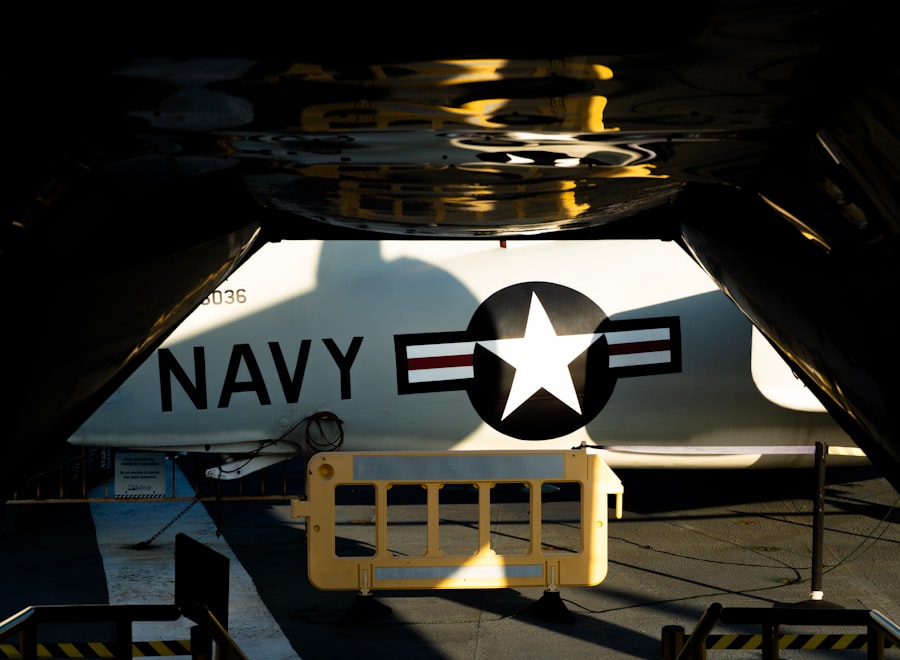
While technology played a crucial role, the human element remained central to naval intelligence. Spies and counter-spies operated in a complex web of deceit and trust, their actions often having profound consequences for national security. The stories of individual agents, their recruitment, and their betrayals, form a compelling narrative within the broader context of the naval intelligence showdown.
Notable KGB Naval Intelligence Operations
The KGB orchestrated a variety of daring and often successful operations to penetrate Western naval establishments.
- The Walker Family Spy Ring: Perhaps one of the most damaging espionage cases in US naval history involved John Anthony Walker Jr., a US Navy chief warrant officer, who spied for the Soviet Union for nearly two decades. His extensive network, including his brother and son, provided critical classified information about US Navy cryptographic systems, submarine movements, and other top-secret data, severely compromising US naval security.
- Operation “Trawl” (Project A-19): Less known but equally significant were Soviet efforts to deploy covert deep-sea vehicles to attach listening devices to undersea communication cables, similar to what the US did with Operation Ivy Bells. These were risky, technologically complex operations aimed at intercepting vital Western communications.
- Port Infiltration and Observation: KGB operatives meticulously cultivated sources in Western ports, gathering intelligence on ship schedules, repair work, crew morale, and even the loading and unloading of sensitive cargo. This granular intelligence often provided puzzle pieces that, when assembled, offered a clearer picture of Western naval capabilities and intentions.
CIA Counter-Intelligence Successes
The CIA, in conjunction with other US intelligence and law enforcement agencies, dedicated considerable resources to uncovering and neutralizing Soviet espionage efforts within the US Navy and allied navies. These efforts often involved painstaking investigations and innovative counter-intelligence techniques.
- The Capture of Soviet Spy Trawlers: While often operating under the guise of fishing vessels, Soviet “trawlers” were heavily equipped with SIGINT gear and personnel dedicated to monitoring Western naval exercises and operations. US and allied intelligence agencies developed sophisticated methods to identify and track these vessels, often engaging in “cat and mouse” games at sea.
- Defections and Double Agents: The defection of Soviet naval officers or intelligence personnel provided invaluable insights into KGB operations, Soviet naval capabilities, and their intelligence gathering priorities. The CIA actively sought to cultivate such defectors or, in some cases, turn existing Soviet intelligence assets into double agents.
- Security Clearances and Background Checks: A foundational aspect of counter-intelligence involved rigorous security clearance procedures and continuous monitoring of personnel with access to classified information. While not always foolproof, these measures were critical in identifying potential vulnerabilities and mitigating intelligence leaks.
The Underwater Frontier: Silent Warfare
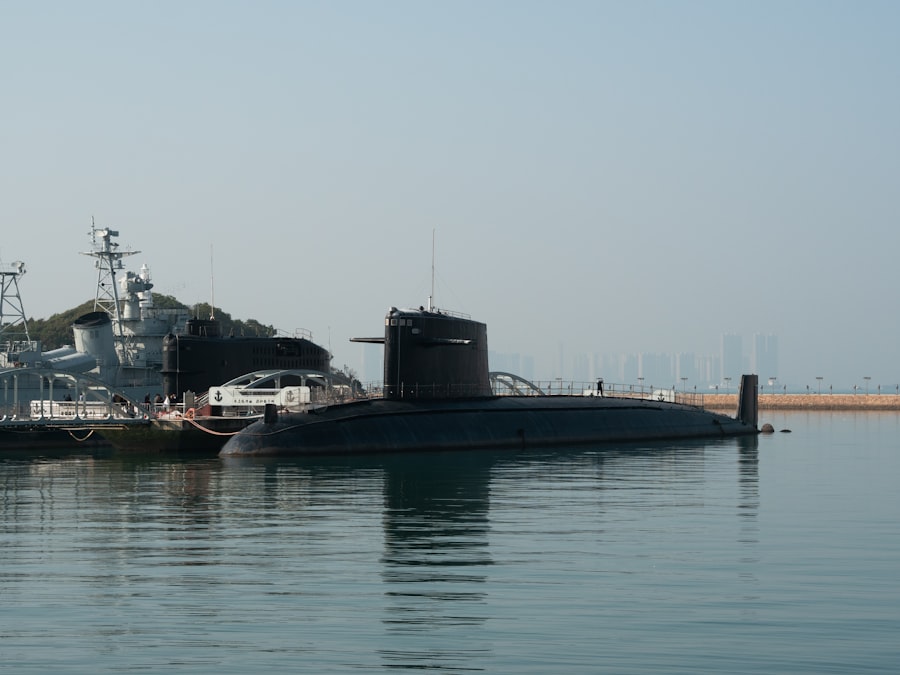
The silent depths of the ocean were arguably the most critical theater of the naval intelligence showdown. Submarines, with their ability to operate undetected for prolonged periods, became the ultimate espionage platforms, engaging in a deadly ballet beneath the waves.
Soviet Submarine Operations (Project “White Star”)
Soviet submarine operations were a significant aspect of their intelligence gathering efforts. They aimed to understand Western fleet movements, acoustic signatures, and the layout of crucial undersea infrastructure.
- Targeting US Naval Bases and SOSUS Arrays: Soviet attack submarines were tasked with covertly approaching US naval bases to scout their defenses, assess their readiness, and, crucially, to locate and potentially neutralize the vital SOSUS hydrophone arrays that were listening for them.
- Shadowing and Data Collection: Soviet submarines routinely shadowed US aircraft carrier battle groups and other high-value naval assets, collecting electronic emissions, acoustic signatures, and photographic intelligence on their operational patterns and capabilities.
- Cable Tapping (similar to Ivy Bells): While less publicly known than US operations, the Soviets also engaged in their own versions of undersea cable tapping, targeting Western communication infrastructure. These operations required highly specialized submarines and diving personnel.
US Submarine Operations (Operation Ivy Bells)
The US Navy, with CIA oversight, conducted some of the most audacious and technologically advanced intelligence-gathering missions using its submarines.
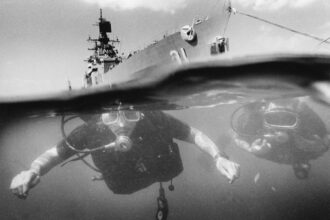
- Tapping Soviet Undersea Cables: Operation Ivy Bells, perhaps the most famous of these, involved US Navy submarines secretly tapping Soviet undersea communication cables in the Sea of Okhotsk. Divers from the USS Halibut and later other specialized submarines, would implant listening devices that recorded Soviet communications, providing an unparalleled window into Soviet naval and military operations.
- Reconnaissance and Surveillance: US attack submarines conducted extensive reconnaissance missions in international waters close to Soviet naval bases, observing deployments, exercising tracking techniques, and gathering acoustic data on Soviet vessels as they entered and exited port.
- Monitoring Ballistic Missile Submarines (SSBNs): A high priority for US naval intelligence was to continuously monitor Soviet SSBNs, which carried nuclear ballistic missiles. Understanding their patrol patterns and deployment areas was critical for US strategic deterrence and anti-submarine warfare planning.
The intricate rivalry between the KGB and CIA has often been explored in various contexts, including their naval intelligence operations. A fascinating article that delves deeper into this topic can be found at In the War Room, where the strategies and tactics employed by both agencies are analyzed. Understanding these dynamics not only sheds light on historical events but also highlights the ongoing influence of intelligence operations in contemporary geopolitics.
Legacy and Lessons Learned
| Aspect | KGB Naval Intelligence (Main Directorate of the Navy) | CIA Naval Intelligence |
|---|---|---|
| Primary Role | Gathering naval and maritime intelligence for the Soviet Navy and state security | Collecting naval and maritime intelligence to support U.S. Navy and national security |
| Operational Period | Cold War era (1954–1991), evolved from GRU and other Soviet agencies | Established post-WWII, ongoing with evolving capabilities |
| Focus Areas | Submarine tracking, naval fleet movements, maritime technology, port activities | Submarine detection, fleet deployments, maritime technology, foreign naval capabilities |
| Methods | Human intelligence (HUMINT), signals intelligence (SIGINT), satellite reconnaissance | HUMINT, SIGINT, satellite imagery, cyber intelligence |
| Notable Achievements | Tracking U.S. ballistic missile submarines, infiltration of NATO naval operations | Monitoring Soviet naval movements, development of advanced submarine detection |
| Organizational Structure | Part of KGB’s Main Directorate of the Navy Intelligence, closely linked with GRU | Part of CIA Directorate of Operations with dedicated naval intelligence units |
| Technological Capabilities | Advanced sonar and electronic surveillance, early satellite reconnaissance | Cutting-edge satellite imagery, cyber tools, advanced sonar and signal interception |
| Challenges | Counterintelligence by NATO, technological lag in late Cold War | Countering Soviet deception, adapting to asymmetric maritime threats |
The naval intelligence showdown between the KGB and the CIA during the Cold War left an indelible mark on intelligence gathering, naval warfare, and international relations. The lessons learned from this era continue to inform modern intelligence practices, particularly in the domain of maritime security.
Enduring Impact on Modern Intelligence
The technological innovations, operational methodologies, and counter-intelligence strategies forged during this intense period continue to resonate in contemporary intelligence.
- Importance of SIGINT and OSINT: The emphasis on Signals Intelligence (SIGINT) and later, Open Source Intelligence (OSINT) from the Cold War persists. The ability to intercept and analyze electronic emissions, and to derive intelligence from publicly available information, remains crucial.
- Advanced ASW Techniques: The relentless pursuit of quieter submarines and more effective anti-submarine warfare (ASW) techniques continues, shaping the development of modern navies and their associated intelligence capabilities.
- Cyber Warfare and Underwater Security: With the rise of cyber warfare, the vulnerabilities of undersea cables and offshore infrastructure have taken on new significance. The Cold War’s lessons about protecting and exploiting underwater communication channels are now viewed through a digital lens.
Reflections on Risk and Secrecy
The naval intelligence showdown was characterized by extraordinary risk and deep secrecy. The success of many operations depended on the ability to operate undetected, and the consequences of discovery were severe, sometimes leading to international incidents or the loss of life.
- The Human Cost: Beyond the strategic victories and technological marvels, there was a profound human cost. Agents risked their lives, and the crews of submarines and intelligence vessels operated in inherently dangerous environments, often without public recognition or understanding of their missions.
- The Paradox of Secrecy: The very nature of intelligence work demanded secrecy, yet this secrecy often complicated accountability and public oversight. This paradox continues to be a central tension in democratic societies grappling with the roles and responsibilities of their intelligence agencies.
- Continual Evolution of Threats: As the world moves beyond the bipolar confrontation of the Cold War, the nature of maritime threats has evolved, encompassing piracy, terrorism, and renewed great power competition. However, the foundational intelligence principles established during the KGB-CIA naval showdown remain relevant toolkit elements for navigating these new challenges.
In conclusion, the ‘Naval Intelligence Showdown: KGB vs CIA’ was a multifaceted struggle involving technology, human cunning, and strategic ambition. It transformed the oceans into a covert battleground, where the silent strokes of espionage often dictated the overt movements of navies and the larger currents of international power. For the intelligence practitioner, the naval arena consistently presents a demanding, high-stakes environment where innovative thinking and robust intelligence-gathering capabilities are paramount. This chapter in the Cold War saga provides a compelling testament to the enduring significance of naval intelligence in shaping global events and underscores the constant imperative for vigilance, adaptation, and precision in the shadows.
FAQs
What were the primary roles of the KGB and CIA in naval intelligence?
Both the KGB and CIA conducted naval intelligence operations to gather information on enemy naval capabilities, movements, and strategies. The KGB focused on Soviet naval activities and counterintelligence, while the CIA concentrated on monitoring U.S. and allied naval forces during the Cold War.
How did the KGB and CIA gather naval intelligence?
The KGB and CIA used a combination of human intelligence (HUMINT), signals intelligence (SIGINT), satellite reconnaissance, and underwater surveillance to collect naval intelligence. They deployed spies, intercepted communications, and utilized advanced technology to monitor naval operations.
What was the significance of naval intelligence during the Cold War?
Naval intelligence was crucial during the Cold War as it helped both the Soviet Union and the United States track each other’s naval movements, assess military capabilities, and prepare for potential maritime conflicts. Control of the seas was vital for strategic advantage and nuclear deterrence.
Did the KGB and CIA engage in direct confrontations related to naval intelligence?
While direct military confrontations were rare, the KGB and CIA often engaged in covert operations, espionage, and counterintelligence activities targeting each other’s naval assets. These included spying on naval bases, intercepting communications, and attempting to recruit informants within naval forces.
How did technological advancements impact KGB and CIA naval intelligence efforts?
Technological advancements such as satellite imagery, sonar, cryptography, and electronic surveillance significantly enhanced the capabilities of both the KGB and CIA in naval intelligence. These technologies allowed for more precise tracking of naval vessels and improved the effectiveness of intelligence gathering.