naval intelligence: advanced gathering methods
The vast, inscrutable expanse of the world’s oceans has long been a theater of strategic importance, a realm where nations project power and secure vital interests. Within this maritime domain, naval intelligence plays a critical, often unseen, role. It is the silent guardian, the discerning eye that observes, analyzes, and anticipates the intentions and capabilities of potential adversaries. While traditional methods of intelligence gathering remain foundational, the ever-evolving geopolitical landscape and the relentless march of technological innovation have necessitated the development and deployment of advanced techniques. This article delves into the sophisticated methodologies employed by naval intelligence agencies today, examining how they navigate the complexities of the maritime environment to secure a strategic advantage.
The nature of naval warfare and the threats emanating from the maritime sphere have undergone a profound transformation. The days of large, monolithic fleets clashing in decisive battles are largely historical footnotes. Today, the threats are more diffused, diverse, and often asymmetric. These include the proliferation of advanced submarine technologies, anti-ship missile systems, cyber warfare capabilities targeting naval infrastructure, and the increasing assertiveness of certain nations in contested waters. Furthermore, the rise of non-state actors operating at sea, such as pirates and terrorists, adds another layer of complexity to the intelligence challenge.
Shifting Geopolitical Dynamics and Their Maritime Manifestations
The global balance of power is constantly in flux, and these shifts invariably play out on the maritime stage. Nations are investing heavily in modernizing their navies, developing new doctrines, and asserting their claims in strategically important waterways. This creates an environment where understanding the intentions and operational readiness of these naval forces is paramount. For instance, observing changes in patrol patterns, port visits, and the deployment of new weapon systems can offer crucial insights into a nation’s strategic calculus. The intelligence gathered must provide actionable insights into these evolving dynamics, enabling decision-makers to adapt their own strategies and posture accordingly.
The Information Deluge: Separating Signal from Noise
Modern naval operations generate an unprecedented amount of data. From satellite imagery and sonar readings to open-source information and electronic emissions, the sheer volume of information can be overwhelming. The challenge for naval intelligence is not simply to collect this data, but to filter, process, and analyze it effectively to extract meaningful intelligence. This requires sophisticated technological tools and highly skilled personnel capable of identifying critical patterns and anomalies within the vast ocean of data. It is akin to finding a specific shell on an infinite beach; the tools and expertise are what separate a meaningful discovery from a mere distraction.
The Imperative of Timeliness and Predictive Analysis
In the fast-paced world of naval operations, intelligence that arrives too late is intelligence that has lost its value. Advanced gathering methods must prioritize speed and efficiency in the collection and dissemination of information. Moreover, the focus is increasingly shifting from simply reporting what is happening to predicting what will happen. Predictive analysis, powered by machine learning and artificial intelligence, aims to forecast potential adversary actions, identify emergent threats, and provide early warnings, thereby allowing for proactive rather than reactive responses.
Naval intelligence gathering methods have evolved significantly over the years, incorporating advanced technologies and strategic approaches to enhance situational awareness and operational effectiveness. For a deeper understanding of these methods and their implications, you can explore a related article that discusses the latest trends and innovations in naval intelligence at In The War Room. This resource provides valuable insights into how naval forces are adapting to modern challenges in maritime security and intelligence operations.
Advanced Sensor Technologies: Extending the Reach of Observation
The development of cutting-edge sensor technologies has been a game-changer for naval intelligence. These systems, whether deployed on surface vessels, submarines, aircraft, or satellites, provide unparalleled capabilities for detecting, tracking, and identifying maritime assets. The ability to “see” beneath the waves, through the atmosphere, and across vast distances is fundamental to effective naval intelligence.
The Ubiquity of Satellite Reconnaissance: Eyes in the Sky
Satellites have become indispensable assets for naval intelligence. Offering a persistent, global vantage point, they can monitor shipping lanes, track naval deployments, and even detect subtle changes in coastal infrastructure.
Electro-Optical and Infrared (EO/IR) Imaging: Visible and Thermal Signatures
Enhanced EO/IR sensors can capture detailed images of vessels, distinguishing them by size, shape, and even heat signature. This allows for the identification of specific ship classes, the detection of active machinery, and the assessment of operational readiness. Advanced algorithms can further refine these images, compensating for atmospheric conditions and providing higher resolution than ever before.
Synthetic Aperture Radar (SAR): Penetrating Clouds and Darkness
SAR technology offers a significant advantage by its ability to penetrate cloud cover and operate effectively in complete darkness. This is crucial for monitoring operations in adverse weather conditions or during clandestine maneuvers. SAR can detect the presence of vessels by their radar signature and even glean information about their size and composition.
Signals Intelligence (SIGINT) Satellites: Listening to the Electronic Battlefield
Satellites equipped with sophisticated SIGINT payloads are capable of intercepting and analyzing a wide spectrum of electromagnetic emissions from naval vessels. This includes radar pulses, communication signals, and electronic warfare transmissions. The analysis of these signals can reveal valuable information about a vessel’s operating mode, its communications protocols, and its electronic warfare capabilities.
Underwater Acoustics: The Unseen World of Subsea Warfare
The ocean’s depths are a realm of unique acoustic properties, and advanced sonar systems are the primary tools for navigating and understanding this environment. Naval intelligence relies heavily on acoustic sensors to detect, classify, and track submarines and other underwater threats.
Passive Sonar: Listening for the Whispers of the Deep
Passive sonar systems listen for ambient noise generated by vessels, such as engine sounds, propeller cavitation, and the operation of onboard machinery. Through sophisticated signal processing, naval intelligence analysts can extract detailed signatures from these sounds, allowing for the identification of specific submarine classes and even individual vessels. The ocean, in this context, becomes a symphony of diverse sounds, and skilled analysts can discern the unique refrain of a particular threat.
Active Sonar: Probing the Depths with Sound Waves
Active sonar systems emit sound pulses and analyze the returning echoes to determine the location, range, and characteristics of submerged objects. While potentially revealing the location of the sonar platform, active sonar provides a more detailed picture of the underwater environment, enabling the tracking of fleeting targets and the mapping of the seabed.
Advanced Processing and Machine Learning for Sonar Data
The sheer volume of sonar data generated necessitates the use of advanced signal processing techniques and machine learning algorithms. These technologies can automatically detect faint signals, classify targets with high accuracy, and identify unusual acoustic patterns that might indicate novel threats or unusual operational activities.
Maritime Patrol Aircraft and Unmanned Aerial Vehicles (UAVs): Versatile Platforms for Surveillance
Aircraft, both manned and unmanned, provide flexible and versatile platforms for maritime surveillance. They can be deployed rapidly to specific areas of interest and equipped with a variety of sensors to gather intelligence.
Electro-Optical and Infrared (EO/IR) and Radar Payloads on Aircraft
Maritime patrol aircraft are typically equipped with advanced EO/IR cameras and radar systems, similar to those found on satellites, but offering greater maneuverability and the ability to engage targets at lower altitudes. This allows for detailed visual reconnaissance and the detection of smaller surface contacts that might be missed by other platforms.
The Rise of UAVs in Maritime Reconnaissance
Unmanned Aerial Vehicles (UAVs) are increasingly being employed for maritime intelligence gathering. Their ability to loiter for extended periods, operate in challenging environments, and carry a range of sensors makes them invaluable for persistent surveillance, reconnaissance of denied areas, and the monitoring of shipping traffic. Their modular design allows for rapid adaptation to specific mission requirements.
Electronic Warfare and Signals Intelligence: Intercepting the Adversary’s Communications
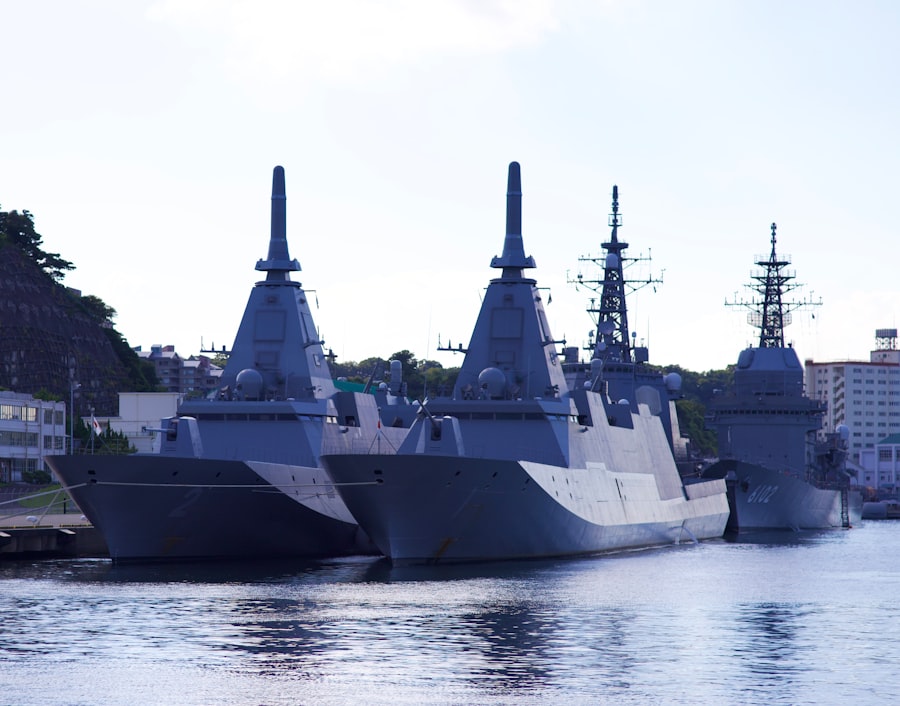
In the modern battlespace, the electromagnetic spectrum is as crucial as the physical domain. Electronic Warfare (EW) and Signals Intelligence (SIGINT) are essential components of naval intelligence, focused on intercepting, analyzing, and exploiting enemy electronic emissions.
Intercepting Communications: Listening to the Enemy’s Conversations
The ability to intercept and decipher enemy communications is a cornerstone of intelligence gathering. This involves monitoring radio transmissions, satellite communications, and other forms of electronic dissemination.
Frequency Analysis and Signal Classification
Sophisticated techniques are employed to identify the frequencies used by adversaries, classify the types of signals being transmitted, and determine the origin and destination of the communications. This can reveal patterns of activity, identify key personnel, and provide insights into operational plans. Imagine deciphering a coded message whispered across a crowded room; the challenge lies in isolating the specific voice and understanding its hidden meaning.
Cryptographic Analysis and Decryption
Once communications are intercepted, cryptographic analysis becomes vital to break any encryption employed by the adversary. This is a continuous cat-and-mouse game, with intelligence agencies constantly developing new methods to overcome evolving encryption techniques.
Radar and Electronic Support Measures (ESM): Understanding the Adversary’s Electronic Footprint
Radar systems are critical for navigation, targeting, and surveillance. ESM systems are designed to detect and analyze these radar emissions, providing vital information about an adversary’s radar capabilities and their operational status.
Identifying Radar Types and Capabilities
ESM systems can identify the specific types of radar being used by an adversary, their frequency bands, pulse repetition frequencies, and scanning patterns. This information can reveal the sophistication of their air defense systems, their surveillance capabilities, and their potential targeting parameters.
Threat Prioritization and Targeting
By understanding the adversary’s radar electronic order of battle, naval intelligence can prioritize threats and identify opportunities for electronic deception or attack. Knowing which radars are active and what their capabilities are allows for tailor-made responses to mitigate their effectiveness.
Cyber Warfare Impacts on Naval Electronic Operations
The domain of cyberspace is increasingly intersecting with traditional electronic warfare. Naval intelligence must now consider the impact of cyberattacks on an adversary’s electronic systems and vice versa.
Exploiting Vulnerabilities in Adversary Command and Control Systems
Cyber capabilities can be used to disrupt or degrade an adversary’s command and control networks, which often rely on sophisticated electronic communication systems. Understanding these interdependencies is crucial for effective electronic warfare planning.
Deception and Information Operations in the Electronic Domain
Advanced EW capabilities can be used to deceive enemy sensors, create false targets, and disrupt their situational awareness. This is a form of psychological warfare waged in the electromagnetic spectrum, aiming to sow confusion and disarray amongst the adversary’s forces.
Open-Source Intelligence (OSINT): Harnessing Publicly Available Information
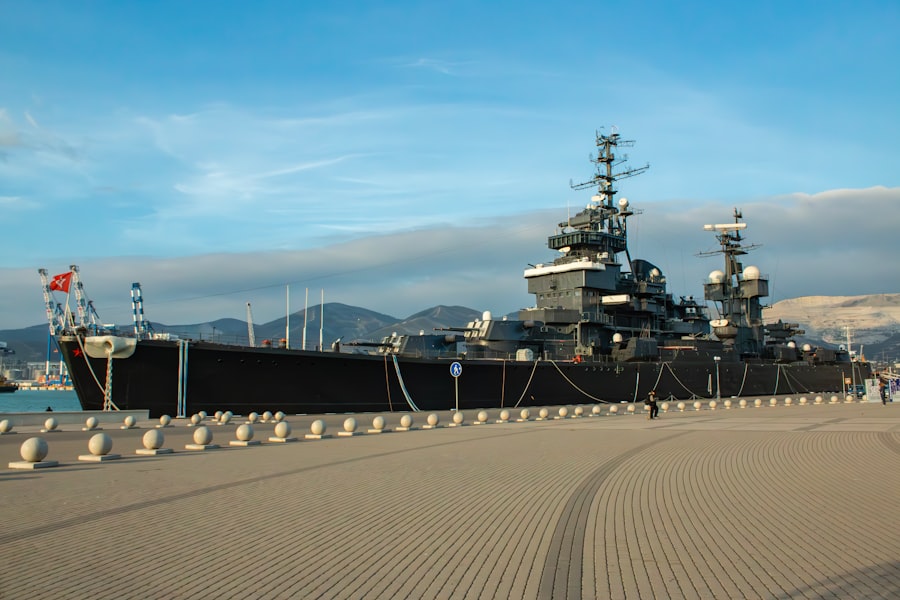
In the digital age, a treasure trove of valuable intelligence exists in the public domain. Open-Source Intelligence (OSINT) focuses on collecting, analyzing, and disseminating information gleaned from publicly available sources. This can be a cost-effective and often surprisingly rich source of intelligence.
The Internet as a Vast Repository of Information
The internet, with its social media platforms, news websites, academic publications, and commercial databases, offers a wealth of information that can be leveraged for naval intelligence.
Social Media Analysis: Tracking Trends and Sentiment
Social media platforms can provide real-time insights into public sentiment, the movement of people and goods, and even the operational tempo of certain activities. Analysts can track discussions, identify influential accounts, and observe patterns that might otherwise go unnoticed. This is like observing the ripple effects on the surface of the water to understand what might be happening beneath.
Geospatial Information Systems (GIS) and Commercial Satellite Imagery
Commercial providers offer high-resolution satellite imagery and detailed mapping data that can be used to monitor port activities, track construction of naval facilities, and assess changes in coastal environments. This complements classified imagery by providing a broader and often more accessible perspective.
Maritime Logistics and Shipping Data: Tracking the Arteries of Global Trade
Detailed data on shipping movements, cargo manifests, and port operations are often publicly available or can be acquired through commercial data brokers.
Vessel Tracking Services and Automated Identification Systems (AIS)
Services that track vessels via their AIS signals provide real-time information on ship locations, speeds, and destinations. This data can be invaluable for monitoring maritime traffic, identifying suspicious vessel movements, and understanding patterns of trade that might have strategic implications.
Analyzing Trade Routes and Economic Indicators
By analyzing global shipping patterns and trade flows, naval intelligence can gain insights into economic dependencies, resource movements, and potential vulnerabilities that could be exploited or defended.
Academic Research and Non-Governmental Organizations (NGOs)
Academic research papers, reports from think tanks, and publications from NGOs can offer expert analysis on geopolitical trends, emerging technologies, and regional security issues that directly impact naval operations.
Expert Analysis and Foresight from Think Tanks
Reputable think tanks often provide in-depth analysis of military technology, geopolitical strategies, and regional security dynamics. Their publications can offer valuable context and foresight for naval intelligence efforts.
Naval intelligence gathering methods have evolved significantly over the years, incorporating advanced technologies and innovative strategies to enhance situational awareness and operational effectiveness. A related article that delves deeper into these techniques can be found at this link, which explores the various tools and methodologies employed by naval forces to collect and analyze critical information. Understanding these methods is essential for comprehending the broader implications of naval operations in modern warfare.
The Human Element: Intelligence Analysis and Human Intelligence (HUMINT)
| Method | Description | Advantages | Limitations | Typical Use Cases |
|---|---|---|---|---|
| Signal Intelligence (SIGINT) | Intercepting and analyzing electronic signals and communications. | Provides real-time data; can intercept enemy communications and radar emissions. | Requires advanced technology; encrypted signals may be difficult to decode. | Monitoring enemy fleet movements; electronic order of battle analysis. |
| Human Intelligence (HUMINT) | Gathering information through human sources such as spies, informants, or defectors. | Can provide detailed and context-rich information; access to insider knowledge. | Risk of misinformation; sources may be compromised or unreliable. | Identifying enemy intentions; gathering tactical information on naval bases. |
| Imagery Intelligence (IMINT) | Collecting visual information via satellites, drones, or reconnaissance aircraft. | Provides detailed imagery of naval assets and installations; useful for damage assessment. | Weather and camouflage can limit effectiveness; requires interpretation expertise. | Tracking ship movements; monitoring port activities and shipbuilding. |
| Acoustic Intelligence (ACINT) | Detection and analysis of underwater sounds from ships and submarines. | Effective for submarine detection; can identify vessel types by sound signatures. | Limited range; background noise can interfere with detection. | Submarine tracking; anti-submarine warfare operations. |
| Open Source Intelligence (OSINT) | Collecting information from publicly available sources such as news, social media, and maritime databases. | Cost-effective; provides broad situational awareness. | Information may be outdated or inaccurate; requires validation. | Monitoring maritime traffic; assessing geopolitical developments affecting naval operations. |
| Cyber Intelligence | Gathering intelligence through cyber operations targeting naval networks and systems. | Can provide access to classified information; disrupt enemy communications. | High risk of detection and retaliation; requires sophisticated capabilities. | Penetrating enemy command and control; gathering technical data on naval systems. |
While technology provides the tools for data collection, it is the human analyst who transforms raw data into actionable intelligence. Furthermore, Human Intelligence (HUMINT) remains a critical, albeit often clandestine, method of gathering information.
The Art of Intelligence Analysis: Synthesizing and Interpreting Data
Intelligence analysts are the navigators who chart a course through the complex sea of information. Their expertise lies in synthesizing data from disparate sources, identifying patterns, assessing credibility, and drawing well-reasoned conclusions.
Cognitive Biases and the Need for Rigorous Methodologies
Analysts must be aware of cognitive biases that can influence their judgment and employ rigorous analytical methodologies to ensure objectivity. This includes techniques such as red teaming, where an opposing viewpoint is deliberately adopted to challenge assumptions.
The Role of Artificial Intelligence in Augmenting Human Analysis
AI and machine learning are increasingly being used to automate the initial stages of data processing and pattern recognition, freeing up human analysts to focus on higher-level interpretation and strategic thinking. AI acts as a powerful telescope, allowing humans to see further, but the human eye is still needed to truly understand what is being observed.
Human Intelligence (HUMINT): The Value of Direct Observation and Elicitation
Despite the advances in technology, the insights gained from human sources remain invaluable. HUMINT operations focus on cultivating relationships with individuals who possess access to vital information.
Cultivating Sources and Eliciting Information
This involves building trust, understanding motivations, and employing subtle techniques to elicit information without raising suspicion. It is a delicate dance of diplomacy and deception.
The Risks and Rewards of HUMINT Operations
HUMINT operations carry significant risks, including exposure and compromise. However, the rewards can be immense, providing insights that are unobtainable through other means. The strategic value of well-placed human sources cannot be overstated.
Interagency Cooperation and Information Sharing
Effective naval intelligence gathering often requires close cooperation and information sharing with other intelligence agencies, government departments, and allied nations. This collaborative approach broadens the intelligence picture and enhances the overall effectiveness of intelligence operations.
Building Trust and Establishing Secure Information Channels
Establishing trust and secure channels for information sharing between agencies is paramount to prevent leaks and ensure the integrity of intelligence operations.
The Synergy of Diverse Perspectives in Intelligence Fusion
By fusing intelligence from various sources and perspectives, a more comprehensive and accurate understanding of the maritime environment and potential threats can be achieved. This multi-faceted approach ensures that no single blind spot remains unexamined.
In conclusion, the methods employed by naval intelligence agencies are a constantly evolving blend of cutting-edge technology and timeless human acumen. From the silent depths of the ocean to the vast reaches of cyberspace, these advanced gathering techniques serve as the unseen sentinels, safeguarding national interests and ensuring maritime security in an increasingly complex world. The continuous pursuit of innovation and the dedication of skilled professionals are vital to maintaining this crucial advantage, ensuring that naval forces can operate effectively and anticipate the challenges that lie ahead on the global seas.
FAQs
What are the primary methods used in naval intelligence gathering?
Naval intelligence gathering primarily involves methods such as signals intelligence (SIGINT), electronic intelligence (ELINT), imagery intelligence (IMINT), human intelligence (HUMINT), and open-source intelligence (OSINT). These methods help collect information on enemy movements, capabilities, and intentions.
How does signals intelligence (SIGINT) contribute to naval intelligence?
SIGINT involves intercepting and analyzing electronic communications and signals from enemy ships, submarines, and coastal installations. This method provides critical information about enemy operations, command structures, and potential threats.
What role do satellites and aerial reconnaissance play in naval intelligence?
Satellites and aerial reconnaissance platforms, such as drones and reconnaissance aircraft, provide imagery intelligence (IMINT) by capturing detailed images of naval assets, ship movements, and coastal defenses. This helps in monitoring and assessing enemy activities from a distance.
How is human intelligence (HUMINT) utilized in naval intelligence gathering?
HUMINT involves gathering information through human sources, such as spies, informants, or naval personnel operating covertly. This method can provide insights into enemy plans, morale, and internal conditions that are not accessible through technical means.
What is the importance of electronic intelligence (ELINT) in naval operations?
ELINT focuses on intercepting and analyzing non-communication electronic signals, such as radar emissions and weapon system frequencies. This helps identify the capabilities and locations of enemy sensors and weapon systems, enhancing situational awareness and threat assessment.