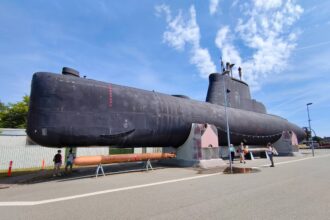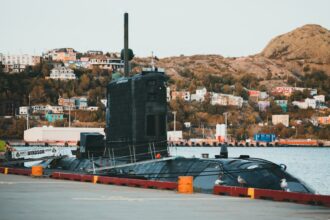
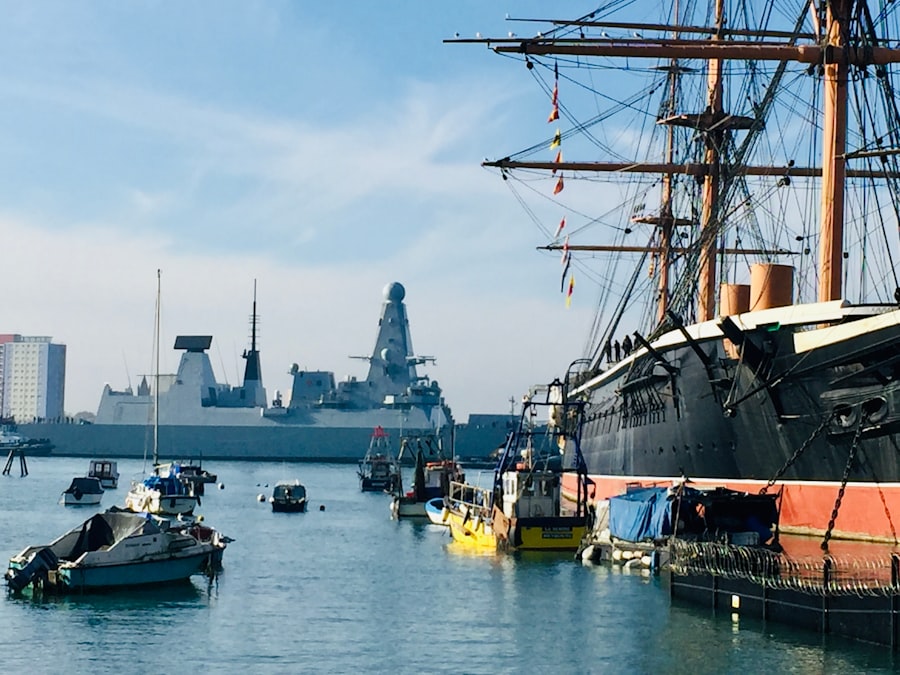
During the Cold War, naval power emerged as a critical component of military strategy for both the United States and the Soviet Union. The vast expanses of the world’s oceans provided a theater for demonstrating strength and projecting influence, making naval forces essential in the geopolitical chess game of the era. The two superpowers recognized that control of the seas could dictate the terms of engagement on land and air, leading to a significant emphasis on naval capabilities.
Aircraft carriers, submarines, and surface fleets became symbols of national pride and military prowess, serving as floating bases for power projection and deterrence. Naval power was not merely about the number of ships or submarines; it was also about technological advancements and strategic positioning. The Cold War saw the introduction of nuclear-powered vessels, which revolutionized naval warfare by allowing submarines to remain submerged for extended periods, thus enhancing their stealth and operational capabilities.
The United States and the Soviet Union engaged in a race to develop more advanced naval technologies, which included missile systems, anti-submarine warfare tactics, and sophisticated surveillance methods. This technological arms race underscored the importance of naval power in maintaining a balance of power during a time characterized by ideological conflict and military posturing.
Key Takeaways
- Naval power was crucial in Cold War geopolitical strategy and deterrence.
- Technological innovation drove the naval arms race between superpowers.
- Naval blockades played a key role during the Cuban Missile Crisis.
- Submarine warfare dominated the Battle of the Atlantic and shaped naval tactics.
- Cold War naval conflicts influenced modern naval intelligence, strategy, and treaty frameworks.
The Arms Race: Naval Technology and Innovation
The Cold War arms race was not confined to land-based weapons; it extended into the maritime domain, where both superpowers sought to outdo each other in naval technology and innovation. The development of nuclear submarines marked a significant turning point in naval warfare. These vessels could carry ballistic missiles capable of striking targets thousands of miles away while remaining hidden beneath the ocean’s surface.
This capability fundamentally altered the strategic landscape, as it allowed for second-strike capabilities that deterred direct confrontation between the superpowers. In addition to nuclear submarines, advancements in missile technology transformed naval engagements. The introduction of guided missiles enabled ships to strike targets with unprecedented accuracy from great distances.
The U.S. Navy’s Aegis Combat System exemplified this shift, integrating radar and missile systems to create a formidable defense against aerial threats. Meanwhile, the Soviet Union developed its own advanced systems, including the P-500 Bazalt anti-ship missile, which posed a significant threat to U.S.
naval forces. This relentless pursuit of technological superiority not only shaped naval strategies but also influenced broader military doctrines during the Cold War.
The Cuban Missile Crisis and Naval Blockades
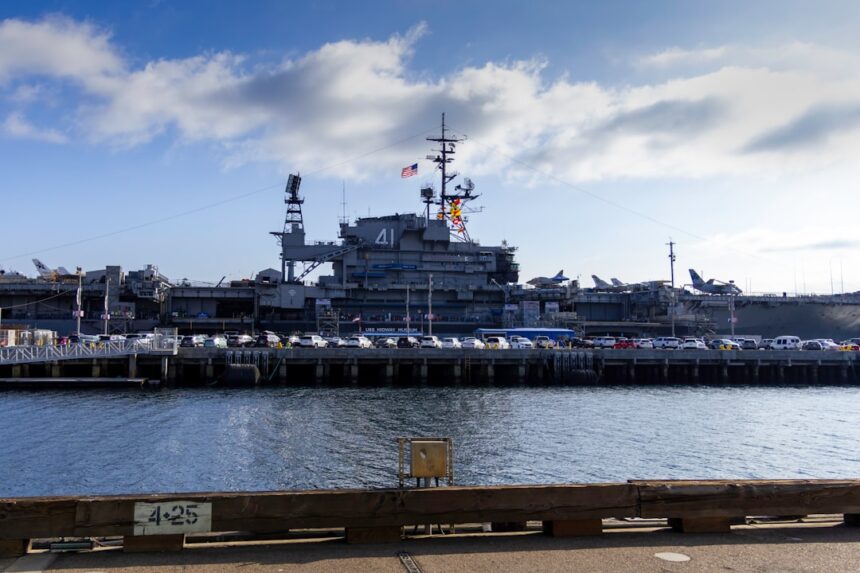
The Cuban Missile Crisis of 1962 stands as one of the most critical moments in Cold War history, showcasing the pivotal role of naval power in international diplomacy and conflict resolution. When U.S. intelligence discovered Soviet missile installations in Cuba, President John F.
Kennedy faced a daunting challenge that required a decisive response. He opted for a naval blockade—termed a “quarantine”—to prevent further shipments of military equipment to Cuba. This move underscored the significance of naval forces in exerting pressure without resorting to direct military confrontation.
The blockade was not merely a show of force; it was a calculated strategy that aimed to compel the Soviet Union to withdraw its missiles while minimizing the risk of escalation into nuclear war. U.S. Navy ships patrolled the waters around Cuba, ready to intercept any vessels attempting to breach the blockade.
The presence of these naval forces played a crucial role in signaling American resolve and determination. Ultimately, the crisis was resolved through negotiations, with the Soviets agreeing to dismantle their missile sites in exchange for a U.S. commitment not to invade Cuba and the secret removal of American missiles from Turkey.
This episode highlighted how naval power could be wielded as a tool of diplomacy, shaping outcomes without direct military engagement.
The Battle of the Atlantic: Submarine Warfare
The Battle of the Atlantic was a defining aspect of naval warfare during World War II, but its legacy continued to influence Cold War strategies, particularly concerning submarine warfare. Both the United States and the Soviet Union recognized that control over the Atlantic Ocean was vital for securing supply lines and projecting military power across Europe and beyond. Submarines became central to this strategy, with each side developing tactics to counteract the other’s underwater capabilities.
The Cold War saw an evolution in submarine warfare tactics, with both superpowers investing heavily in anti-submarine warfare (ASW) technologies. The U.S. Navy employed advanced sonar systems and anti-submarine aircraft to detect and neutralize Soviet submarines lurking beneath the waves.
Conversely, the Soviet Union focused on developing quieter submarines equipped with advanced torpedoes and missile systems capable of striking at long ranges. This ongoing battle for dominance beneath the surface not only shaped naval strategies but also influenced broader military doctrines regarding deterrence and engagement.
Naval Operations in the Korean War and Vietnam War
| Year | Event | Country | Naval Asset | Significance |
|---|---|---|---|---|
| 1947 | Establishment of the US Navy’s 6th Fleet | USA | 6th Fleet | Key naval force in the Mediterranean during the Cold War |
| 1955 | Commissioning of USS Nautilus (SSN-571) | USA | USS Nautilus (Nuclear Submarine) | First operational nuclear-powered submarine |
| 1960 | U-2 Incident and naval surveillance increase | USA/USSR | Surveillance Ships | Heightened naval intelligence and reconnaissance operations |
| 1967 | USS Liberty Incident | USA/Israel | USS Liberty (AGTR-5) | Controversial attack during Six-Day War, impacting naval rules of engagement |
| 1972 | Introduction of Soviet Typhoon-class submarines | USSR | Typhoon-class Submarine | Largest ballistic missile submarines, enhancing Soviet second-strike capability |
| 1982 | Falklands War naval battles | UK/Argentina | Aircraft Carriers, Destroyers | Demonstrated importance of naval air power and modern naval warfare tactics |
| 1987 | Operation Earnest Will | USA | Escort Ships, Oil Tankers | US Navy escorted Kuwaiti oil tankers during Iran-Iraq War, showing naval power projection |
| 1991 | End of Cold War naval operations | USA/USSR | Various | Reduction in naval tensions and arms control agreements |
Naval operations played a significant role in both the Korean War and the Vietnam War, illustrating how maritime forces could be leveraged in support of broader military objectives. During the Korean War, U.S. Navy ships provided crucial support for ground forces engaged in combat against North Korean and Chinese troops.
Naval gunfire support helped to soften enemy positions before ground assaults, while aircraft carriers launched airstrikes that targeted key infrastructure and supply lines. In Vietnam, naval operations took on a different character as the U.S. sought to interdict supplies flowing from North Vietnam to its forces in the south.
The Navy’s involvement included coastal patrols, riverine operations, and air support for ground troops. The use of aircraft carriers allowed for rapid deployment of air power, while naval blockades aimed to disrupt enemy logistics.
The experiences gained during these conflicts would inform future naval strategies and operations.
The Suez Crisis and Naval Interventions
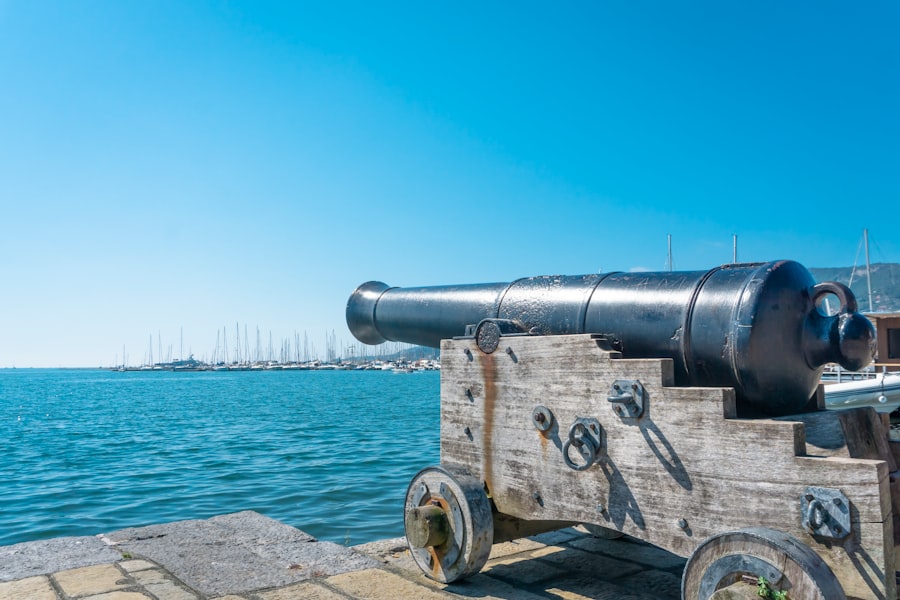
The Suez Crisis of 1956 marked another pivotal moment in Cold War history that underscored the importance of naval power in international conflicts. When Egyptian President Gamal Abdel Nasser nationalized the Suez Canal, Britain, France, and Israel launched a military intervention aimed at regaining control over this vital waterway. The crisis highlighted how naval forces could be employed not only for military objectives but also for asserting political influence on a global stage.
The intervention faced immediate challenges as international opinion shifted against it, particularly following pressure from both the United States and the Soviet Union.
S. President Dwight D.
Eisenhower opposed the invasion, fearing it would exacerbate tensions in an already volatile region. As a result, U.S. naval forces were deployed to assert American interests while pressuring Britain and France to withdraw their troops.
This episode illustrated how naval power could be used as a tool for diplomacy, shaping outcomes through strategic presence rather than direct confrontation.
The Berlin Crisis and Naval Presence in the Mediterranean
The Berlin Crisis of 1961 further exemplified how naval power played a crucial role in Cold War tensions between East and West. As East Germany constructed the Berlin Wall to prevent citizens from fleeing to West Berlin, tensions escalated between NATO forces and Soviet-backed East German troops. In response, NATO nations increased their military presence in Europe, including naval deployments in the Mediterranean Sea.
The Mediterranean became a focal point for demonstrating resolve against Soviet expansionism during this period. U.S. Navy ships conducted exercises and patrols in the region as part of broader efforts to reassure European allies and deter potential aggression from Soviet forces stationed nearby.
This strategic positioning underscored how naval presence could serve as both a deterrent and a means of projecting power during times of crisis.
The Falklands War: Naval Conflict in the South Atlantic
The Falklands War in 1982 marked one of the last significant naval conflicts during the Cold War era, showcasing how maritime power could decisively influence territorial disputes. When Argentina invaded the Falkland Islands—claimed by both nations—the United Kingdom responded by dispatching a naval task force to reclaim them. This conflict highlighted not only the importance of naval capabilities but also the complexities involved in modern warfare.
The British task force faced numerous challenges during its deployment across thousands of miles of ocean, including logistical hurdles and threats from Argentine forces equipped with modern anti-ship missiles. However, British naval superiority ultimately prevailed through effective coordination between surface ships, submarines, and air support from aircraft carriers. The successful recapture of the Falklands reinforced Britain’s status as a global maritime power while simultaneously demonstrating how naval operations could shape geopolitical outcomes even in distant theaters.
The Role of Naval Intelligence and Surveillance
Throughout the Cold War, naval intelligence and surveillance played an increasingly vital role in shaping military strategies and operations for both superpowers. As technological advancements improved reconnaissance capabilities, navies began employing sophisticated systems for gathering intelligence on enemy movements and capabilities. This included aerial reconnaissance missions conducted by aircraft carriers as well as satellite surveillance that provided real-time data on maritime activities.
Naval intelligence efforts were crucial during key events such as the Cuban Missile Crisis when U.S. Navy reconnaissance flights revealed Soviet missile installations in Cuba. These intelligence-gathering operations allowed decision-makers to assess threats accurately and formulate appropriate responses based on reliable information rather than speculation or assumptions.
As such, effective intelligence became an indispensable component of naval strategy during this tumultuous period.
The End of the Cold War: Naval Demilitarization and Treaty Negotiations
As tensions eased towards the end of the Cold War, both superpowers began reevaluating their military postures, including their naval forces. The signing of treaties such as START (Strategic Arms Reduction Treaty) marked significant steps toward arms reduction and demilitarization efforts that included reductions in naval capabilities as well as land-based systems. This shift reflected changing geopolitical dynamics as nations sought to prioritize diplomacy over confrontation.
Naval demilitarization also involved reassessing strategic priorities within each navy’s operational framework—shifting focus from large-scale fleet engagements toward more flexible maritime strategies capable of addressing emerging threats such as piracy or regional conflicts rather than direct superpower confrontations.
Legacy of the Cold War at Sea: Lessons Learned and Impact on Modern Naval Strategy
The legacy of Cold War naval strategies continues to shape modern maritime operations today—providing valuable lessons learned from decades spent navigating complex geopolitical landscapes characterized by competition between great powers. One key takeaway is recognizing that control over maritime domains remains essential for national security; thus navies must adapt their strategies accordingly based on evolving threats posed by non-state actors or regional adversaries. Furthermore, advancements made during this period—particularly regarding technology—have laid foundations for contemporary naval capabilities such as cyber warfare integration into maritime operations or enhanced surveillance systems designed to monitor potential adversaries’ movements effectively.
In conclusion, understanding how naval power influenced events throughout history provides critical insights into contemporary security challenges faced by nations today—reinforcing why maintaining robust maritime forces remains paramount within any nation’s defense strategy moving forward into an increasingly interconnected world where competition persists across all domains including land air sea space cyberspace alike!
For those interested in exploring the intricate dynamics of naval strategy during the Cold War, a compelling resource is available at In the War Room. This site delves into various aspects of military history, including the pivotal role that naval forces played in shaping geopolitical tensions and conflicts during this era. The articles provide valuable insights into naval operations, technological advancements, and the strategic decisions that defined the maritime landscape of the Cold War.
FAQs
What was the Cold War naval history?
Cold War naval history refers to the development, strategies, and engagements of naval forces primarily between the United States and the Soviet Union from roughly 1947 to 1991. It includes the evolution of naval technology, power projection, and maritime confrontations during this period of geopolitical tension.
Which navies were the main players during the Cold War?
The main naval powers during the Cold War were the United States Navy and the Soviet Navy. Other significant navies included those of the United Kingdom, France, and NATO allies, as well as the Warsaw Pact countries.
What role did submarines play in Cold War naval history?
Submarines played a crucial role in Cold War naval strategy, particularly nuclear-powered ballistic missile submarines (SSBNs), which served as a key component of nuclear deterrence. Both the US and the USSR developed advanced submarines for stealth, reconnaissance, and missile launch capabilities.
How did naval technology evolve during the Cold War?
Naval technology advanced significantly during the Cold War, including the development of nuclear-powered vessels, guided missiles, sonar and radar systems, aircraft carriers, and anti-submarine warfare technologies. These innovations changed naval tactics and global maritime power dynamics.
Were there any direct naval battles during the Cold War?
There were no large-scale naval battles between the superpowers during the Cold War, as direct conflict was avoided to prevent escalation. However, there were numerous close encounters, standoffs, and proxy conflicts involving naval forces.
What was the significance of aircraft carriers in Cold War naval history?
Aircraft carriers were vital for power projection and rapid response during the Cold War. The US Navy, in particular, relied heavily on its carrier strike groups to maintain a global presence and support allied operations.
How did the Cold War naval history impact global maritime strategy?
The Cold War naval history shaped modern maritime strategy by emphasizing nuclear deterrence, sea control, and power projection. It also led to the establishment of permanent naval bases worldwide and influenced post-Cold War naval doctrines.
What was the role of naval intelligence during the Cold War?
Naval intelligence was critical for monitoring enemy movements, submarine tracking, and gathering information on technological developments. Both sides invested heavily in signals intelligence (SIGINT), electronic surveillance, and reconnaissance missions at sea.
How did the Cold War end affect naval forces?
The end of the Cold War led to reductions in naval budgets, decommissioning of some vessels, and a shift in focus toward regional conflicts, peacekeeping, and counter-terrorism. However, many Cold War-era technologies and strategies continue to influence modern navies.