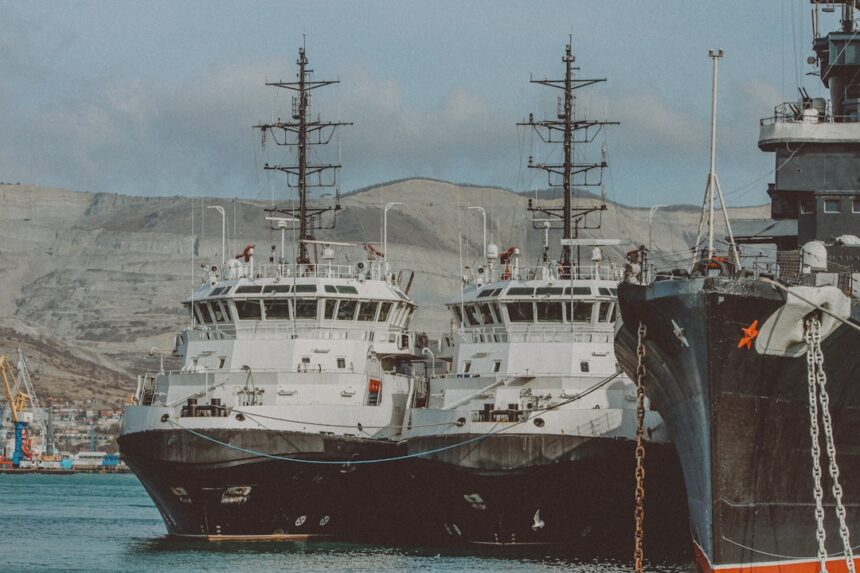
The Cold War (1947-1991) represented a period of intense geopolitical rivalry between the United States and the Soviet Union that extended far beyond terrestrial boundaries. Naval warfare and maritime strategy constituted fundamental components of this confrontation, with both superpowers recognizing that control of sea lanes and oceanic territories was essential for global influence and national security. The world’s oceans served as theaters for strategic competition, where naval capabilities directly impacted diplomatic leverage and military deterrence.
The naval dimension of the Cold War was distinguished by rapid technological advancement, including the development of nuclear-powered submarines, aircraft carriers, and ballistic missile systems. Both nations established extensive networks of naval installations across multiple continents and formed maritime alliances to project power into distant waters. The United States developed a blue-water navy capable of global operations, while the Soviet Union expanded its fleet from a primarily coastal force to a formidable ocean-going navy.
Control of maritime chokepoints, protection of sea-based trade routes, and the ability to deploy naval forces worldwide became critical factors in Cold War strategy. The competition encompassed submarine warfare capabilities, surface fleet modernization, and the integration of naval aviation. This maritime rivalry influenced alliance structures, regional conflicts, and arms control negotiations throughout the Cold War period, establishing precedents for naval strategy that continue to shape contemporary geopolitics.
Key Takeaways
- Naval power was a critical factor shaping Cold War strategies and global influence.
- The U.S. Navy maintained global dominance, while the Soviet Navy emerged as a significant challenger.
- Nuclear submarines and aircraft carriers were central to the naval arms race.
- Key confrontations, such as the Cuban Missile Crisis, highlighted the strategic importance of naval forces.
- Cold War naval dominance influenced diplomacy and left a lasting legacy on modern maritime security.
The Role of Naval Power in the Cold War
Naval power served as a critical component of military strategy during the Cold War, providing both nations with the ability to project force far beyond their borders.
The ability to deploy naval forces quickly and effectively allowed both superpowers to respond to crises and assert their interests on a global scale.
This emphasis on naval capabilities underscored the belief that dominance at sea was synonymous with national security. Moreover, naval power was not limited to traditional surface fleets; it expanded to include submarines and aircraft carriers that could launch strikes from vast distances. The introduction of nuclear-powered submarines revolutionized naval warfare, allowing for stealthy operations and second-strike capabilities.
This shift in naval strategy highlighted the importance of deterrence, as both superpowers sought to ensure that their adversaries would think twice before engaging in direct conflict. The role of naval power thus evolved into a complex interplay of deterrence, power projection, and strategic positioning.
The United States Navy: A Global Force
The United States Navy emerged as a formidable global force during the Cold War, characterized by its extensive fleet and advanced technological capabilities. With a focus on maintaining freedom of navigation and protecting American interests abroad, the U.S. Navy established a presence in key regions around the world.
Its aircraft carriers became symbols of American military might, capable of projecting air power wherever needed. This ability to operate globally allowed the United States to respond swiftly to emerging threats and crises, reinforcing its status as a superpower. In addition to its conventional forces, the U.S.
Navy also prioritized the development of nuclear submarines, which played a pivotal role in maintaining a credible deterrent against Soviet aggression. These submarines could operate undetected for extended periods, providing a strategic advantage in any potential conflict. The combination of surface fleets, submarines, and air power enabled the United States to maintain a dominant position at sea, ensuring that it could influence events on land while safeguarding its maritime interests.
The Soviet Navy: A Growing Threat
In response to American naval dominance, the Soviet Union sought to expand its own naval capabilities significantly throughout the Cold War. Initially lagging behind in terms of technology and fleet size, the Soviet Navy underwent a transformation that aimed to challenge U.S. supremacy at sea. The Soviets invested heavily in developing advanced submarines, surface ships, and anti-ship missile systems designed to counter American naval forces effectively. This expansion reflected a broader strategy to project power beyond its borders and assert influence in key maritime regions. The Soviet Navy’s growth was not merely about matching U.S. capabilities; it also involved establishing a presence in strategic waterways such as the Mediterranean Sea and the Indian Ocean. By deploying naval forces in these regions, the Soviet Union aimed to challenge American interests and support allied nations. This expansion posed a significant threat to U.S. naval operations and contributed to an increasingly tense maritime environment during the Cold War.
The Arms Race at Sea: Nuclear Submarines and Aircraft Carriers
| Country | Number of Aircraft Carriers | Number of Submarines | Number of Destroyers | Key Naval Strategy | Notable Naval Technology |
|---|---|---|---|---|---|
| United States | 15 | 100+ | 60+ | Power projection and carrier strike groups | Nuclear-powered submarines, supercarriers |
| Soviet Union | 1 | 200+ | 50+ | Submarine warfare and coastal defense | Ballistic missile submarines, missile cruisers |
| United Kingdom | 2 | 20+ | 15+ | Carrier-based air power and NATO support | Conventional carriers, nuclear submarines |
| France | 1 | 15+ | 10+ | Independent nuclear deterrent and blue-water navy | Nuclear-powered submarines, Clemenceau-class carriers |
| China | 0 | 20+ | 30+ | Coastal defense and regional power projection | Diesel-electric submarines, missile destroyers |
The arms race at sea during the Cold War was characterized by a relentless pursuit of technological superiority in naval warfare. Both superpowers recognized that nuclear submarines and aircraft carriers were pivotal assets in their arsenals. The development of nuclear-powered submarines allowed for unprecedented stealth and endurance, enabling them to carry out long-range missions without surfacing for extended periods.
Aircraft carriers became floating airbases that could project power across vast distances, allowing for rapid response to crises and conflicts. The U.S.
Navy’s Nimitz-class carriers set new standards for naval aviation, equipped with advanced fighter jets capable of striking targets deep within enemy territory. In contrast, the Soviet Union developed its own class of carriers, albeit with different operational doctrines focused on anti-ship capabilities rather than power projection. This arms race at sea underscored the importance of technological innovation in maintaining naval superiority and shaped military strategies for decades.
Naval Confrontations: The Cuban Missile Crisis and the Blockade of Cuba
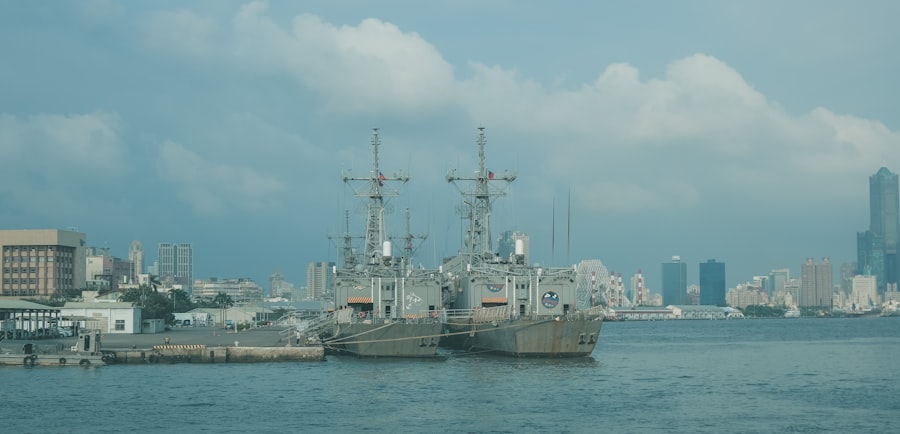
One of the most significant naval confrontations during the Cold War occurred during the Cuban Missile Crisis in 1962. This tense standoff between the United States and the Soviet Union brought both nations to the brink of nuclear war and highlighted the critical role of naval power in crisis management. When American reconnaissance flights discovered Soviet missile installations in Cuba, President John F.
Kennedy ordered a naval blockade to prevent further shipments of military equipment to the island. The blockade demonstrated the effectiveness of U.S. naval forces in enforcing international law and protecting national security interests.
As Soviet ships approached Cuba, tensions escalated dramatically, with both sides prepared for potential military engagement. Ultimately, diplomacy prevailed, but the crisis underscored how naval power could serve as both a tool for deterrence and a means of exerting pressure during high-stakes negotiations.
The Battle for Control of the Oceans: The Atlantic and Pacific Theaters
The Atlantic and Pacific Oceans became theaters of competition between the United States and the Soviet Union throughout the Cold War. In the Atlantic, NATO forces worked closely with U.S. naval assets to counter potential Soviet incursions into Western Europe.
The presence of American aircraft carriers and submarines served as a deterrent against Soviet aggression while ensuring freedom of navigation in critical shipping lanes. In contrast, the Pacific theater presented unique challenges due to its vastness and strategic importance. The U.S.
Navy maintained a significant presence in this region to counterbalance Soviet influence in Asia while supporting allies such as Japan and South Korea. Naval exercises and deployments became routine as both superpowers sought to assert their dominance over these vital maritime areas. The competition for control over these oceans shaped military strategies and alliances throughout the Cold War.
The Importance of Naval Bases and Forward Deployment
Naval bases played an essential role in supporting maritime operations during the Cold War, providing logistical support and strategic positioning for naval forces. The United States established numerous bases around the world, from Guantanamo Bay in Cuba to Diego Garcia in the Indian Ocean, enabling rapid deployment of forces when needed. These bases served as critical hubs for intelligence gathering, refueling operations, and maintenance of naval assets.
Forward deployment became a cornerstone of U.S. naval strategy, allowing for quick responses to emerging threats while demonstrating commitment to allies. By maintaining a visible presence in key regions, the U.S.
Navy could deter potential adversaries while reassuring partners of American support. This strategy not only enhanced operational readiness but also reinforced America’s position as a global maritime power.
The Influence of Naval Dominance on Cold War Diplomacy
Naval dominance significantly influenced diplomatic relations during the Cold War, shaping negotiations and alliances between nations. The ability to project power at sea provided both superpowers with leverage in international discussions, allowing them to assert their interests more effectively. Naval capabilities often served as bargaining chips in negotiations over arms control agreements or regional conflicts.
Moreover, alliances formed around naval capabilities played a crucial role in shaping global politics during this period. NATO’s collective defense strategy relied heavily on U.S. naval power to deter Soviet aggression in Europe, while countries aligned with the Soviet Union sought to enhance their own naval capabilities through partnerships with Moscow.
This interplay between naval dominance and diplomacy underscored how control over maritime forces could influence broader geopolitical dynamics.
The Legacy of Naval Dominance in the Post-Cold War Era
The legacy of naval dominance established during the Cold War continues to shape contemporary maritime strategies and international relations today. The technological advancements made during this period laid the groundwork for modern naval warfare, influencing how navies operate in an increasingly complex global environment. The emphasis on stealthy submarines, advanced aircraft carriers, and integrated command systems remains relevant as nations navigate new security challenges.
Furthermore, lessons learned from Cold War maritime confrontations inform current strategies regarding freedom of navigation and regional stability. As emerging powers seek to assert their influence at sea, understanding historical precedents becomes essential for policymakers navigating contemporary maritime disputes. The enduring significance of naval dominance serves as a reminder that control over oceans remains vital for national security and global stability.
Lessons Learned from the Cold War Maritime Power Struggle
The Cold War maritime power struggle offers valuable lessons for contemporary policymakers regarding the importance of naval dominance in international relations. As both superpowers navigated complex geopolitical landscapes through their navies, they demonstrated that control over maritime routes could significantly impact national security and diplomatic negotiations. The technological advancements achieved during this period continue to shape modern naval strategies while highlighting the need for adaptability in an ever-evolving global environment.
Ultimately, understanding the dynamics of naval power during the Cold War provides insights into current maritime challenges faced by nations today. As new threats emerge on the horizon—ranging from piracy to territorial disputes—nations must recognize that maintaining robust naval capabilities is essential for safeguarding their interests at sea while promoting stability on a global scale. The lessons learned from this era serve as a reminder that control over oceans remains a critical component of national security strategy in an interconnected world.
During the Cold War, naval dominance played a crucial role in the strategic balance between superpowers, influencing military tactics and international relations. For a deeper understanding of the implications of naval power during this era, you can explore the article on naval strategies and their impact on global politics at In The War Room. This resource provides valuable insights into how naval capabilities shaped the outcomes of various conflicts and the broader geopolitical landscape.
FAQs
What was the significance of naval dominance during the Cold War?
Naval dominance during the Cold War was crucial for both the United States and the Soviet Union as it allowed control over sea lanes, strategic deterrence through submarine-launched ballistic missiles, and the ability to project power globally.
Which countries were the primary naval powers during the Cold War?
The primary naval powers during the Cold War were the United States and the Soviet Union, with the U.S. Navy maintaining a significant advantage in aircraft carriers and global reach, while the Soviet Navy focused on submarines and coastal defense.
How did submarine technology impact naval strategies in the Cold War?
Submarine technology, especially nuclear-powered submarines equipped with ballistic missiles, played a key role in deterrence strategies by providing a secure second-strike capability, making them a central element of naval dominance during the Cold War.
What role did aircraft carriers play in Cold War naval dominance?
Aircraft carriers were vital for power projection, allowing the U.S. Navy to deploy air power worldwide without relying on local bases, thus maintaining a strategic advantage over the Soviet Navy, which had fewer carriers.
How did naval dominance influence the outcome of the Cold War?
Naval dominance contributed to the strategic balance by ensuring deterrence and the ability to control critical maritime routes, which helped prevent direct conflict and supported broader geopolitical objectives during the Cold War.
What were some key naval confrontations or incidents during the Cold War?
Key naval incidents included the Cuban Missile Crisis naval blockade, the U-2 incident involving naval reconnaissance, and various submarine encounters and espionage activities between U.S. and Soviet forces.
How did technological advancements affect Cold War naval capabilities?
Technological advancements such as nuclear propulsion, missile technology, sonar, and electronic warfare significantly enhanced the capabilities of both navies, enabling longer deployments, improved detection, and more effective combat systems.
Did other countries besides the US and USSR have significant naval forces during the Cold War?
While the US and USSR were dominant, other NATO countries like the United Kingdom and France, as well as Warsaw Pact members, maintained notable naval forces, but none matched the global reach or strategic impact of the superpowers’ navies.