The Board of Inquiry functions as an investigative body established by naval authorities to examine maritime incidents involving significant casualties, vessel damage, or environmental impact. These formal investigations serve multiple purposes: determining the causes of naval disasters, establishing accountability, and developing recommendations to prevent similar incidents. Naval authorities typically convene a Board of Inquiry immediately following major maritime incidents.
The board conducts systematic investigations to identify contributing factors, assess operational procedures, and evaluate personnel actions. Investigation findings are documented in comprehensive reports that include factual determinations and safety recommendations. The outcomes of Board of Inquiry investigations frequently result in modifications to naval policies, operational procedures, and training protocols.
These changes may affect individual naval services or influence broader maritime safety regulations. The investigative process provides transparency regarding incident circumstances and demonstrates institutional commitment to safety improvement. Board of Inquiry reports serve as official records of naval incidents and contribute to the development of maritime safety standards.
The recommendations generated through these investigations help naval organizations identify systemic issues and implement corrective measures to reduce the likelihood of future incidents.
Key Takeaways
- A Board of Inquiry is established to investigate naval disasters thoroughly and impartially.
- The board comprises experts who gather evidence, interview witnesses, and review records to determine causes.
- Investigations include examining the vessel’s condition and assessing crew and command decisions.
- Identifying contributing factors is crucial for understanding the disaster and preventing recurrence.
- The board issues recommendations aimed at improving safety and avoiding future naval incidents.
Composition and Role of the Board of Inquiry
The composition of a Board of Inquiry typically includes a diverse group of experts, each bringing unique perspectives and expertise to the investigation. Members may consist of senior naval officers, legal advisors, technical specialists, and representatives from relevant governmental agencies. This multidisciplinary approach ensures that all aspects of the incident are examined thoroughly.
The board’s role extends beyond mere investigation; it is also responsible for synthesizing findings into actionable recommendations that can enhance future operational safety. The board operates under a structured framework that guides its proceedings. It is empowered to summon witnesses, gather evidence, and consult with experts in various fields related to maritime operations.
The authority vested in the Board of Inquiry allows it to delve deeply into the circumstances surrounding a disaster, ensuring that no stone is left unturned.
Process of Conducting a Naval Disaster Investigation
The process of conducting a naval disaster investigation is methodical and thorough, designed to ensure that all relevant factors are considered. Initially, the board convenes to outline its objectives and establish a timeline for the investigation. This phase involves reviewing preliminary reports and gathering initial data about the incident.
The board then formulates a plan for collecting evidence and interviewing key individuals involved in the disaster. This structured approach is essential for maintaining focus and ensuring that all necessary information is obtained. As the investigation progresses, the board conducts site visits to examine the location of the incident.
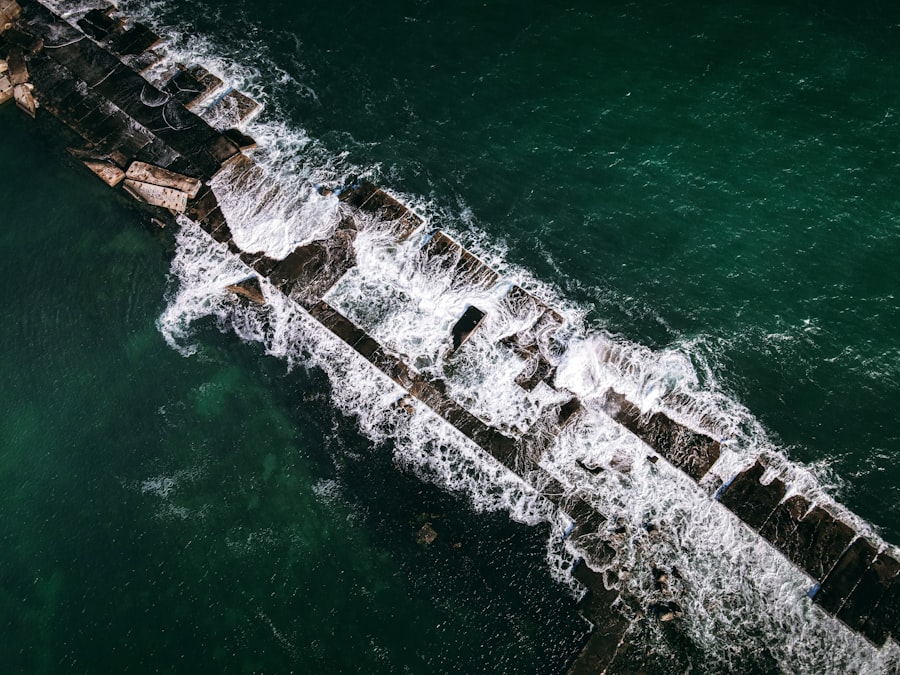
This may involve inspecting wreckage, assessing environmental impacts, and evaluating any ongoing recovery efforts. The board also collaborates with other agencies, such as environmental protection organizations or maritime safety authorities, to gather additional insights. Throughout this process, maintaining clear communication with stakeholders is crucial, as it helps build trust and ensures that all parties are informed about the investigation’s progress.
Gathering and Analyzing Evidence
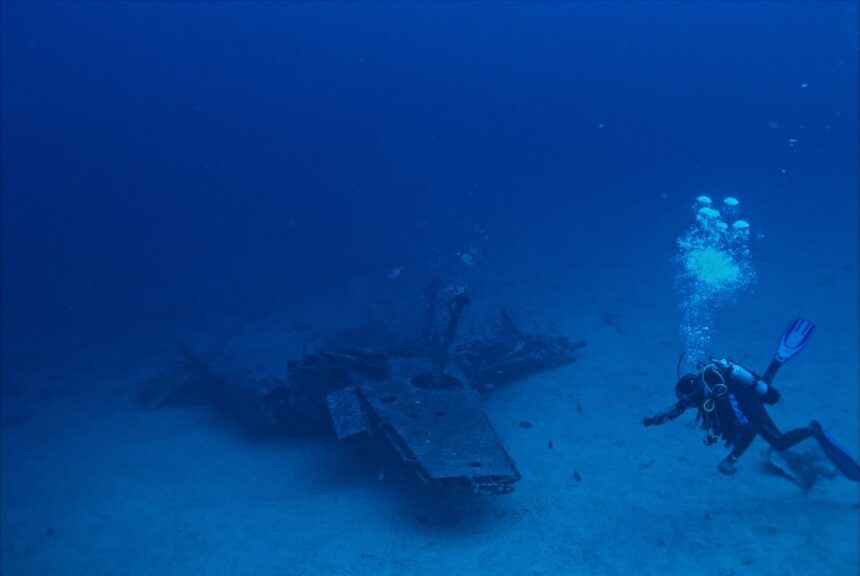
Gathering evidence is a cornerstone of any effective investigation conducted by a Board of Inquiry. This phase involves collecting physical evidence from the site of the disaster, including debris from the vessel, personal belongings of crew members, and any other materials that may provide insight into what transpired. Additionally, the board may utilize advanced technology such as sonar imaging or underwater drones to explore submerged wreckage or assess damage that is not immediately visible.
Once evidence has been collected, the analysis phase begins. This involves scrutinizing all gathered materials to identify patterns or anomalies that could shed light on the incident’s causes. For instance, forensic analysis may be employed to examine structural failures in the vessel or to assess whether equipment malfunctions contributed to the disaster.
The board may also engage experts in various fields—such as marine engineering or human factors—to interpret complex data and provide context for their findings.
Interviewing Witnesses and Survivors
| Metric | Description | Example Data |
|---|---|---|
| Number of Investigations Conducted | Total number of naval disaster inquiries initiated in a given year | 15 (2023) |
| Average Duration of Investigation | Time taken from incident to final report publication | 6 months |
| Common Causes Identified | Frequent factors contributing to naval disasters | Human error, mechanical failure, weather conditions |
| Percentage of Recommendations Implemented | Proportion of safety recommendations adopted by the Navy | 85% |
| Number of Fatalities per Incident | Average number of deaths resulting from each disaster | 12 |
| Types of Disasters Investigated | Categories of incidents reviewed by the board | Collisions, fires, groundings, explosions |
Interviewing witnesses and survivors is a critical component of the investigative process undertaken by a Board of Inquiry. These individuals often possess firsthand knowledge of the events leading up to and during the disaster, making their testimonies invaluable. The board approaches these interviews with sensitivity and care, recognizing that many witnesses may be grappling with trauma or loss.
Establishing rapport and creating a safe environment for sharing experiences is essential for eliciting candid responses. During interviews, the board employs various techniques to ensure comprehensive information gathering. Open-ended questions are often used to encourage witnesses to share their narratives in detail.
Additionally, follow-up questions may be employed to clarify specific points or delve deeper into particular aspects of their accounts. The insights gained from these interviews can provide crucial context for understanding the sequence of events and identifying potential lapses in judgment or protocol.
Reviewing Navigation and Communication Records
An essential aspect of any naval disaster investigation is the review of navigation and communication records. These documents provide critical insights into the operational decisions made by crew members leading up to the incident.
This information can reveal whether proper protocols were followed or if there were any lapses in communication that may have contributed to the disaster. In addition to examining records from the vessel involved in the incident, the board may also review data from nearby ships or coastal monitoring stations. This broader perspective can help identify external factors that may have influenced the situation, such as adverse weather conditions or navigational hazards that were not adequately accounted for.
By piecing together this information, the board can develop a clearer understanding of how decisions were made during critical moments leading up to the disaster.
Examining the Condition of the Vessel
The condition of the vessel involved in a naval disaster is another focal point for investigation by the Board of Inquiry. A thorough examination of the ship’s structural integrity, equipment functionality, and maintenance history is essential for determining whether mechanical failures played a role in the incident. The board may enlist marine engineers or naval architects to conduct detailed assessments of key components such as hull integrity, propulsion systems, and safety equipment.
In addition to mechanical evaluations, the board also considers factors related to compliance with safety regulations and standards. This includes reviewing maintenance logs and inspection reports to ascertain whether routine checks were conducted as required. Any discrepancies or lapses in maintenance practices can provide critical insights into potential contributing factors to the disaster.
By thoroughly examining these elements, the board can identify areas where improvements are necessary to enhance overall vessel safety.
Assessing the Actions of the Crew and Commanding Officers
The actions taken by crew members and commanding officers during a naval disaster are scrutinized closely by the Board of Inquiry. Understanding their decision-making processes in high-pressure situations is vital for identifying potential human factors that contributed to the incident. The board evaluates whether crew members adhered to established protocols and whether they received adequate training for emergency situations.
In assessing crew actions, the board considers various elements such as situational awareness, communication effectiveness among team members, and adherence to safety procedures. It may also explore whether there were any external pressures influencing decision-making at critical moments. By analyzing these factors comprehensively, the board can identify areas where additional training or procedural changes may be necessary to prevent similar incidents in the future.
Identifying Contributing Factors to the Disaster
Identifying contributing factors is one of the most significant outcomes of a Board of Inquiry’s investigation into a naval disaster. This process involves synthesizing all gathered evidence—ranging from witness testimonies to technical analyses—to develop a comprehensive understanding of what led to the incident. The board seeks to uncover not only immediate causes but also underlying systemic issues that may have played a role.
Contributing factors can encompass a wide array of elements including human error, equipment failure, inadequate training, or lapses in communication protocols. By examining these factors holistically, the board can provide valuable insights into how organizational culture or operational practices may need to evolve to enhance safety standards within naval operations. This thorough analysis serves as a foundation for developing actionable recommendations aimed at preventing future disasters.
Making Recommendations for Preventing Future Disasters
Once all evidence has been analyzed and contributing factors identified, the Board of Inquiry formulates recommendations aimed at preventing future disasters within naval operations. These recommendations may encompass a range of strategies including enhanced training programs for crew members, improvements in vessel design or technology, and revisions to operational protocols. The goal is to create a safer maritime environment by addressing vulnerabilities exposed during the investigation.
The board’s recommendations are typically presented in a formal report that outlines its findings and proposed actions clearly and concisely. This report serves as an essential tool for naval authorities as they work towards implementing changes based on the inquiry’s conclusions. By prioritizing safety improvements and fostering a culture of accountability within naval operations, these recommendations can lead to significant advancements in maritime safety standards.
Conclusion and Implementation of Findings
In conclusion, the work conducted by a Board of Inquiry following a naval disaster is vital for ensuring accountability and enhancing safety within maritime operations. Through meticulous investigation processes—including evidence gathering, witness interviews, and assessments of crew actions—the board aims to uncover root causes and contributing factors behind incidents at sea. The recommendations generated from these inquiries serve as crucial guidelines for preventing future disasters.
The implementation of findings from a Board of Inquiry requires commitment from naval authorities at all levels. It involves not only adopting new policies but also fostering an organizational culture that prioritizes safety above all else. By learning from past mistakes and actively working towards improvement, navies around the world can enhance their operational effectiveness while safeguarding lives at sea.
Ultimately, these efforts contribute significantly to building public trust in naval operations and ensuring that maritime environments remain safe for all who navigate them.
The Naval disaster investigation Board of Inquiry plays a crucial role in understanding the circumstances surrounding maritime incidents and ensuring accountability. For a deeper insight into the processes and findings of such inquiries, you can refer to a related article on this topic at this link. This article provides valuable information that complements the discussions surrounding naval safety and operational protocols.
FAQs
What is a Naval Disaster Investigation Board of Inquiry?
A Naval Disaster Investigation Board of Inquiry is an official panel established by a naval authority to investigate the causes, circumstances, and consequences of a naval disaster. Its purpose is to determine facts, assign responsibility, and recommend measures to prevent future incidents.
When is a Board of Inquiry convened?
A Board of Inquiry is typically convened following a significant naval incident such as a shipwreck, collision, explosion, or other catastrophic events involving naval personnel or assets. The decision to convene the board is made by naval command or higher authorities.
Who comprises the Board of Inquiry?
The Board usually consists of senior naval officers and subject matter experts with relevant experience. Members are selected to ensure impartiality and expertise in areas related to the incident under investigation.
What is the scope of the investigation?
The investigation covers all aspects of the disaster, including technical, operational, human factors, and environmental conditions. It examines the sequence of events, equipment performance, command decisions, and adherence to procedures.
How is evidence collected during the investigation?
Evidence is gathered through witness testimonies, examination of physical evidence, review of logs and communications, forensic analysis, and expert assessments. The Board ensures a thorough and unbiased collection of all relevant information.
What outcomes result from a Board of Inquiry?
The Board produces a detailed report outlining findings, conclusions, and recommendations. These may include changes to policies, training, equipment, or procedures to enhance safety and prevent recurrence.
Are the findings of the Board of Inquiry made public?
The release of the Board’s findings depends on the nature of the incident and security considerations. Some reports are made public to promote transparency, while others may be restricted to internal use.
Can individuals be held accountable based on the Board’s findings?
Yes, the Board may identify individuals whose actions or negligence contributed to the disaster. This can lead to disciplinary actions, court-martial, or other administrative measures.
How long does a Naval Disaster Investigation Board of Inquiry take?
The duration varies depending on the complexity of the incident, availability of evidence, and scope of the investigation. It can range from weeks to several months.
What is the difference between a Board of Inquiry and a Court-Martial?
A Board of Inquiry is primarily fact-finding and investigative, while a Court-Martial is a judicial proceeding to determine guilt or innocence and impose punishment. Findings from a Board of Inquiry can lead to a Court-Martial if warranted.